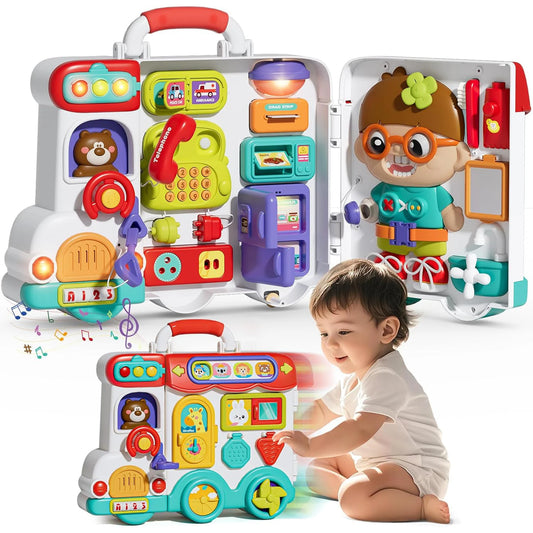
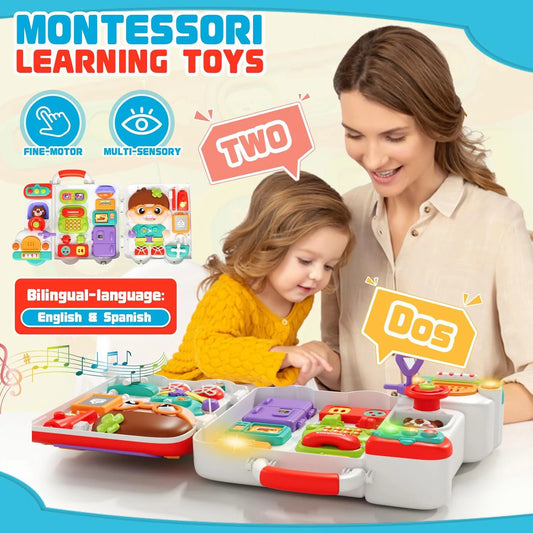
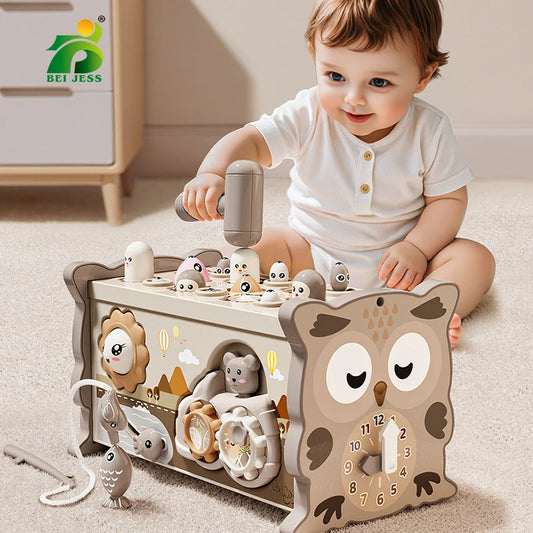
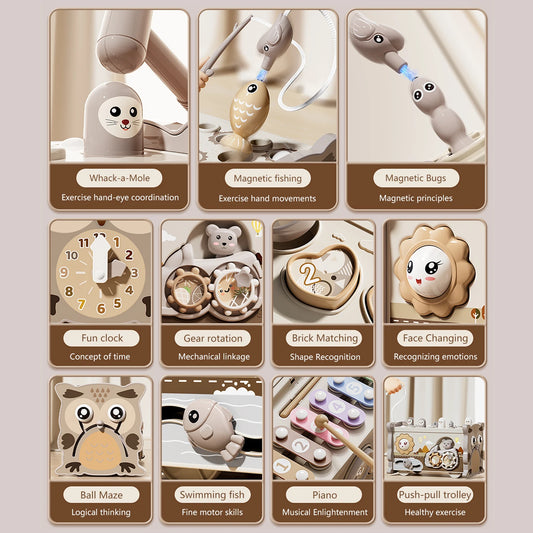





Montessori baby toys (0 to 12 months)
Look for simple grasping, reaching and looking activities designed for the child’s exact age. Check dimensions, materials and mouthing guidance, and read our guide on whether Montessori toys are safe for babies.
Showing 1 -24 of 65 items
Looking for Montessori toys in Australia? Start with your child’s age, then choose the kind of play they enjoy: stacking and sorting, puzzles, fastening practice or wooden learning toys. Each product page lists its own details, so you can compare ages, materials and safety notes before you order.
Not sure where to begin? Use the quick picks below, or jump straight to our Montessori wooden toys and Montessori busy boards.
This short audio guide discusses how Montessori-style activities can support focused, hands-on play.
These picks cover the main ages and play styles in the collection. The age shown is the one stated on each listing. Open the listing for full details before you buy.
| Toy | Best for | What children practise | Age on the listing |
|---|---|---|---|
| Shape Blocks Sorting Montessori Toy | Babies and 1 year olds | Sorting and matching shapes | 6 months and up |
| Baby Pull Carrot Plush Toy | Babies and young toddlers | Pulling and lining up carrots | 0 to 3 years, with close adult supervision |
| Montessori Wooden Train Toy with Numbers & Blocks | 1 to 3 year olds and gifts | Number play and building train arrangements | 1 to 5 years |
| Wooden Lacing Toy and Threading Board | 3 year olds | Threading and lacing | 3 and up |
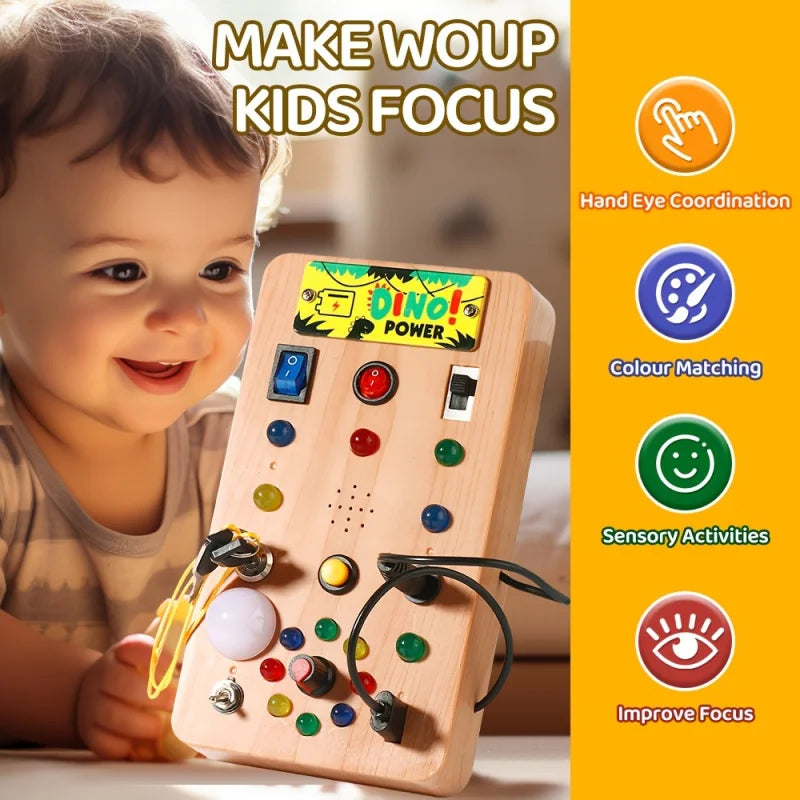
| LED Switch Montessori Busy Board | Pocket-size busy board for 3+ | Rocker switches, a toggle, a slider and coloured lights | 3 and over |
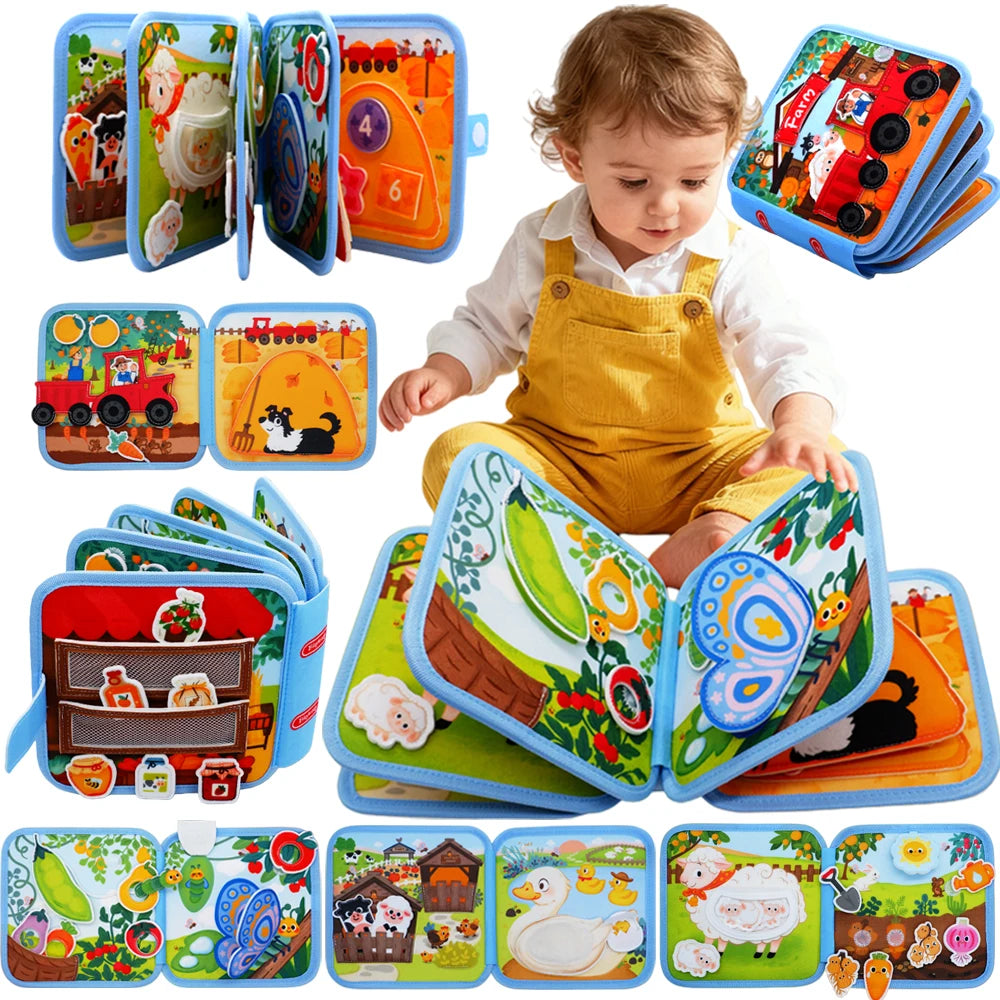
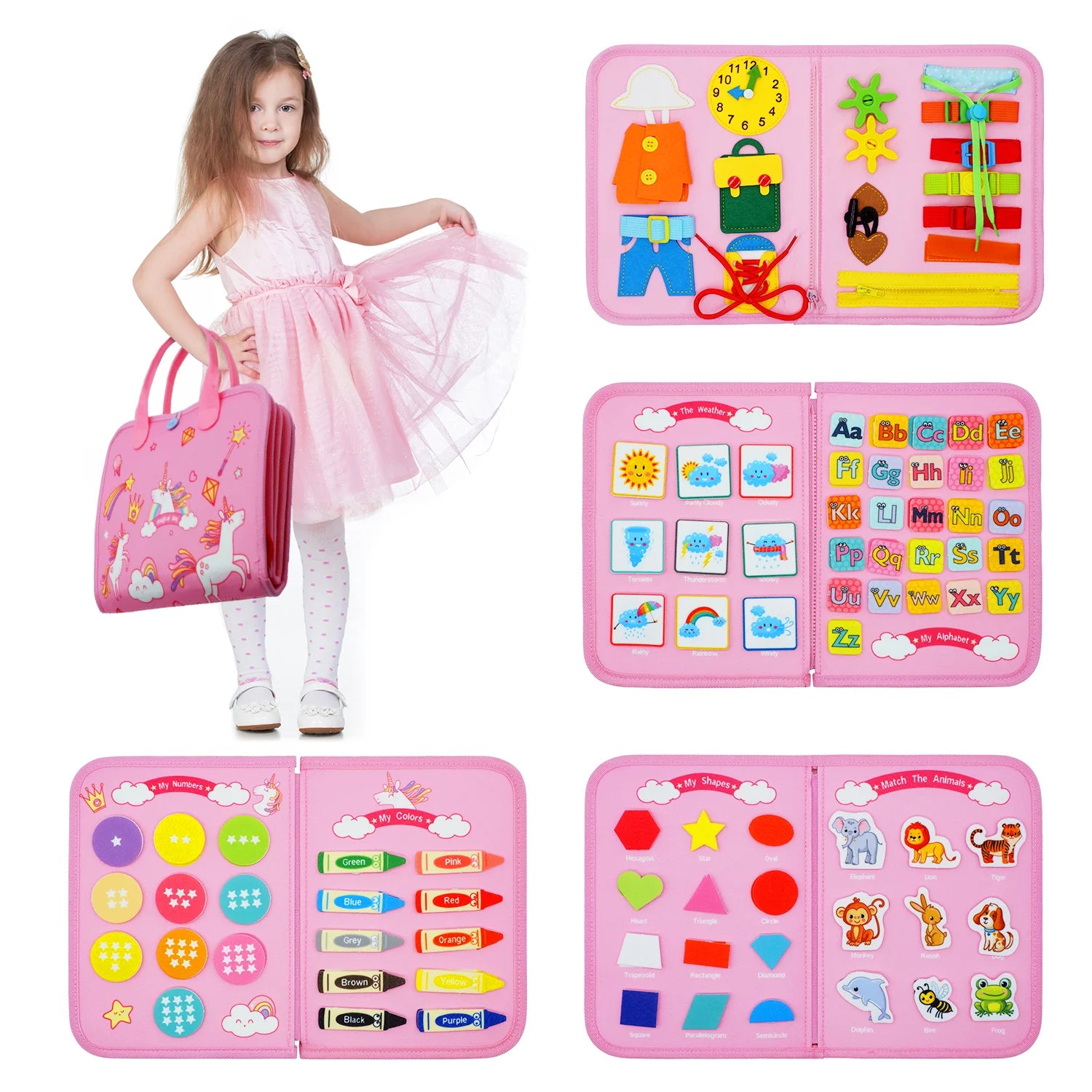
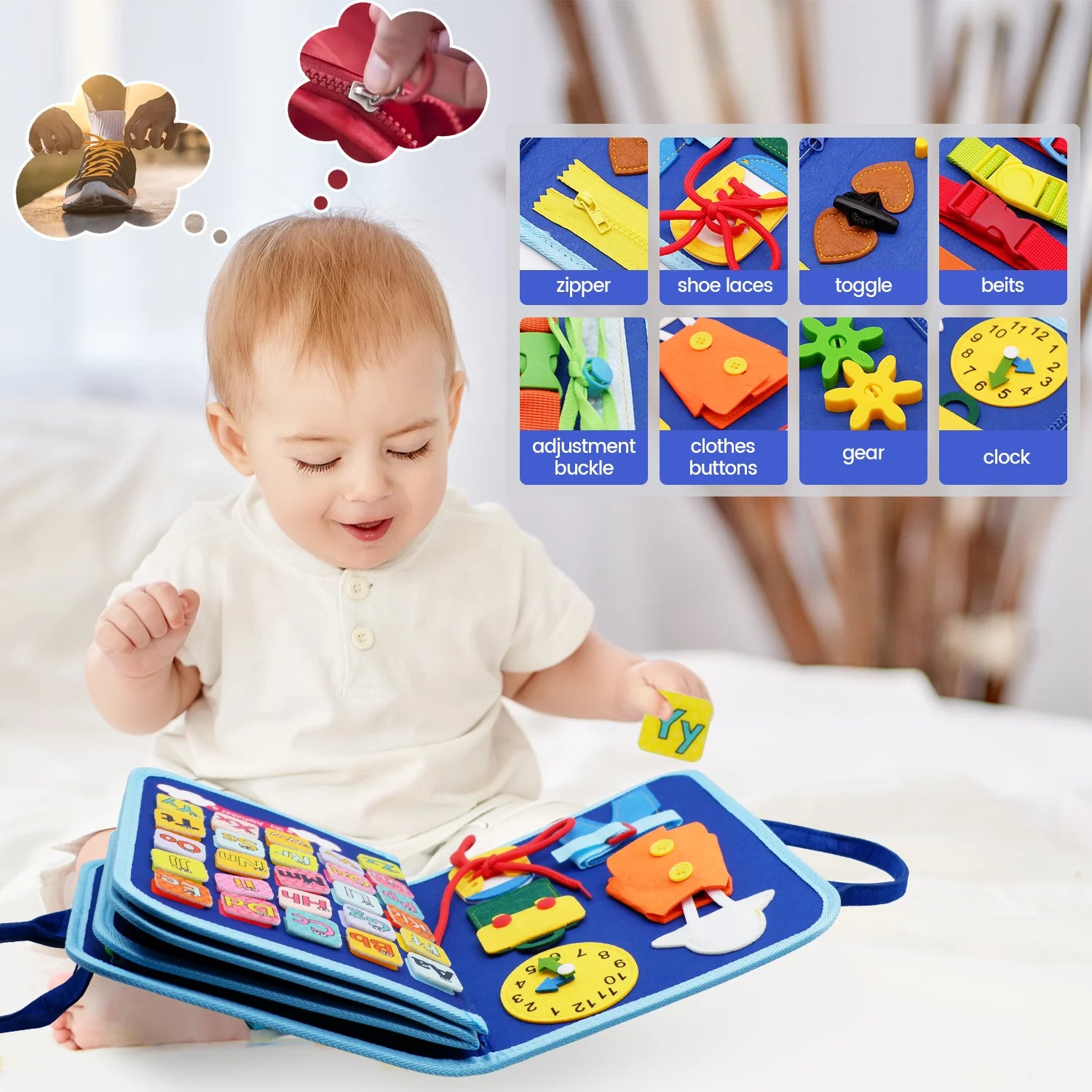
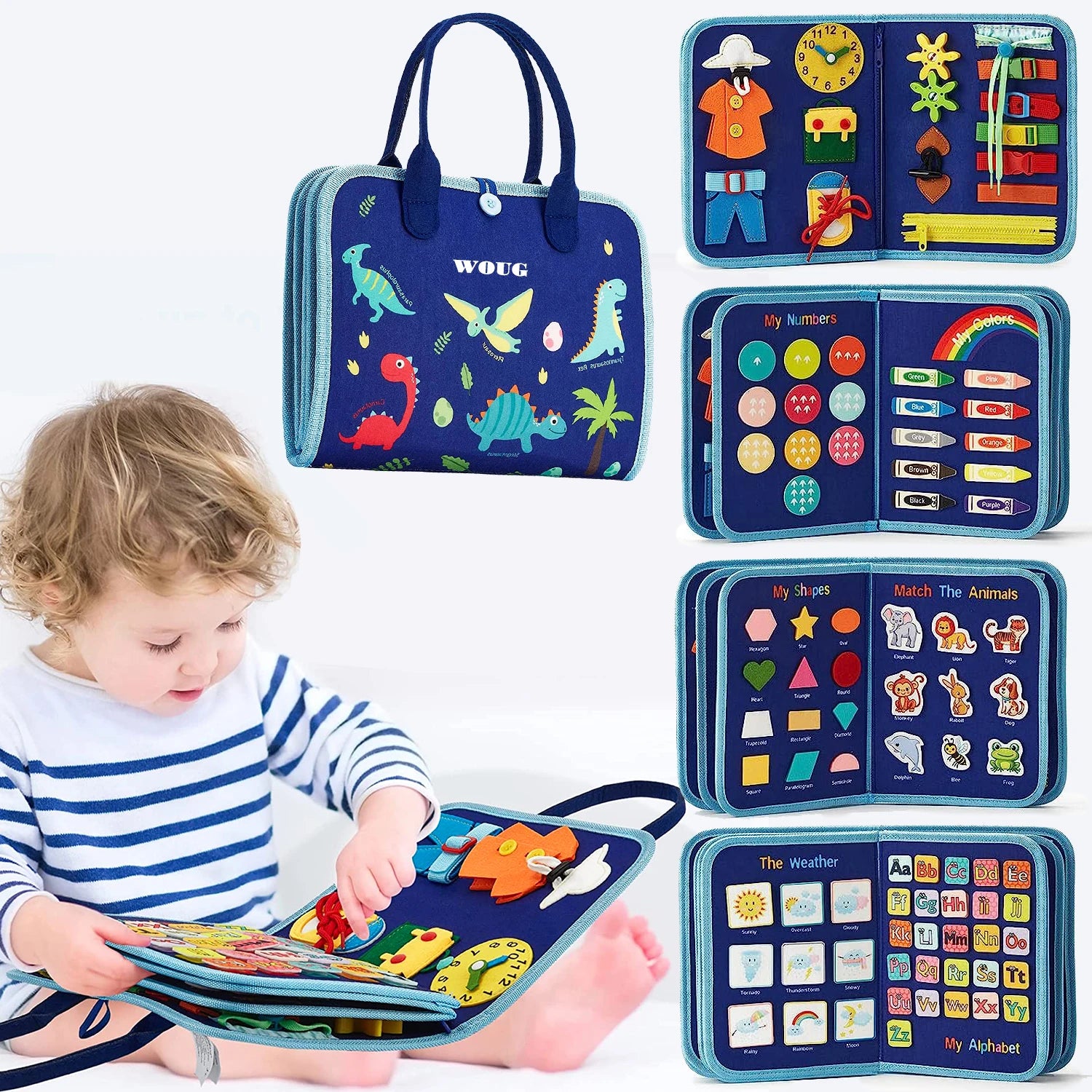
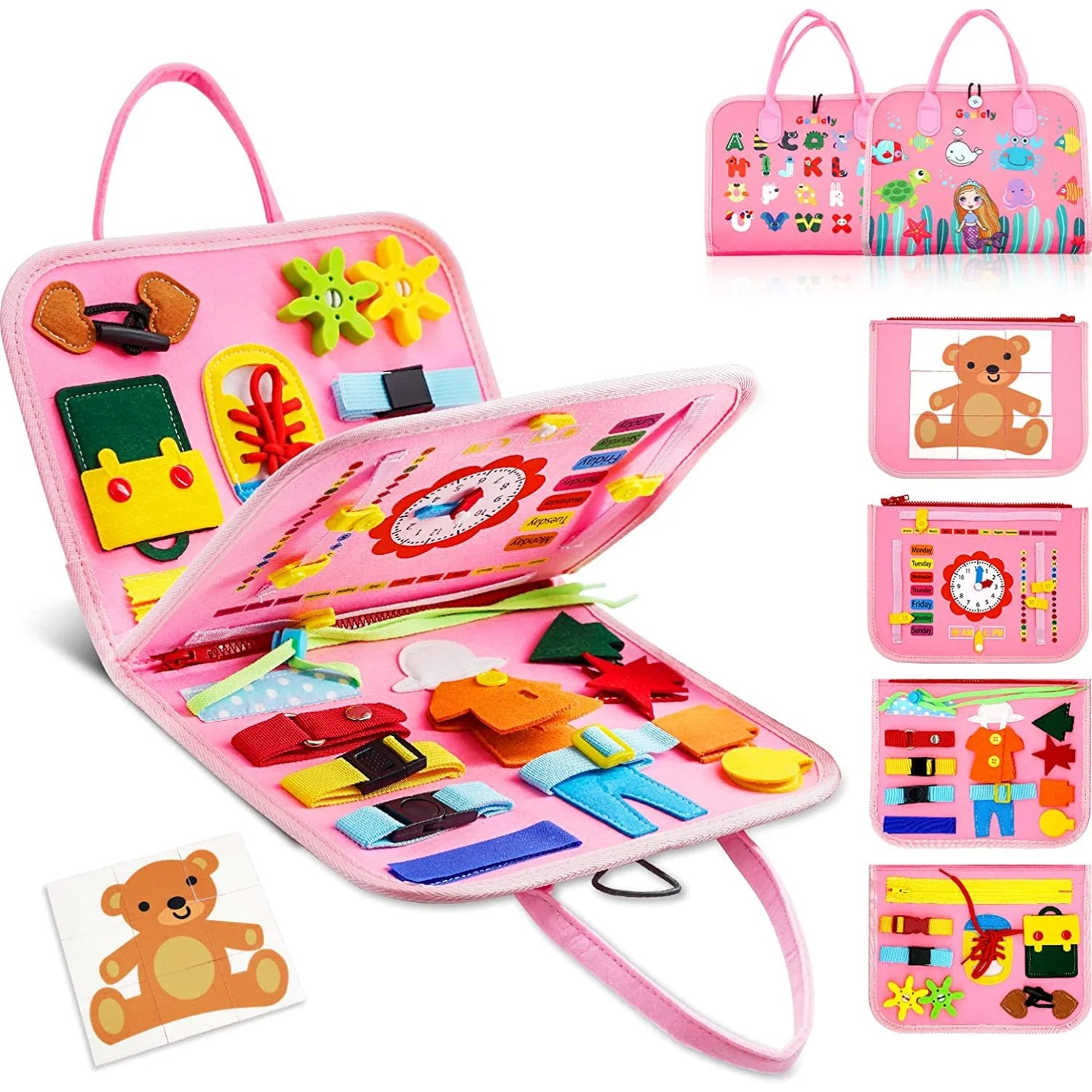
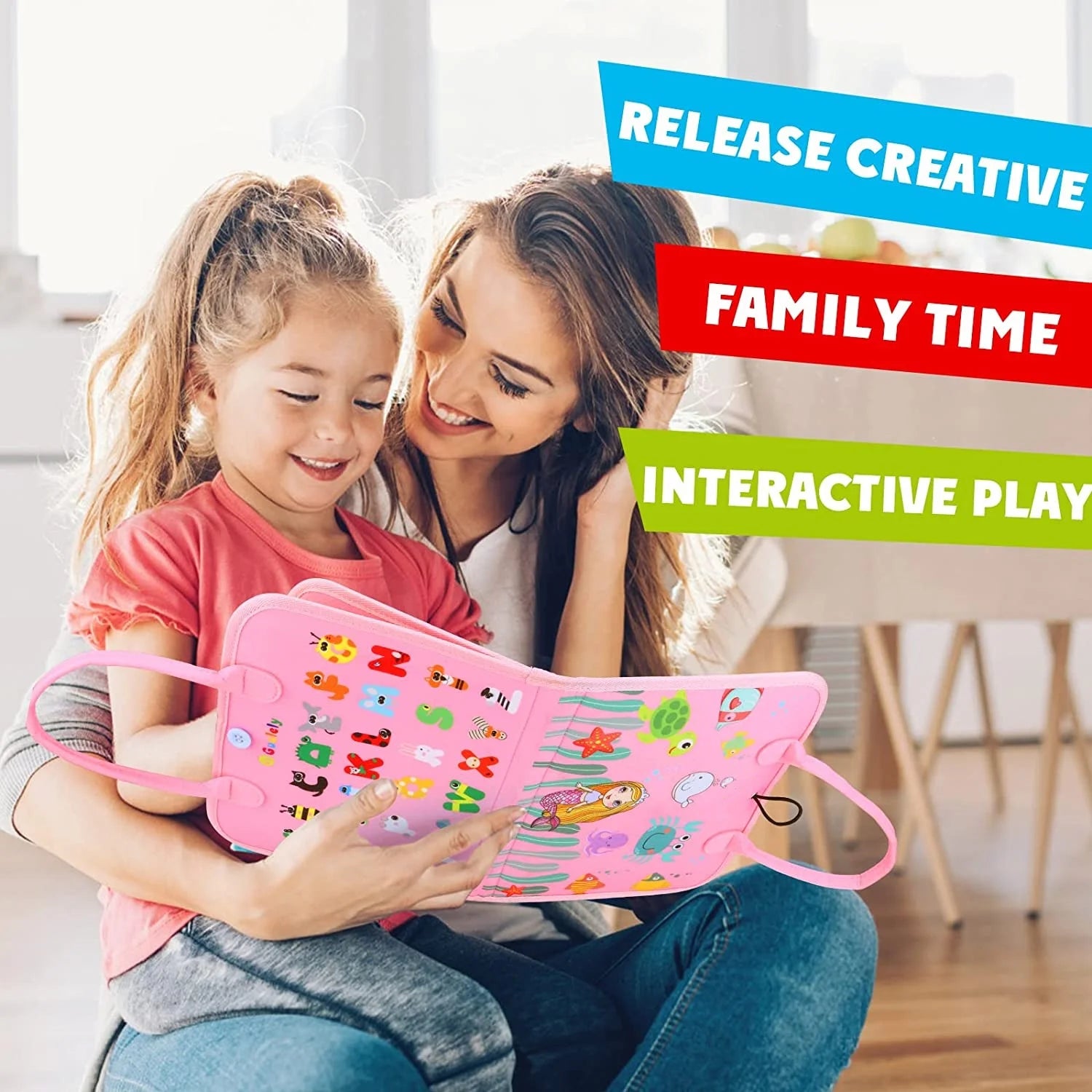
| Montessori Travel Busy Board (felt) | Car trips, flights and quiet time | Zips, buckles, buttons and laces | 3 to 6 years |
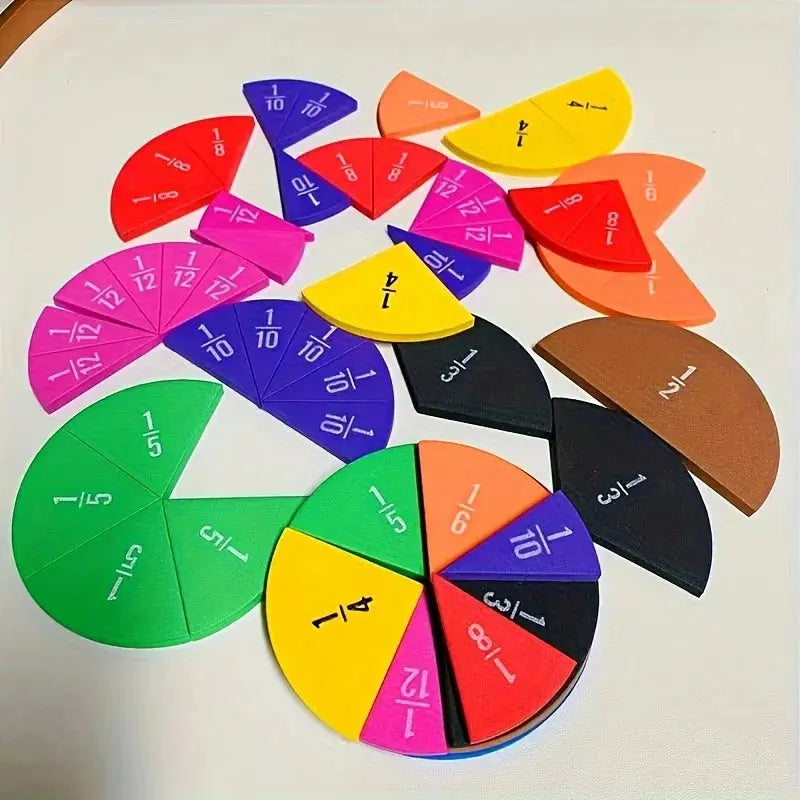
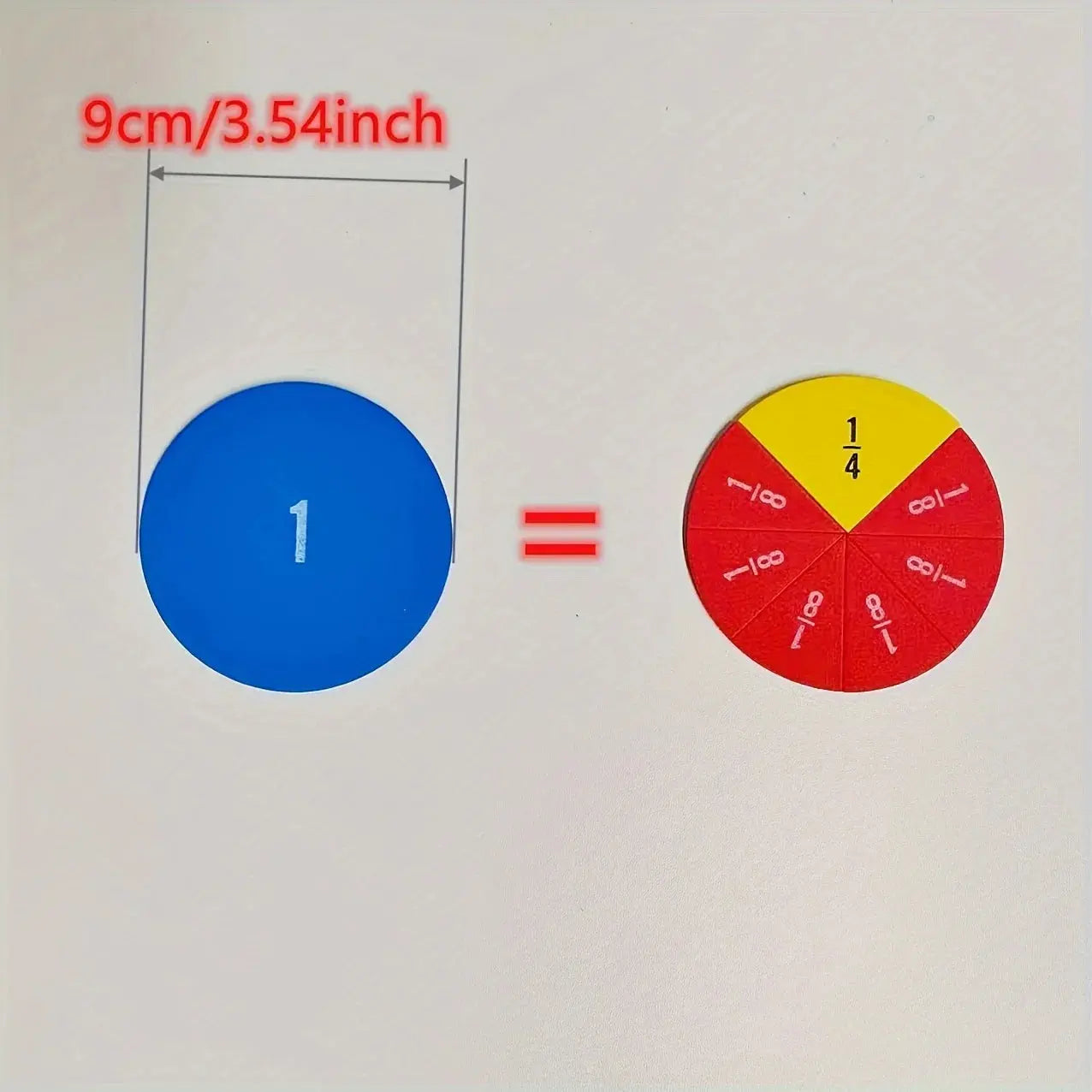
| Montessori Math Toy, Fraction Circles | Early maths at home | Seeing how parts make a whole | 3+ (not suitable for under 3s) |
Shopping for under-3s? Many busy boards and felt books in this collection are labelled 3 to 6 years. For babies, 1 year olds and 2 year olds, choose products whose listing states a suitable age, and keep toys labelled for older children out of reach.
Age labels are a starting point, not a substitute for checking the individual child, the product instructions and the included parts. Use these guides to narrow your search.
Look for simple grasping, reaching and looking activities designed for the child’s exact age. Check dimensions, materials and mouthing guidance, and read our guide on whether Montessori toys are safe for babies.
Posting, stacking, pulling and cause-and-effect activities suit children who are starting to coordinate both hands and repeat favourite actions. Try the shape sorter or the wooden train toy in the quick picks, and see our guide to educational toys for 1 year olds.
Chunky stacking, shape matching and simple building activities give two-year-olds something to repeat and master. Our guide to toys for 2 year old toddlers explains what to look for at this stage.
Lacing, sorting, beginner puzzles and fastening practice often suit this stage. Compare Montessori busy boards and wooden activities, and confirm each listing’s age marking.
Multi-step puzzles, construction activities and early number and fraction play can provide the next challenge. Browse the kids’ puzzle collection for more matching activities.
Both are popular Montessori choices. Pick the one that matches what your child is doing right now.
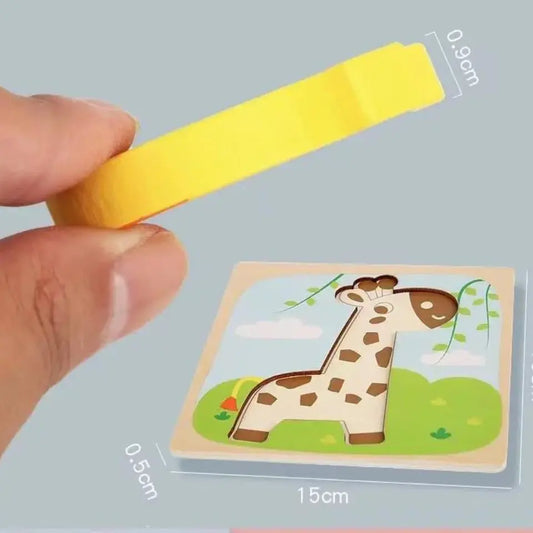
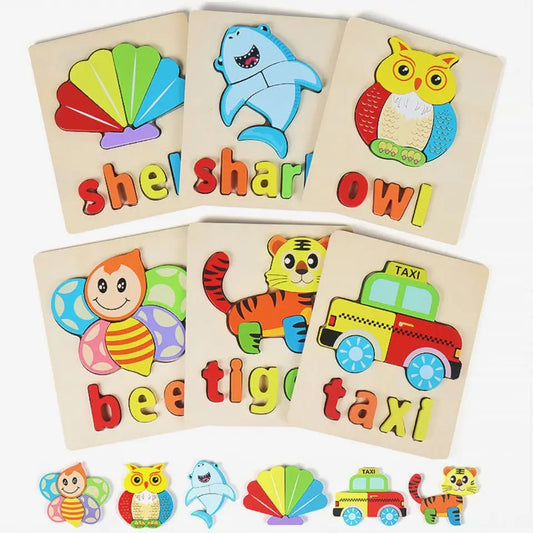
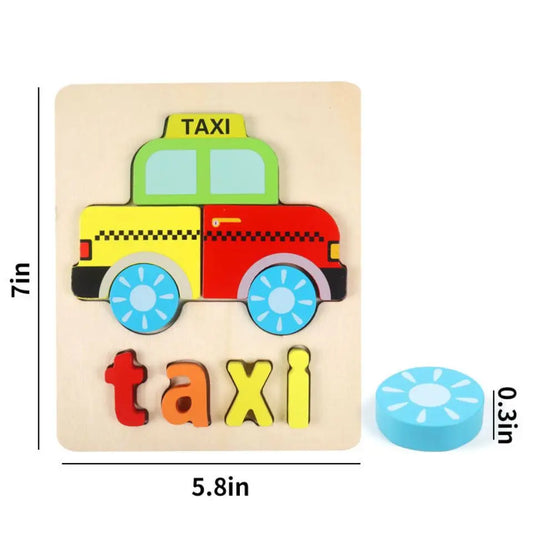
Wooden toys suit children who like to build, line things up or match shapes. They are also a popular choice for gifts. Compare options by age in our Montessori wooden toys collection.
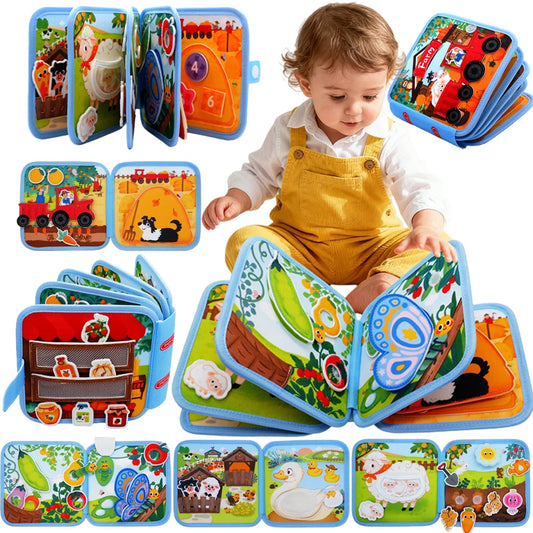
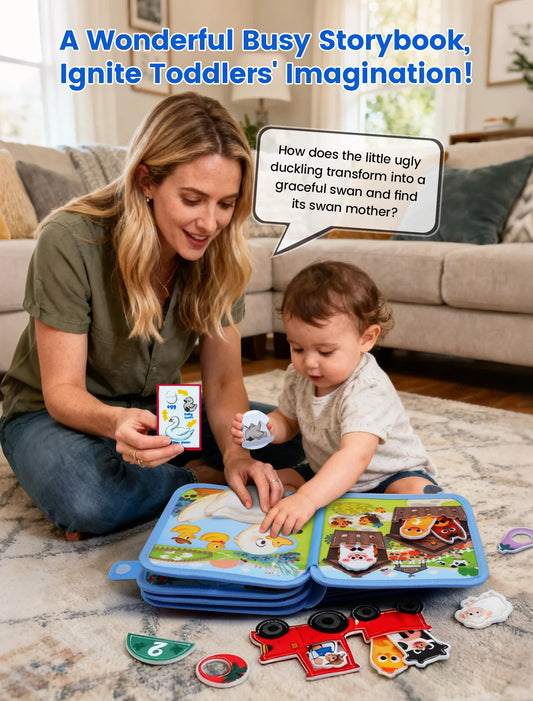
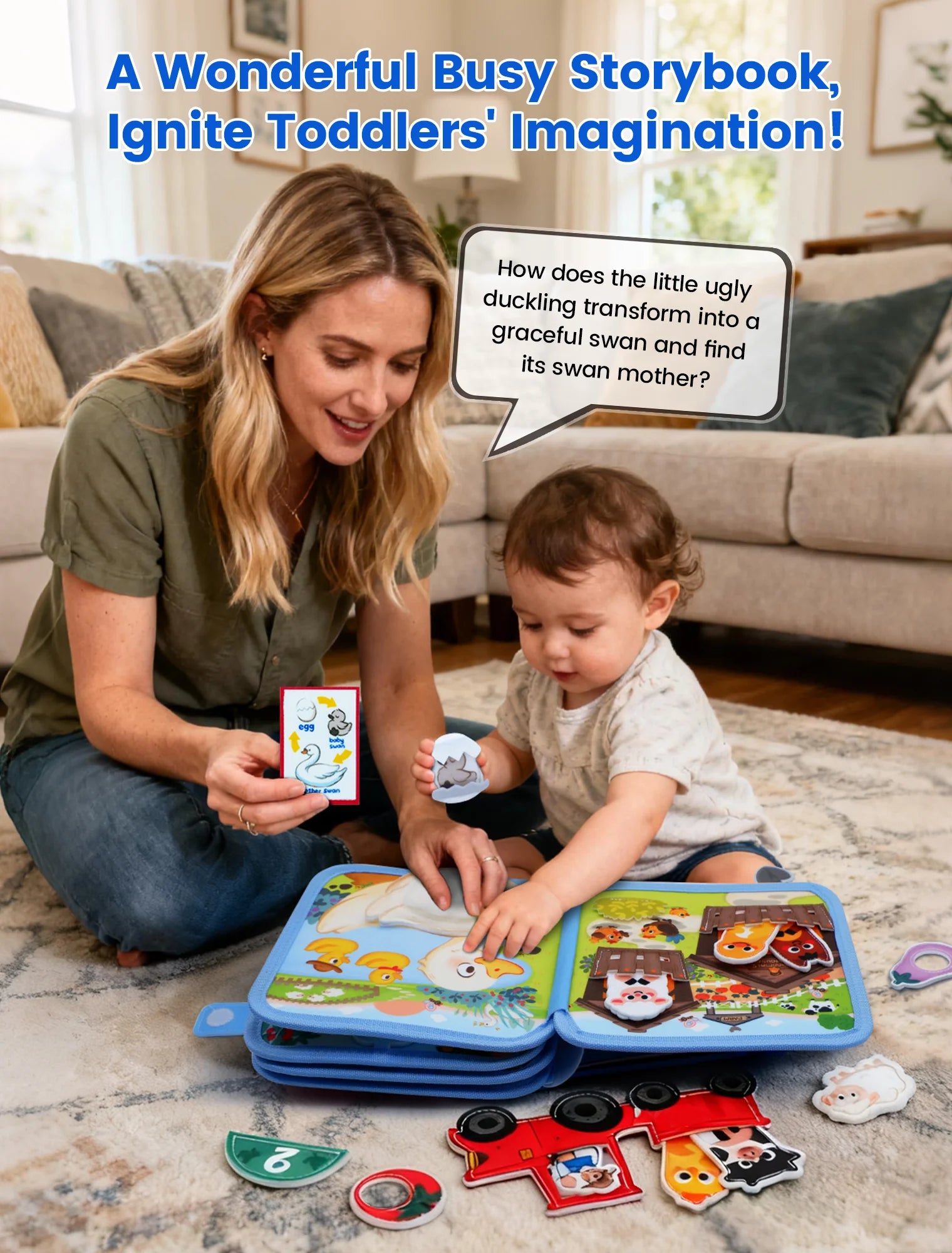
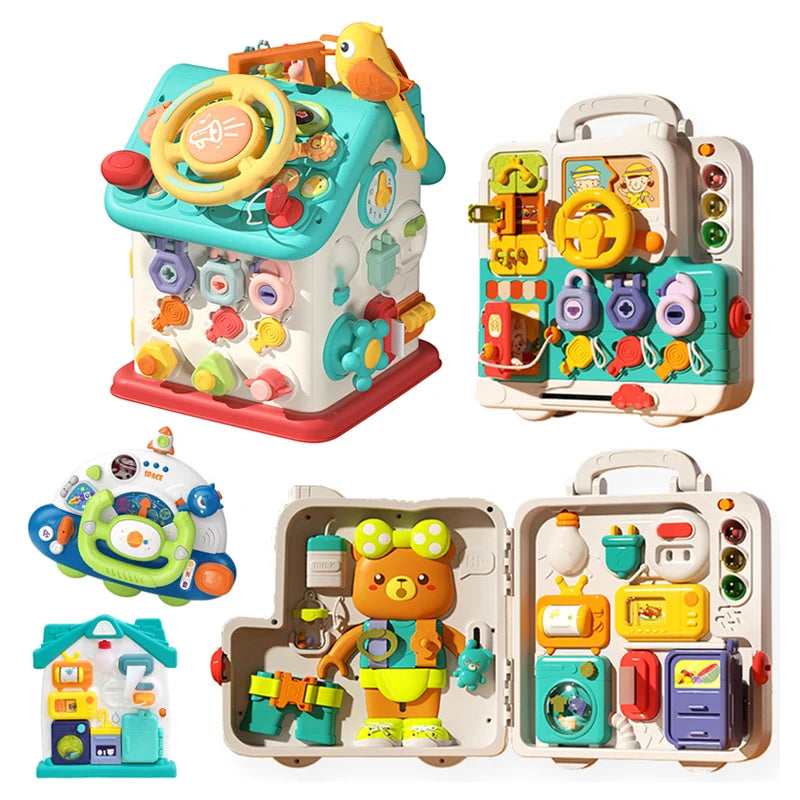
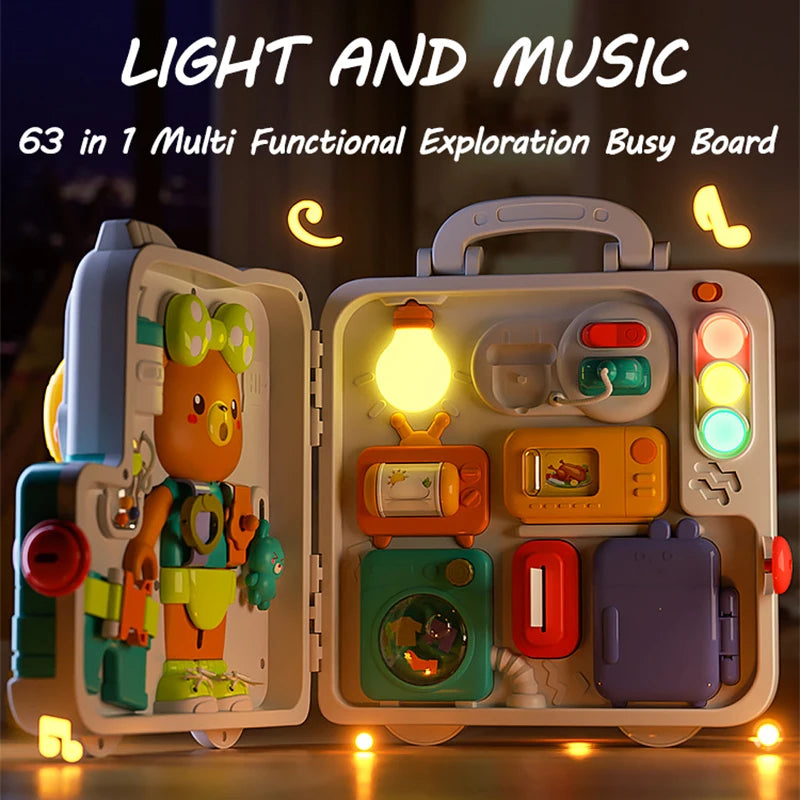
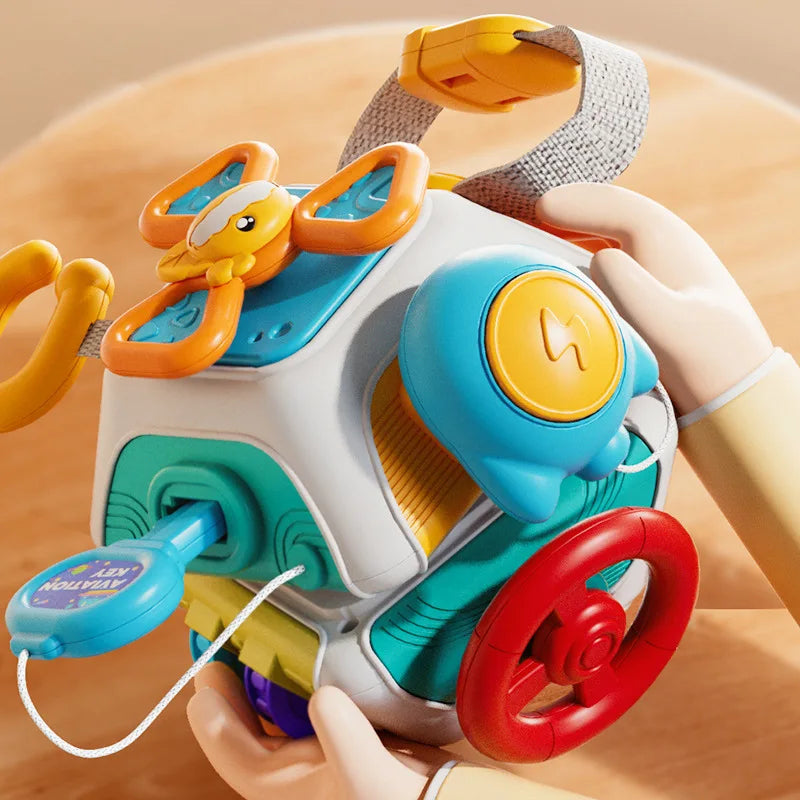
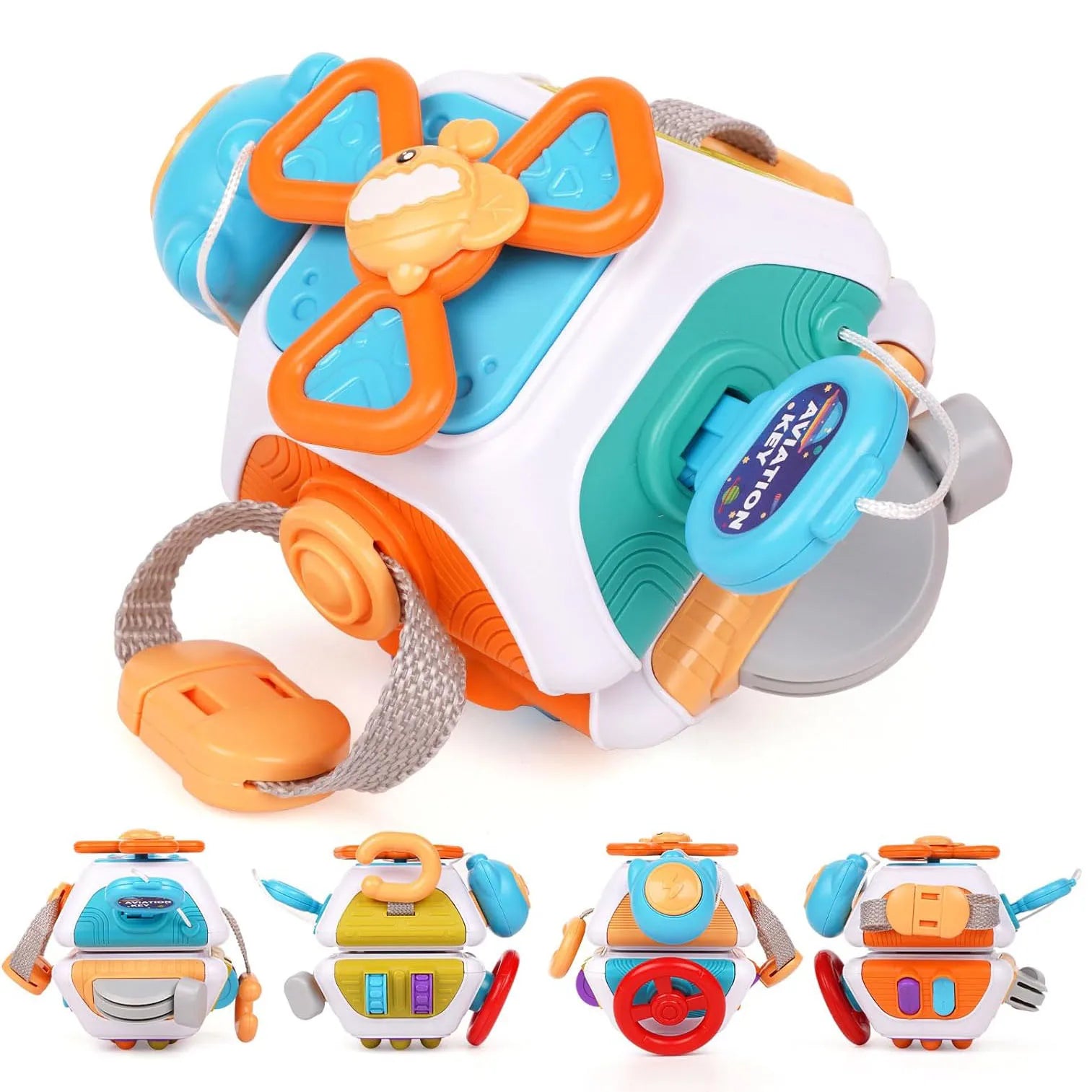
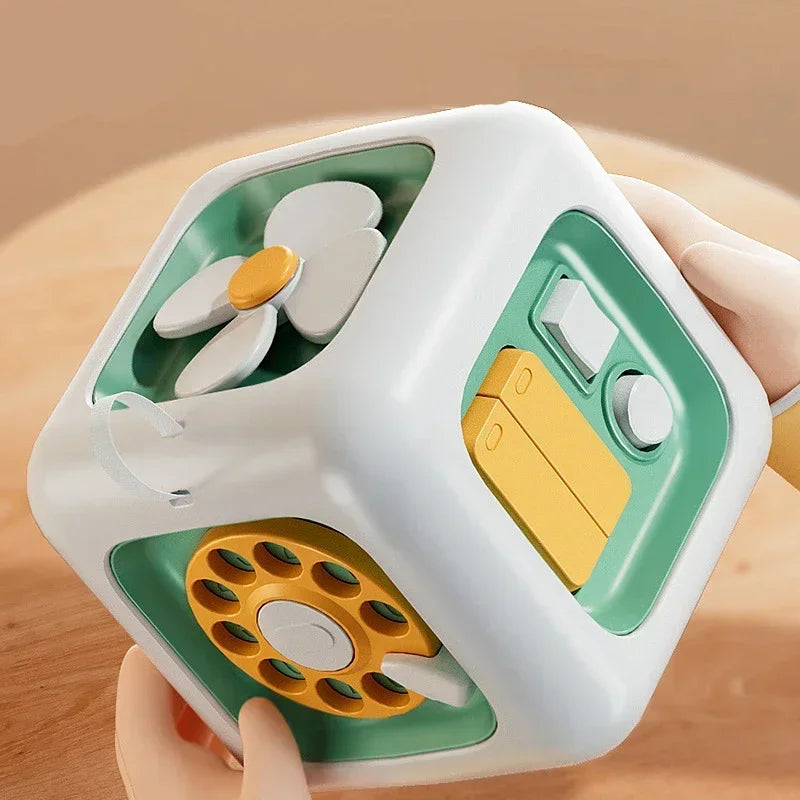
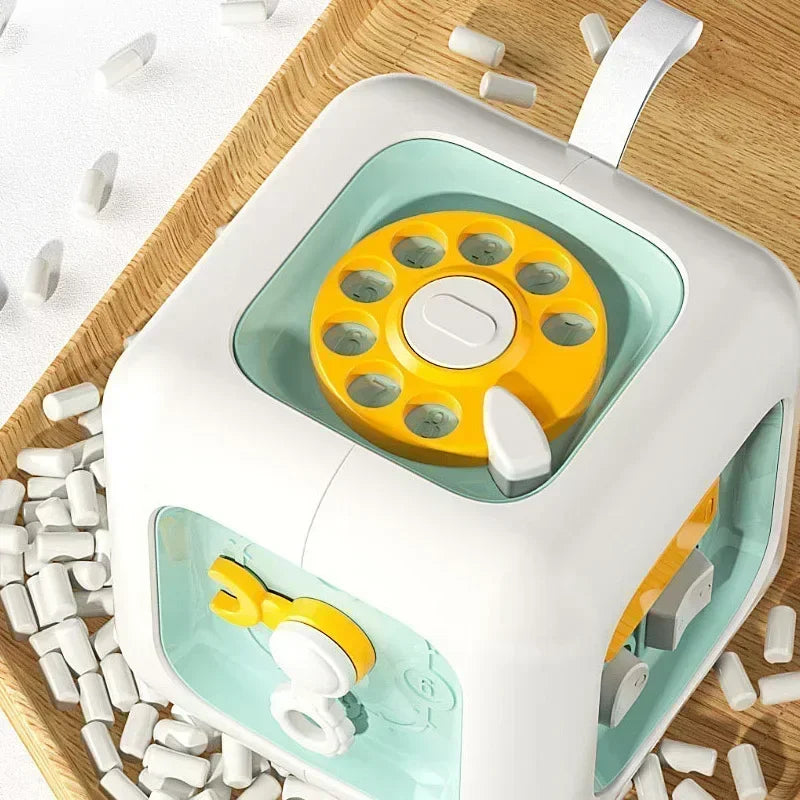
Busy boards suit children who love to open, turn, click and fasten. Felt versions are quiet and portable for car trips and flights. Browse our Montessori busy boards to compare cubes, boards and felt books.
Not every educational toy is a formal Montessori material. Montessori activities are generally purposeful, hands-on and matched to a child’s current stage. Many isolate one main challenge, such as comparing size, matching shapes or completing a practical sequence, so the child can concentrate on how it works. Being made from wood alone does not make a toy Montessori. For a deeper explanation, read what makes a toy Montessori.
Useful distinction: this collection includes Montessori and Montessori-inspired toys. Read the individual listing when you need a particular classroom material, certification, material or age range.

| Feature | What to look for | Why it matters |
|---|---|---|
| Clear purpose | One understandable action such as stacking, sorting, matching, fastening or completing a puzzle | Children can focus on the activity and discover how it works through practice |
| Hands-on participation | Pieces to hold, move, compare, fit, turn or arrange | The child performs the action instead of waiting for the toy to entertain them |
| Appropriate challenge | An activity that is achievable with some effort at the child’s present stage | A suitable challenge can encourage repetition without making the activity needlessly frustrating |
| Materials and construction | Product-specific material details, secure components and care instructions | Materials vary across this collection; check the individual listing rather than assuming every item is wooden |
| Age and safety guidance | Stated age marking, small-parts warnings, supervision guidance and assembly requirements | Suitability depends on the exact product and how the child currently uses toys |
Instead of choosing only by age, watch what your child is trying to do. A current interest in stacking, matching or opening objects can point you to the right activity.
Useful for comparing colour, shape, order and size through repeated physical arrangement. Start with fewer pieces when a full set feels overwhelming.
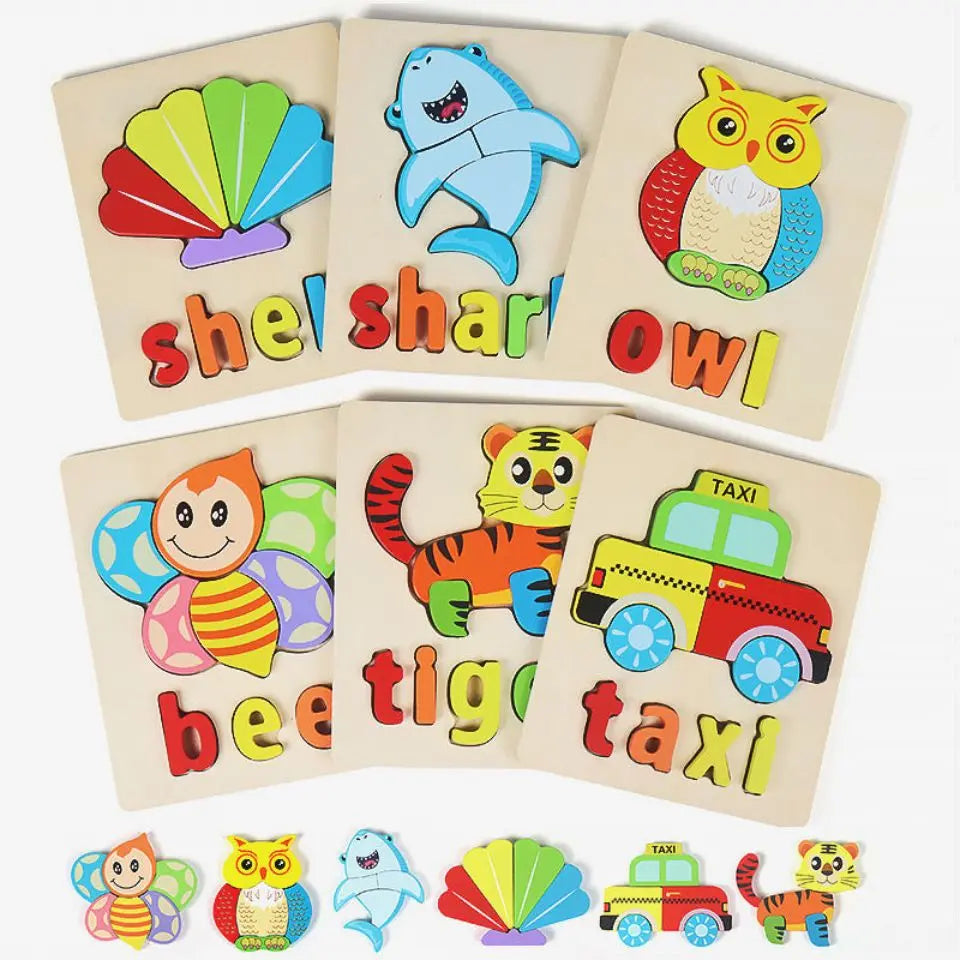
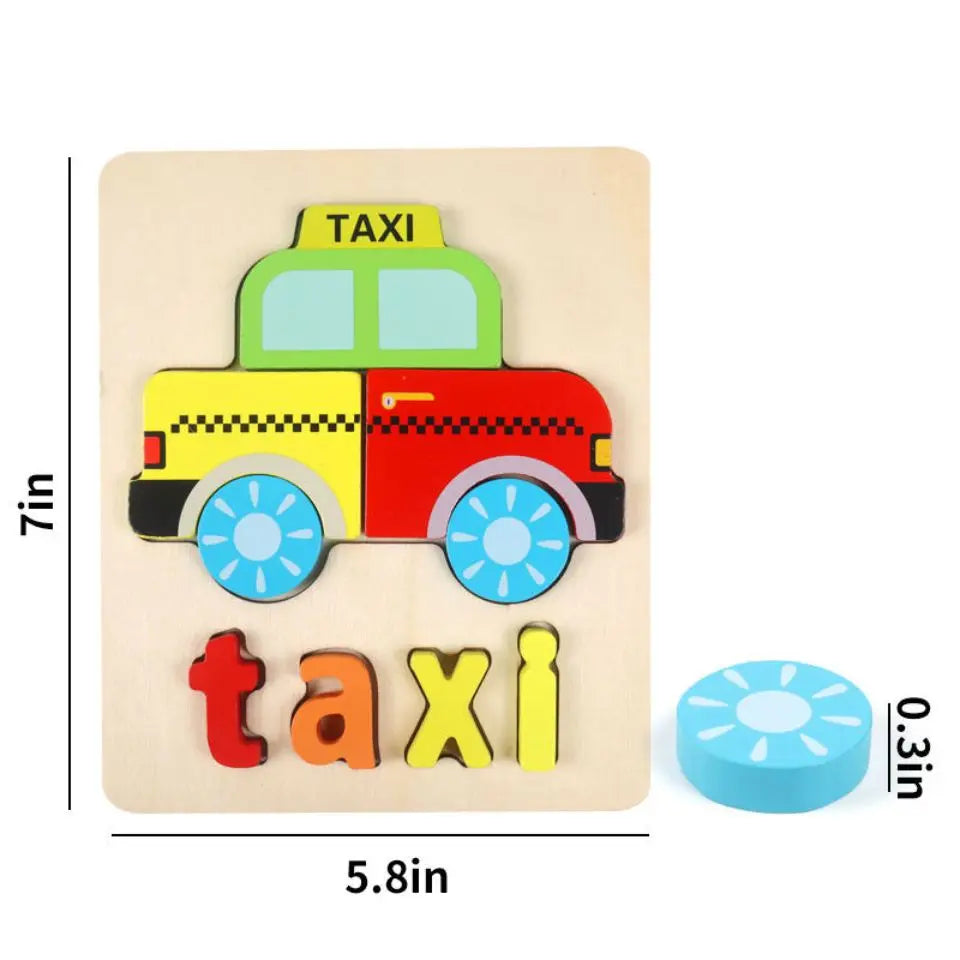
Children compare outlines, orientation and picture details while deciding where a piece belongs. Browse the kids’ puzzle collection for more matching activities.
Zips, buckles, latches and switches invite children to test a sequence again and again. Compare them in our Montessori busy board collection and check that every feature suits the child’s age.
Wood is often chosen for its tactile feel and durability, but construction and finishes vary. Compare details in our Montessori wooden toys collection.
Blocks, figures and construction pieces can be arranged in more than one way. They suit children who enjoy experimenting, building and inventing their own play ideas.
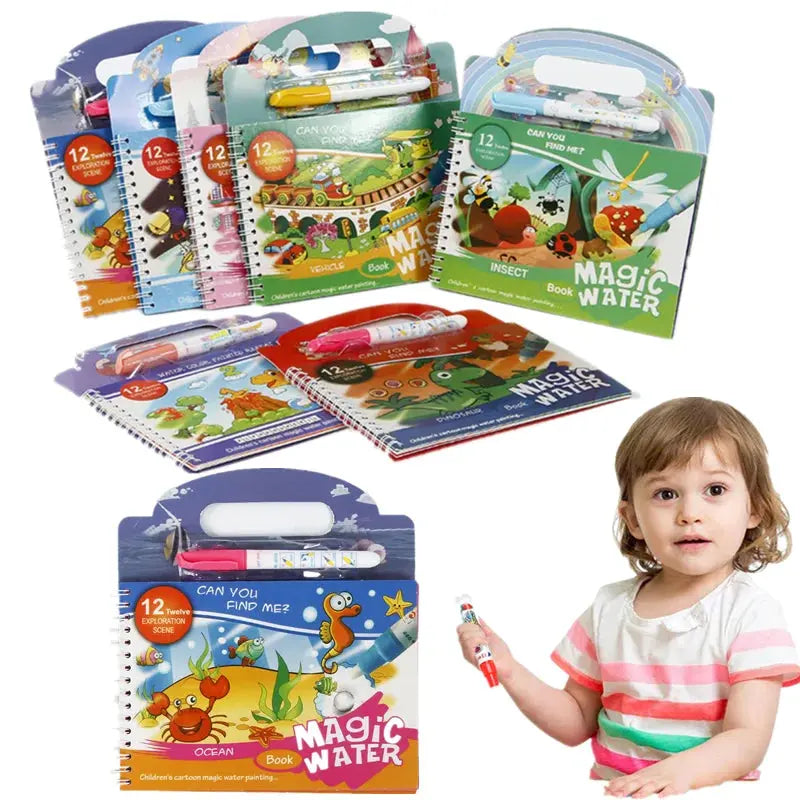
Portable puzzles, felt busy books and compact matching activities give children something purposeful to handle during quiet time or travel, with supervision for loose pieces.
A Montessori-style label does not tell you everything about a product. Compare the actual listing before ordering:
Before first use, inspect the product and count removable pieces. Stop using it if a component cracks, loosens, splinters, separates or exposes a magnet, wire or sharp edge, and follow the instructions and warnings supplied with the item.
Delivery and returns: Toys4us delivers within Australia. Read the shipping policy for dispatch and delivery details and the refund policy for return conditions before you order.
Look for simple posting, stacking and pulling activities that match the age stated on the listing. Check dimensions, materials and small-parts warnings, and keep products labelled for older children out of reach. Our guide to educational toys for 1 year olds has more ideas.
Chunky stacking, shape matching and simple building toys are common choices. Observe what your child already repeats, then choose a slightly more challenging activity with a suitable age label. See our guide to toys for 2 year old toddlers.
Three-year-olds often enjoy lacing, sorting, beginner puzzles and fastening practice with zips, buckles and buttons. Compare Montessori busy boards and wooden activities, and confirm that the age marking suits your child.
Montessori baby toys are simple activities that invite a baby to grasp, reach, look and explore with their hands. Always follow the product’s stated age range, check for small parts and supervise play. Our guide explains whether Montessori toys are safe for babies.
Montessori materials generally ask the child to perform a purposeful action, such as sorting, stacking or matching. Many conventional toys are designed mainly to entertain. The distinction is not absolute, so look at how the specific activity works rather than relying on its label.
Not necessarily. A formal Montessori material is designed for a recognised activity and presentation. “Montessori-inspired” is a broader retail term for toys that may use principles such as hands-on participation, simplicity or practical skill practice.
No. Wood is common because it is tactile and durable, but material alone does not make a toy Montessori. A purposeful activity, a clear challenge and age-appropriate design matter too. Compare options in our Montessori wooden toys collection.
Traditional Montessori materials emphasise direct, hands-on action and usually do not need electronic rewards. Always check the individual listing, because this broader collection includes some Montessori-inspired products with lights or other electronic features.
Many can. Puzzles, blocks, sorting activities and practical-life boards invite physical participation without an app or screen. Check whether the specific product includes electronic features before buying.
Toys4us sells Montessori and Montessori-inspired educational toys online to Australian shoppers. Browse the products above, explore our Montessori wooden toys and Montessori busy boards, then open each listing for current availability, price, specifications and delivery information.
Compare wooden toys, busy boards and puzzles by age, then check the individual product details before you choose. Not sure which style suits your child? Start with our Montessori busy boards or the wooden range.
Shop Montessori wooden toys