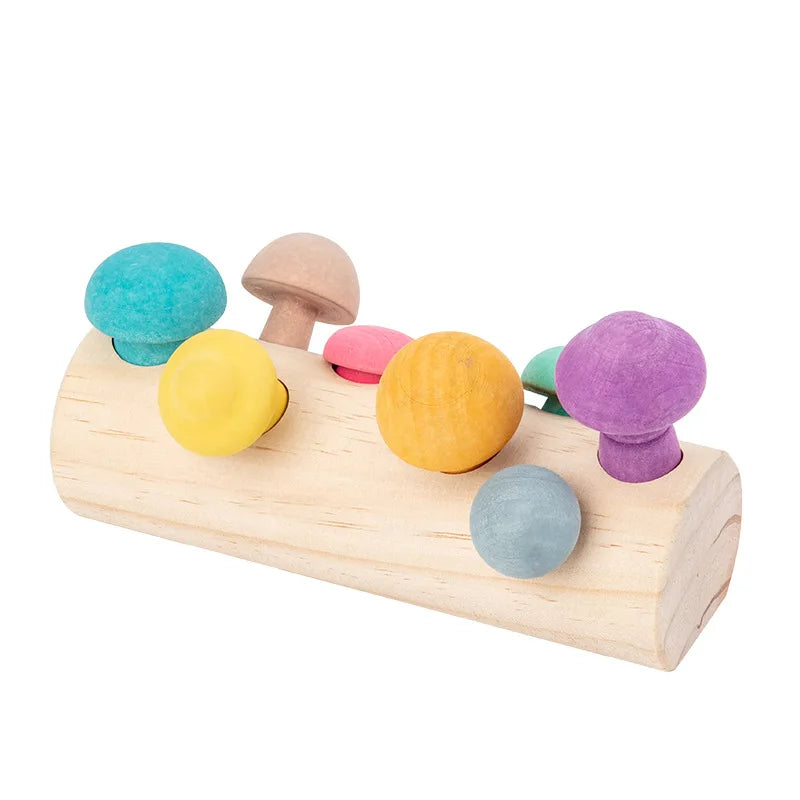
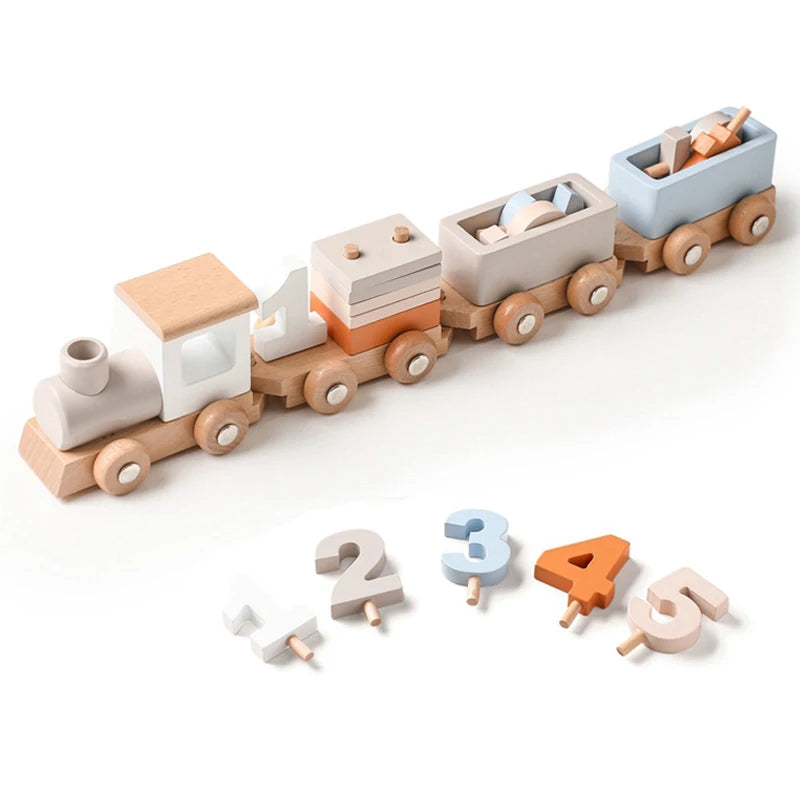


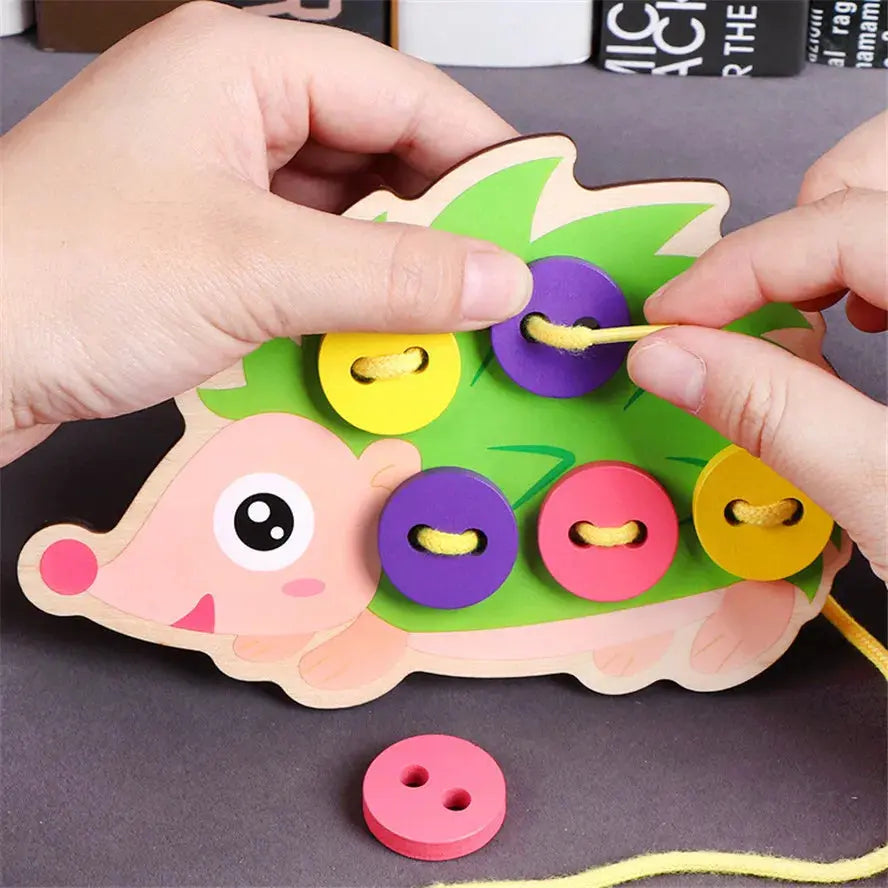
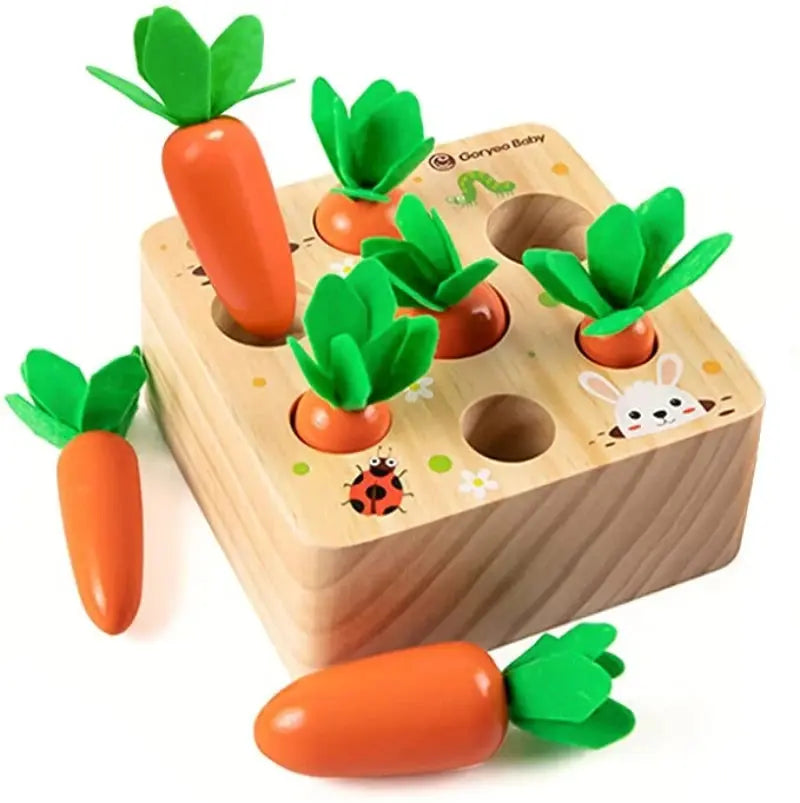

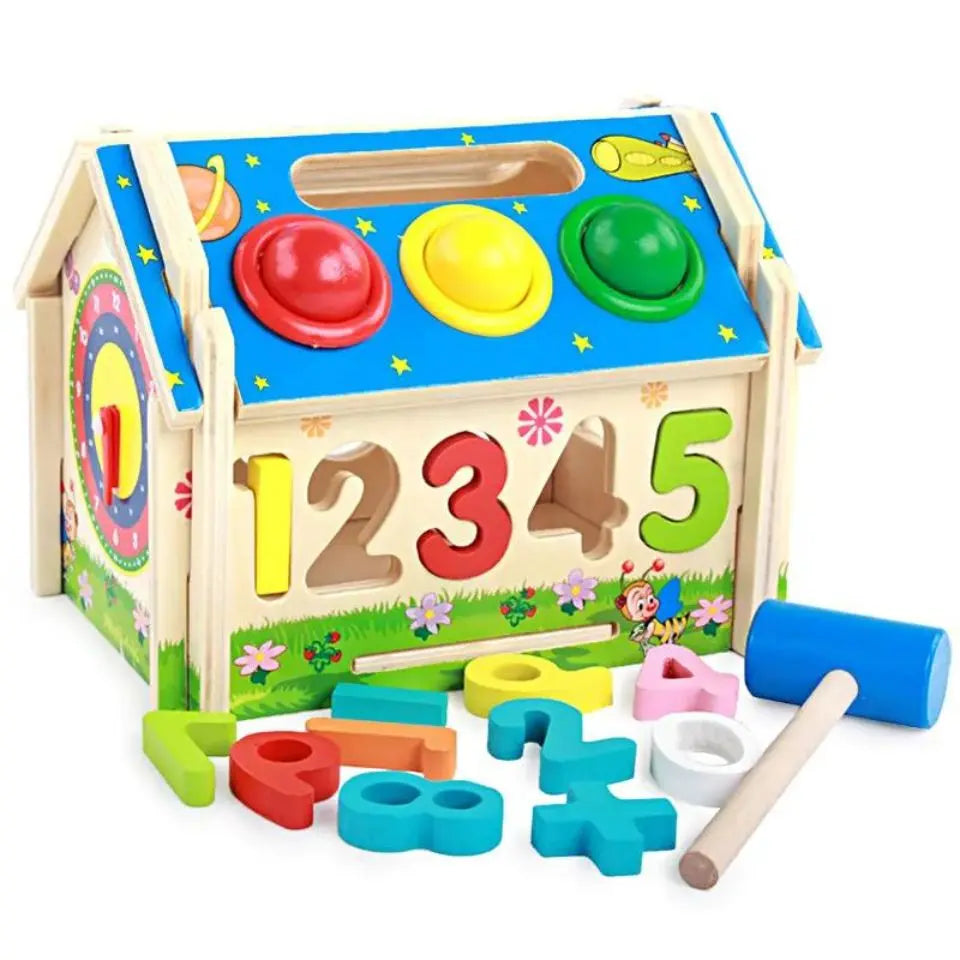
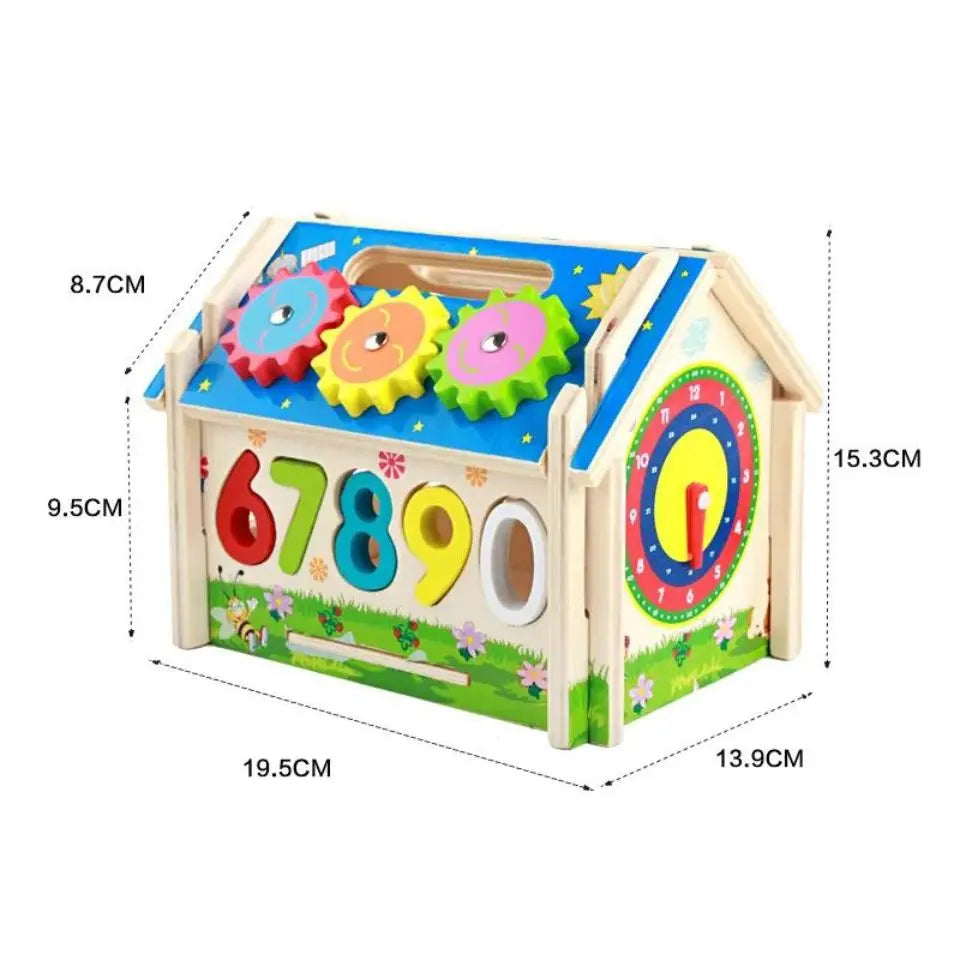
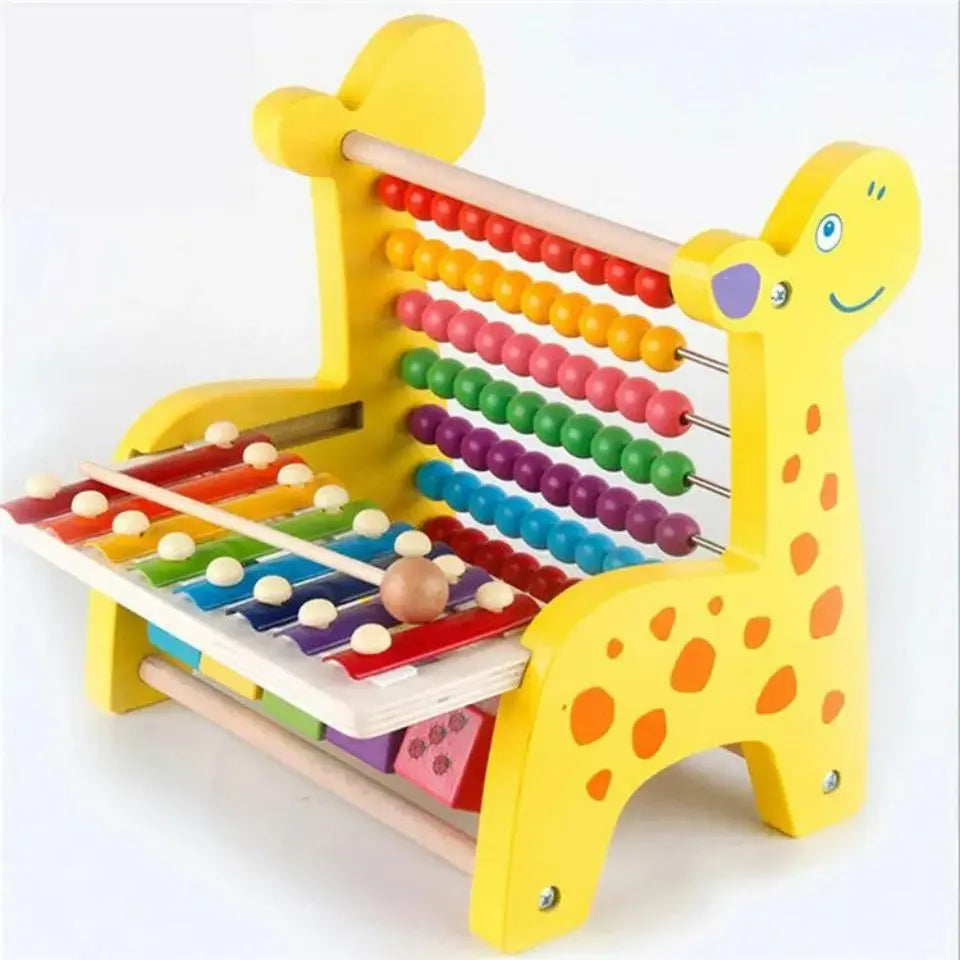
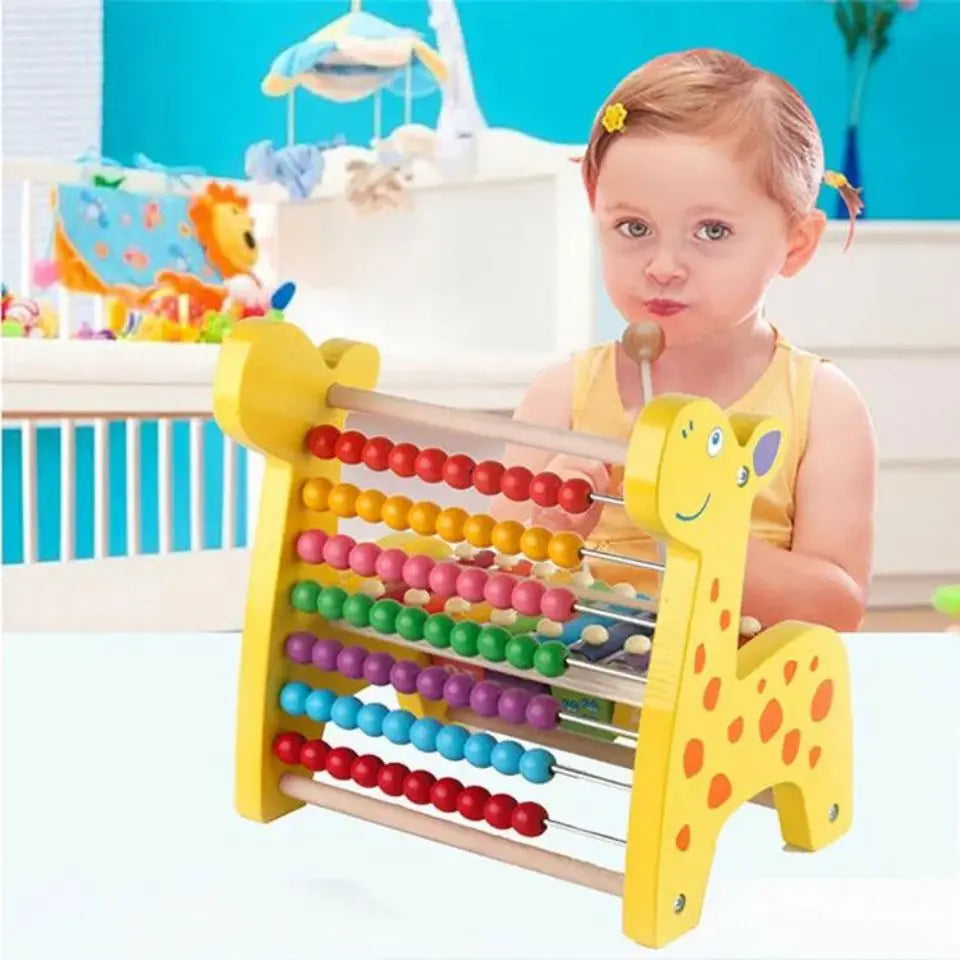


Real Sensory Feedback
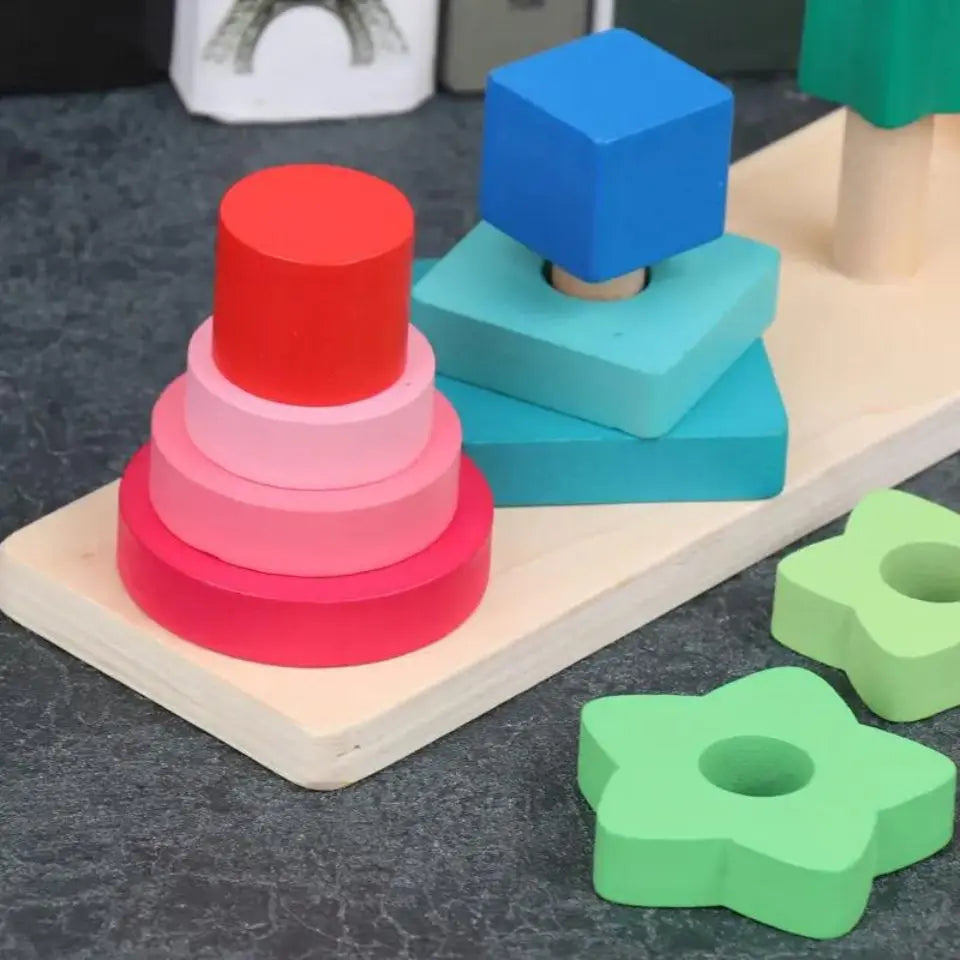
Weight, grain and texture give a child more information through touch than a smooth plastic surface does, which supports the sensory-exploration side of Montessori play.
Showing 1 -20 of 20 items
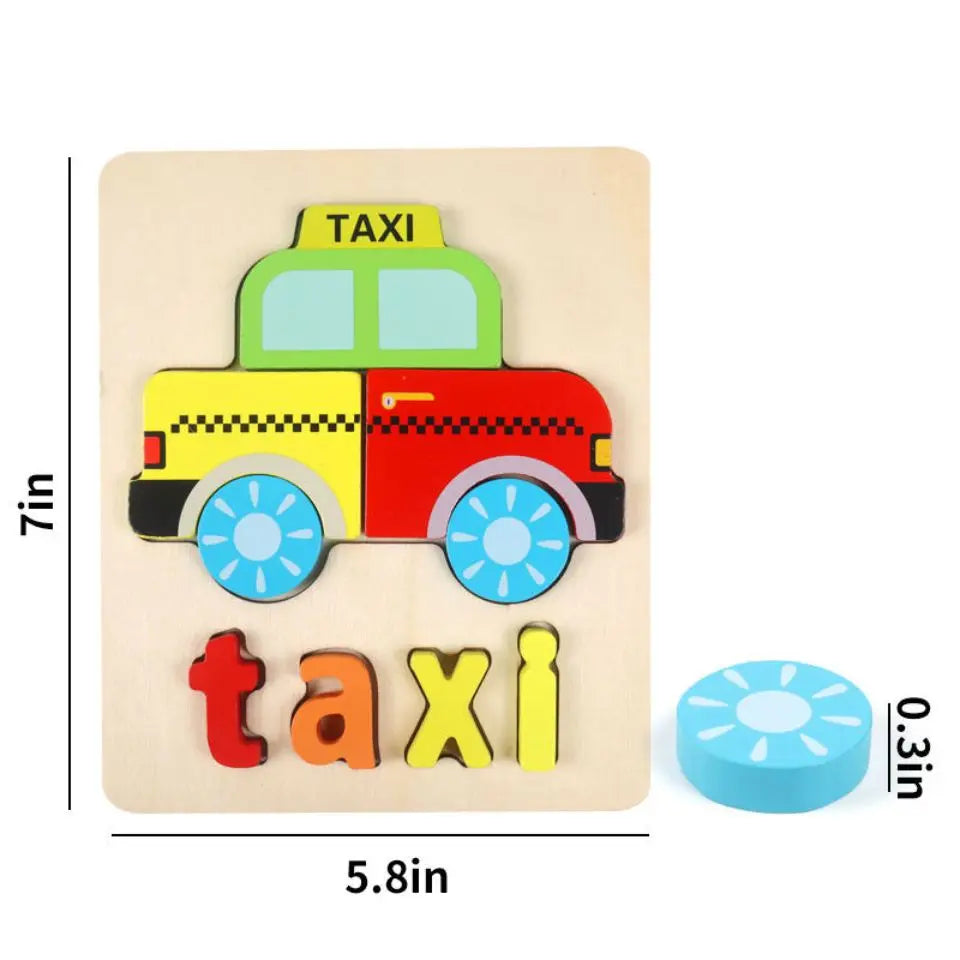
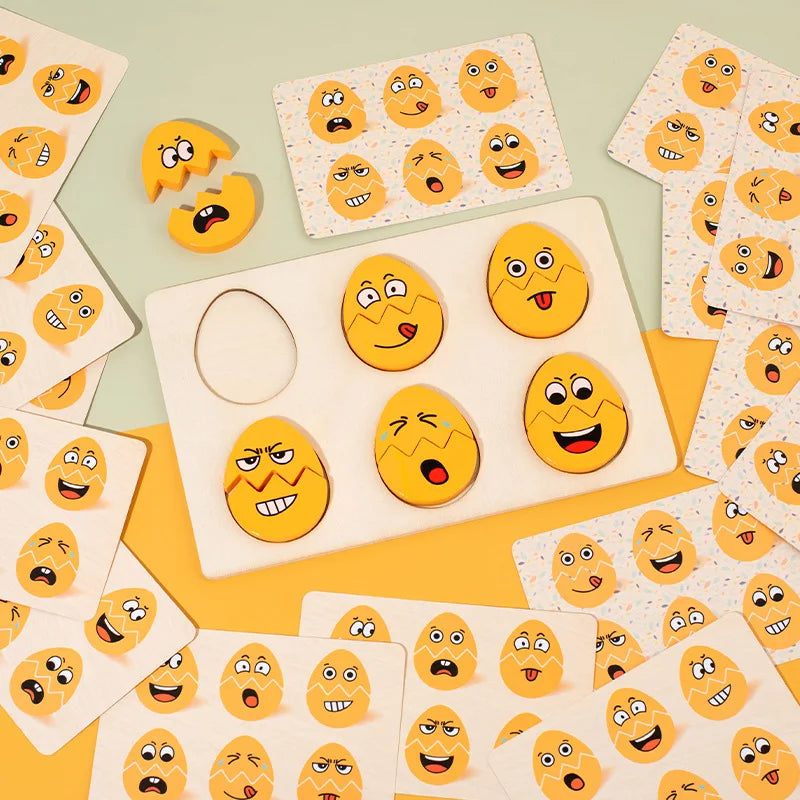
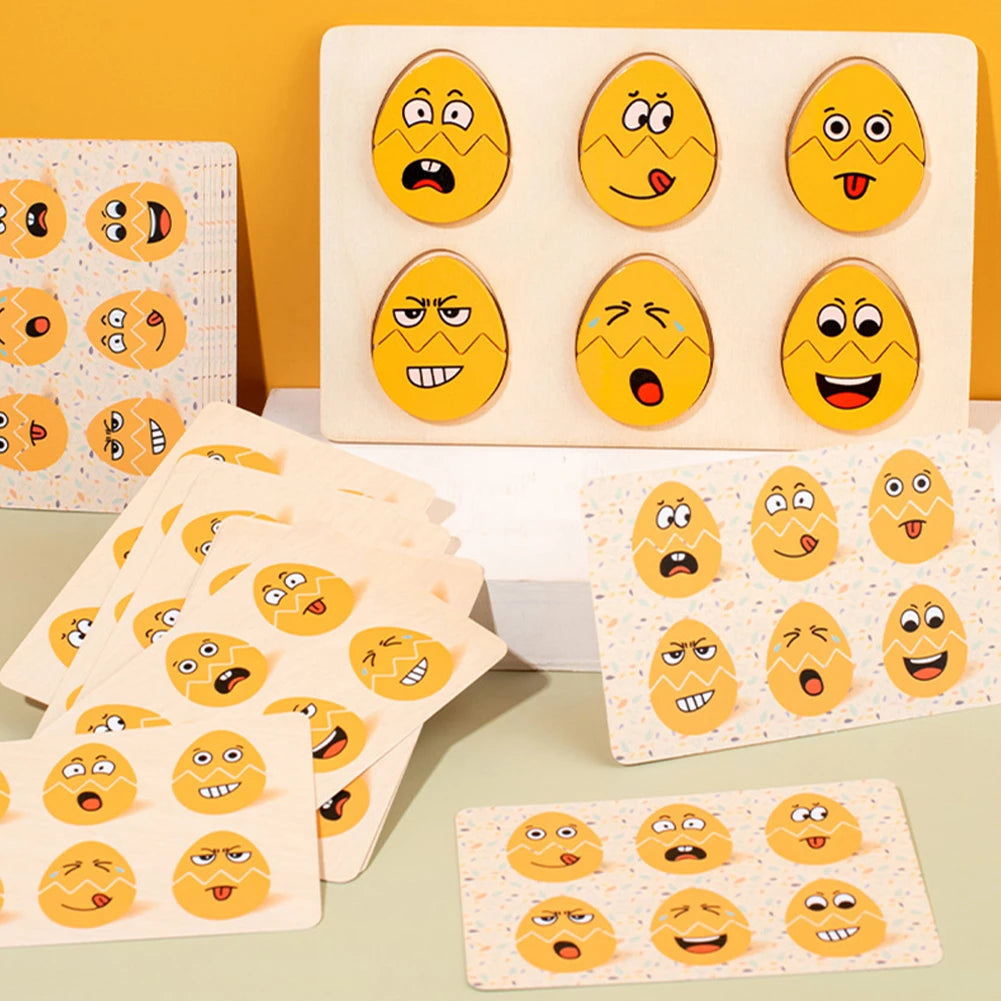
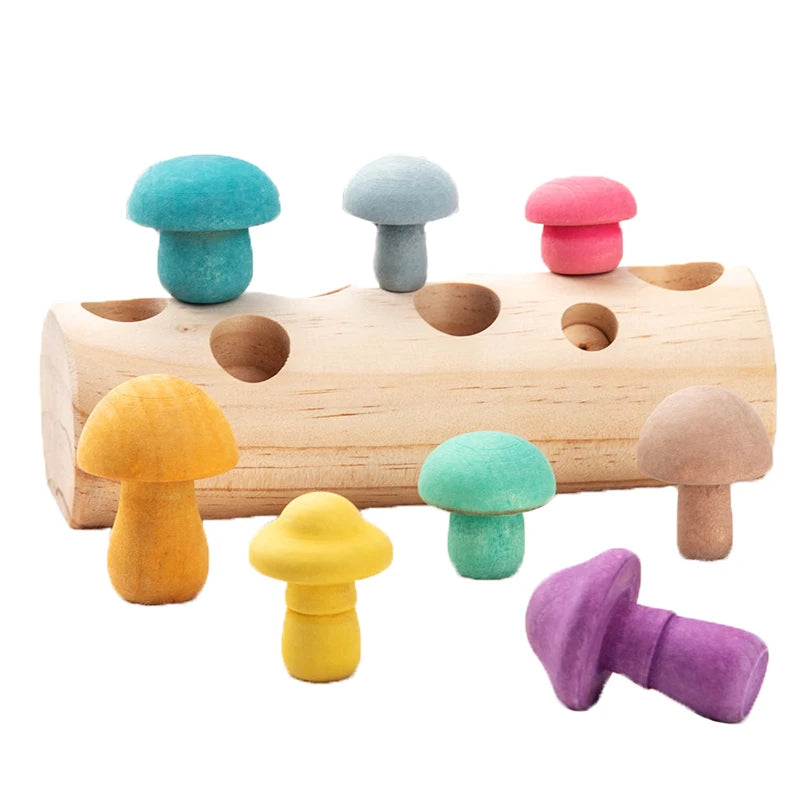
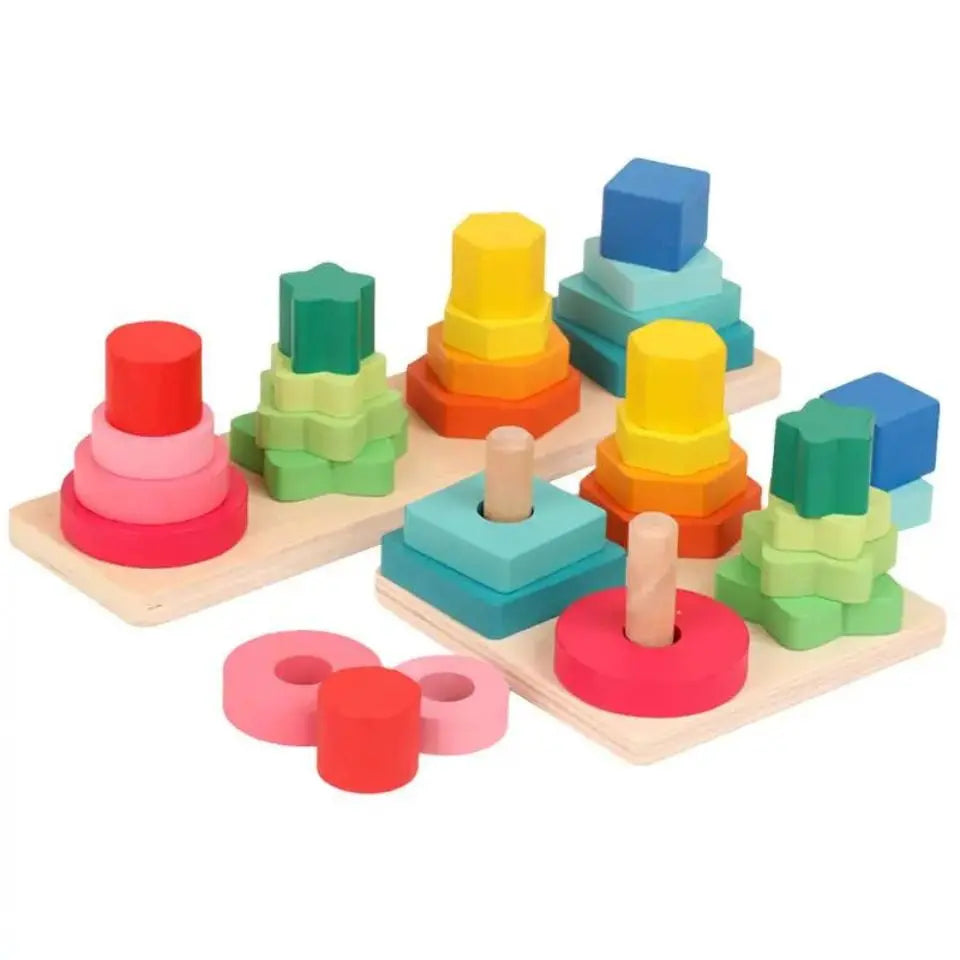
Montessori wooden toys are simple, natural-material toys designed for one skill at a time – stacking, sorting, threading, matching – so a child can work things out with their own hands instead of watching a screen do it for them. Every toy in this collection is solid wood or wood-based, built around open-ended, self-correcting play rather than flashing lights or pre-set electronic responses.
Whether you’re after a first birthday gift, something calm for a toddler’s busy hands, or a genuine skill-builder for a 2 or 3 year old, this range sits alongside our full Montessori toys Australia collection so you can shop by material as well as by age. Free AU shipping is available over $100, and every toy is checked for safe, age-appropriate use before it’s listed.
Not every wooden toy is a Montessori toy, and not every Montessori toy is wooden – but the two overlap heavily because wood naturally supports the three things the Montessori method asks for: real sensory feedback, one clear skill per toy, and a built-in way for a child to see their own mistake and try again without an adult stepping in.
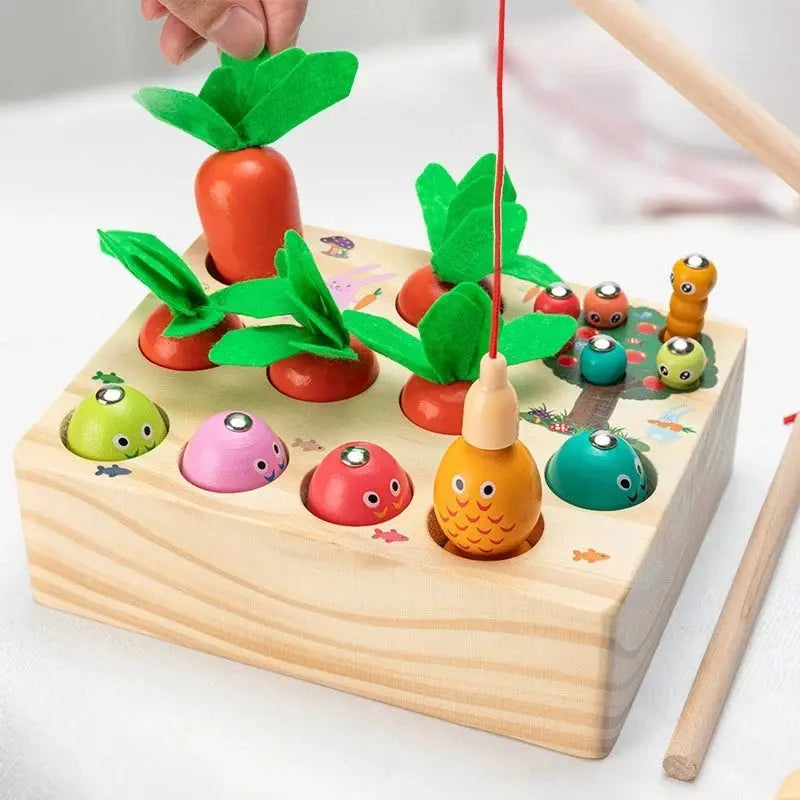
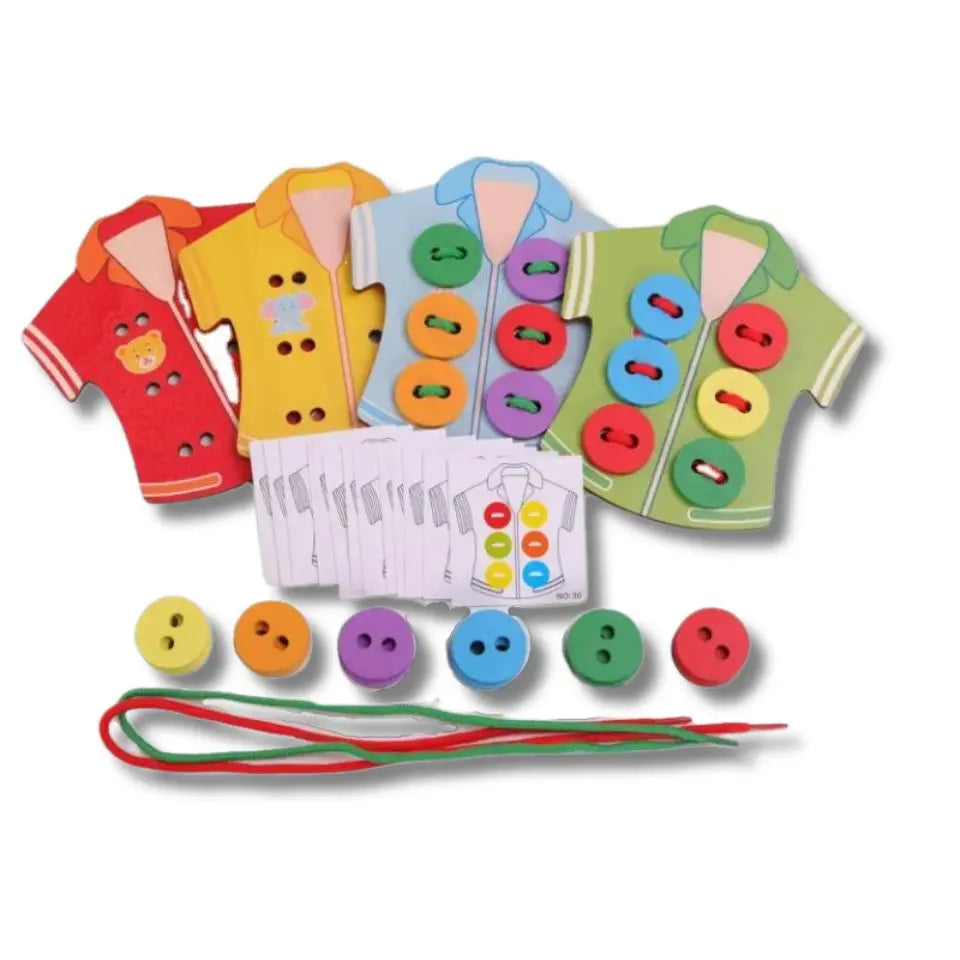
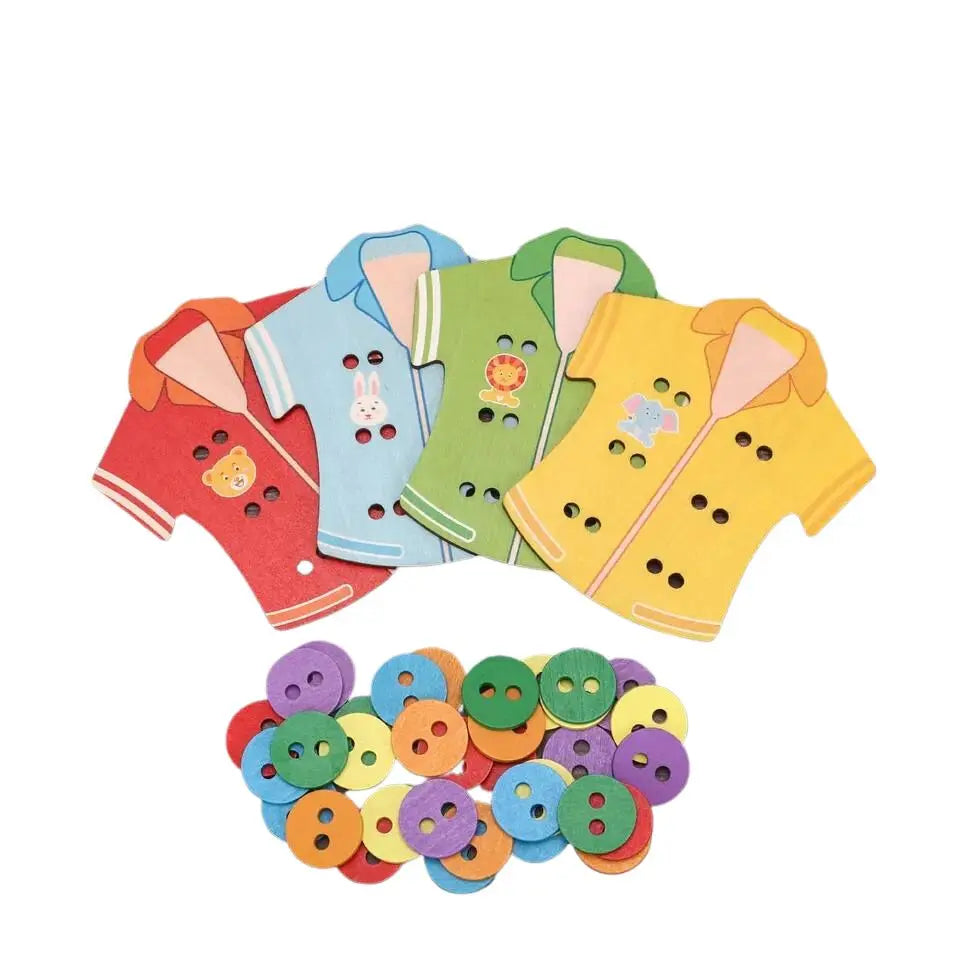
A wooden stacking toy, for example, has weight, grain, and a bit of resistance – a child feels when a piece is balanced or about to tip, which plastic and light composite versions don’t offer in the same way. A wooden lacing board only works when the string actually threads through the hole, so the toy corrects itself instead of buzzing or lighting up regardless of whether the child got it right. That’s the core idea behind every wooden montessori educational toy in this collection: the material does part of the teaching.
Parents often land on this collection after comparing wooden and plastic options side by side – if you want the fuller breakdown, we’ve written up the trade-offs in detail in wooden toys vs plastic toys. In short, here’s what wood adds to Montessori-style play specifically:
Weight, grain and texture give a child more information through touch than a smooth plastic surface does, which supports the sensory-exploration side of Montessori play.
Solid wood toys generally outlast plastic equivalents through years of drops, chewing and rough handling, which matters if you’re buying with a sibling or a future hand-me-down in mind.
No batteries, lights or pre-recorded sounds means the child sets the pace, not the toy – a big part of why wooden educational toys are the default choice in most Montessori-inspired homes and classrooms.
A wipeable, sealed wooden surface is simple to keep hygienic between uses, which matters for anything that ends up in a toddler’s mouth during the early exploration stage.
Our broader wooden toys collection covers everything from puzzles to musical instruments if you’re shopping by material first and want to see the full wooden range beyond the Montessori-specific picks below.
The right montessori wooden toy depends heavily on what a child’s hands and attention span can actually do right now. Here’s how we’d shop this collection stage by stage.
At this stage, look for large, easy-to-grip pieces with no small parts – chunky stacking blocks, simple shape sorters and push-along wooden toys that build grip strength and cause-and-effect understanding. Nothing should rely on fine pincer control yet.
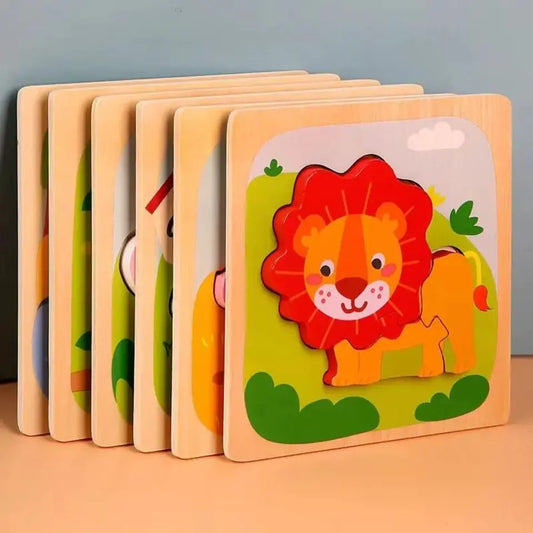
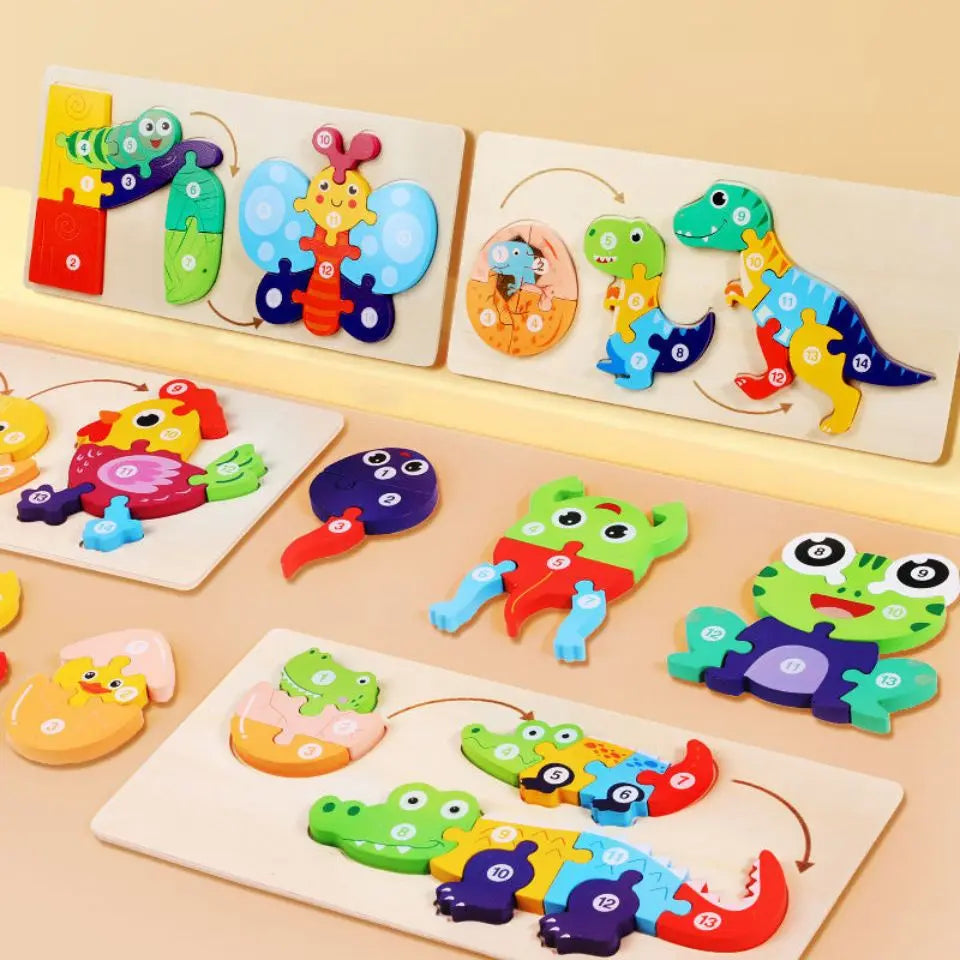
Toddlers are ready for toys with a bit more challenge – matching and sorting boards, simple wooden puzzles and threading toys that build patience and fine motor control while still being forgiving if a piece goes in the wrong spot.
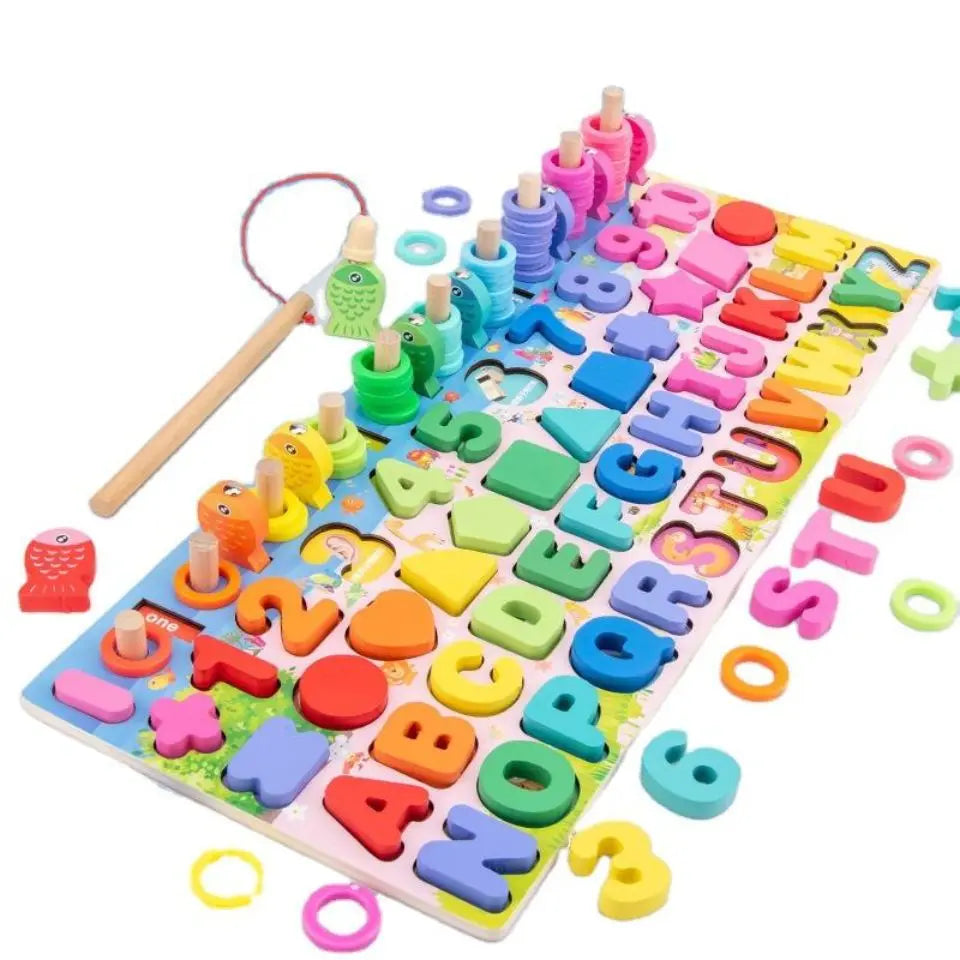
Two-year-olds are building language and early counting alongside motor skills, so this is a good age for wooden toys that combine a physical task (sorting, lacing, matching) with early numbers, letters or colour recognition built in.
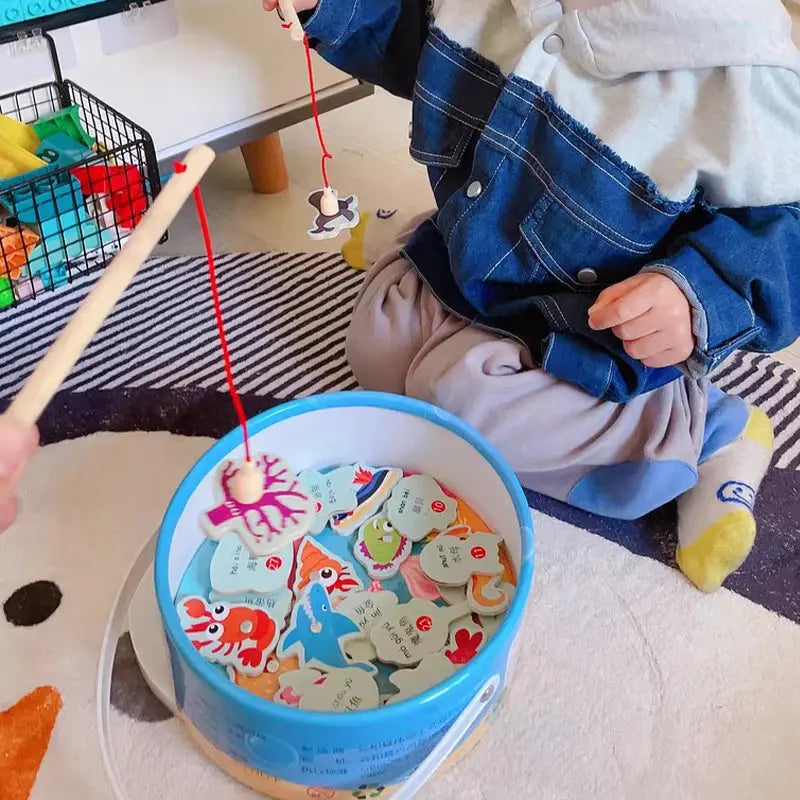
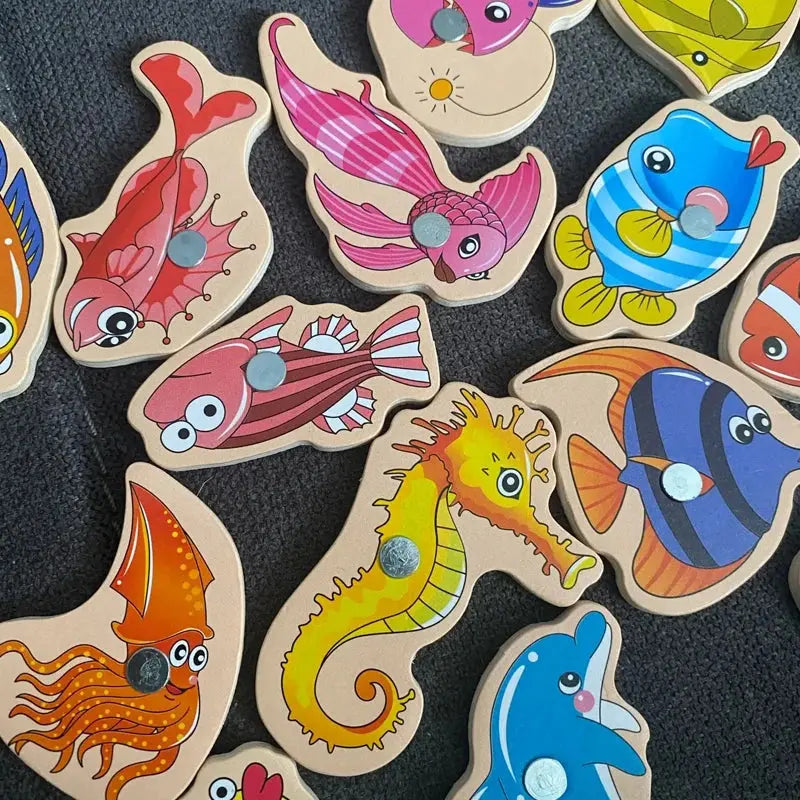
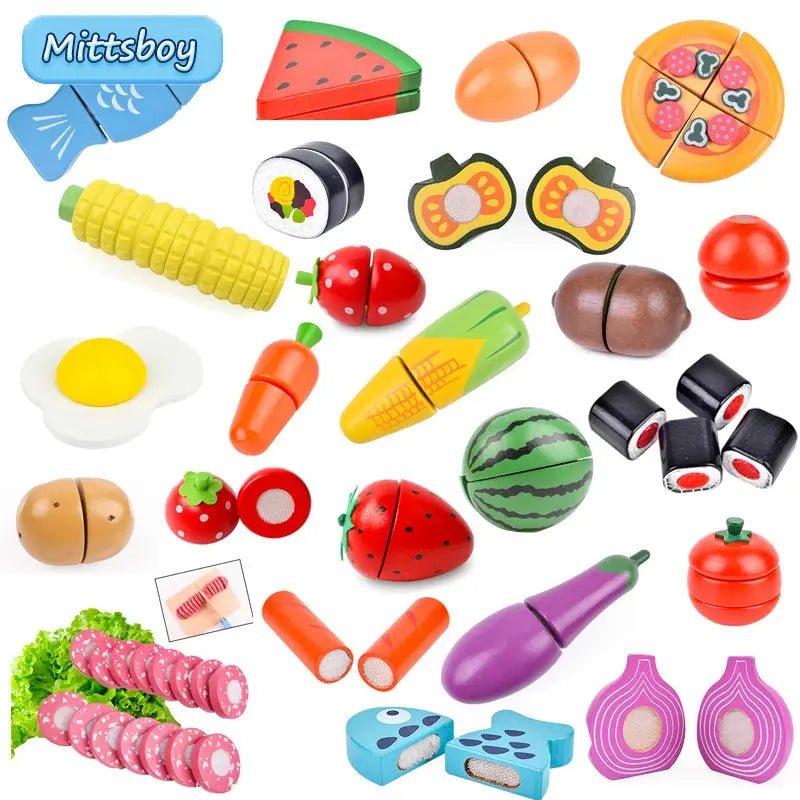
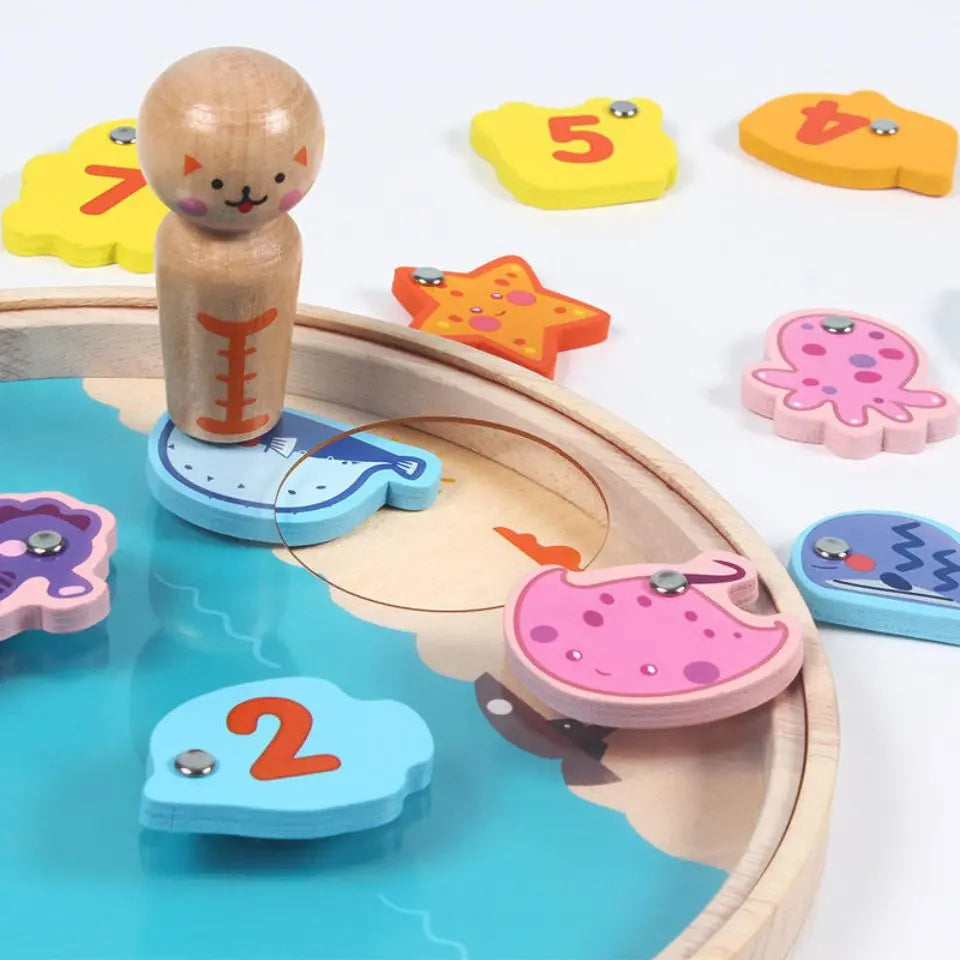
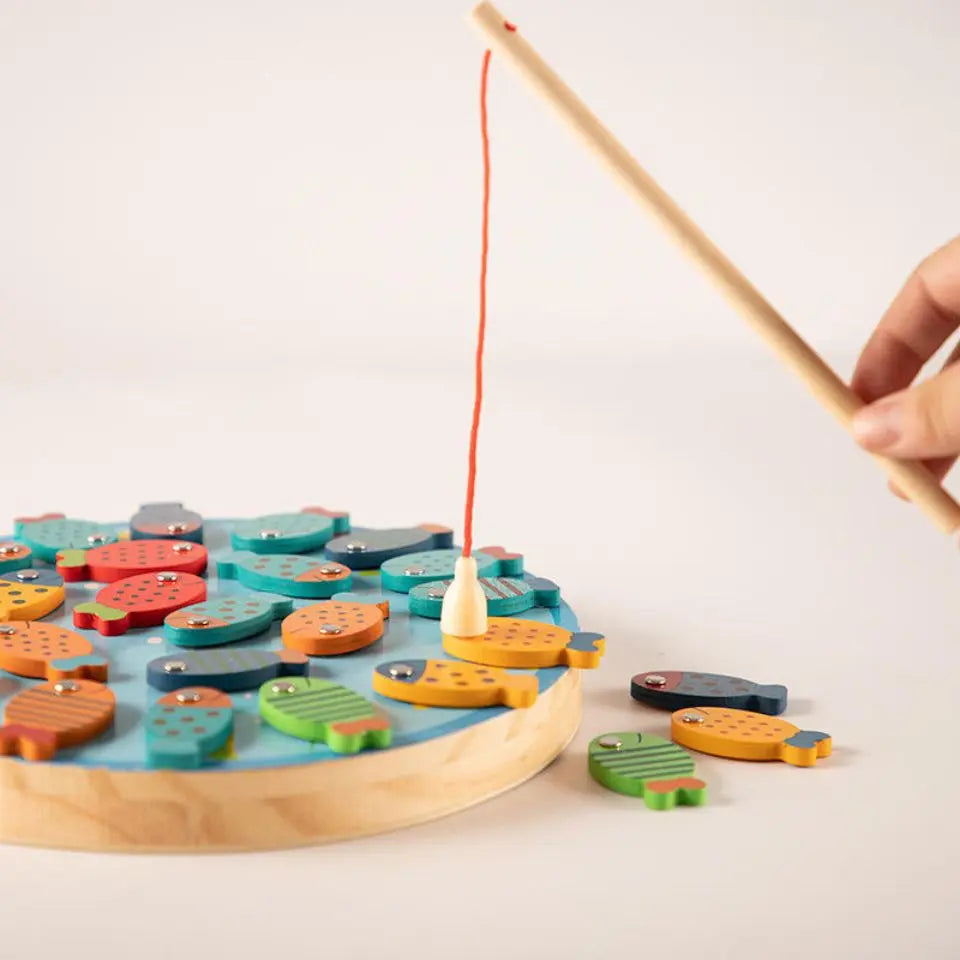
Three-year-olds can usually handle more pieces and longer, multi-step activities – wooden puzzles with 20–30+ pieces, multi-column sorting sets and role-play toys like wooden kitchen or fishing sets that combine imaginative play with skill practice.
For preschool and early school-age children, wooden toys can move into genuine learning tools – abacuses, fraction and maths puzzles, spelling games and detailed 3D puzzles that keep the same hands-on Montessori approach but with real academic value.
Buying for a baby or a first birthday? We cover material safety, choking-hazard checks and what to avoid in more detail in are Montessori toys safe for babies – worth a read before you buy for anyone under 18 months.
| Age Stage | Skills Practised | What to Look For |
|---|---|---|
| 1 year old | Grip strength, cause & effect, early stacking | Large pieces, no small parts, simple single-step toys |
| Toddler (1–3) | Fine motor control, patience, matching | Sorting boards, chunky puzzles, threading toys |
| 2 years old | Early counting, colour & shape recognition, language | Toys combining a physical task with numbers or letters |
| 3 years old | Multi-step problem solving, imaginative play | Larger puzzles, role-play sets, multi-column sorters |
| Kids (preschool+) | Early maths, spelling, spatial reasoning | Abacuses, fraction/maths puzzles, detailed 3D puzzles |
Most families start from around 6–12 months with large, simple wooden pieces like chunky stackers, moving on to sorting and threading toys once a child is walking and starting to use a pincer grip, usually from 12–18 months.
Neither is automatically “better” – wood tends to offer richer sensory feedback and more durability, while plastic can be lighter and cheaper for very young babies. We break down the full comparison in wooden toys vs plastic toys.
Wipe with a barely damp cloth and a mild, non-toxic cleaner, then dry immediately – avoid soaking solid wood toys or putting them in the dishwasher, as prolonged moisture can warp or crack the wood and damage the finish.
A Montessori toy is designed around one specific skill and lets the child see and correct their own mistakes without adult intervention. A general educational toy may teach a concept but often relies on lights, sounds or an adult prompting the “right” answer instead.
Fewer than most parents expect. A small rotation of 4–6 toys matched to your child’s current stage, swapped out every few weeks, generally holds attention better than a large pile of toys available all at once.
Yes, provided the toy is solid wood with a sealed, non-toxic finish and has no small or detachable parts. See are Montessori toys safe for babies for a full safety checklist before buying for a baby under 12 months.
Browse the full range below and filter by age to find the right wooden Montessori toy for your child’s stage. Looking for sensory boards instead? Check out our Montessori busy board collection for panel- and cube-style sensory play.
Shop the Collection