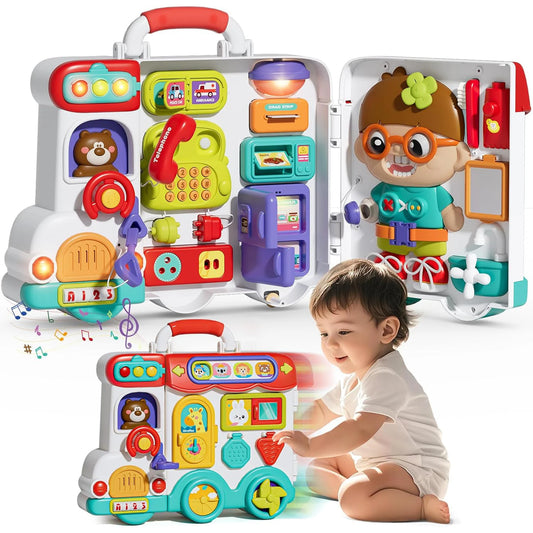
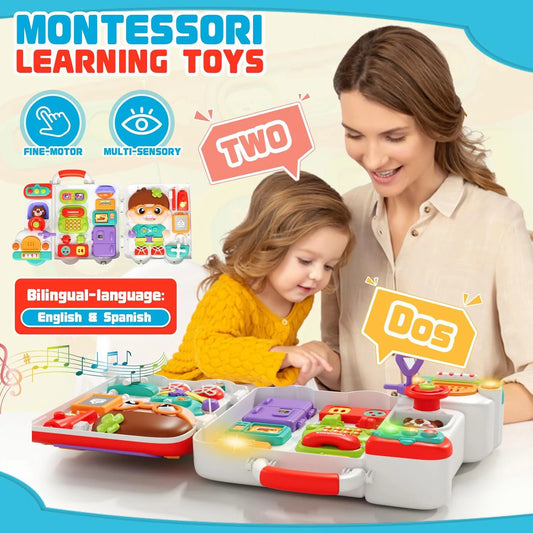
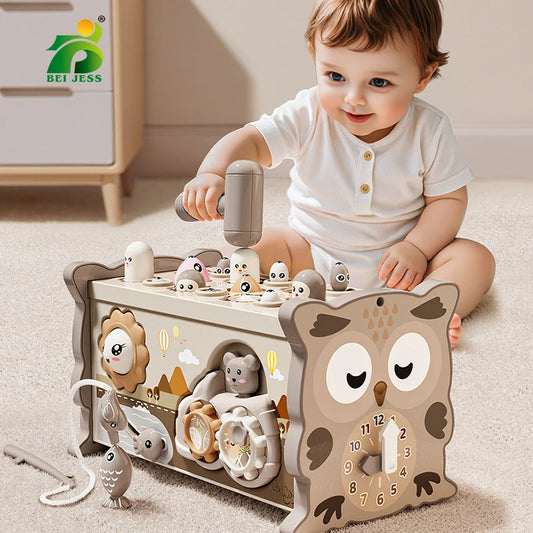
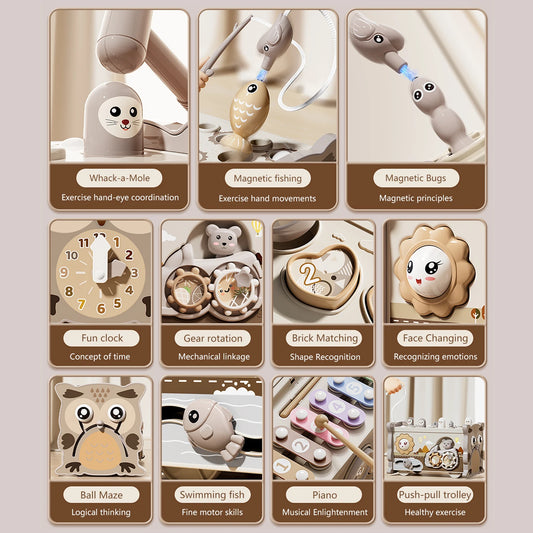
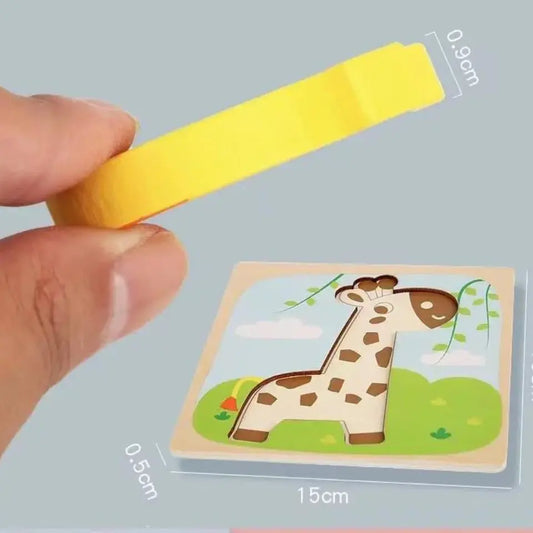
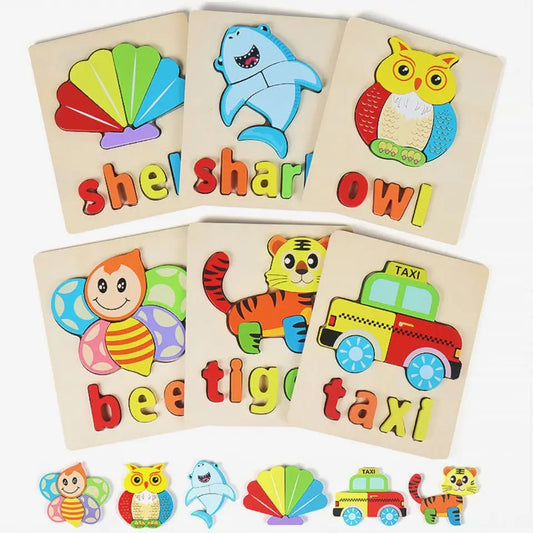
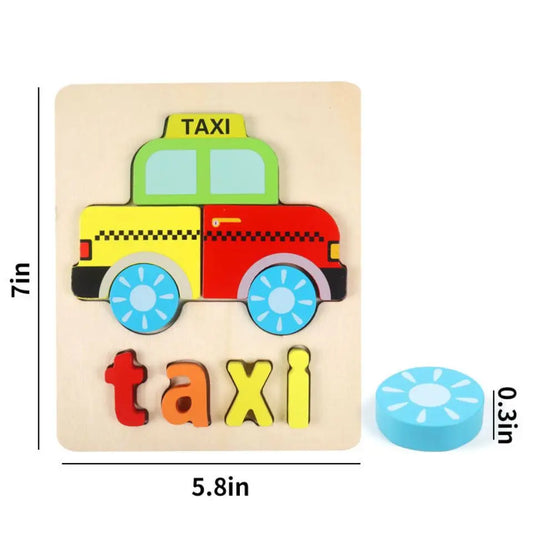

The best educational toys for 1-year-olds are usually simple toys that encourage children to do something themselves: stack, post, turn, push, pull, open, close, listen, look, match or repeat an action. Around the first birthday, “educational” does not need to mean alphabet buttons, flashing lights or formal teaching. A well-chosen toy provides an age-appropriate action to explore, a manageable challenge and plenty of opportunities to repeat what interests the child.
| What to look for | Why it matters at age one | Examples |
|---|---|---|
| Simple repeatable action | Lets the child explore the same action in different ways | Stacking cups, posting toys, push-button toys |
| Suitable challenge | Keeps play achievable without making every result automatic | Large shape sorters, simple inset puzzles |
| Easy-to-hold pieces | Supports active handling and manipulation | Large blocks, chunky puzzle pieces |
| Cause and effect | Helps children notice that their actions produce results | Pop-up toys, rolling balls, simple musical toys |
| Movement opportunities | Adds active play as mobility develops | Push toys, pull toys, rolling toys |
| Safe age grading | Helps identify products designed for this stage | Toys specifically marked for the child's age |
| Easy cleaning and inspection | Important because toys may be mouthed, dropped and thrown | Washable plastic, sealed wood, sturdy books |
Parents looking for broader ideas can also compare Choosing the Best Toys for 1 Year Old Toddlers with Best Educational Toys for Toddlers: Development Guide for Ages 1-3. This guide focuses more narrowly on how the child interacts with a toy and how to choose a suitable learning-oriented play experience during the 12–23-month stage.

What Are the Best Educational Toys for One-Year-Olds?
Good educational toys for 1-year-olds generally allow the child to explore a clear action rather than simply watch the toy perform. Stacking cups, posting boxes, chunky puzzles, board books, simple cause-and-effect toys, push-and-pull toys and basic pretend-play objects can all provide useful play opportunities when they match the child's current abilities.

There is no single best category for every child. A toy that fascinates a 13-month-old who enjoys putting objects into containers may be less interesting to an 18-month-old who currently wants to push, carry and imitate household activities. When comparing educational toys for 1 year old Australia options, look beyond the product label and focus on what the child can actually do with the toy.
What “Educational” Means at This Age
At this age, educational play is largely about active exploration. A child might repeatedly put a ball into a hole, knock down a block tower, turn the pages of the same book or press a button to hear a sound. These simple actions allow the child to explore relationships such as in and out, up and down, before and after, same and different.
A toy does not become more educational simply because it contains numbers, letters or electronic features. Likewise, a plain wooden object is not automatically educational. What matters more is whether the toy invites participation, repetition, exploration and interaction at an appropriate level of difficulty.
Quick Selection Checklist
Before buying learning toys for one year olds, check the manufacturer's exact age recommendation, the child's current interests, the main play action and how difficult that action is. Consider the size and number of pieces, whether there are magnets or batteries, cord length, overall weight, how the item is cleaned and whether it will be practical to store.
Also imagine how a one-year-old is likely to use the toy rather than how the packaging demonstrates it. At this age, toys can be mouthed, dropped, carried, banged together, pushed across the floor or used in unexpected ways. A good buying decision considers real toddler behaviour as well as the intended activity.
Related Products
Choose Within the One-Year-Old Stage
The difference between a newly turned one-year-old and a child approaching their second birthday can be substantial, so age alone should not determine the purchase. Use the manufacturer's age information first, then consider the child's current abilities, interests and preferred types of play.
The age ranges below are useful for thinking about progression, but they are not developmental deadlines. Children do not acquire interests or abilities according to an identical timetable, and a toy does not need to push a child towards the next milestone to be worthwhile.
Around 12 to 15 Months
Simple activities with an obvious result are often practical choices during this period. Large stacking cups, easy posting activities, rolling balls, sturdy books and containers that can be filled and emptied provide opportunities to grasp, release, carry and repeat actions.
Choose toys with relatively few pieces and a clear purpose. A complicated sorter containing many similar openings may create unnecessary difficulty, while a simpler version with large pieces can make exploration easier.
Around 15 to 18 Months
As children become more confident manipulating objects, they may enjoy toys that add a small extra step. Simple shape sorters, chunky puzzles, stacking rings, push-and-pull toys and toys that require turning, opening or pressing can provide interesting challenges.
This can also be a useful stage for introducing basic pretend objects such as a toy cup, spoon, phone or animal figure, provided every item is appropriately age-rated. The goal is not to teach a scripted game but to give the child objects that can be explored and incorporated into everyday imitation.
Around 18 to 24 Months
Towards the later part of the one-year-old stage, some children become interested in more deliberate matching, simple puzzles, pretend sequences, building and moving objects from one place to another. Toys can gradually offer more possibilities without becoming crowded with features.
If you are buying for a child close to two, Best Toys for 2 Year Old Toddlers can also help show what may become suitable next. However, buying far ahead is not always useful; a toy that is too difficult today may simply be ignored rather than providing better long-term value.
Best Educational Toy Types for One-Year-Olds
Rather than searching for a toy that supposedly teaches everything, it is often easier to choose according to a particular type of play. Different toy categories create different opportunities for manipulating objects, exploring movement, noticing cause and effect, looking at pictures or beginning simple imaginative play.
A balanced collection does not require every category below. A small number of toys that are used frequently can offer more meaningful play than a large number of products competing for attention.
Stacking, Nesting and Posting Toys
Stacking cups, large rings, nesting containers and posting toys encourage repeated actions such as picking up, positioning, releasing, fitting and starting again. The child can also experiment with knocking towers down, placing one object inside another or moving pieces between containers.

These activities do not need to be completed “correctly” every time. Much of the value comes from experimenting with the pieces. Choose sizes and shapes that can be handled comfortably and check that all removable parts are intended for the child's age.
Shape Sorters and Simple Puzzles
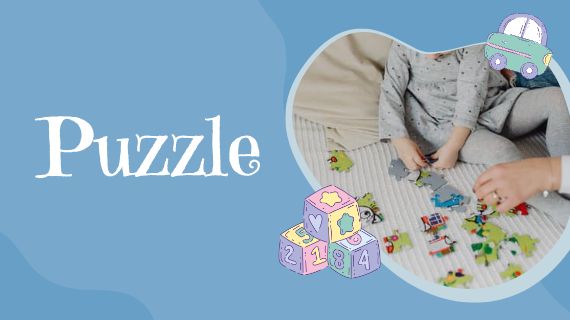
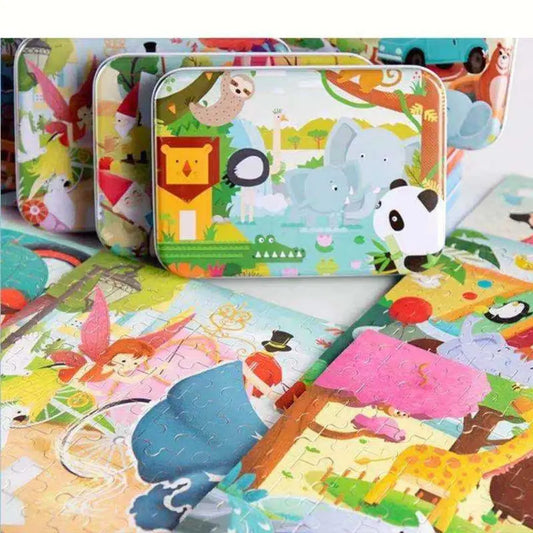
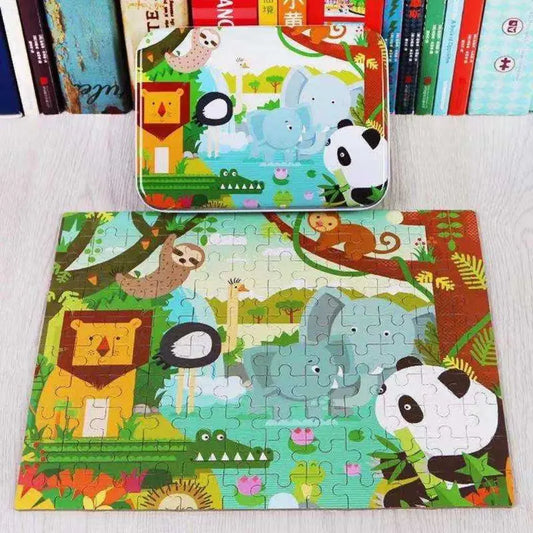
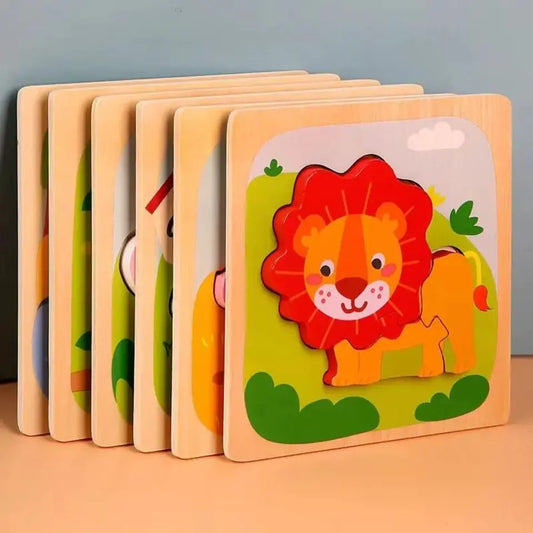
Shape sorters and first puzzles can introduce basic matching and fitting challenges, but difficulty varies considerably. A sorter with a few large, clearly different shapes may be more accessible than one containing many small or visually similar pieces.
For puzzles, large knobs or chunky pieces can make handling easier. Do not worry if a child initially removes pieces rather than replacing them. Removing, carrying, inspecting and attempting to fit pieces are all legitimate ways of exploring the toy.
Cause-and-Effect Toys
Cause-and-effect toys respond to an action: push something and another part moves, drop a ball and it rolls out, or press a large button and a sound occurs. These toys can be especially engaging because the result encourages repetition.
Simple mechanisms are often enough. An electronic toy with numerous lights and songs is not necessarily more useful than a mechanical pop-up toy or ball run. Look for a clear connection between the child's action and the result rather than a toy that continues entertaining independently.
Books, Pictures and First Words
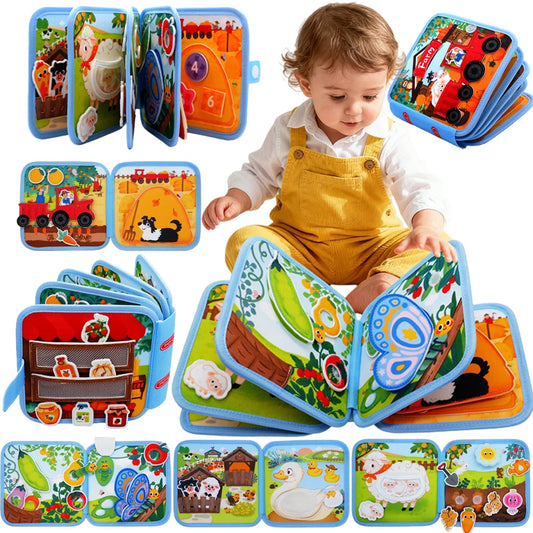
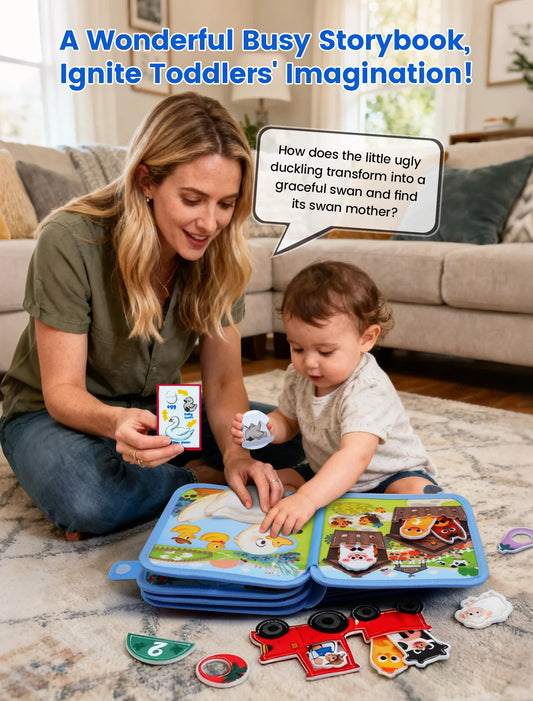
Sturdy board books, touch-and-feel books and simple picture books can be included among educational gifts for 1 year olds because they support shared looking, pointing and interaction with an adult. Books with familiar animals, foods, vehicles, faces or household objects can be easy to explore together.
There is no requirement to test the child on pictures or insist that every page is read. A one-year-old may turn several pages at once, return repeatedly to one picture or carry the book around. Following the child's attention can keep book time playful rather than instructional.
Push, Pull and Movement Toys
Toys that can be pushed, pulled, rolled or transported allow children to combine object play with movement. Wheeled animals, stable push toys, pull-along toys and balls can all create opportunities for experimenting with direction, distance and movement.
Stability matters, particularly for products a child may lean on. Follow the manufacturer's age guidance and intended use, and remember that a wheeled toy marketed for play is not necessarily designed to support a child's body weight.
Music and Sound Exploration
Simple shakers, drums, bells designed for young children and basic musical toys can allow children to explore what happens when they shake, tap or strike an object. Repeating a sound-producing action can also become part of interactive play with a parent or carer.
Sound level is worth considering before purchase. A toy does not need to be loud to be engaging, and parents may prefer products with volume controls or mechanical instruments that only make noise when the child actively uses them.
Simple Pretend-Play Objects
Pretend play at age one can be very simple. A child may hold a toy phone to their ear, offer a cup to an adult, push a toy vehicle or imitate brushing with an age-appropriate play object.
Choose familiar items with simple designs rather than large pretend-play sets containing many accessories. Every loose item should independently meet the relevant age guidance because accessories are often the parts most likely to be carried around or mouthed.
Montessori-Inspired Toys at Age One
Many Montessori toys for 1 year olds use simple actions, natural materials and less visual clutter. These features can be helpful, but the Montessori label alone does not determine whether a toy is suitable.
Parents can also compare Montessori Toys Australia and Are Montessori toys safe for babies? when considering this style of product.
Simple Purposeful Activities
Montessori-inspired toys often focus on one main action, such as posting a piece, stacking objects or fitting something into an opening.
This can make the toy easier for a young child to understand. At home, however, children can still explore the toy in different safe ways.
Real Objects Versus Decorative Complexity
Children are often interested in objects that resemble things they see adults using, such as cups, brushes or containers.
Use products specifically designed for young children rather than automatically giving real household objects, which may contain unsuitable parts or materials.
Montessori Is Not an Age or Safety Certification
The word “Montessori” does not replace checking the product's age grading and warnings.
A Montessori-labelled toy may still contain small pieces, pegs or magnets that are unsuitable for a one-year-old. Always check the individual product.
How to Match Difficulty to the Child
A useful educational toy should be challenging enough to explore without requiring an adult to complete every step.
At the same time, a toy does not need to become harder as soon as the child understands it. Repeating familiar activities can remain enjoyable.
Watch What the Child Repeats
Repeated behaviour can help guide toy selection. A child who constantly fills containers may enjoy posting toys, while one who loves carrying things may prefer blocks, baskets or push toys.
Watching current play is often more helpful than choosing toys based only on age-based milestone lists.
Offer One Manageable Next Step
A useful next toy usually adds one small challenge. A child who enjoys nesting cups might begin stacking them, while someone who removes puzzle pieces may start trying to put a few back.
The goal is not to make play increasingly difficult, but to offer another action the child can gradually discover.
Rotate Rather Than Overload
If too many toys are available at once, storing some and rotating them later can make individual activities easier to notice.
There is no ideal number of toys. A smaller collection that is easy to store, clean and rotate can be more practical than a crowded play area.
Safety Checks for One-Year-Old Toys
Safety should come before educational value when choosing sensory learning toys for 1 year olds, wooden toys or electronic products. Always check the manufacturer's age recommendation and warnings.
One-year-olds may mouth, throw, drag or climb on toys, so products should also be checked regularly after purchase.
Exact Manufacturer Age and Under-Three Warnings
Do not rely only on retailer categories or words such as “baby” or “toddler”. Check the exact age range provided by the manufacturer.
If a toy is labelled 3+ or unsuitable for children under three, supervision does not change that age classification. Choose a product designed for the child's current age instead.
Small Parts, Magnets and Batteries
Check for loose pieces, detachable parts and components that may become separated through wear.
Magnets and button batteries require particular care. Battery compartments should remain securely closed, and damaged toys containing batteries or magnets should be removed from use.
Cords, Wheels, Seams and Hard Edges
Inspect cords, straps, wheels, hinges, joins and seams. Look for areas where fingers could become caught or parts could loosen.
For wooden educational toys for 1 year olds, also check for cracks, splinters or damaged edges. Wooden Toys can provide broader category ideas, but every product still needs its own safety check.
Mouthing, Throwing and Climbing
A toy may be used very differently from how the manufacturer demonstrates it. Children may chew blocks, throw lids or attempt to climb on larger toys.
Consider weight, stability and hard protruding parts before purchase, especially for toys that are easy to carry or push around.
Cleaning, Damage and Recalls
Check cleaning instructions before purchase, particularly for fabric toys, electronic products and toys with gaps where food or moisture can collect.
Inspect toys regularly for loose pieces, cracks or exposed components. It is also sensible to check relevant Australian recall information, especially for older or second-hand toys.
Frequently Asked Questions
Choosing educational toys for 1-year-olds is easier when the focus stays on suitable age grading, current interests and the actions the toy makes possible.
Parents looking for a wider range of options can also explore Educational Toys Australia alongside age-specific buying guides.
What Makes a Toy Educational for a One-Year-Old?
A toy can be educational if it gives the child a suitable opportunity to explore an action such as stacking, posting, moving, matching, listening or looking at pictures.
It does not need to teach letters or numbers. Simple, active play is often more appropriate at this age.
What Is a Good First-Birthday Educational Gift?
Good options include stacking cups, posting toys, sturdy books, large building pieces, simple musical toys and age-appropriate push or pull toys.
Also consider practical factors such as noise, storage, cleaning and the number of loose pieces.
Are Montessori Toys Better at Age One?
Not necessarily. Some Montessori-inspired toys offer simple, focused activities, but many standard toys provide similar opportunities.
Choose based on age suitability, construction and play value rather than the Montessori label alone.
Are Electronic Toys Educational for One-Year-Olds?
They can be, particularly when the child creates a clear result by pressing, turning or moving something.
However, electronic features are not essential. Simple mechanical toys can provide equally engaging cause-and-effect play.
How Many Toys Does a One-Year-Old Need?
There is no fixed number. A small variety of toys that encourage different types of play may be enough.
Rotating toys can also keep familiar activities interesting without constantly adding new products.
Can a 3+ Toy Be Used With Supervision?
A toy marked 3+ should not be treated as suitable for a one-year-old simply because an adult is present.
The higher age recommendation may relate to small parts or another safety issue, so it is better to choose a toy designed for the child's current age.
Choosing Educational Toys for a One-Year-Old
The best educational toys for 1-year-olds are usually simple, safe and easy to explore. Toys that let children stack, post, move, listen, match, look and repeat actions can offer plenty of useful play without complicated features.
Start with the manufacturer's age guidance, then consider the child's current interests, the difficulty of the activity and how the toy will handle everyday toddler use. Choosing for the child's current stage is more practical than buying for a promised future outcome.