



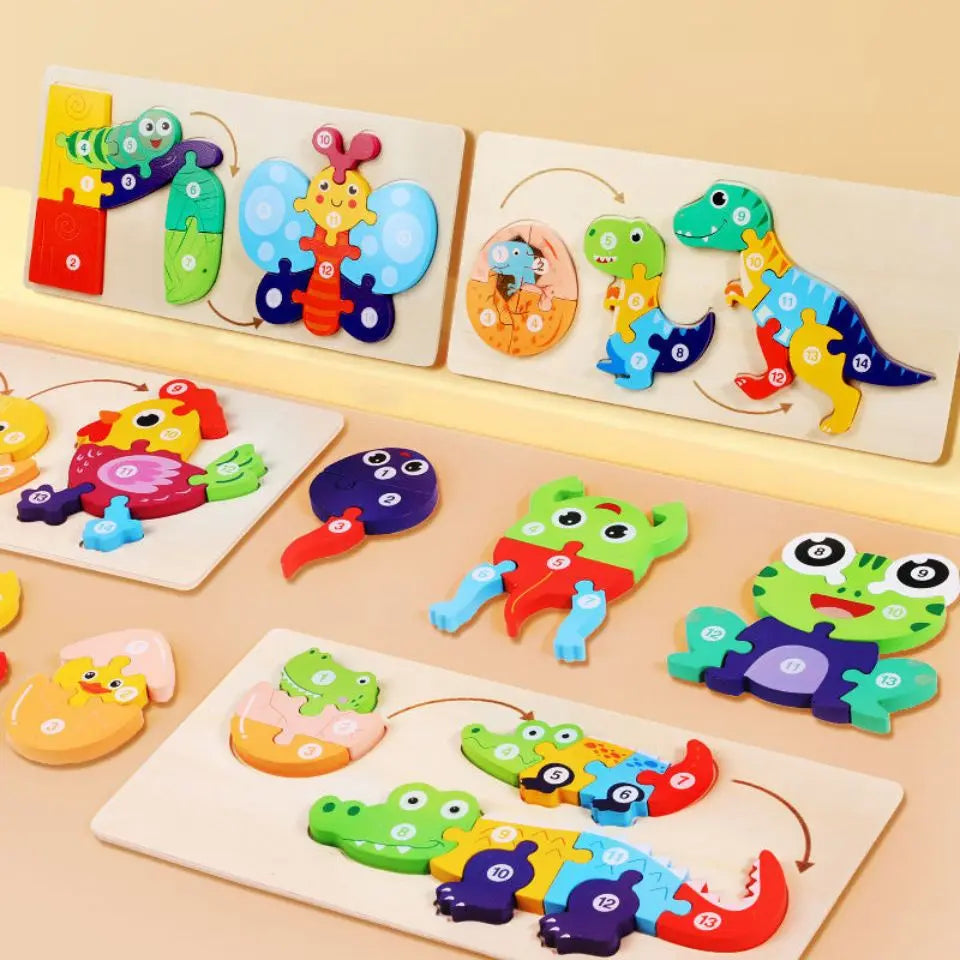
Building and stacking sets
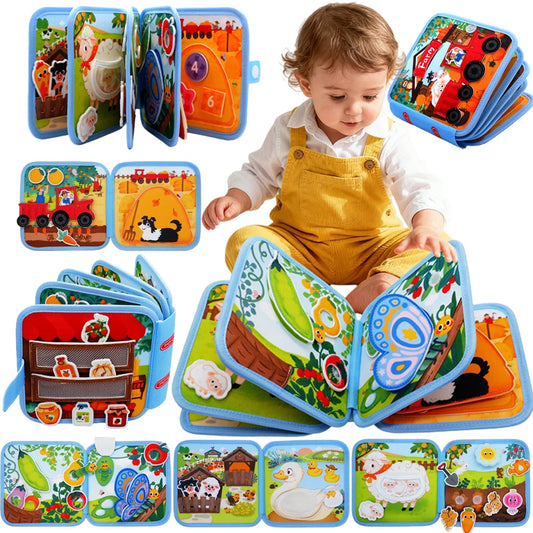
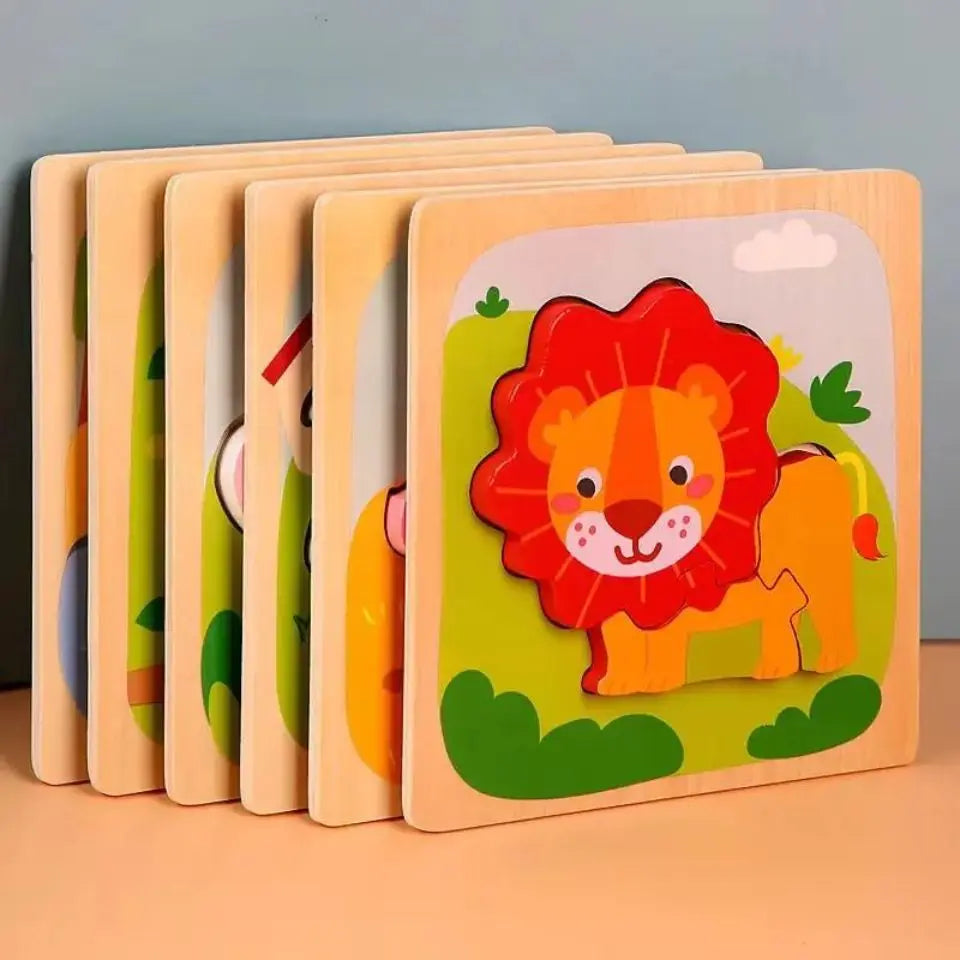
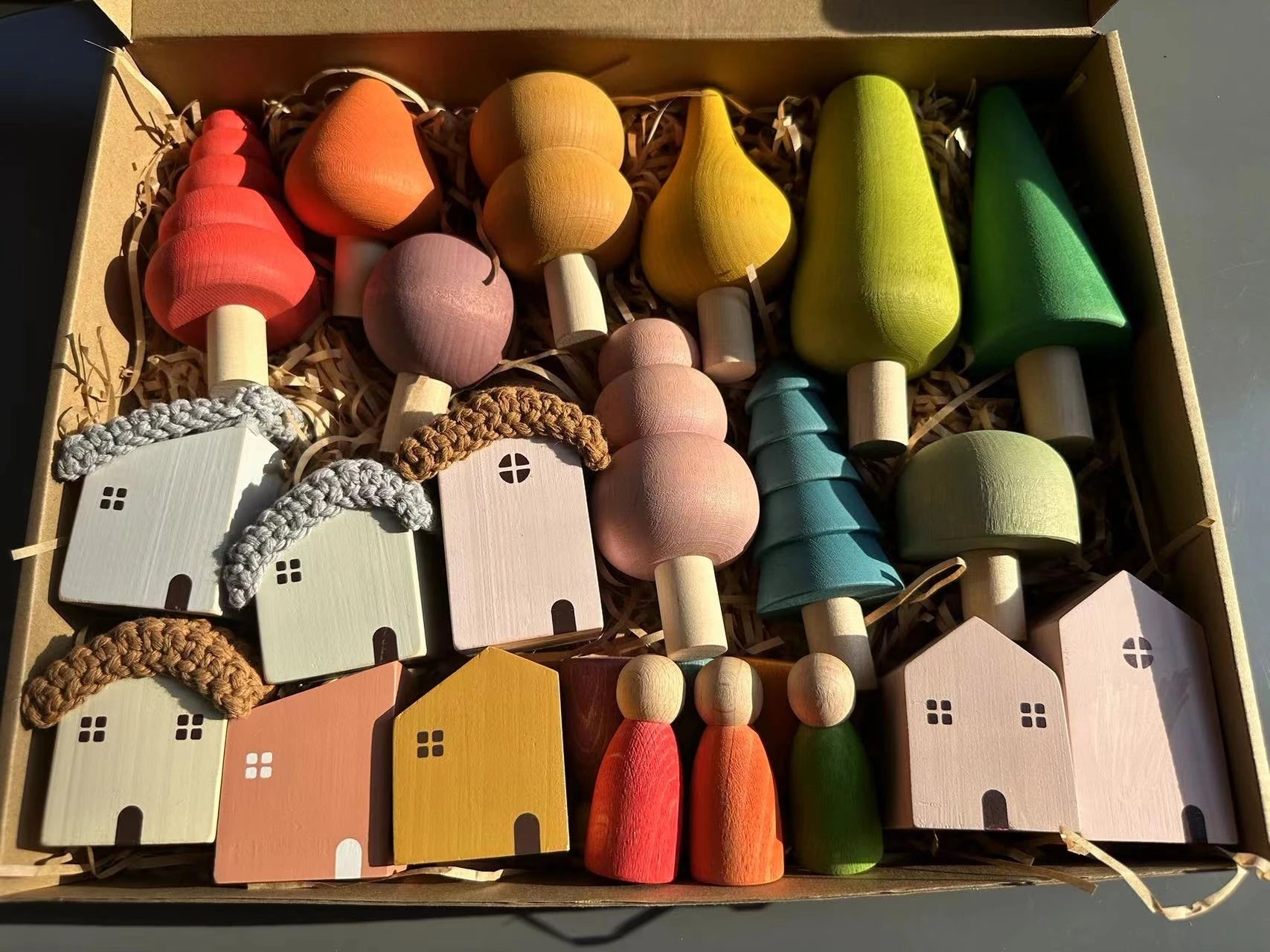
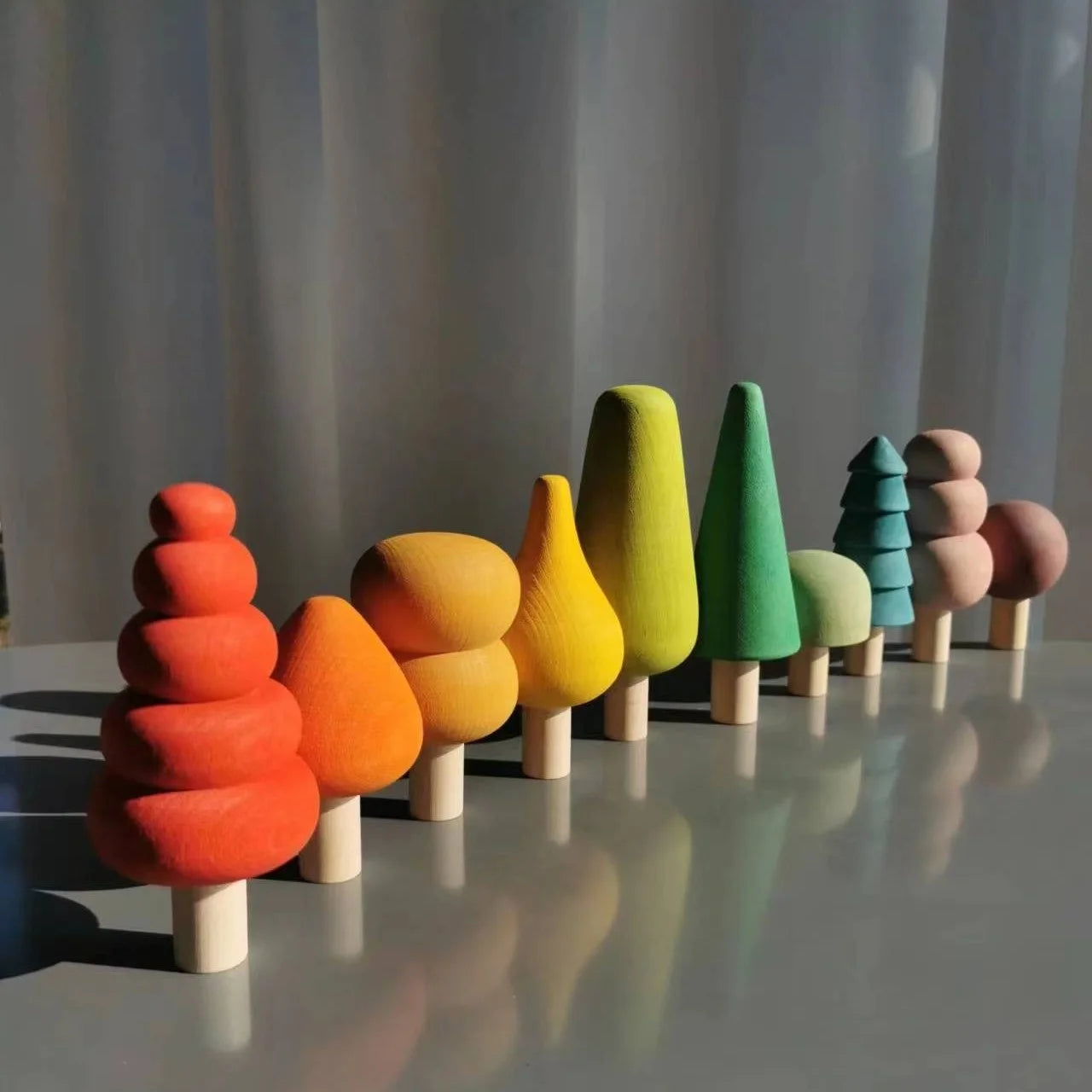
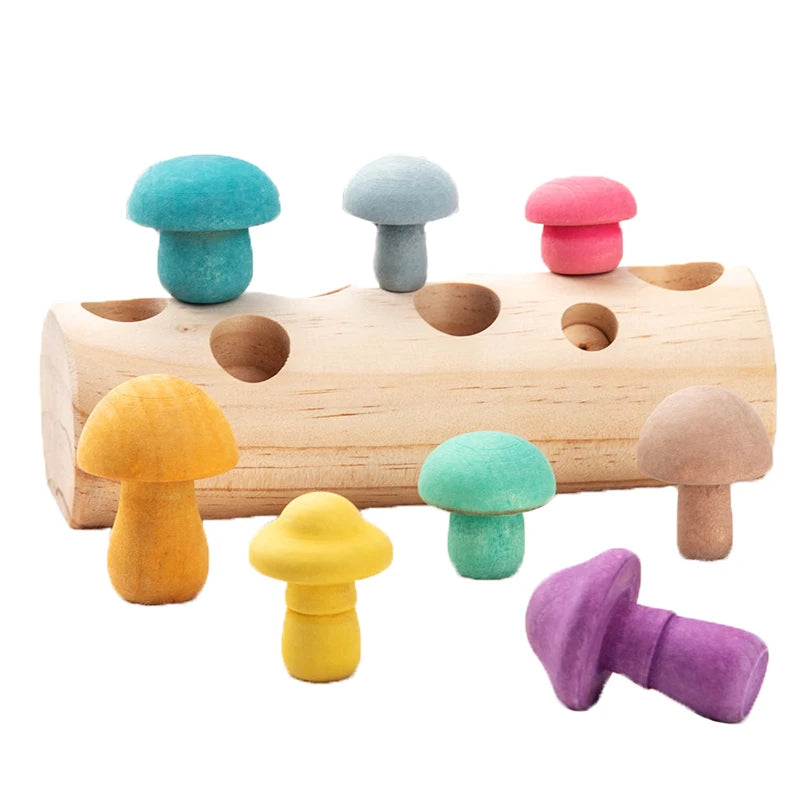
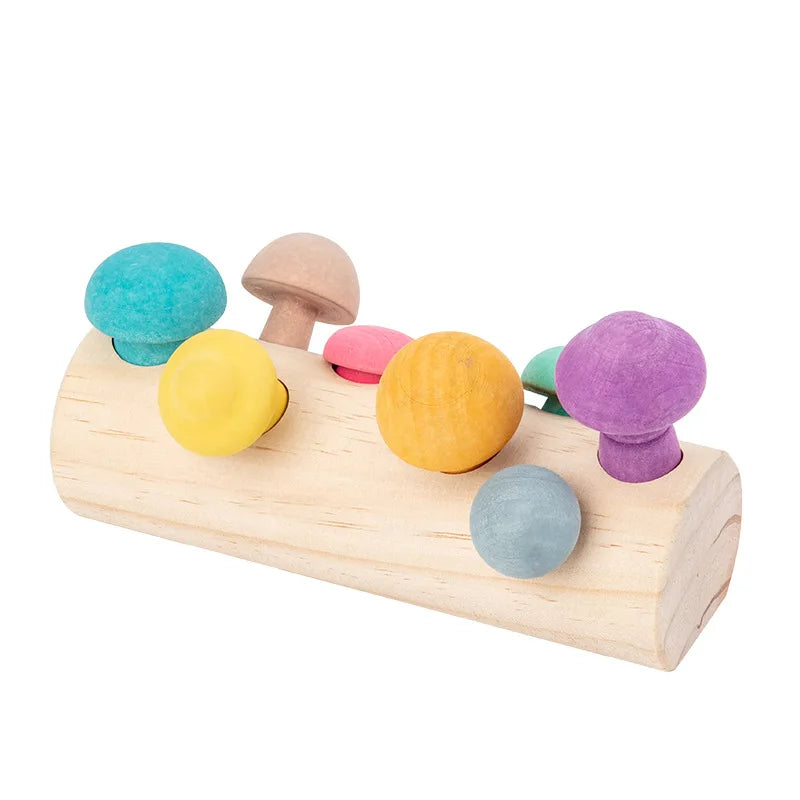
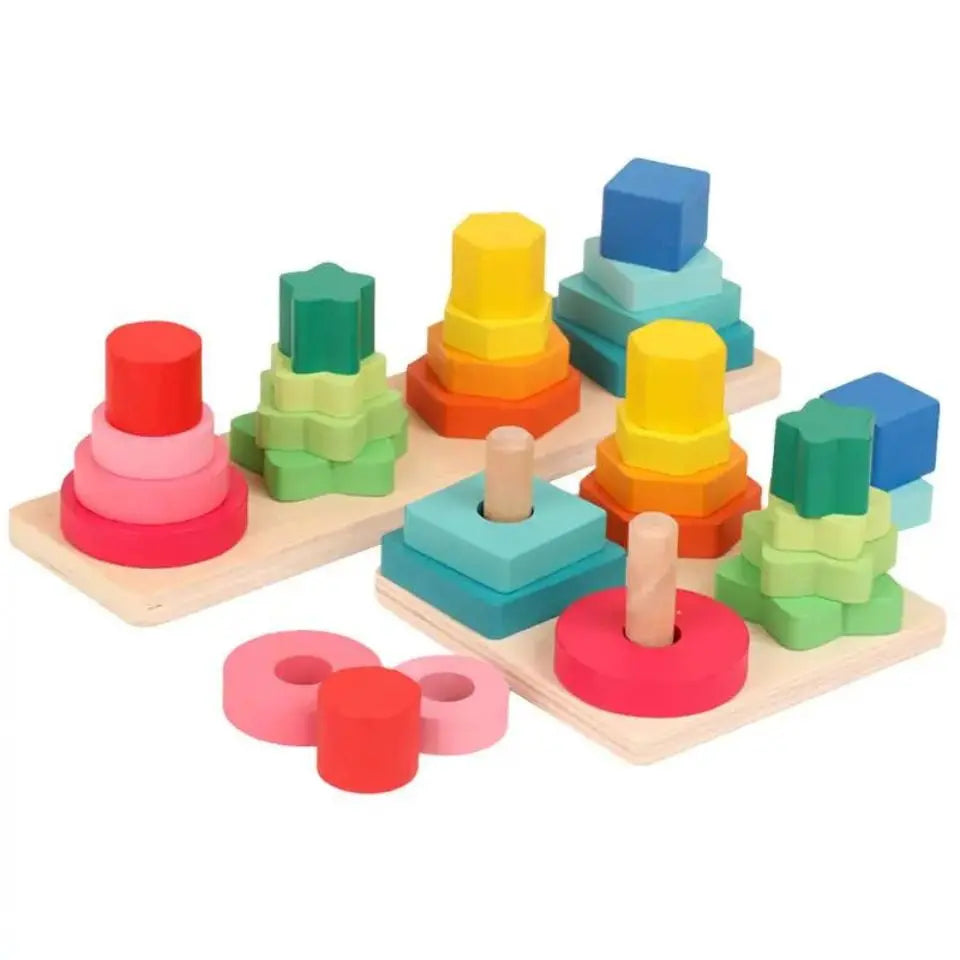
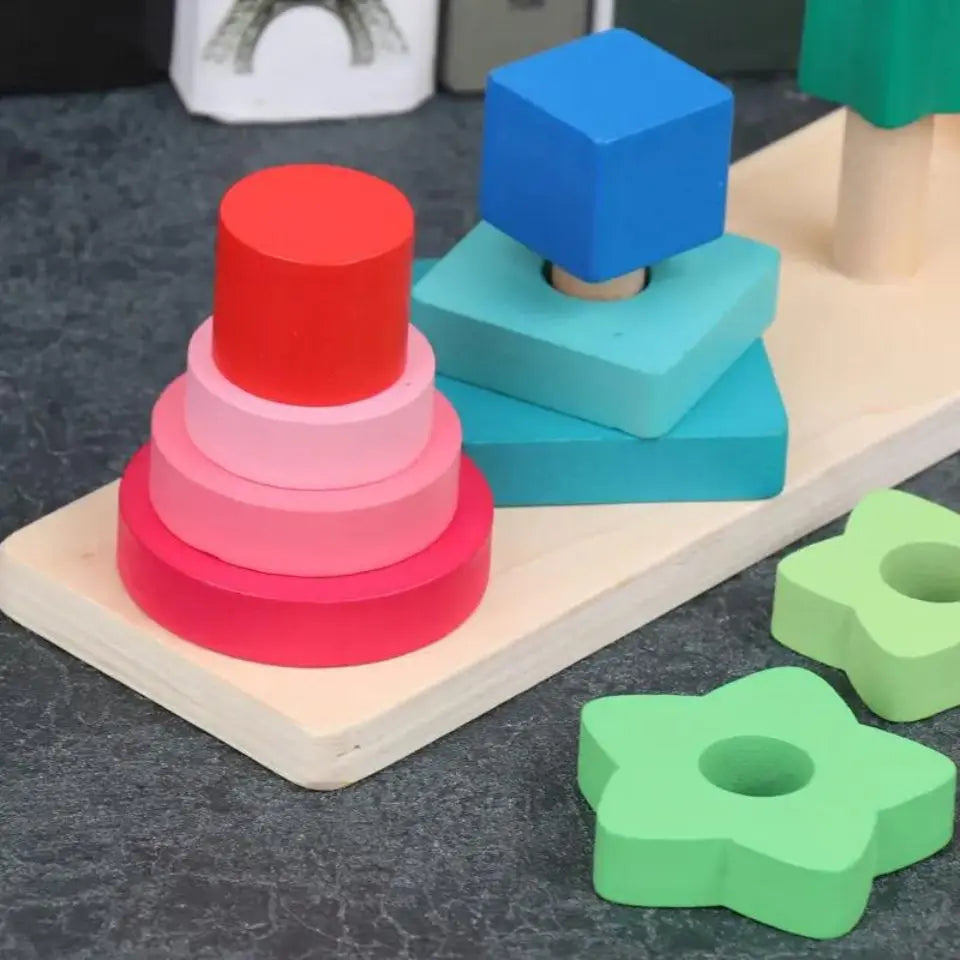
The pastel wooden stacking blocks come in a choice of set styles, with soft colours and shapes that stack, balance and turn into small-world scenes. They are labelled for ages 4 and up.
Showing 1 -24 of 28 items
Browse wooden toys for kids from $3.99, from 3D animal puzzles and stacking block sets to pretend-play food, counting toys and spelling games. Toys4us is an online wooden toy shop that delivers within Australia, and every listing shows its own price, age label and options.
Jump to wooden toys by play type, wooden toy sets, wooden toys by age or affordable wooden toys. If you want single-skill, self-checking play, see our Montessori wooden toys.
Prefer to listen? Play the short audio overview of our wooden toys.
Use this table to find the kind of play you are after. The age shown is the one stated on each listing. Where a listing gives no age, follow the age label on the delivered packaging. Stock changes, so use the collection filters to see what is available now.
| Play type | What children do | Examples in this collection |
|---|---|---|
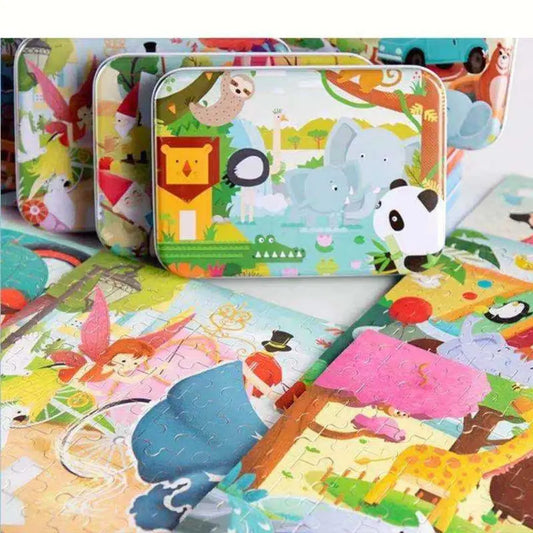
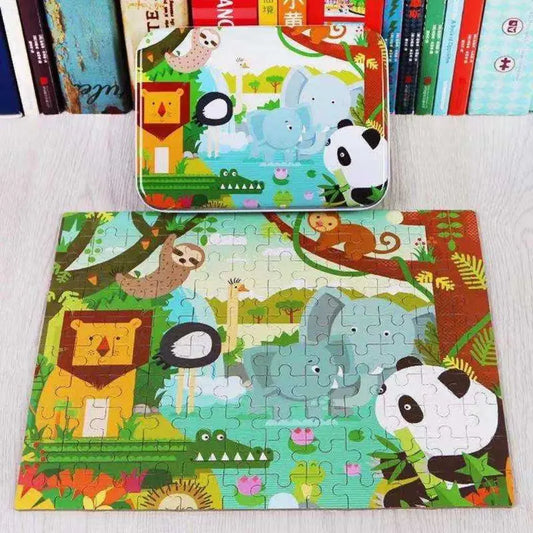
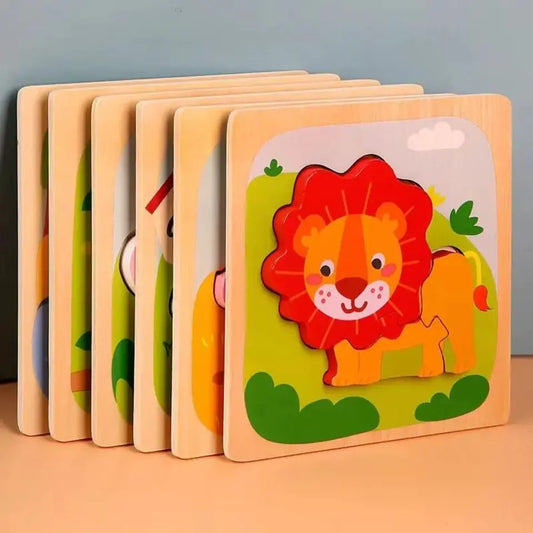
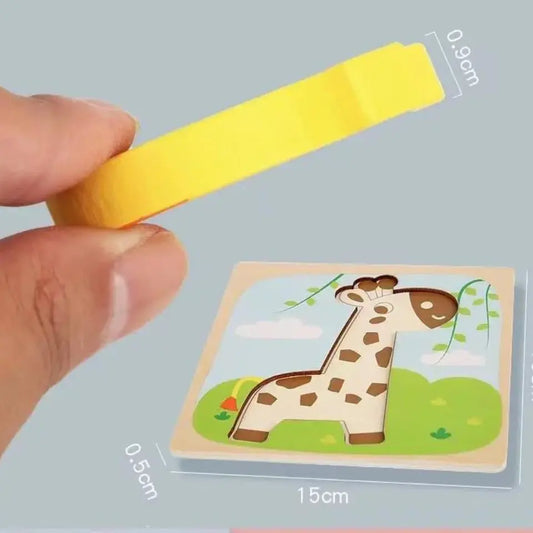
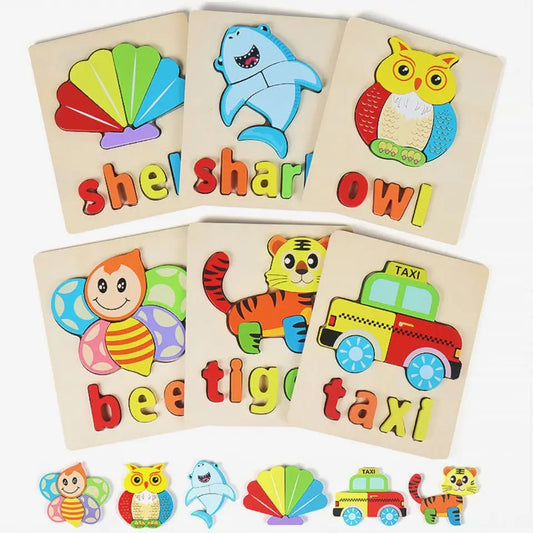
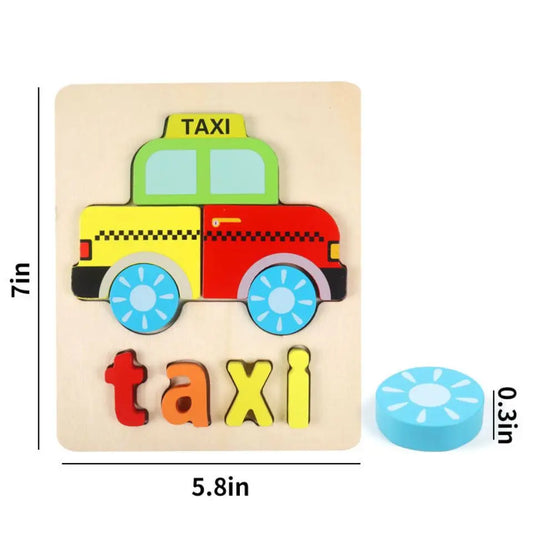
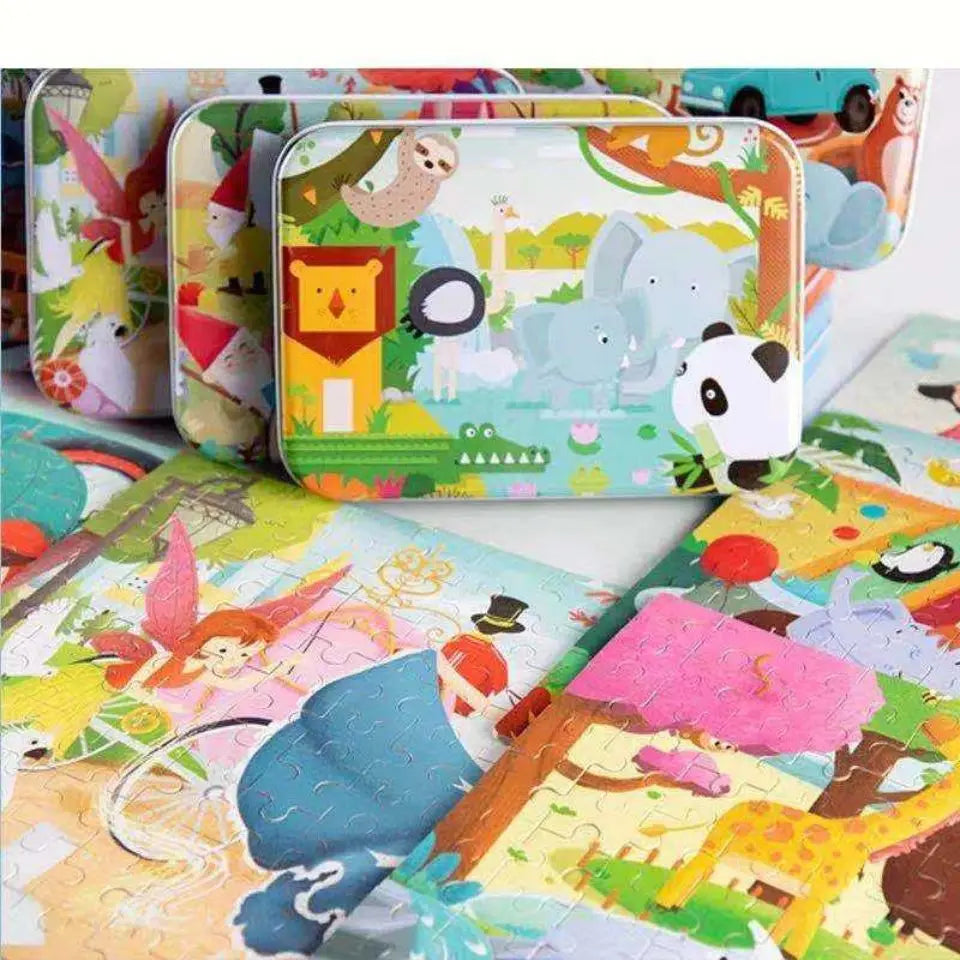
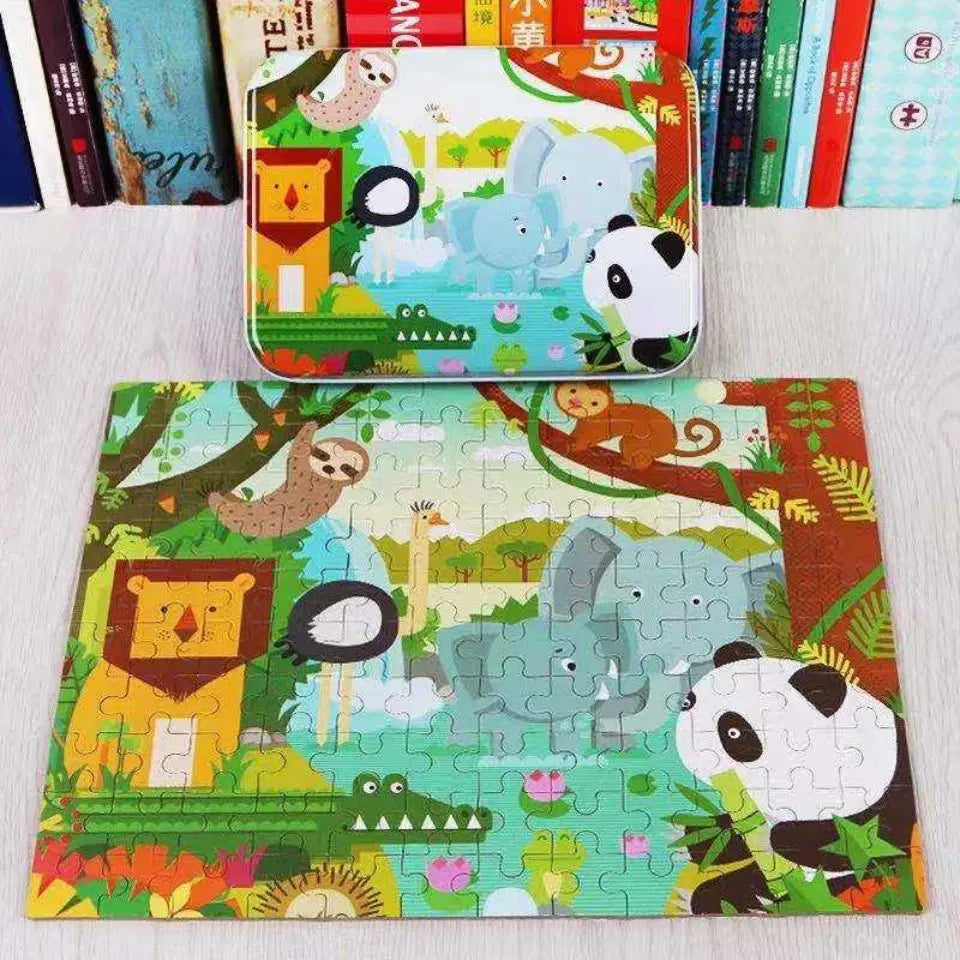
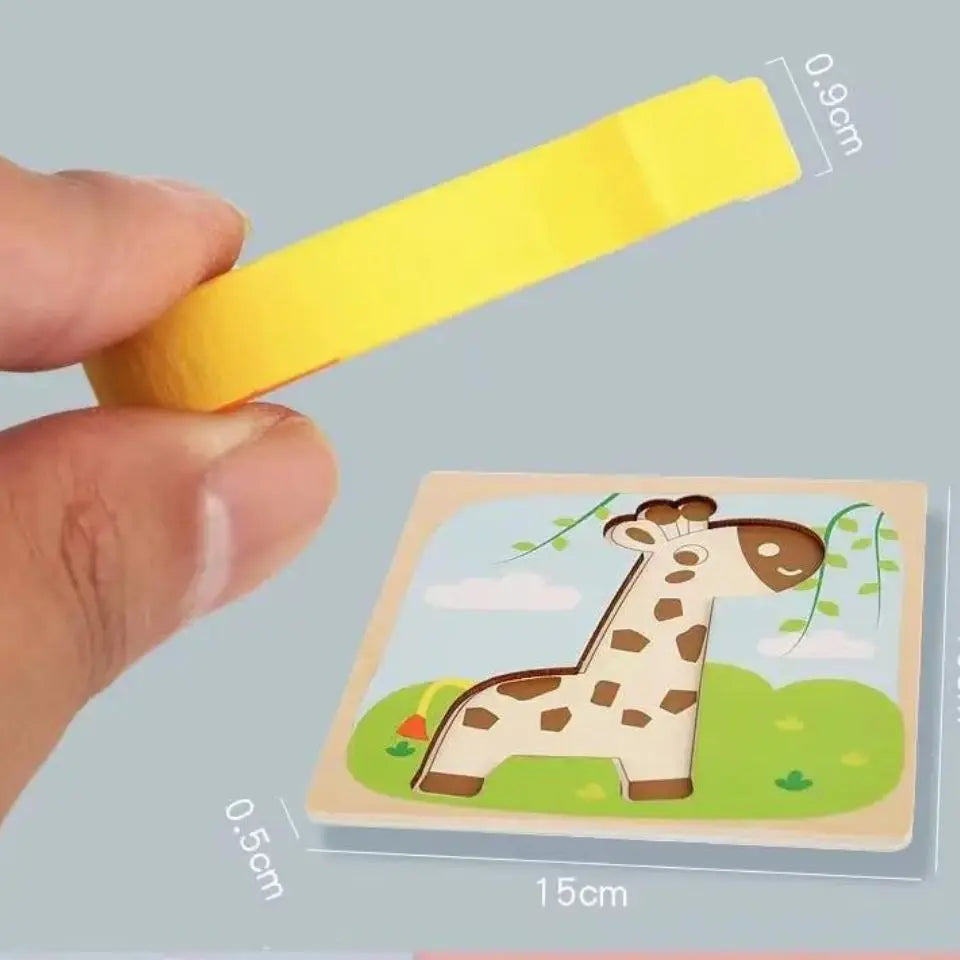
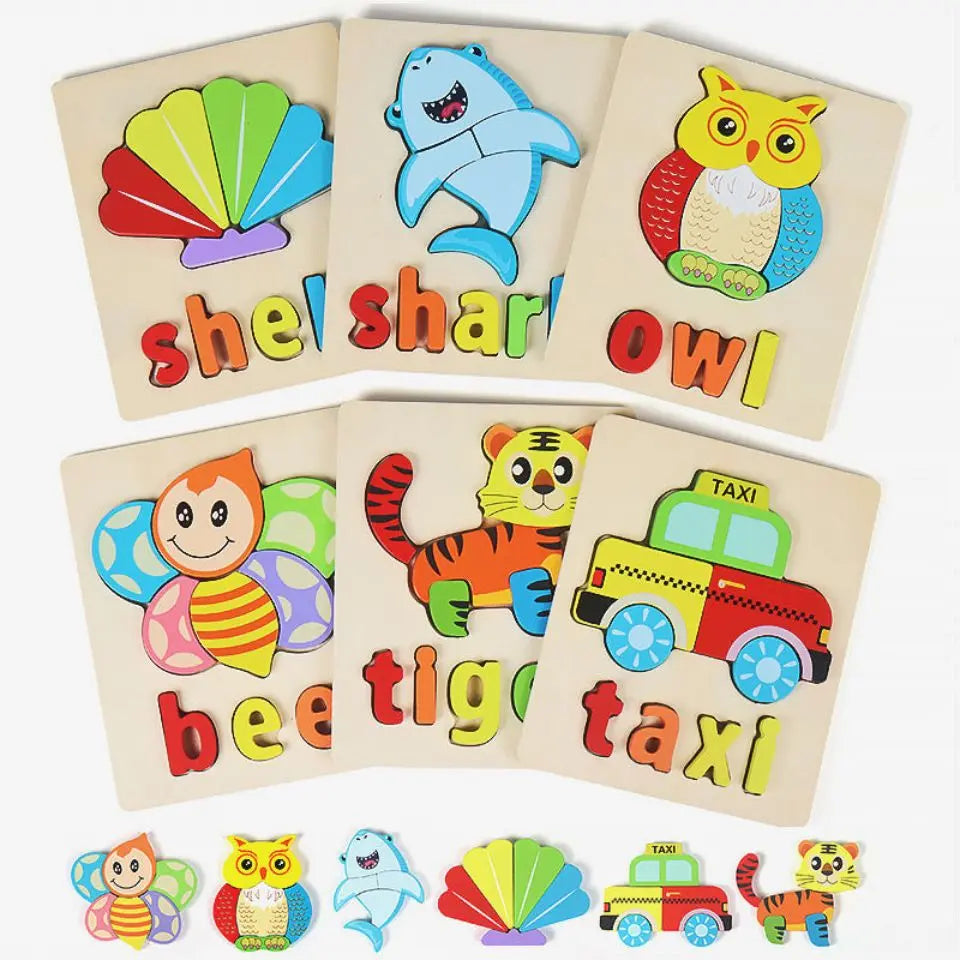
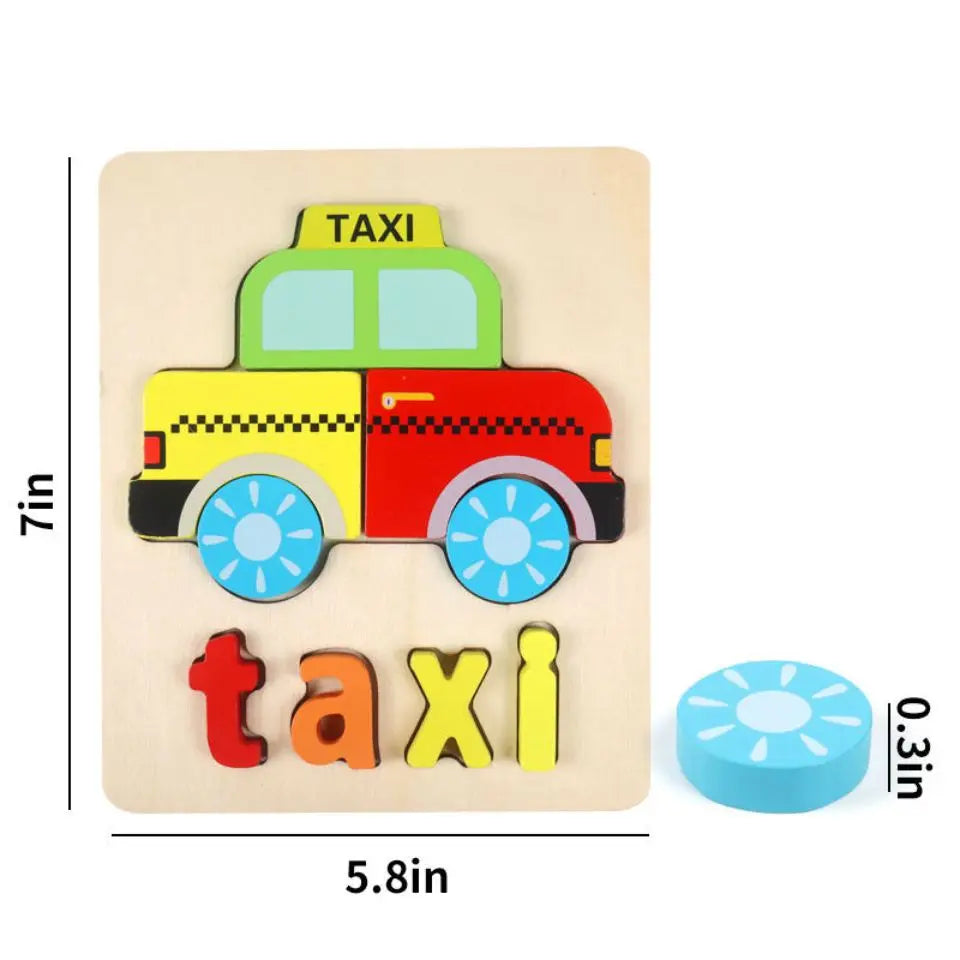
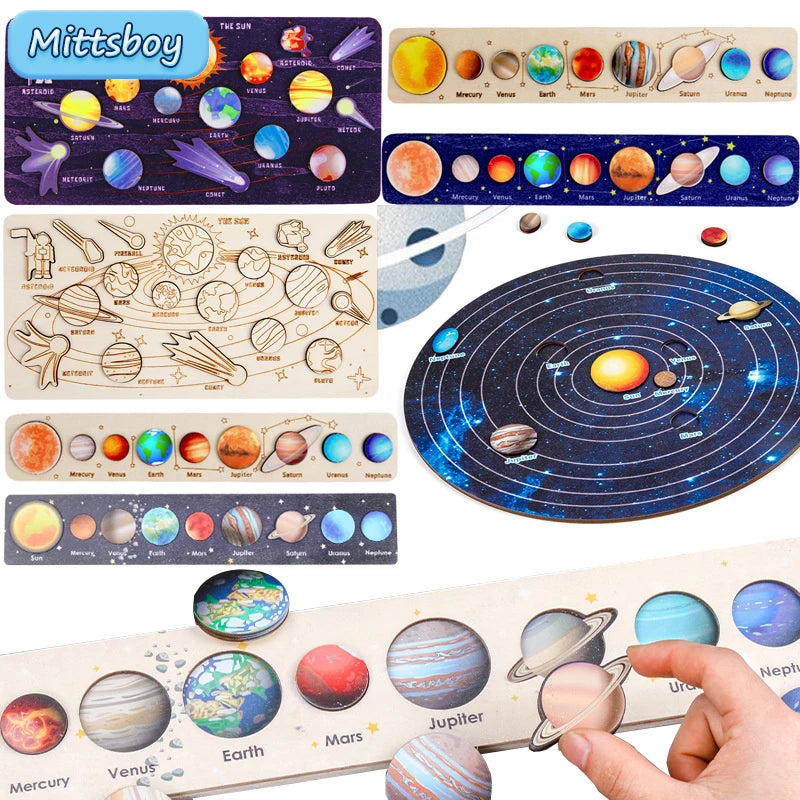
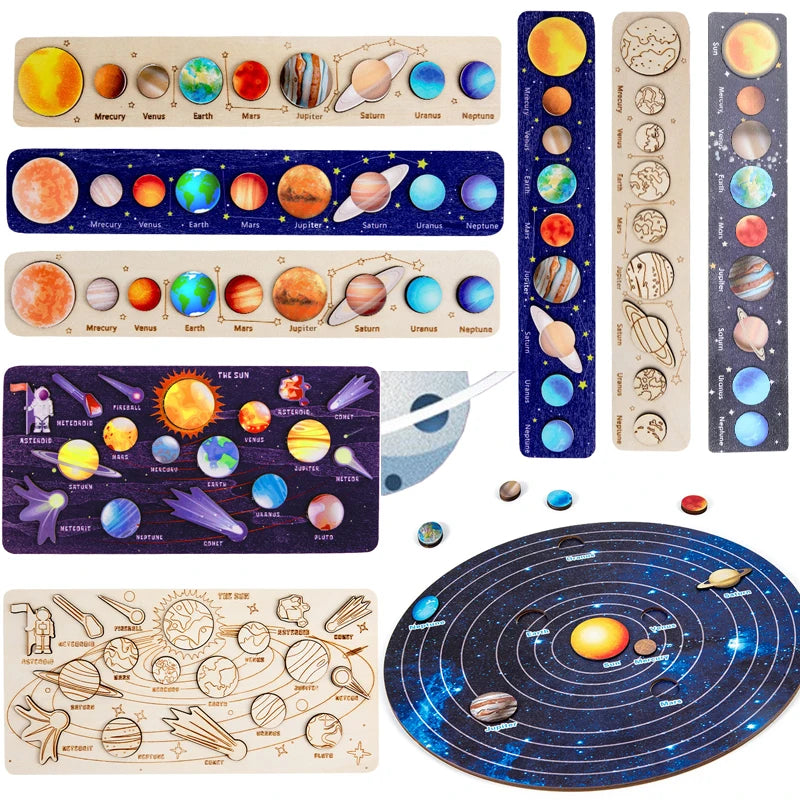
| Wooden puzzles | Match shapes, fit pieces, build pictures and explore space | 3D wooden animal puzzle, 120-piece wooden jigsaw puzzle (4+), wooden solar system puzzle (3+), 3D wooden vehicle puzzle, 3D wooden cartoon puzzle |
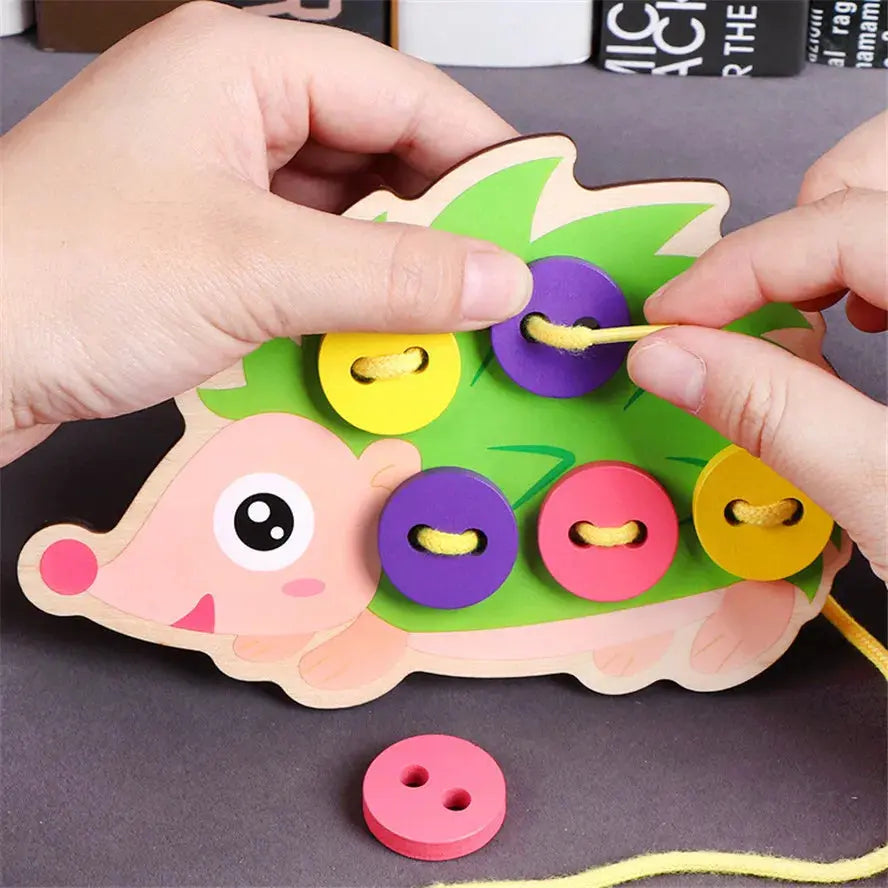
| Stacking, sorting and lacing | Stack, sort by shape or colour and thread | pastel wooden stacking blocks (4+), wooden lacing board (3+), wooden geometric shape sorter |
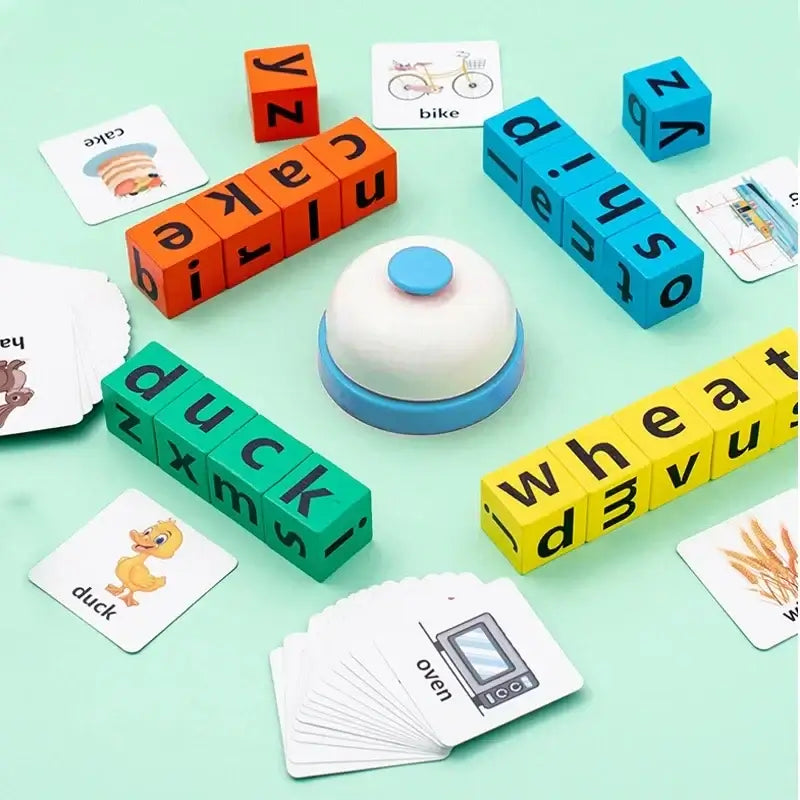
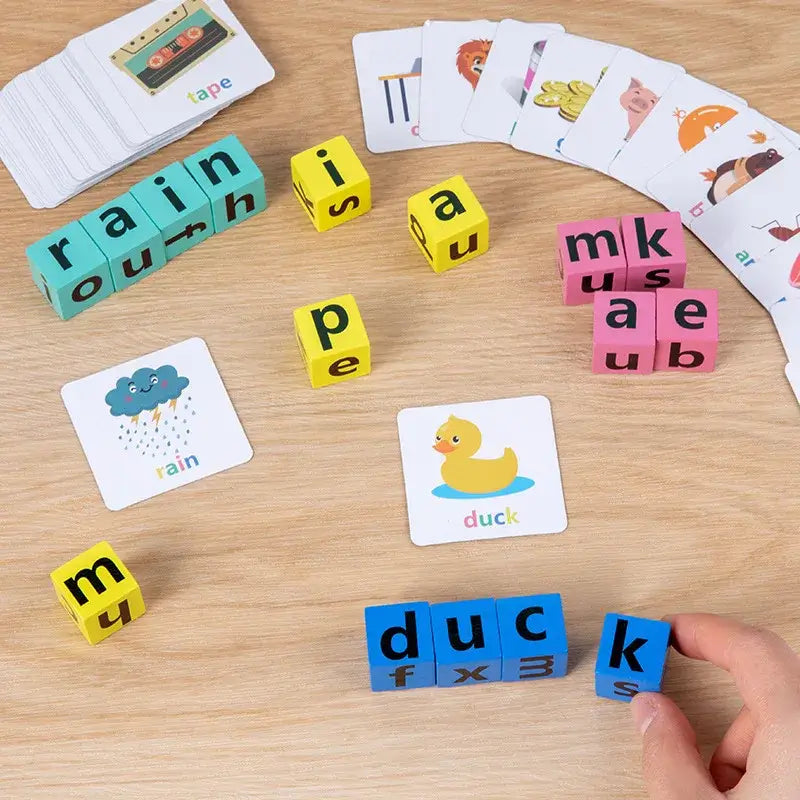
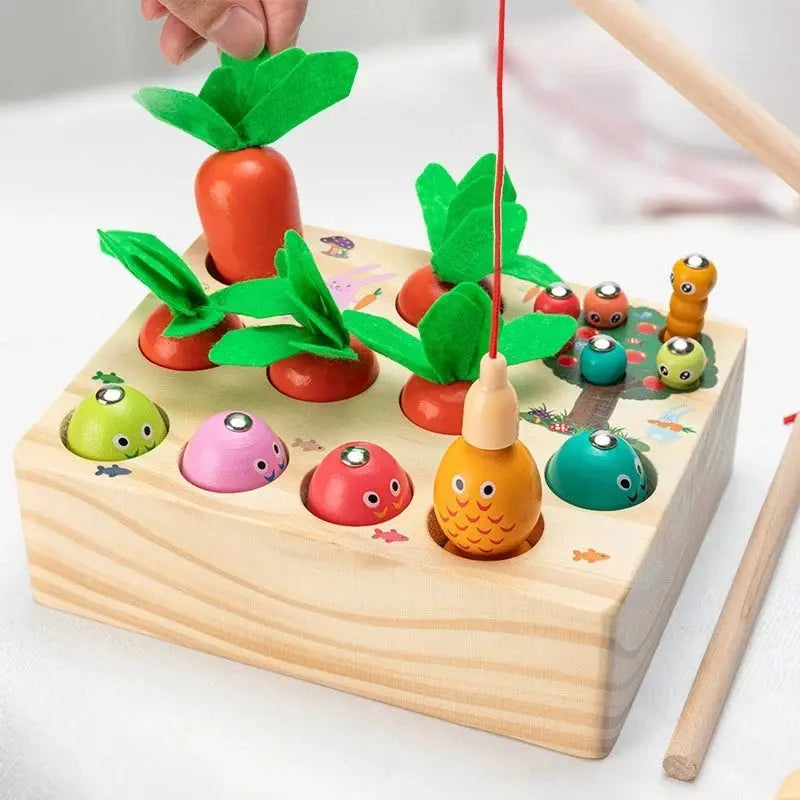
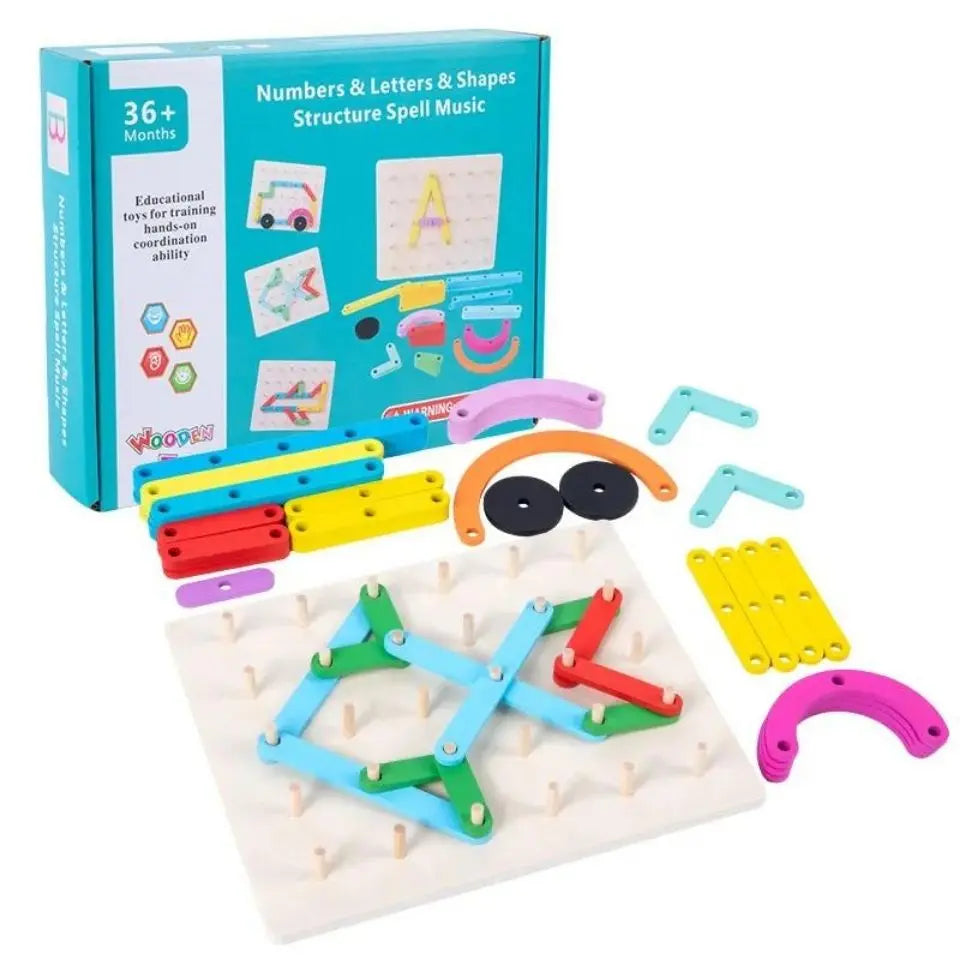
| Letters, numbers and early learning | Spell simple words, match letters, count and explore early maths | wooden spelling game (3+), wooden numbers and letters learning toy (36 months+), 5-in-1 wooden matching and fishing board (36 months+) |
| Pretend play and story toys | Cook, care for dolls and act out everyday routines or stories | wooden cutting fruit and vegetables set (3+), wooden rainbow doll set with crochet hats (4+), miniature wooden train for dollhouses |
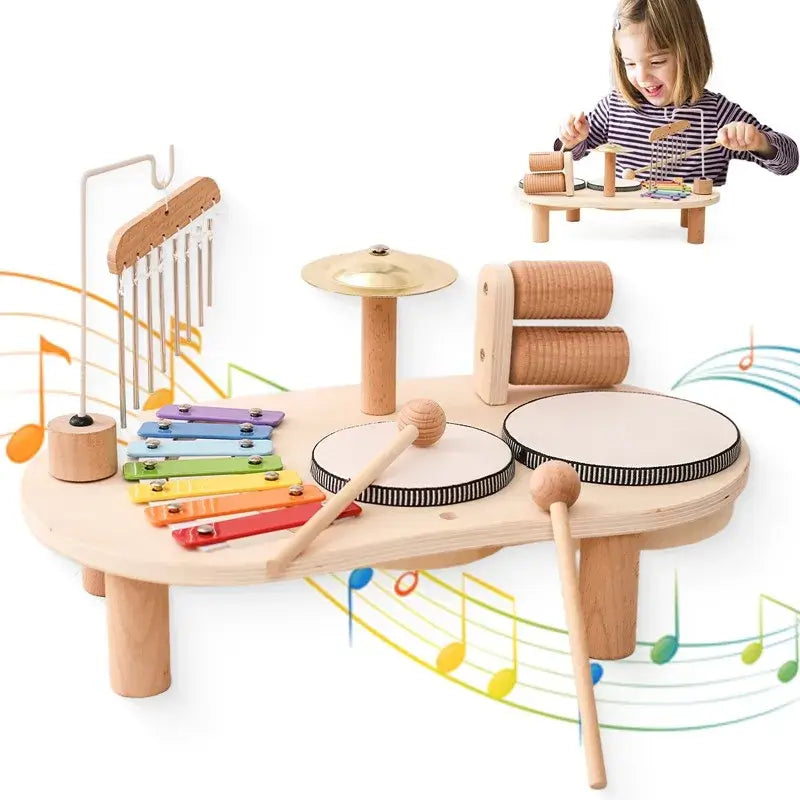
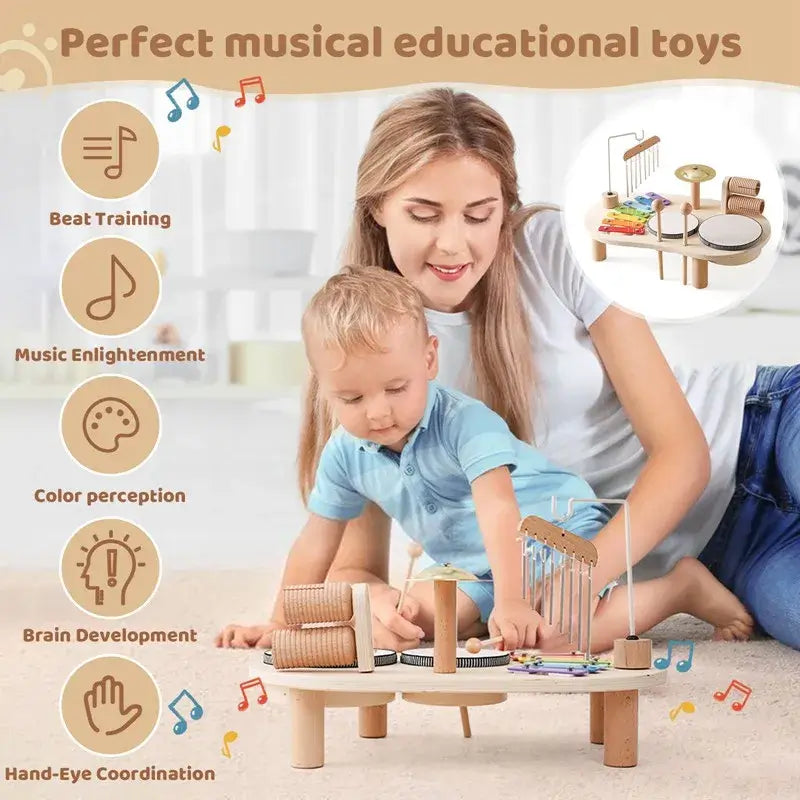
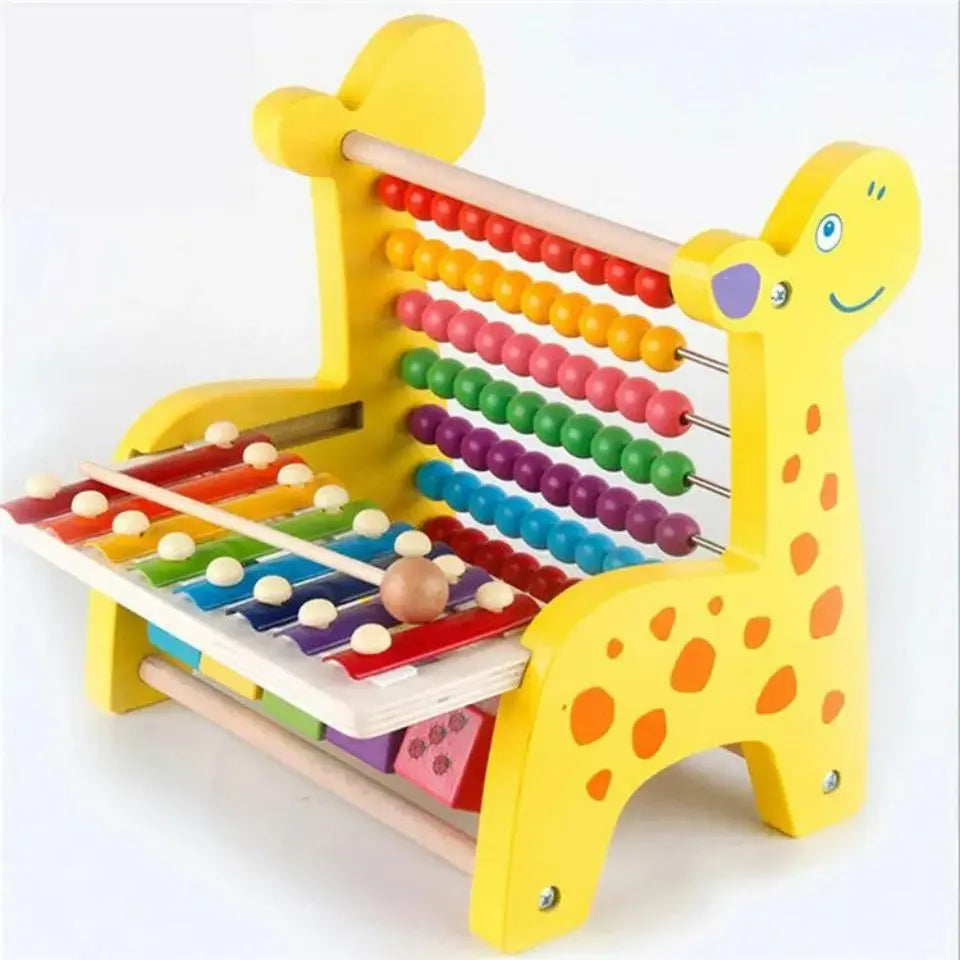
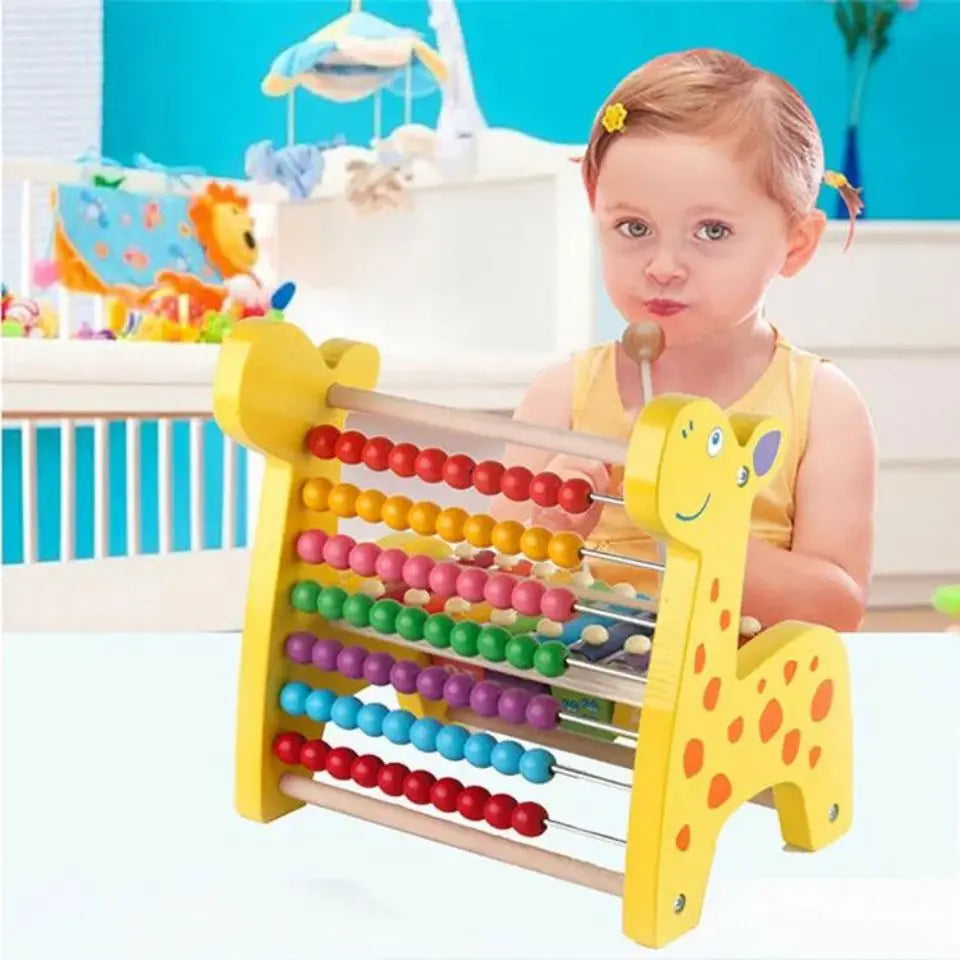
| Music and sound | Tap out rhythms, explore simple sounds and slide counting beads | wooden abacus and xylophone (36 months+) |
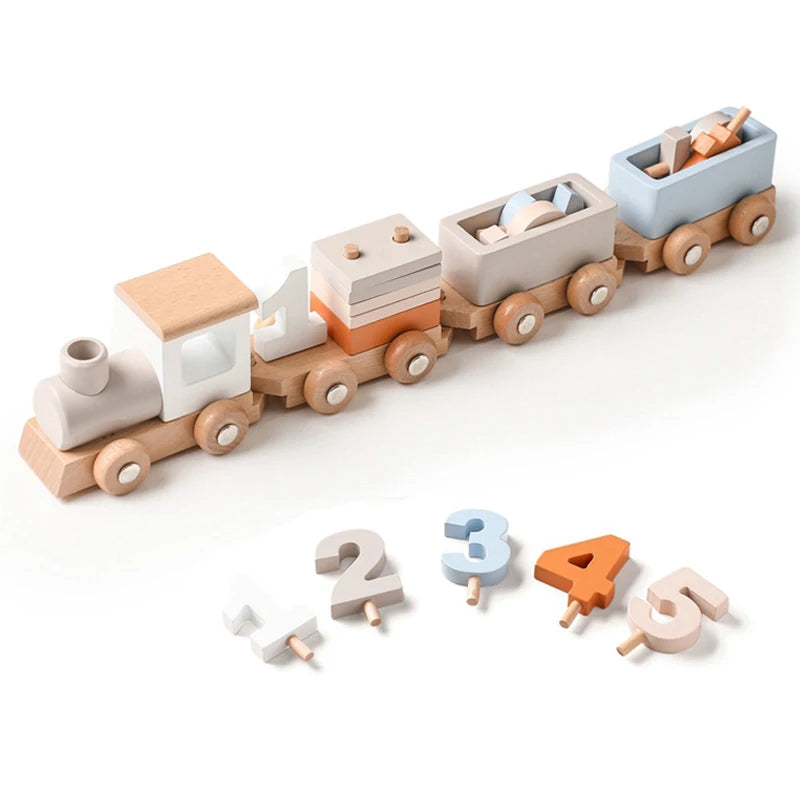
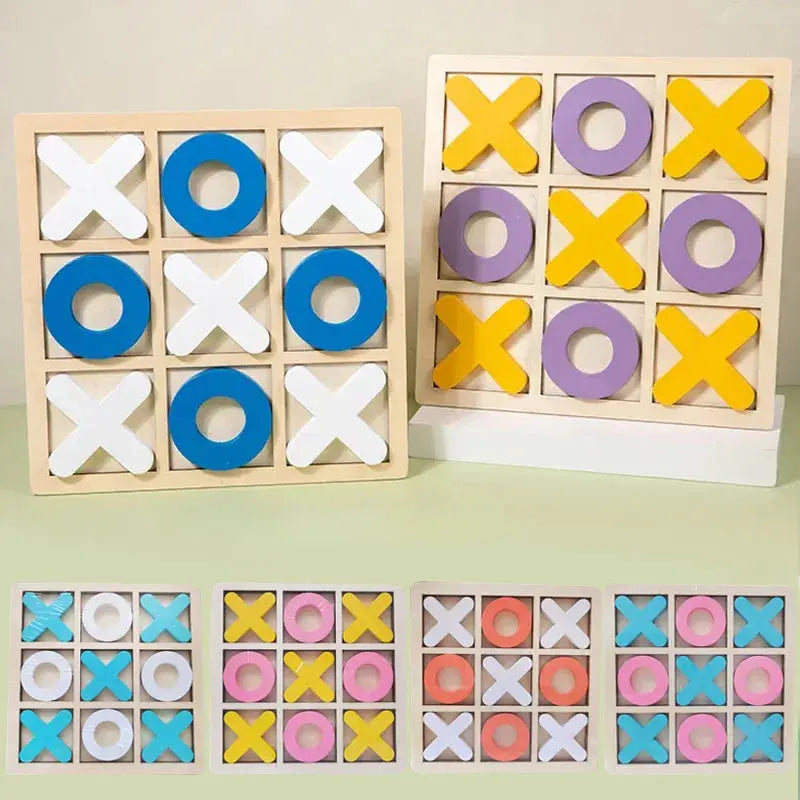
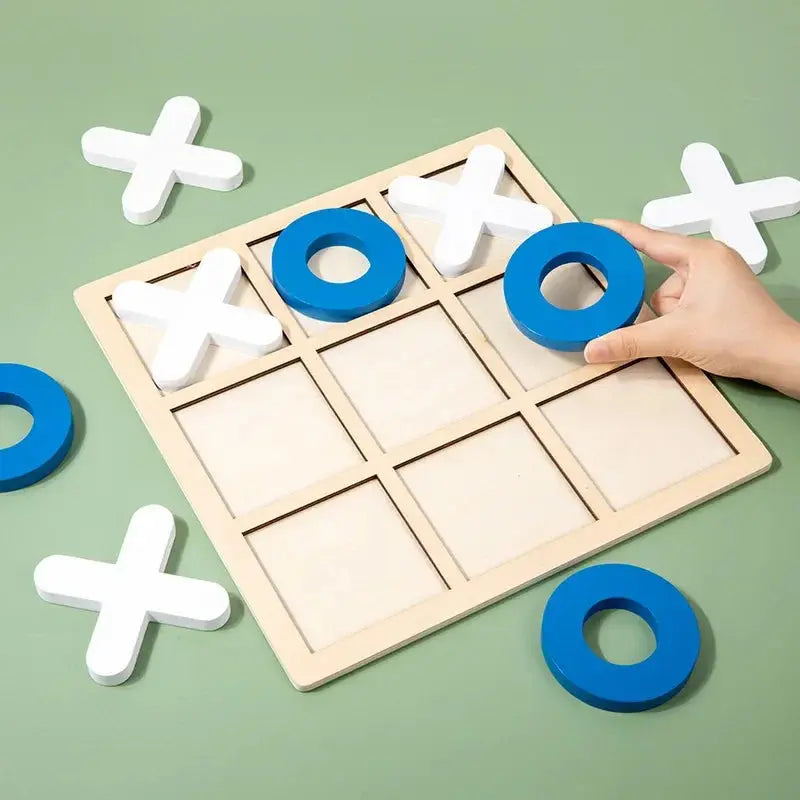
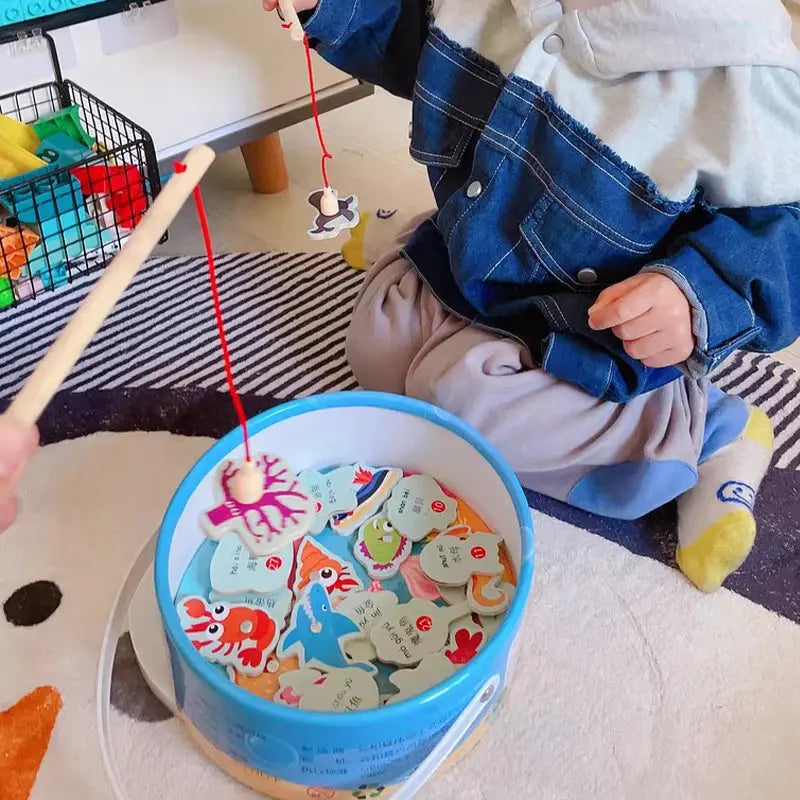
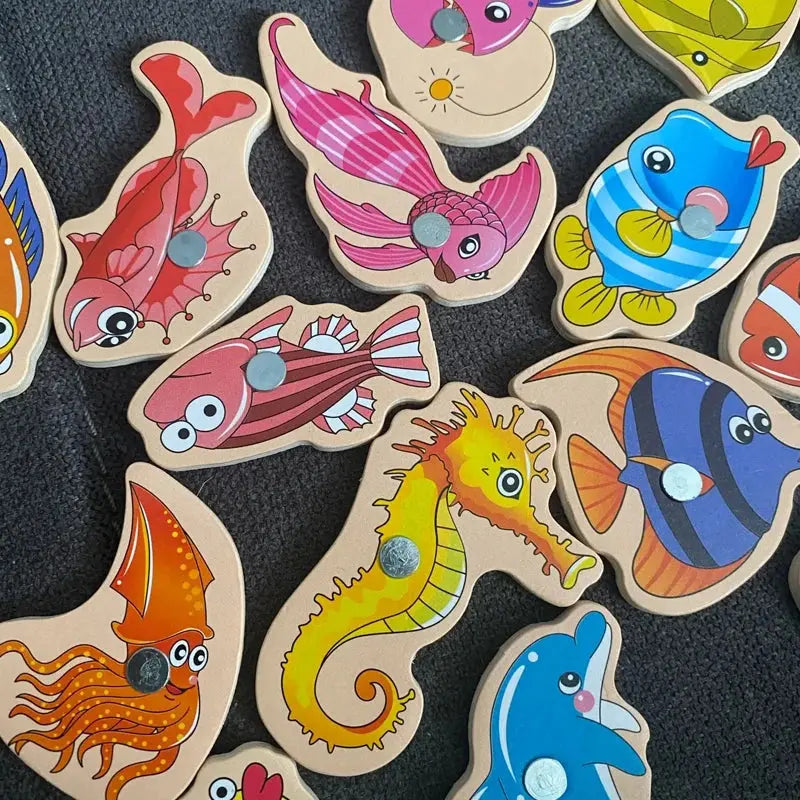
| Trains and games | Count, catch and take turns | wooden counting train with number blocks (the listing mentions ages 1 to 5), wooden magnetic fishing game (3+), wooden noughts and crosses (3+) |


A wooden toy set keeps everything for one kind of play together, which makes it an easy gift and a good start for a play corner. These are the sets in this collection, grouped by what children do with them. Open a listing to see exactly what is included in the option you choose.
The pastel wooden stacking blocks come in a choice of set styles, with soft colours and shapes that stack, balance and turn into small-world scenes. They are labelled for ages 4 and up.
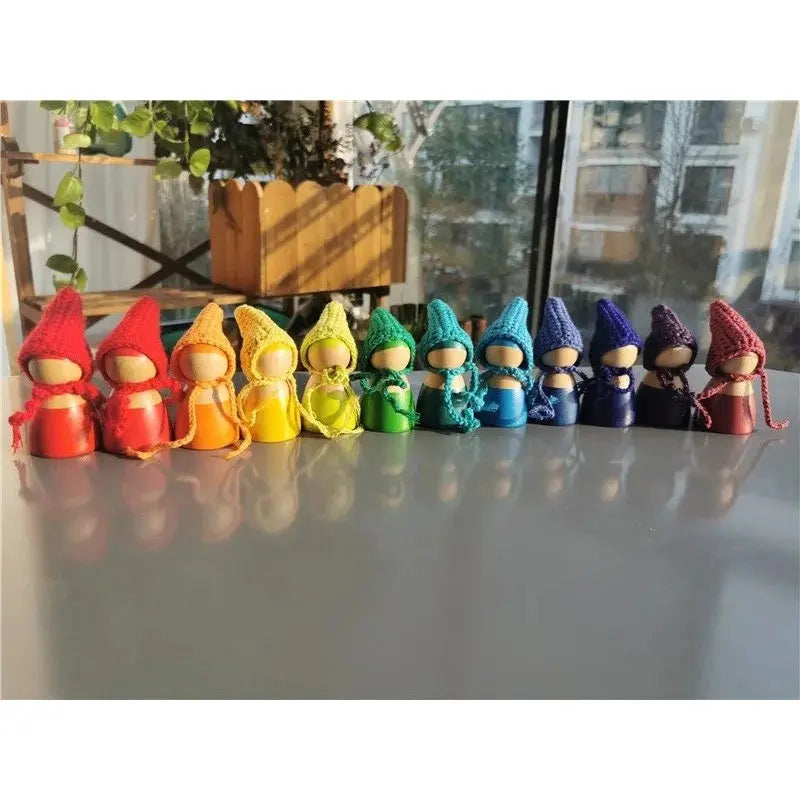
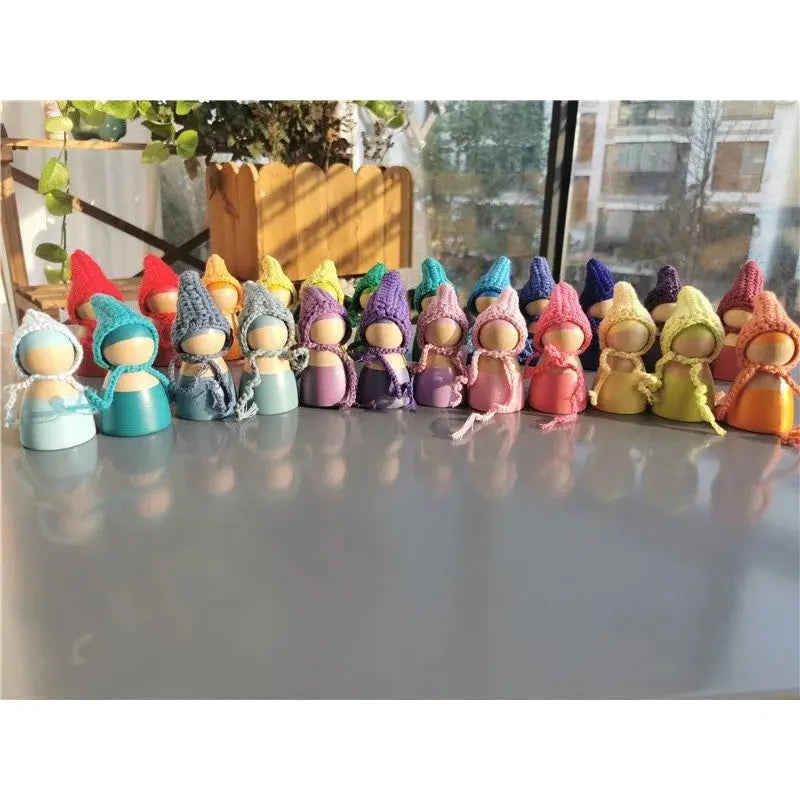
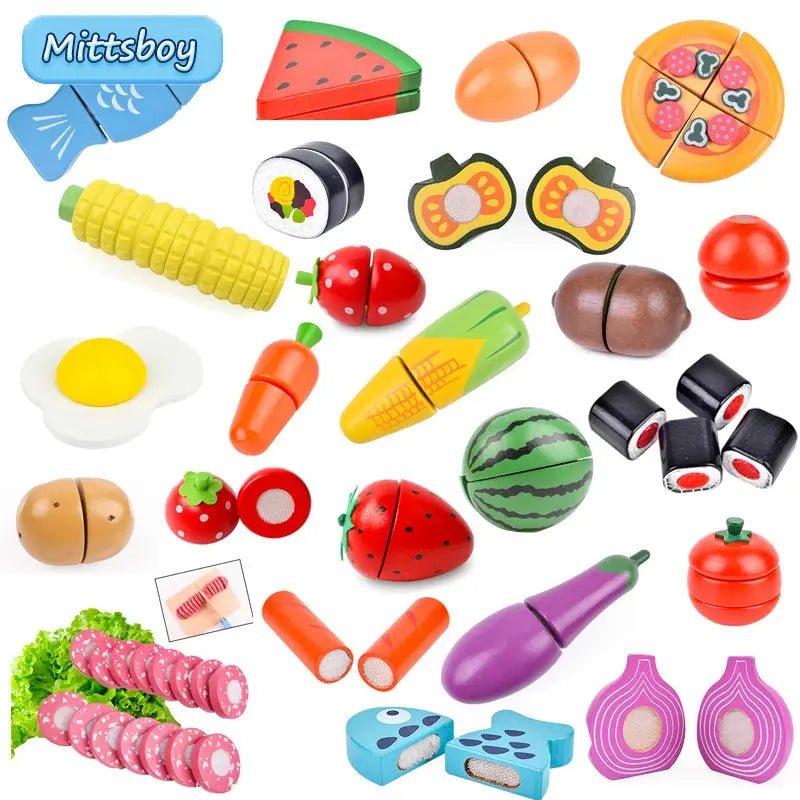
The wooden cutting fruit and vegetables set suits kitchen play from age 3, and the wooden rainbow doll set comes in pastel, rainbow and natural colours with soft crochet hats, for ages 4 and up.
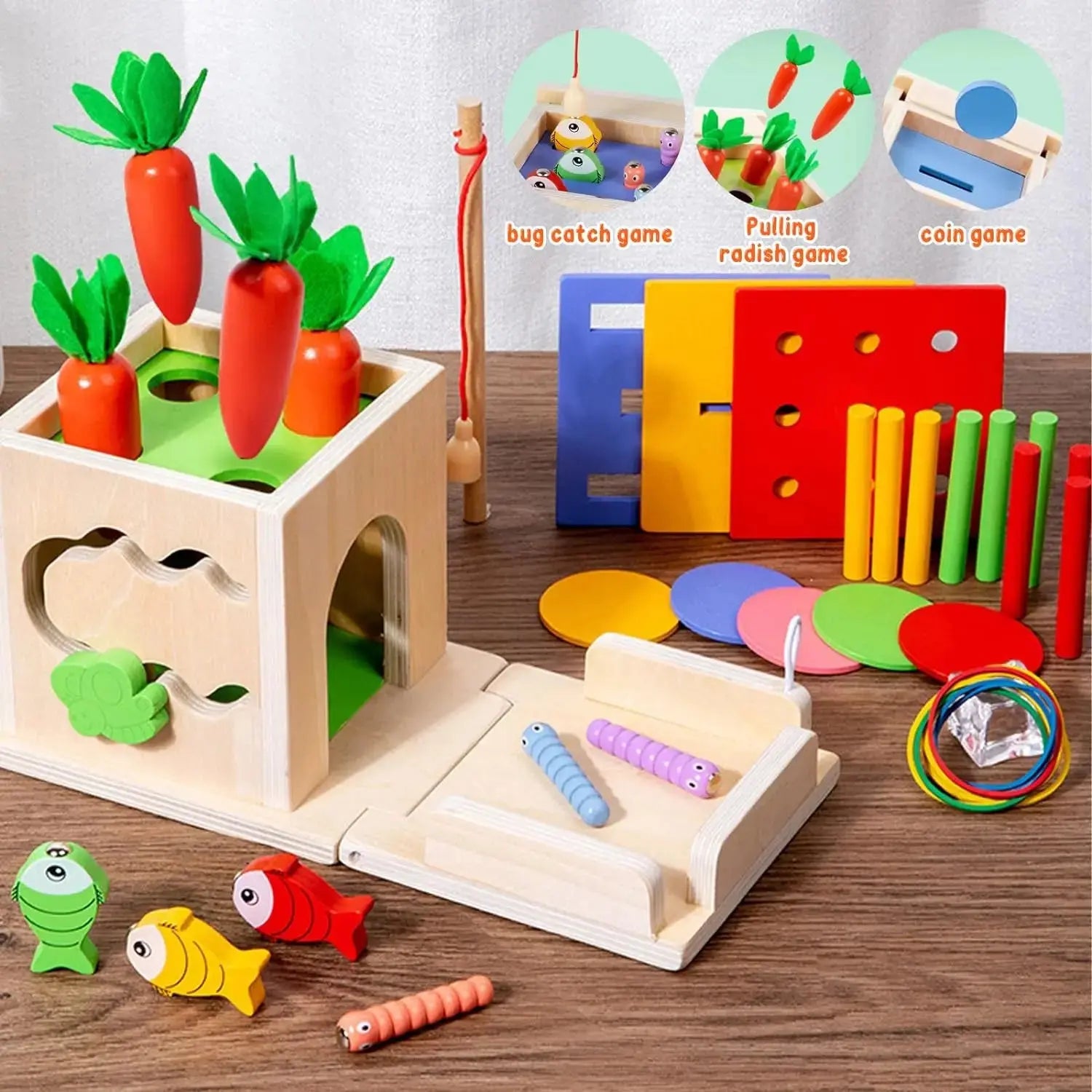
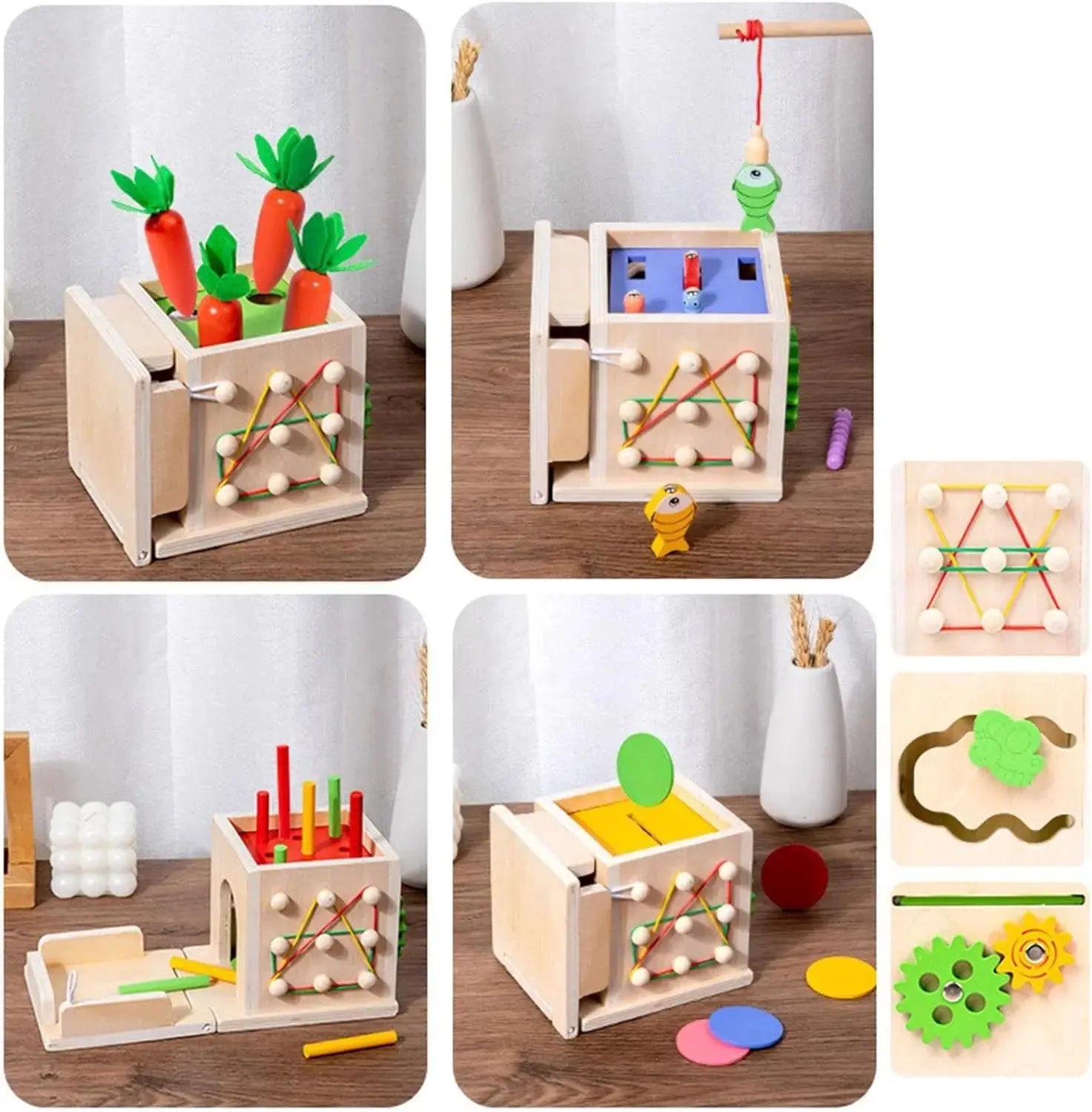
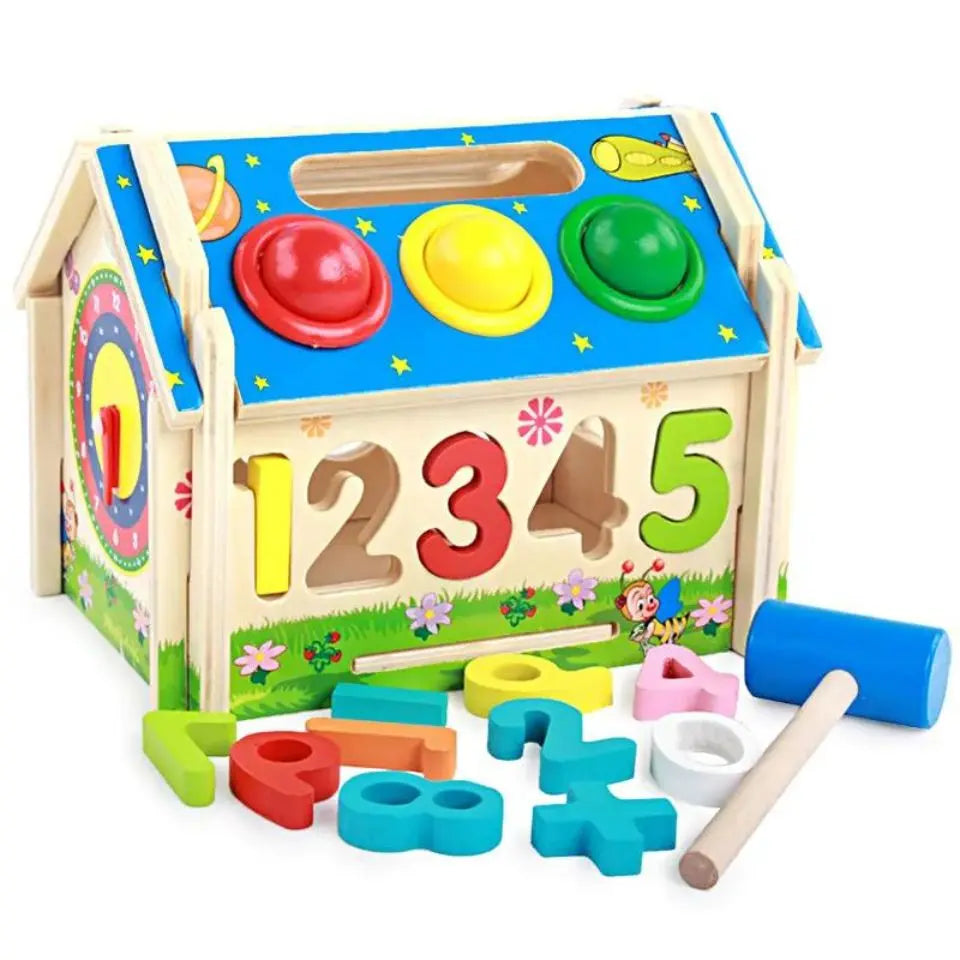
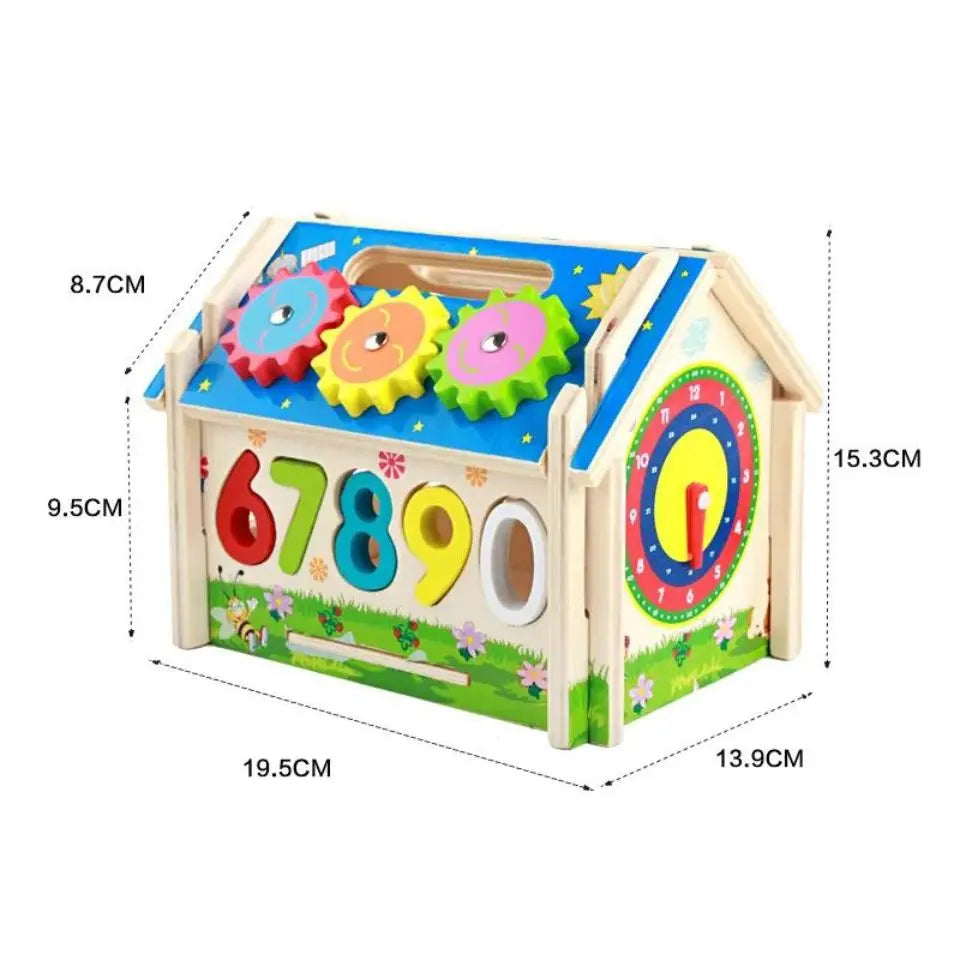
The 5-in-1 wooden matching and fishing board packs alphabet matching, number matching, shapes, stacking rings and a fishing game into one set (36 months+). The wooden activity toy house offers five activities in one compact set (ages 3+).
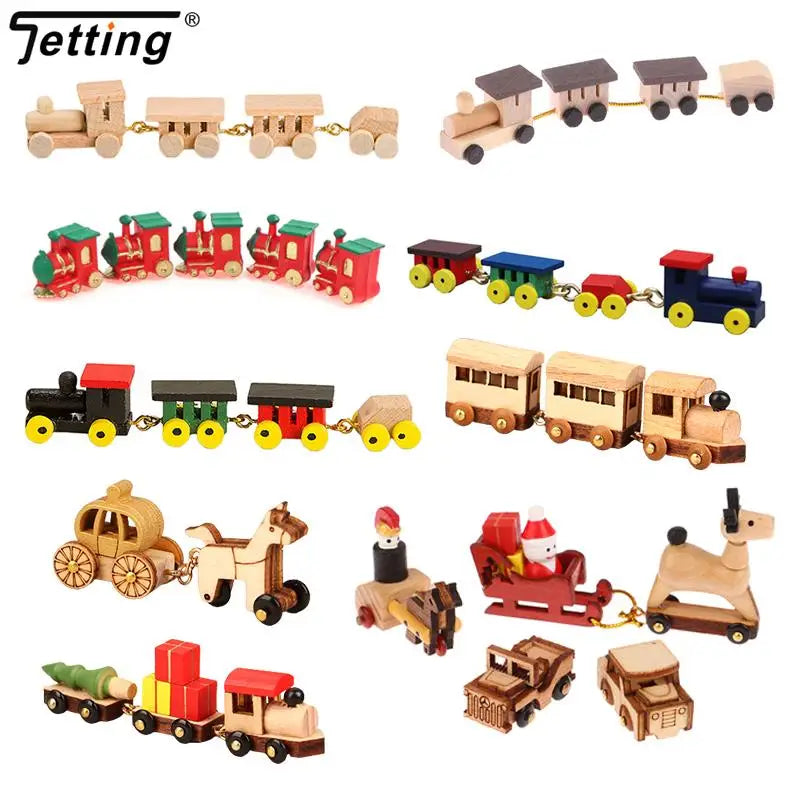
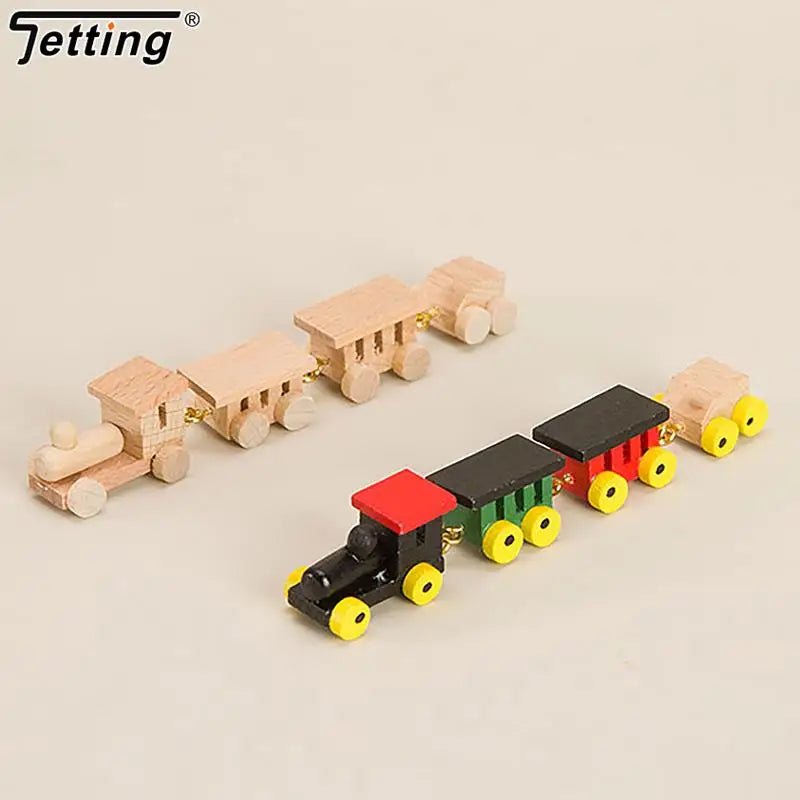
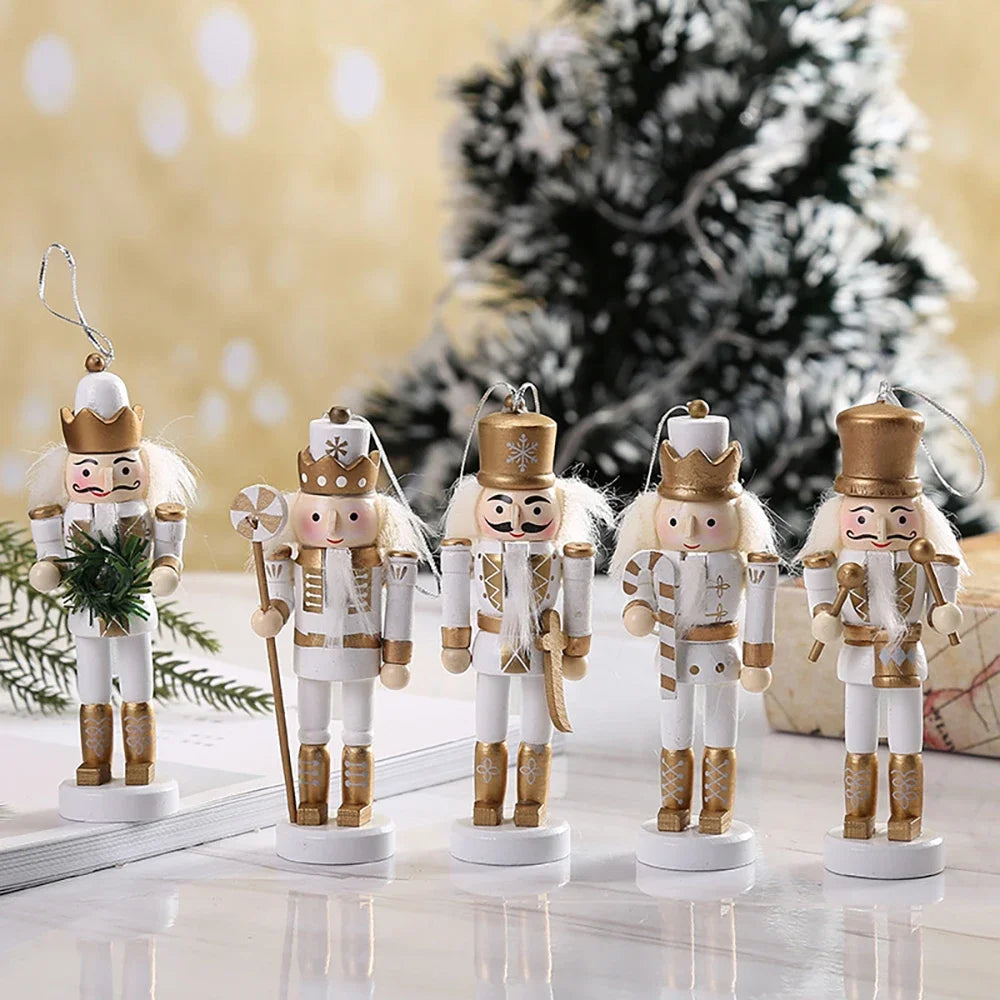
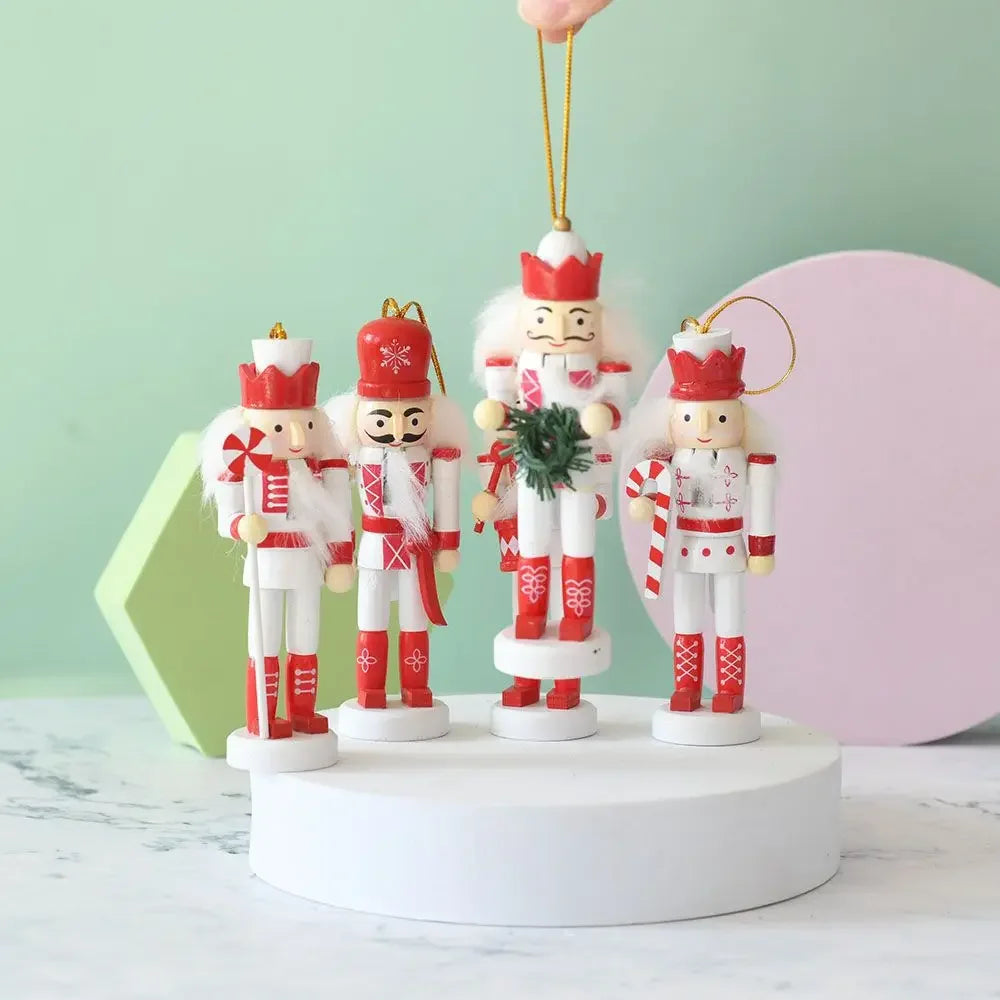
The wooden nutcracker soldier set is a hand-painted Christmas decoration of five 12 cm figures, made for display rather than play. The miniature wooden train is a 10 cm piece for 1:6 or 1:12 scale dollhouses.
Wooden story toys give children characters and props to build their own scenes. The rainbow dolls with crochet hats can become a family, a class or a parade. The miniature train can travel through a dollhouse, and the cutting fruit and vegetables set turns into a cafe, a market stall or a picnic. Ask open questions such as "Where is the train going?" or "Who is hungry?" and let your child lead the story.
Every child is different, and every product has its own age label. Treat these as starting points when you choose a wooden toy.
Look for large, simple pieces with one clear job, such as stacking, sorting or counting. Most wooden toys in this collection are made for older children and labelled 3+ or 4+, so check the age marking carefully before you buy for a toddler. The wooden counting train mentions ages 1 to 5, and its listing asks you to follow the warnings on the delivered packaging. Always keep small parts away from children who still mouth toys.
Puzzles, pretend play, first letters and counting toys give preschoolers plenty to explore, including our kids' puzzles. Three-year-olds can try the lacing board, the magnetic fishing game or the cutting fruit and vegetables set, while 4 and 5 year olds can move on to the 120-piece jigsaw, the pastel blocks or the rainbow doll set. These are the wooden preschool toys that most often get picked as gifts.
Choose toys with more steps if you are shopping for wooden toys for 6 year olds and other early school-age children: the 120-piece jigsaw, the 3D wooden puzzles, the spelling game and the solar system puzzle all reward patience and careful thinking.
Kitchen sets, puzzles and music toys are easy to share between children of different ages. Check the label on each product for the recommended age, and keep toys made for older children away from younger siblings.
Educational wooden toys turn early learning into something children can hold, match and rearrange. These wooden learning toys cover the skills parents ask about most:
For more ideas beyond wood, browse our educational toys collection.
Looking for cheap wooden toys, party-bag gifts or stocking fillers? Several small wooden toys start under $10, so they are an easy way to try wooden play:
Prices and options change, so check each listing for the current price.
Montessori-inspired toys usually keep the design simple and ask the child to do something: match, sort, thread, build or self-check. This does not mean a toy is an official Montessori classroom material, and it is not a safety certification. It describes the style of play.
If that is the style you are looking for, browse our Montessori wooden toys collection, or see the full Montessori toys range, which also includes busy boards and toys made from other materials.
Neither is better for every child. Wooden toys tend to be tactile, simple and quiet, which suits matching, building and pretend play. Plastic toys are often lighter and may include lights or sounds. Choose by the kind of play you want, and read the age label either way. Our guide to wooden toys vs plastic toys compares them in more detail.
Single-skill sorting, lacing and counting toys. See our Montessori wooden toys.
Wooden and other puzzles for different ages. Browse kids' puzzles.
Learning toys for letters, numbers and science. Explore educational toys.
Montessori and Montessori-inspired toys of every material. Shop Montessori toys Australia.
Read the full shipping policy and refund policy before you order.
Toys4us is an online wooden toy shop that delivers within Australia. Browse the collection above, then open each listing for the current price, options and age label. You can read our shipping policy and refund policy before you order.
Wooden toys here start from $3.99, and most in-stock listings start under $30. Larger sets, such as the pastel wooden stacking blocks, cost more, and prices can differ by option, so check the price for the style you choose.
Yes. Toys4us delivers within Australia, including capital cities such as Melbourne, Sydney, Brisbane, Perth and Adelaide. Some remote or restricted areas may have limited delivery options, so check the shipping policy if you are unsure. Orders are usually dispatched within 2 to 4 business days, and standard delivery generally takes about 2 to 4 business days after that.
Look for large, simple pieces with a stated age that suits your child, such as stacking, sorting or counting toys. Most wooden toys in this collection are labelled 3+ or 4+, and the wooden counting train mentions ages 1 to 5. Check each age label and keep small loose pieces away from children who mouth toys.
Longer puzzles, building sets and pretend-play toys suit this age well. Examples include the 120-piece wooden jigsaw puzzle, the pastel wooden stacking blocks and the wooden rainbow doll set, all labelled for ages 4 and up.
It depends on what your child is learning. The wooden spelling game suits early spelling, the wooden abacus and xylophone suits counting, the numbers and letters learning toy covers both, and puzzles suit shapes and problem-solving. Check the age label on each product.
Options include the pastel wooden stacking blocks in several set styles, the wooden cutting fruit and vegetables set, the wooden rainbow doll set with crochet hats and the 5-in-1 wooden matching and fishing board. Open each listing to see what is included in the option you choose.
They are different. Wooden toys tend to be quiet and hands-on, which suits matching, building and pretend play. Electronic toys can add lights and sounds. The best choice depends on the kind of play you want.
It is usually simple, focused on one skill and lets children check their own work, such as a puzzle or a matching game. It is a style of play, not an official classroom material or a certification. See our Montessori wooden toys for examples.
Toys do not need to be sorted by gender. Choose by what your child enjoys: puzzles, kitchen play, dolls, music, trains or building.
Unused toys in their original, unopened packaging can be returned within 14 days of purchase for an exchange or store credit. If a toy arrives damaged or faulty, contact info@toys4us.au and we will arrange a replacement or a full refund. The full steps are in our refund policy.
Wipe them with a soft, slightly damp cloth and dry them straight away. Do not soak wooden toys, and follow any care instructions on the product page.
Read the age label and warnings, look at the size of the pieces and think about whether your child still mouths toys. If a toy is made for older children, keep it away from younger siblings.
Start with a puzzle, a first learning game or a pretend-play set, then add a small wooden toy from under $10. You can also explore our kids' puzzles and educational toys.
Shop all wooden toys