

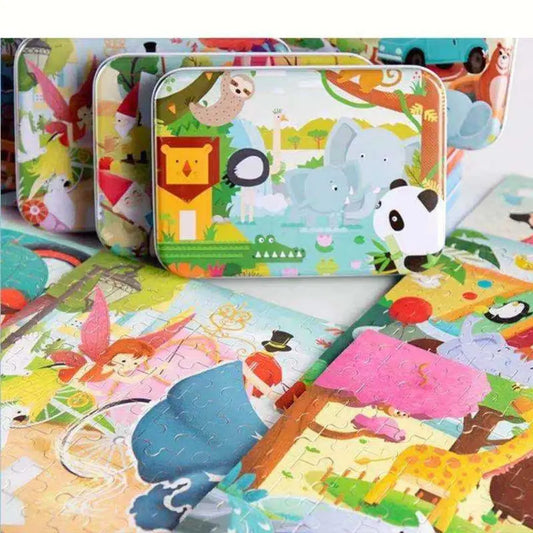
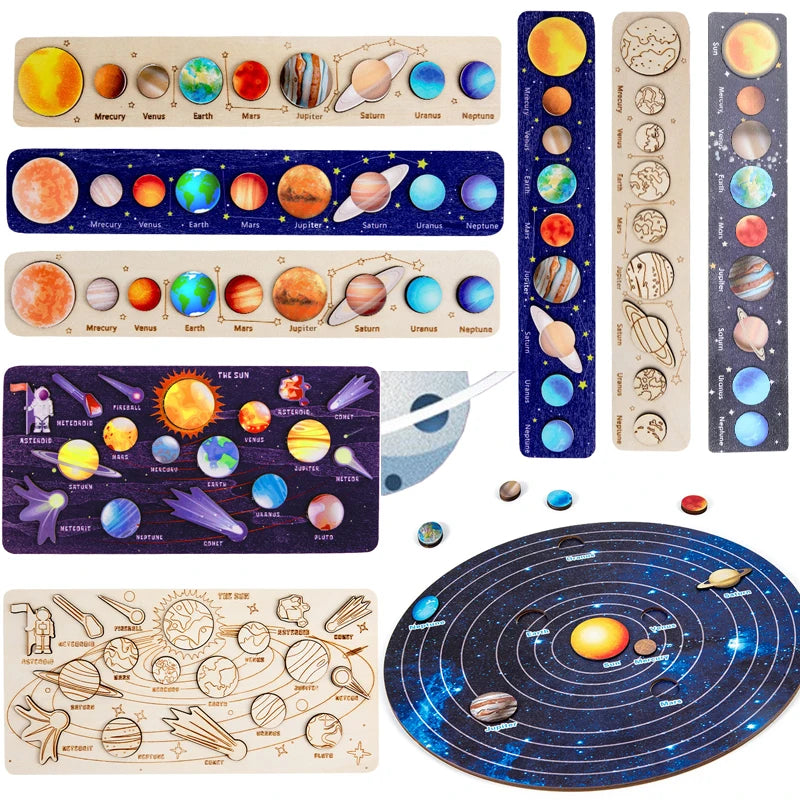
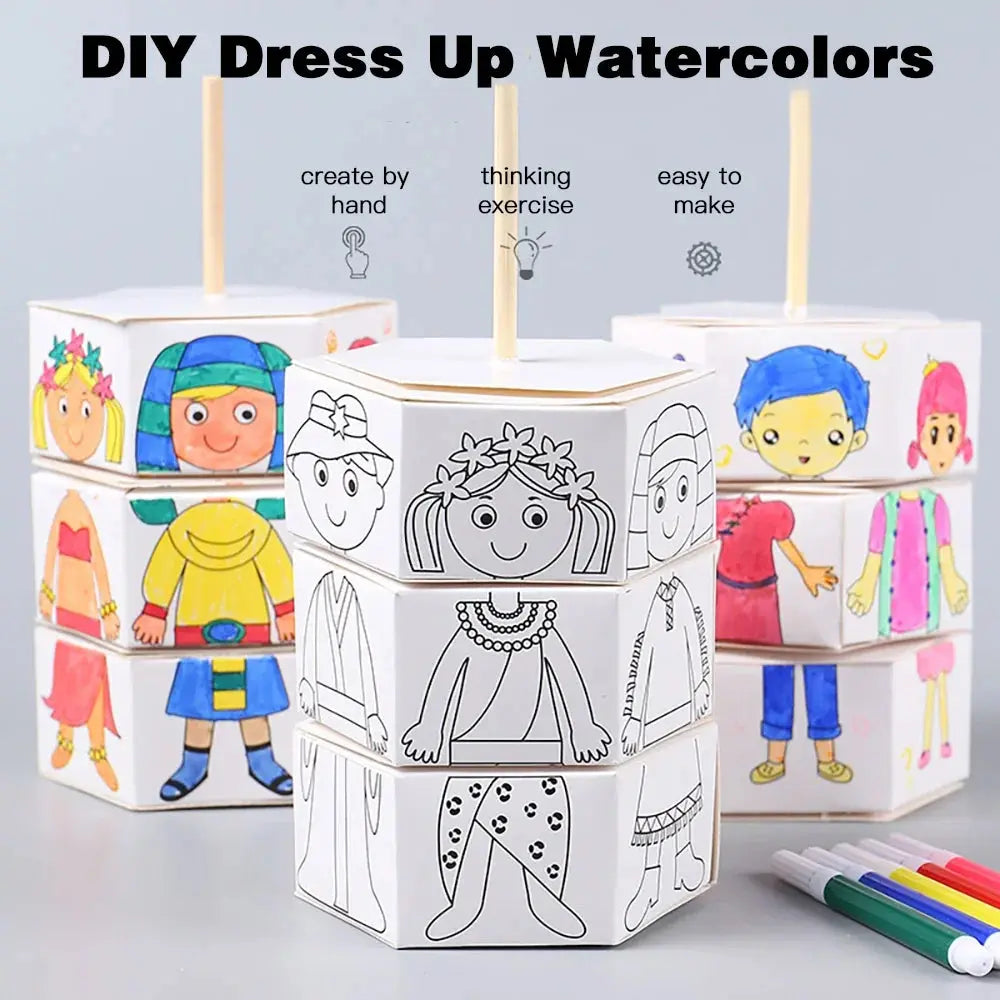
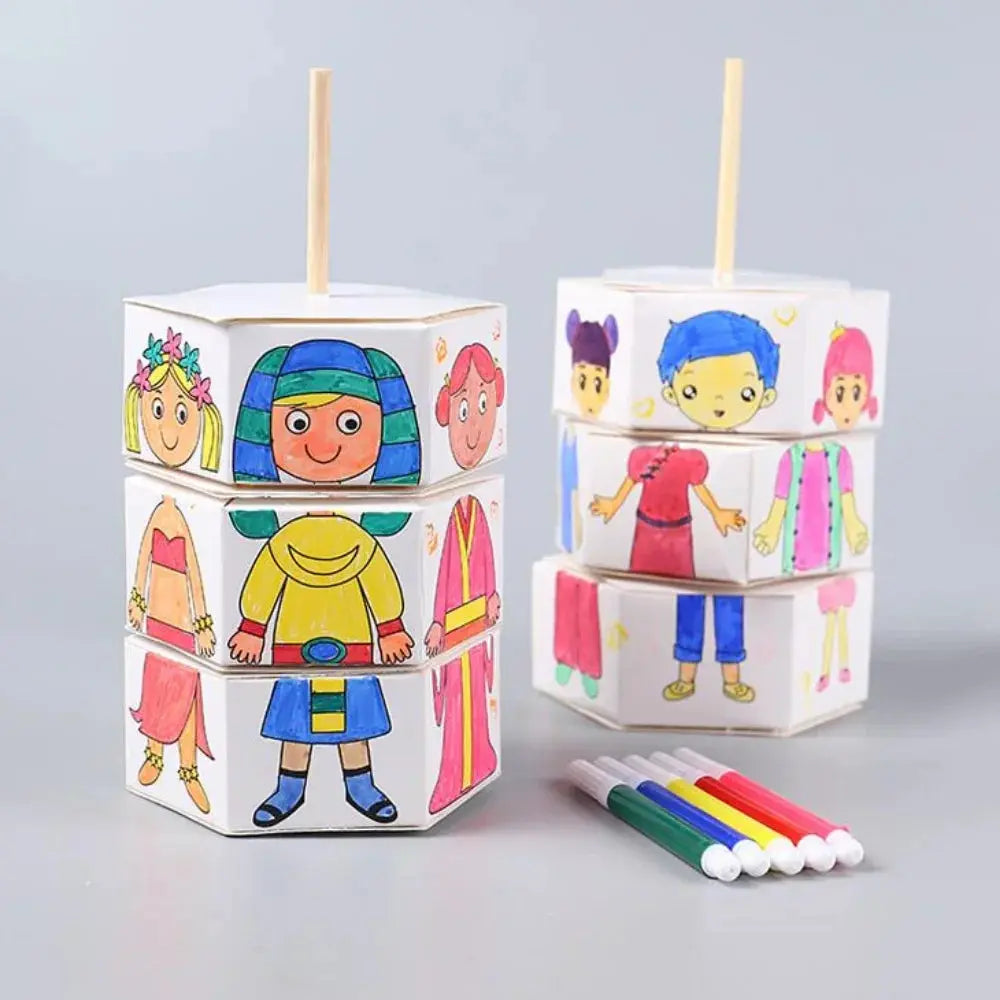
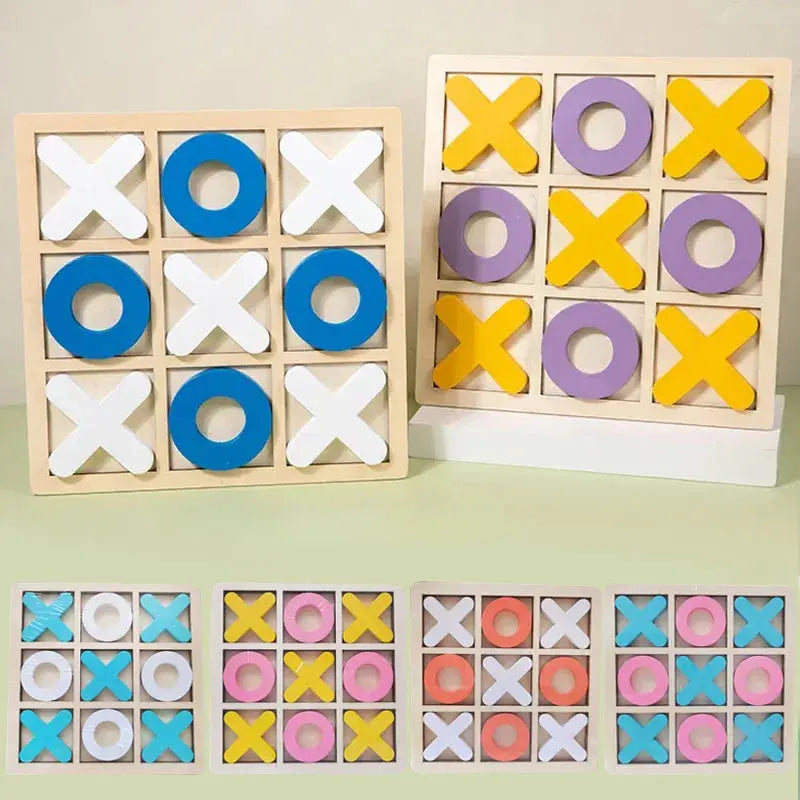
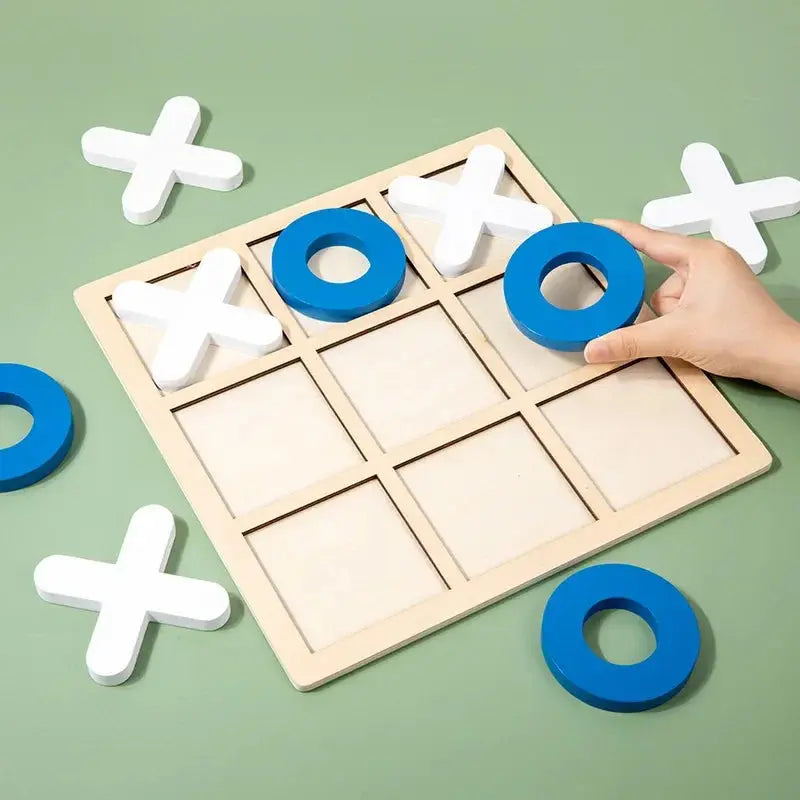
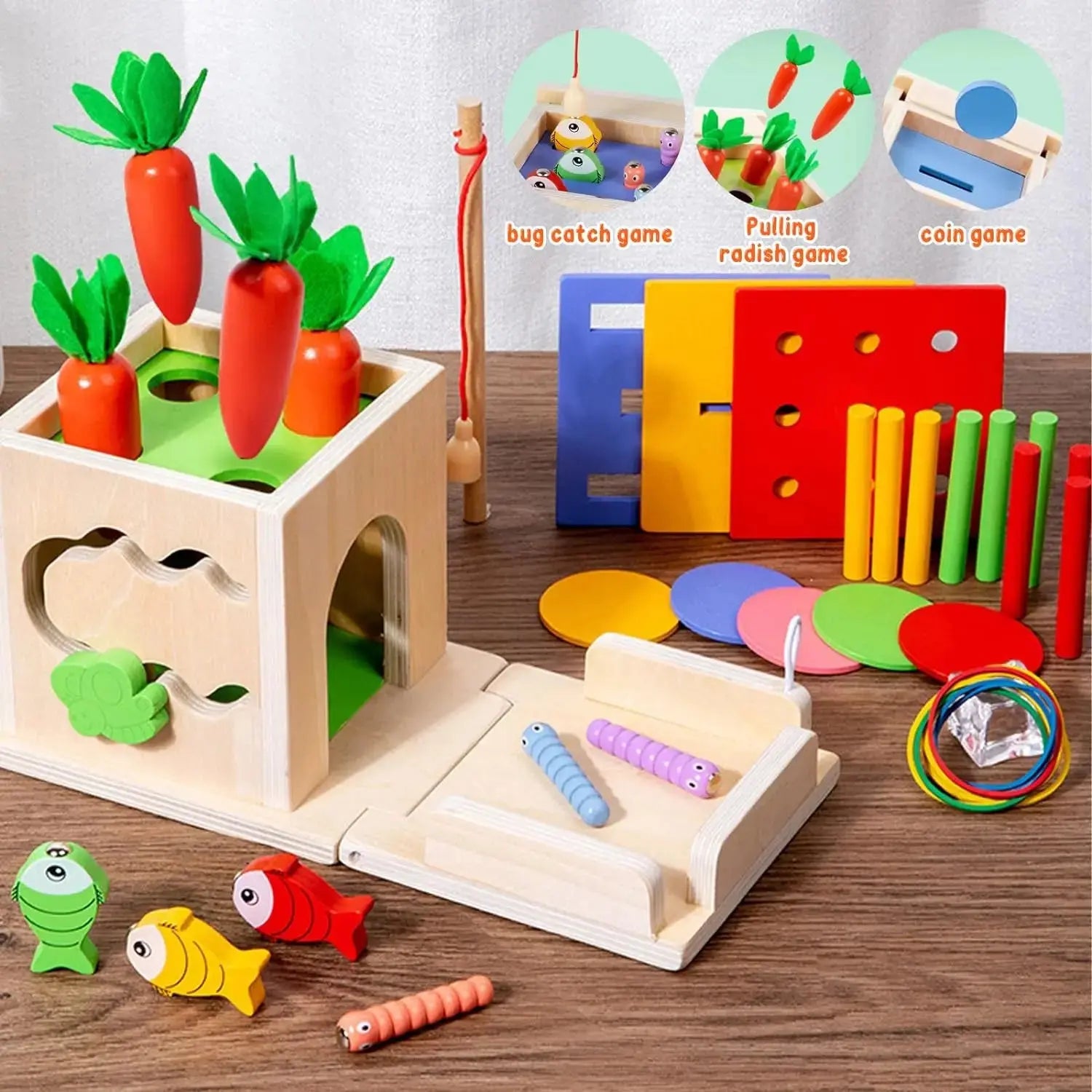
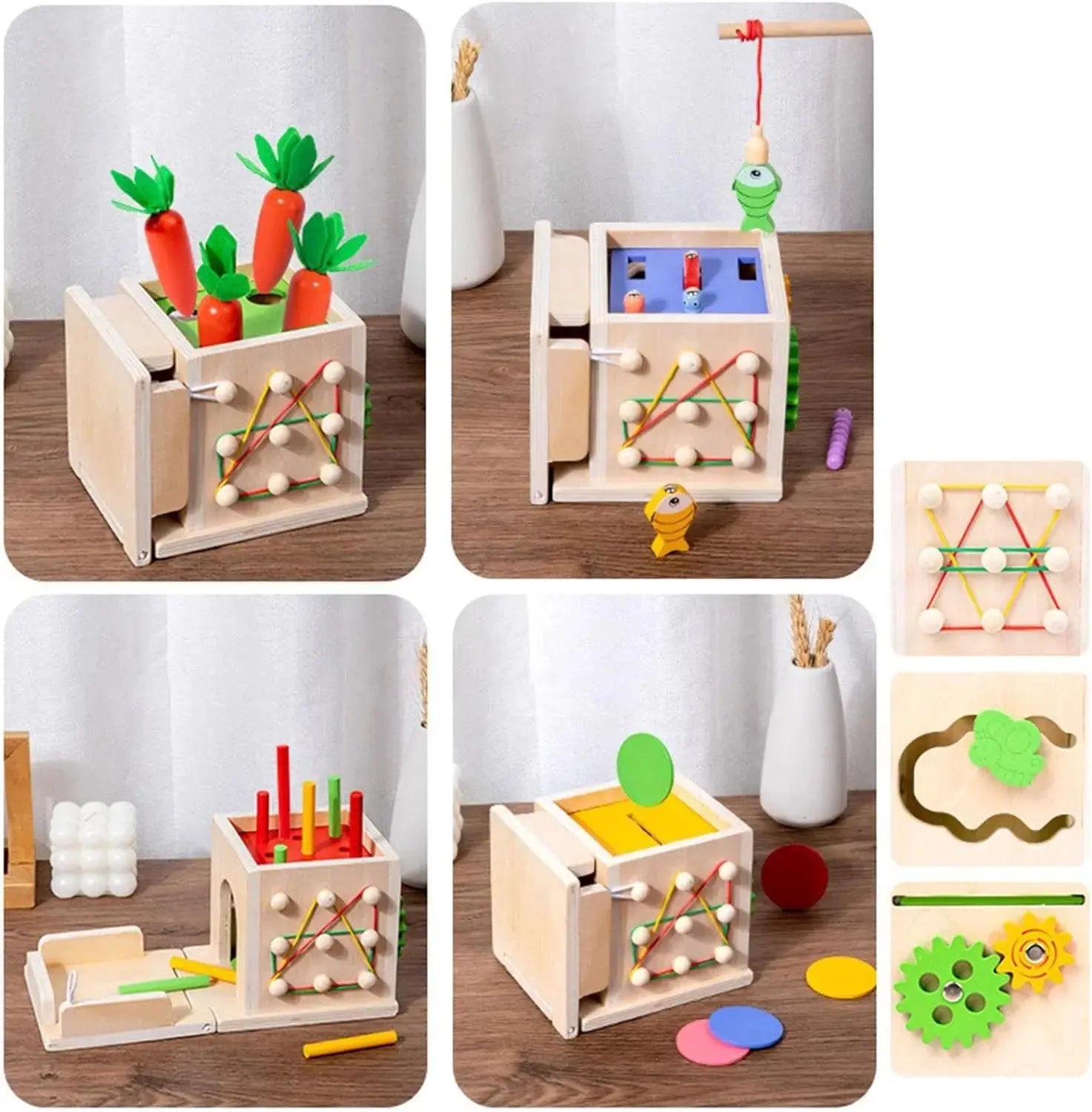
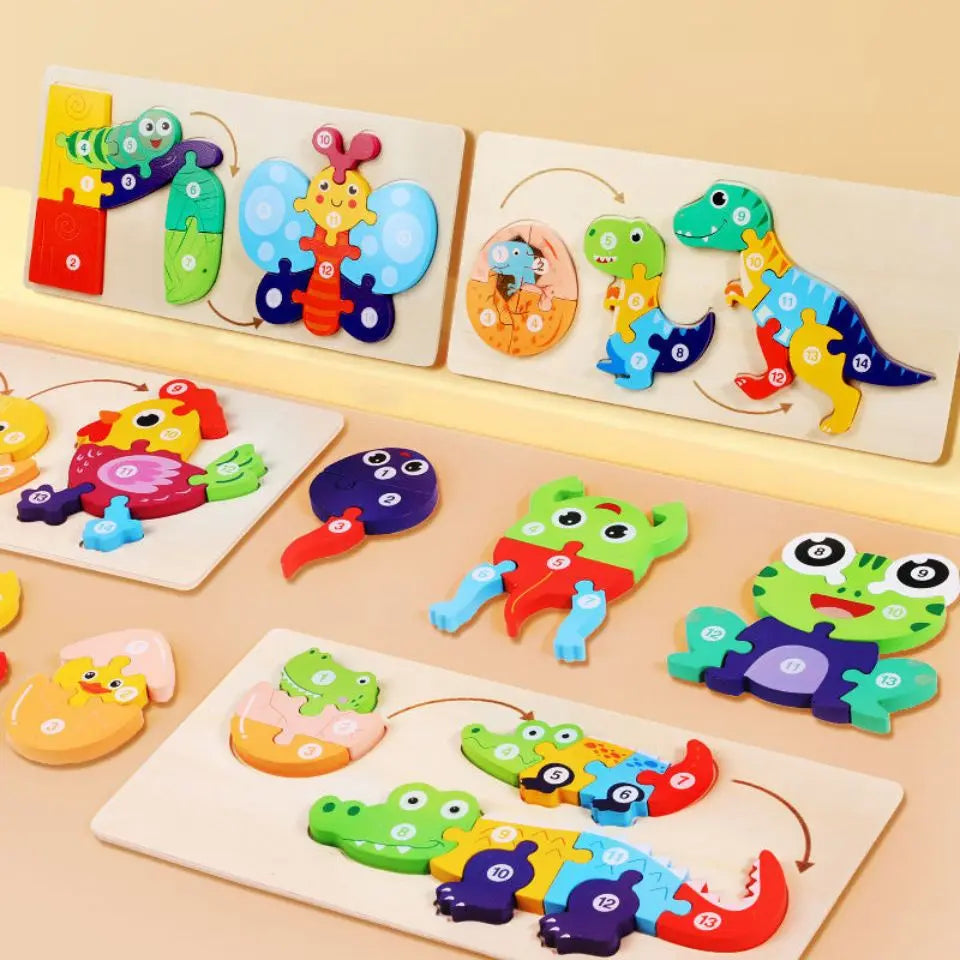
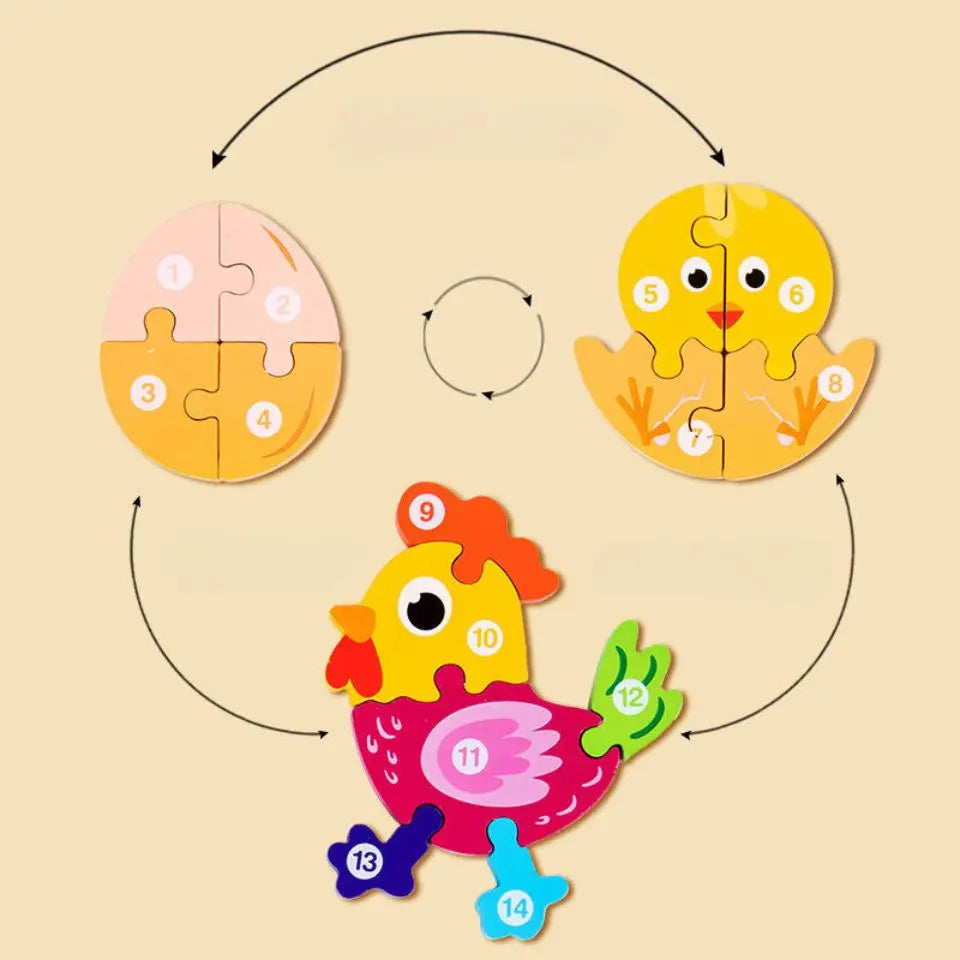
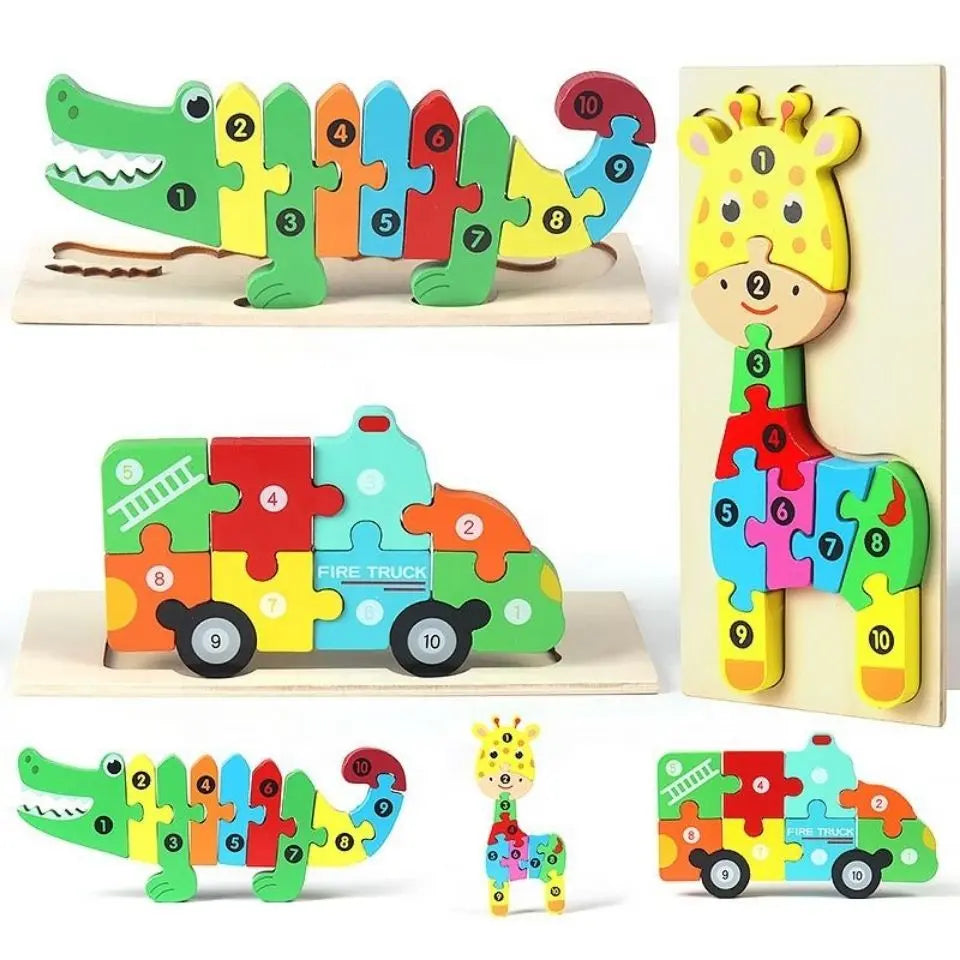
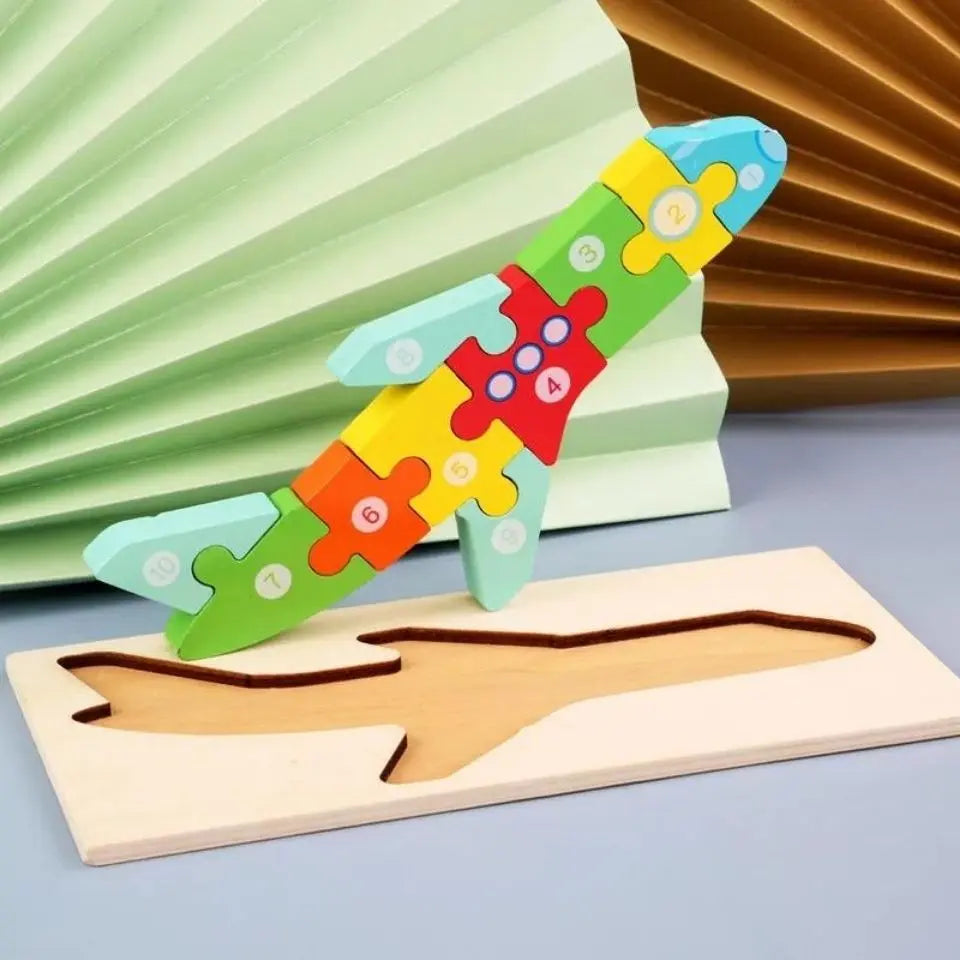
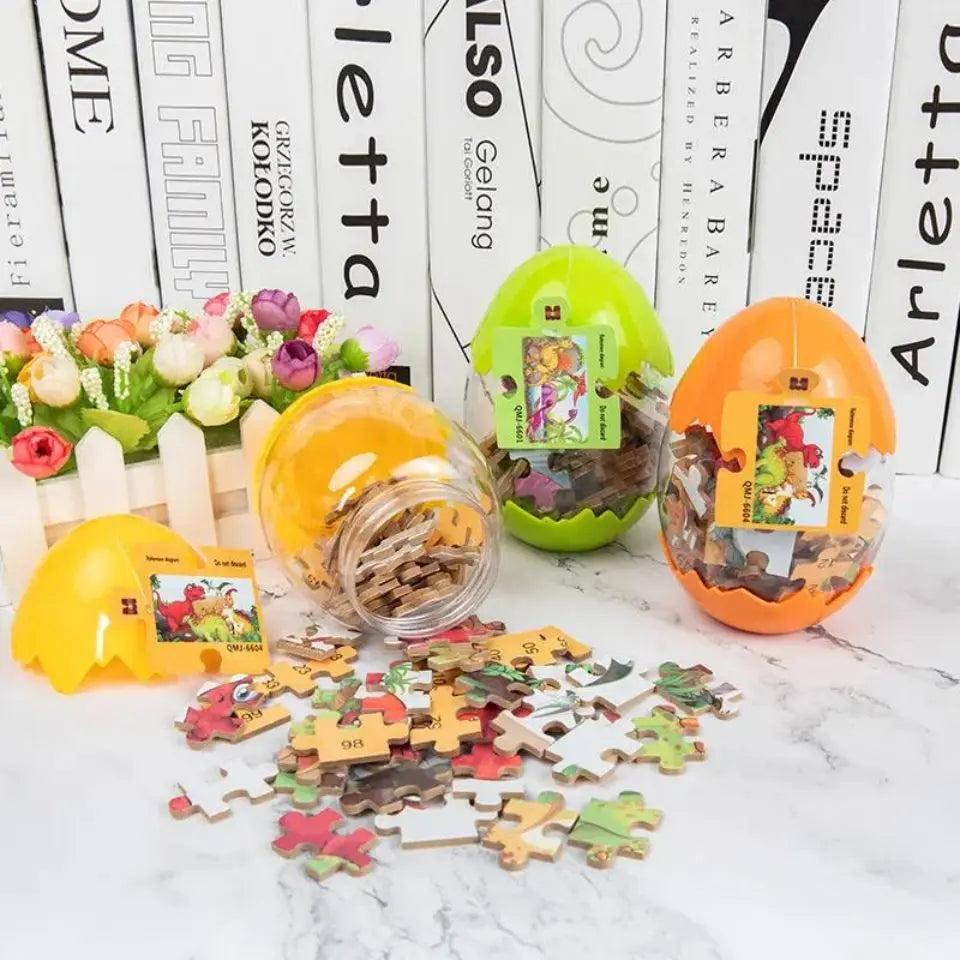
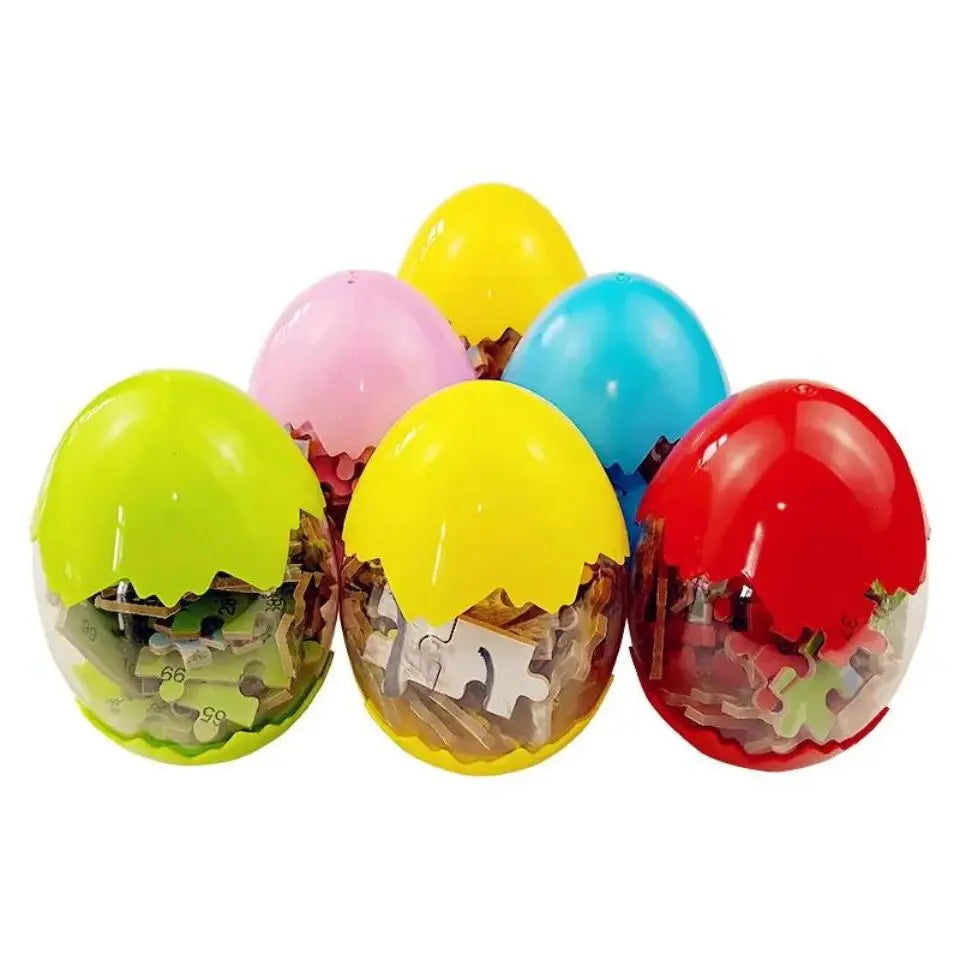
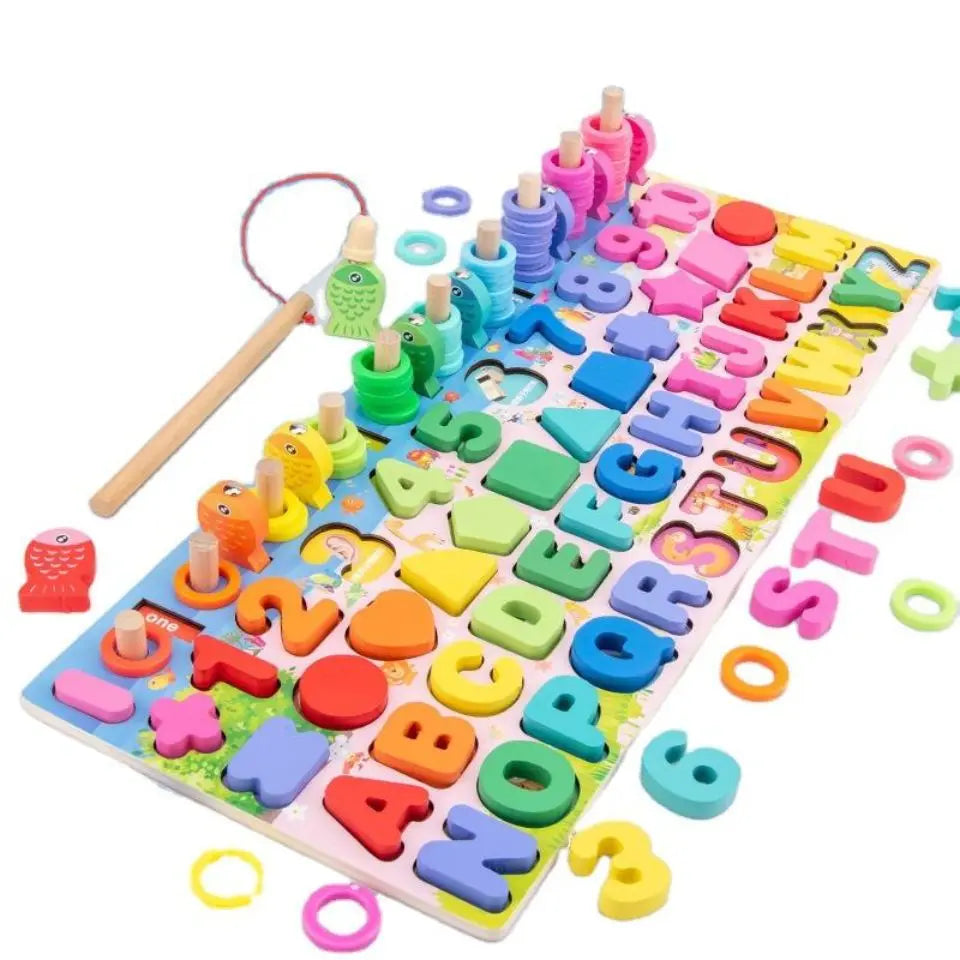

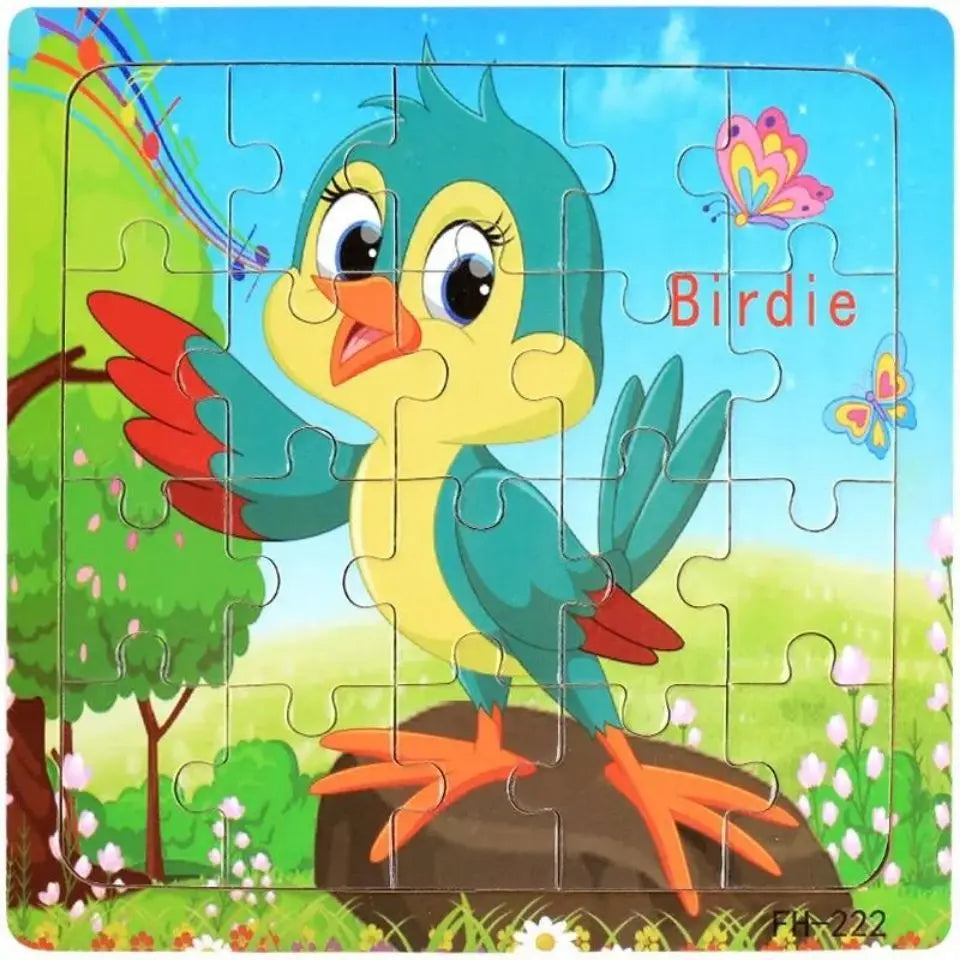
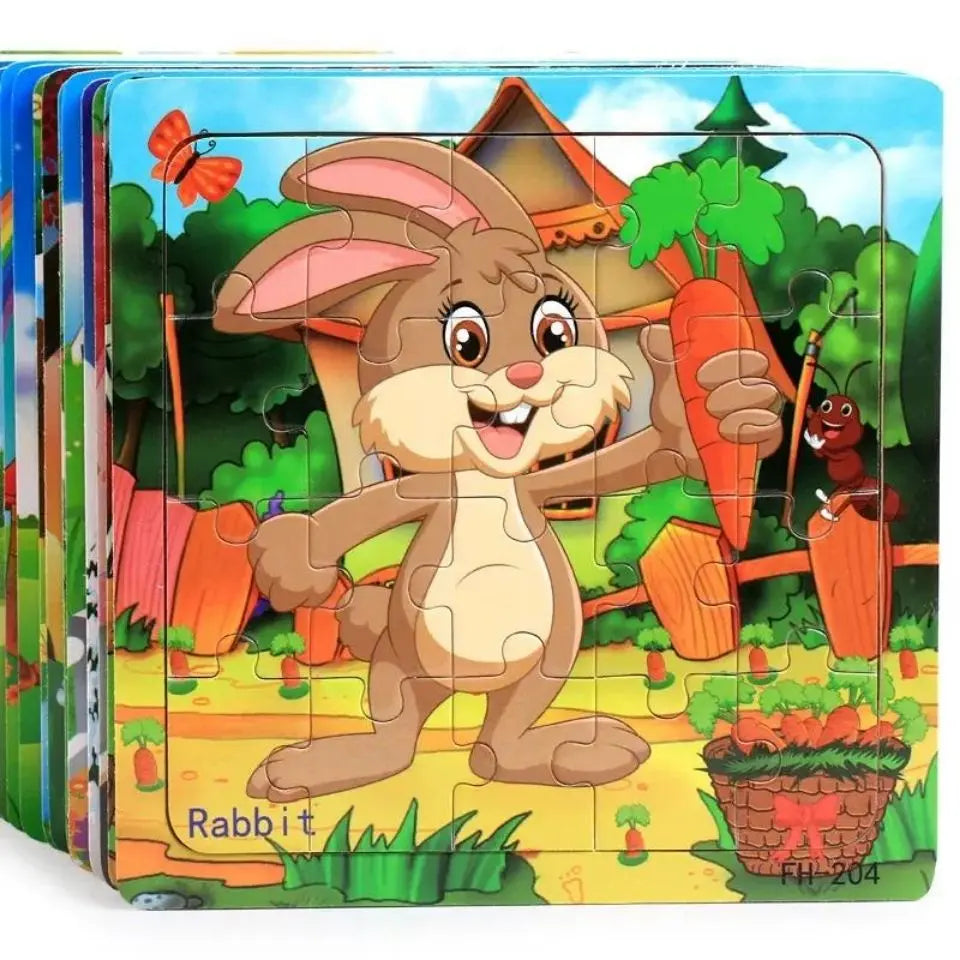
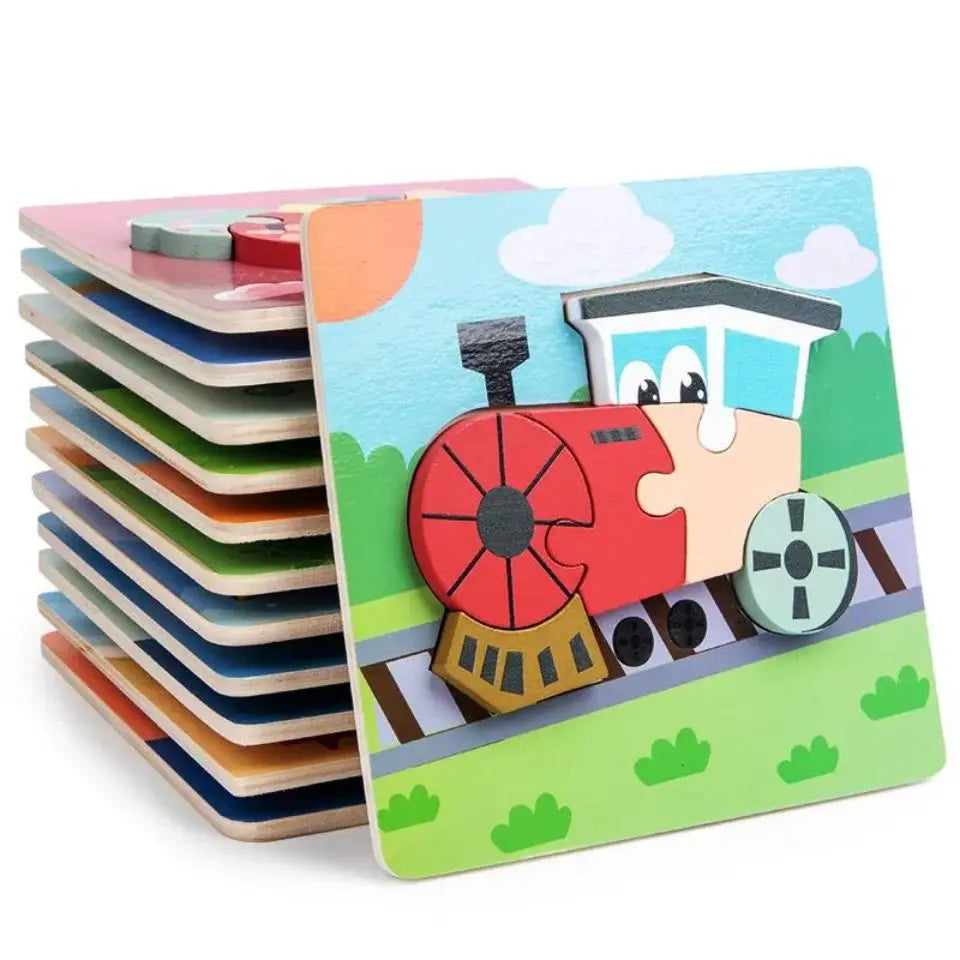
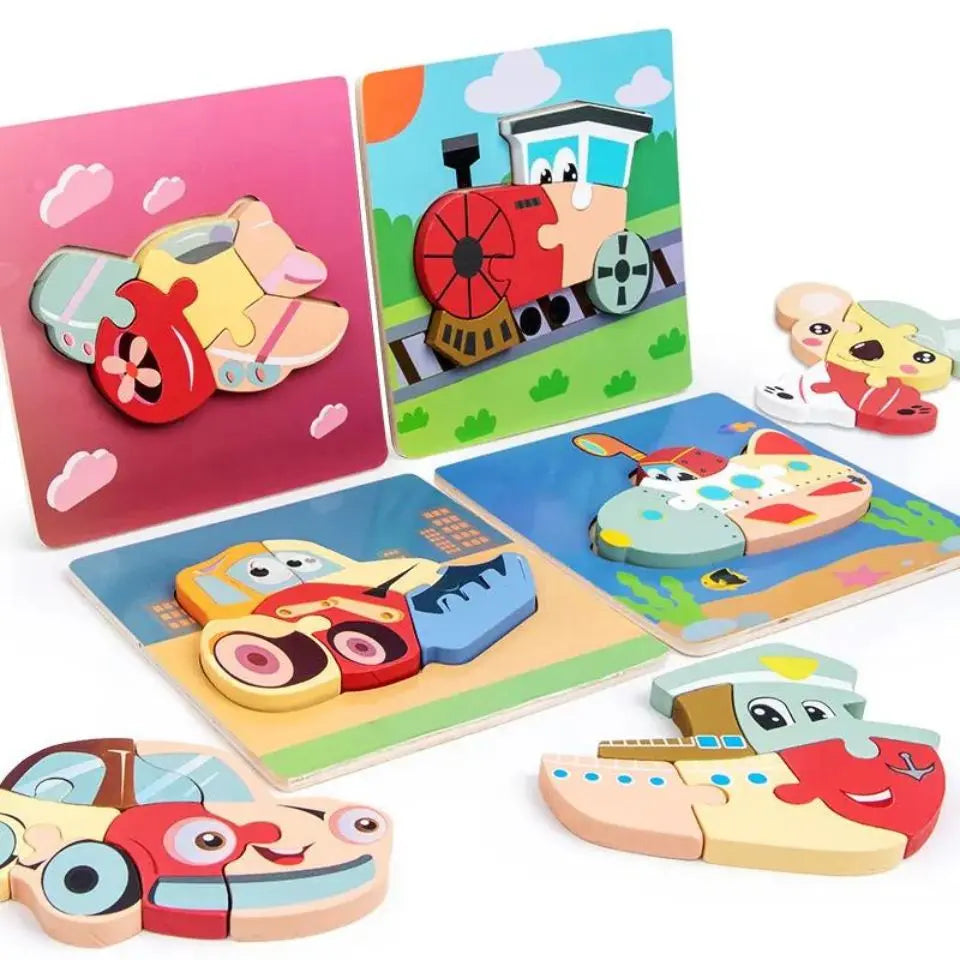
Wooden and 3D puzzles
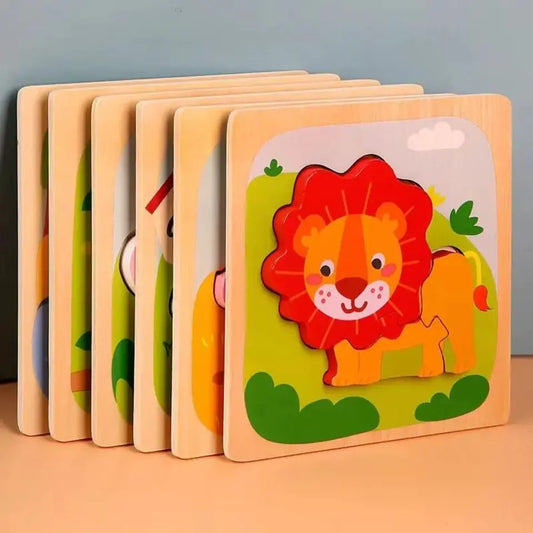
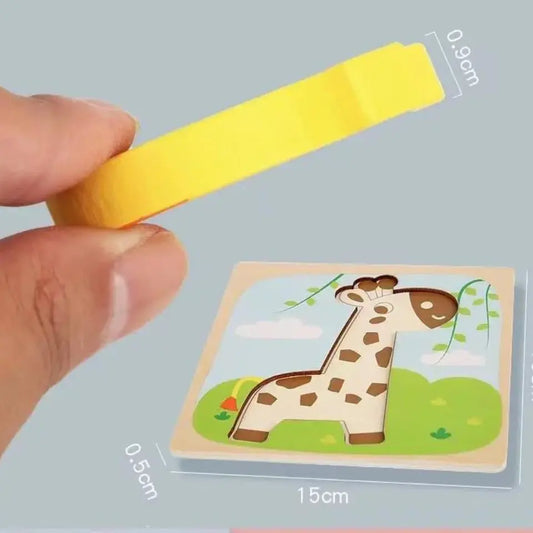
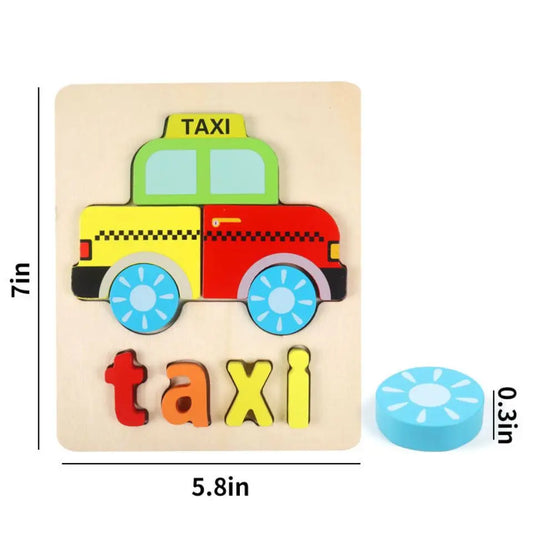
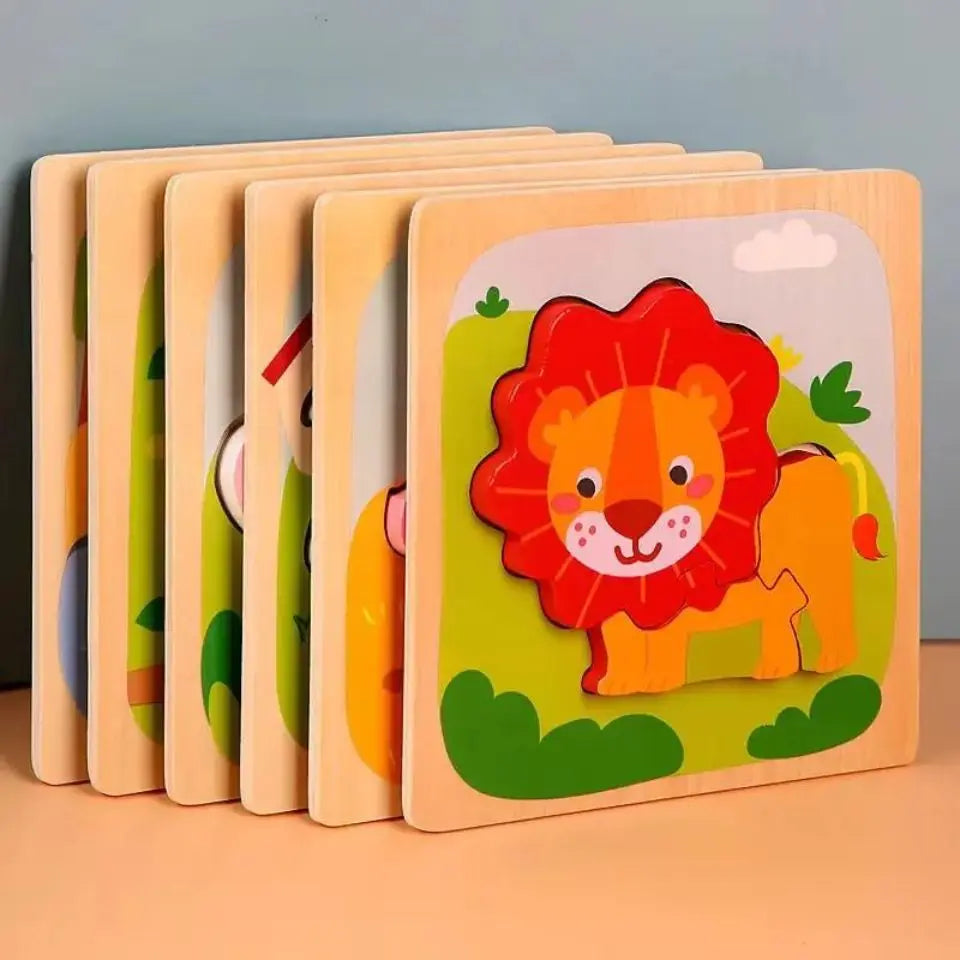
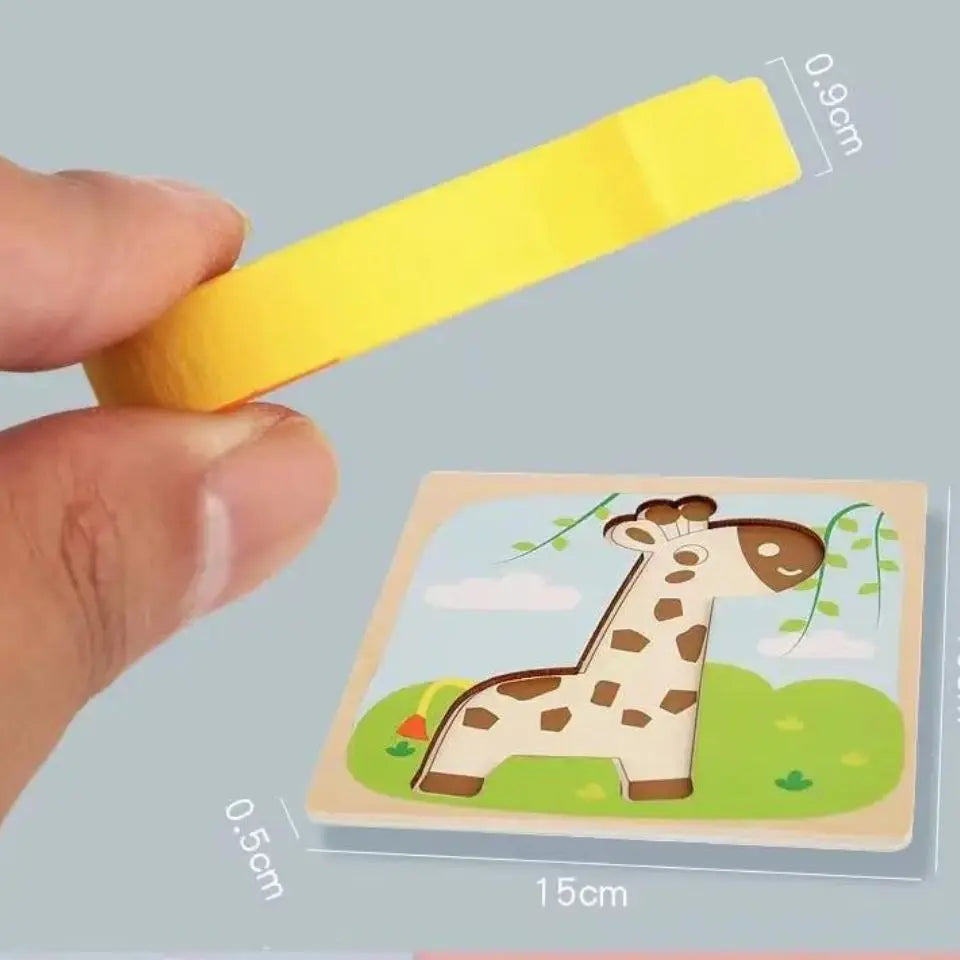
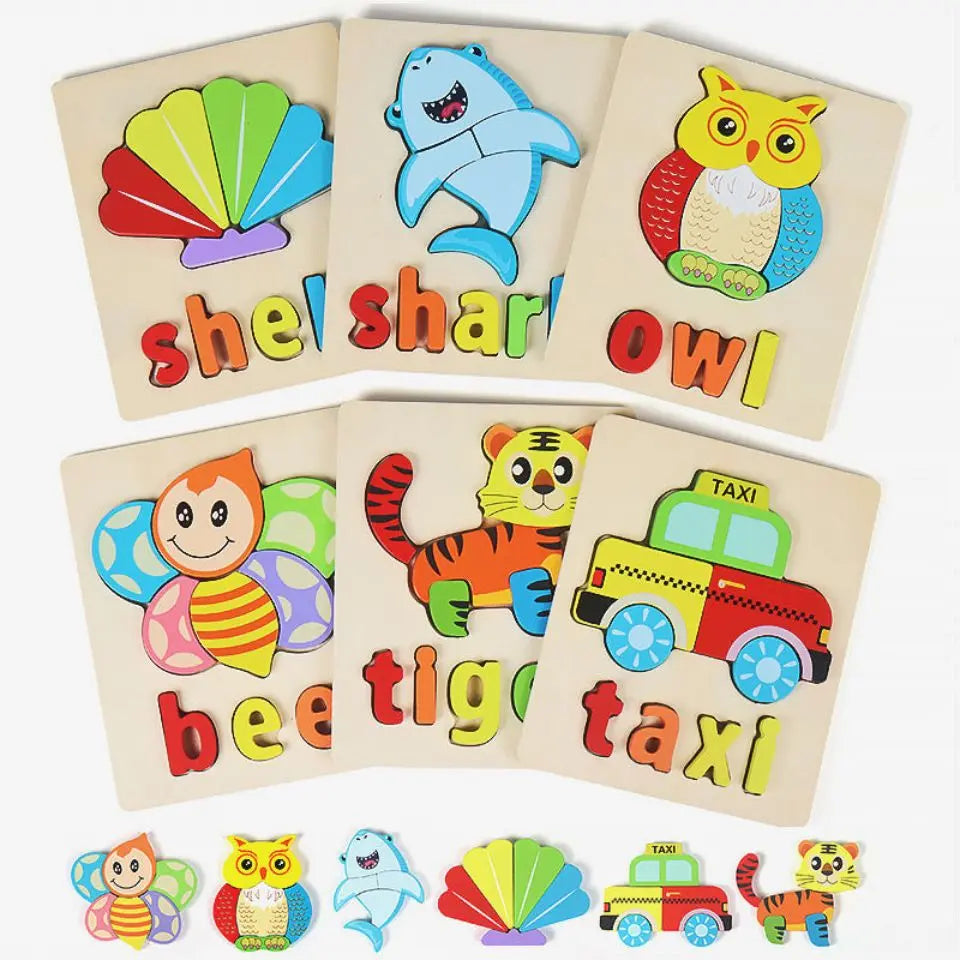
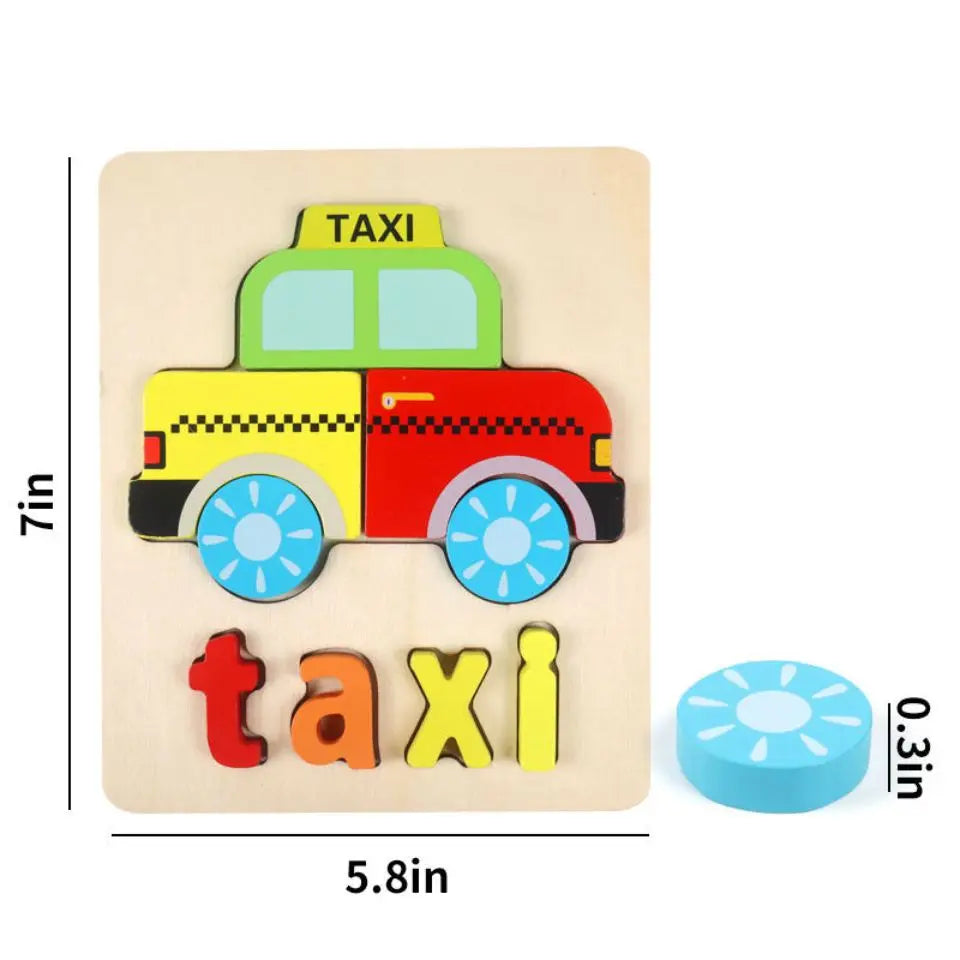
Chunky shapes and stand-up pieces can be easier to handle than thin pieces, while 3D designs add a building element. Compare the exact piece size, finish and recommended age on the product page.
Showing 1 -19 of 19 items
Explore a world of fun and learning with kids’ puzzles at Toys4Us Australia. From colourful jigsaw puzzles and wooden animal puzzles to magnetic books, matching activities and educational puzzle toys, this collection gives children different ways to look closely, test ideas and fit pieces together.
Whether you are shopping for a toddler, preschooler or older child, start with the child’s current ability and interests rather than choosing by piece count alone. Open each product page to check its recommended age, dimensions, inclusions and warnings before ordering.

At Toys4Us, we believe playtime should inspire curiosity and learning. The current collection includes themes such as animals, vehicles, dinosaurs, numbers, anatomy and space, with formats ranging from simple inset puzzles to 3D builds and multi-piece jigsaws.
Chunky shapes and stand-up pieces can be easier to handle than thin pieces, while 3D designs add a building element. Compare the exact piece size, finish and recommended age on the product page.
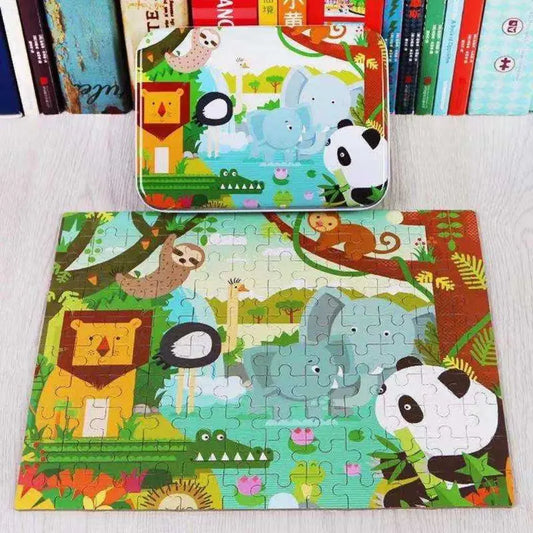
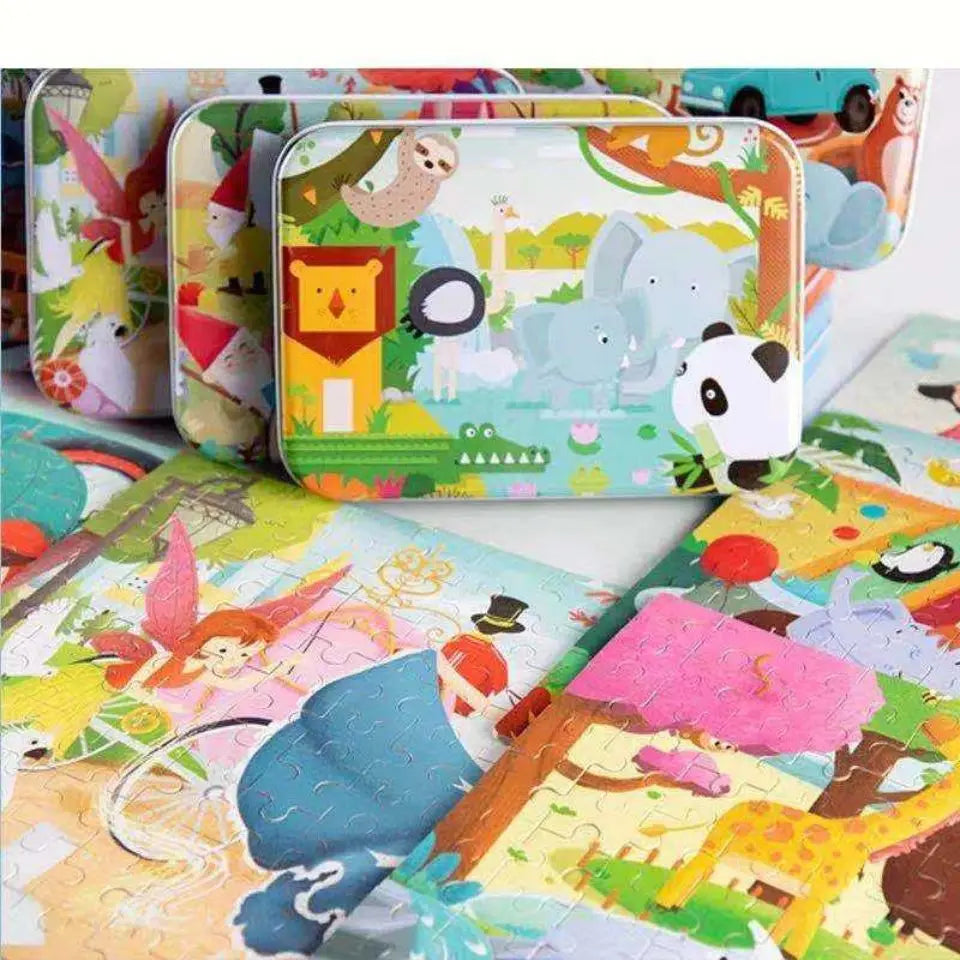
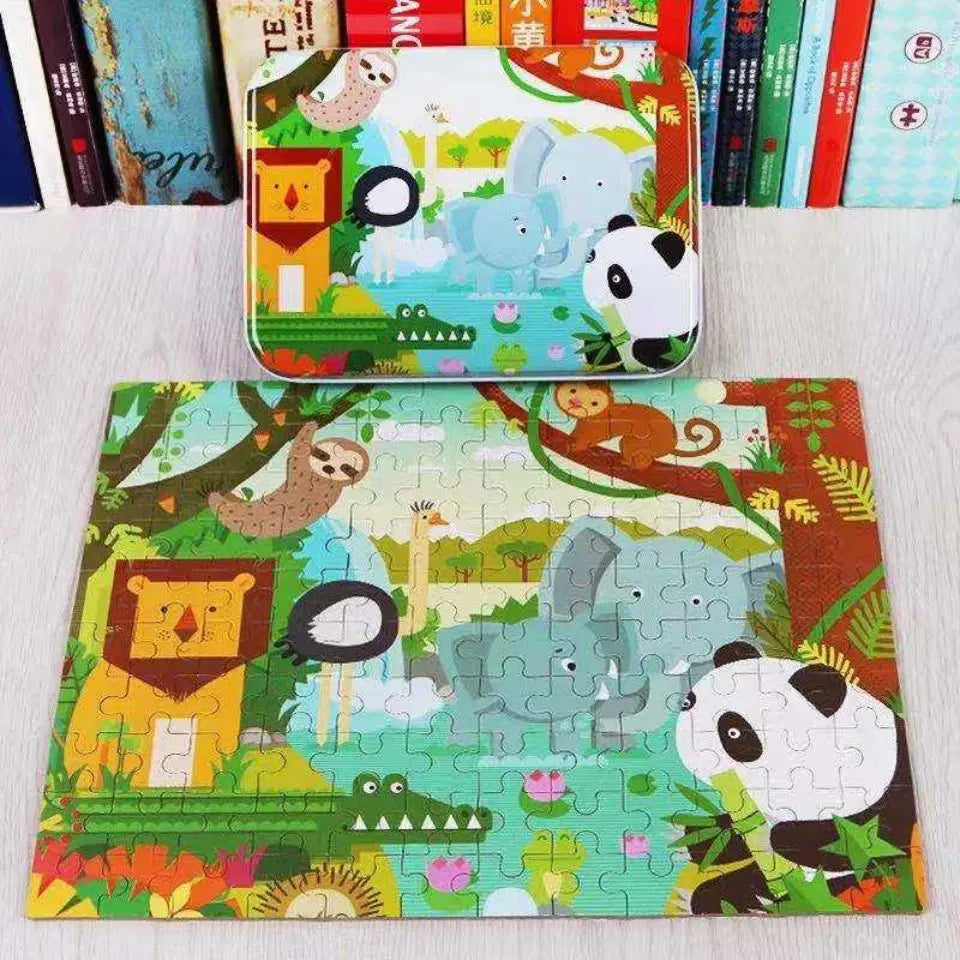
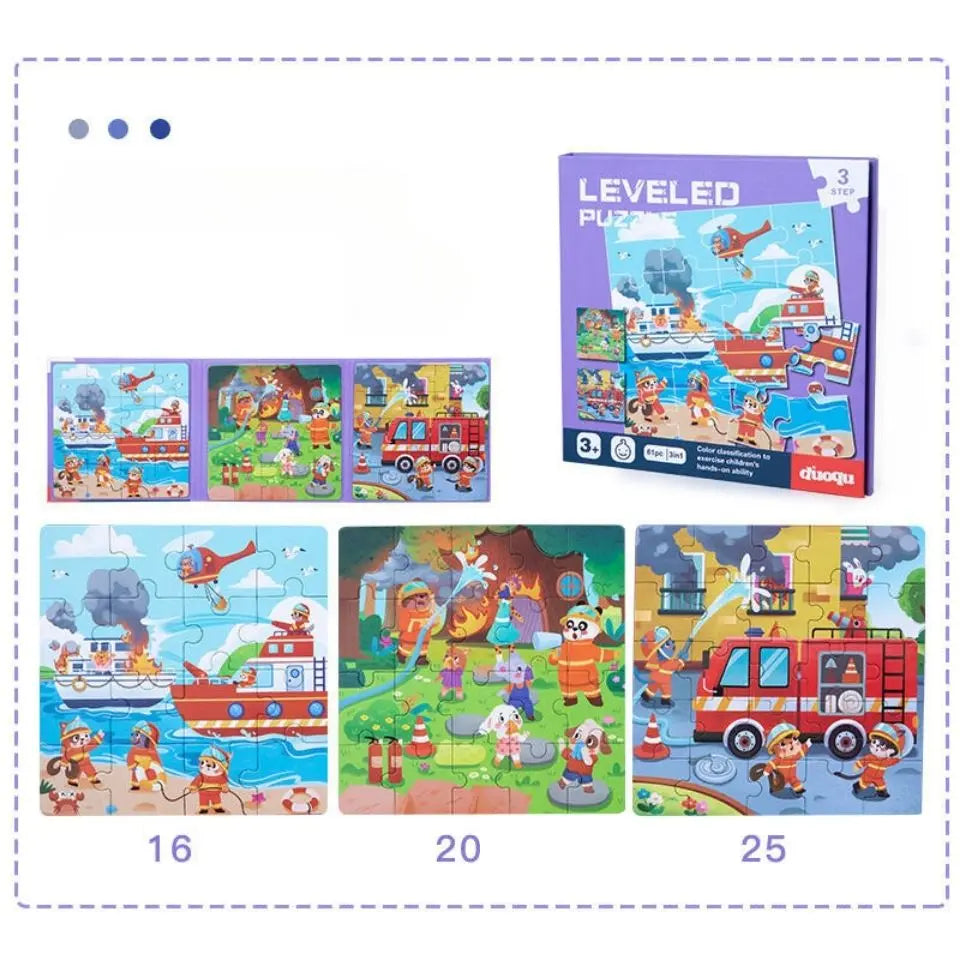
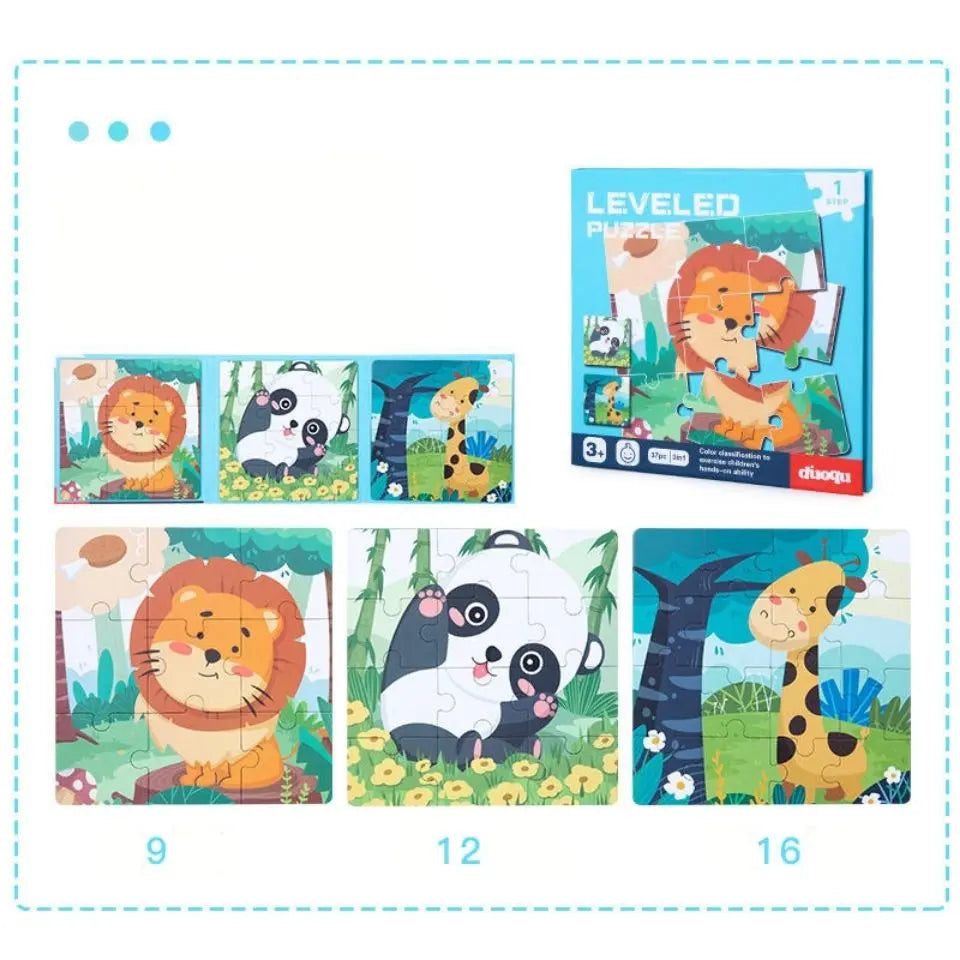
Jigsaws ask children to compare edges, corners, colours and picture details. A lower piece count is not always easier, so consider piece size, image detail and the child’s previous experience.
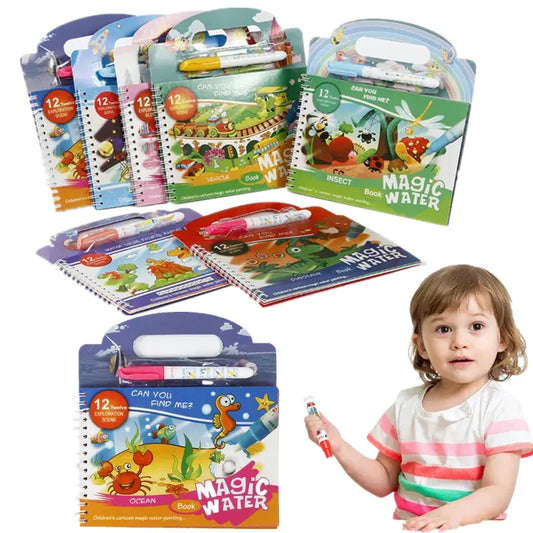
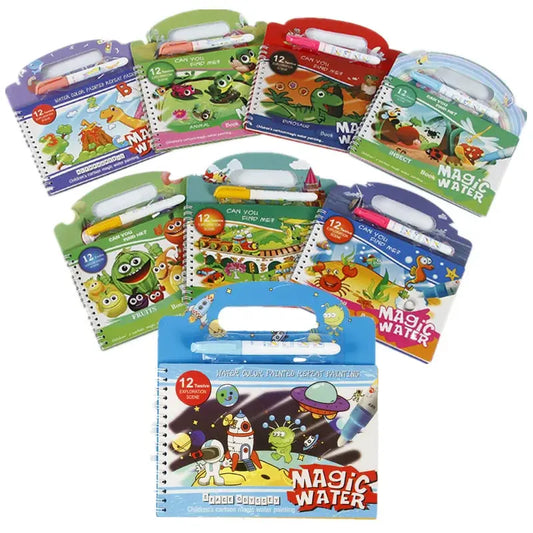
Magnetic puzzle books can keep pieces together on a play surface and may suit compact play. Magnets still require careful supervision: count every piece and stop use if a magnet becomes exposed.
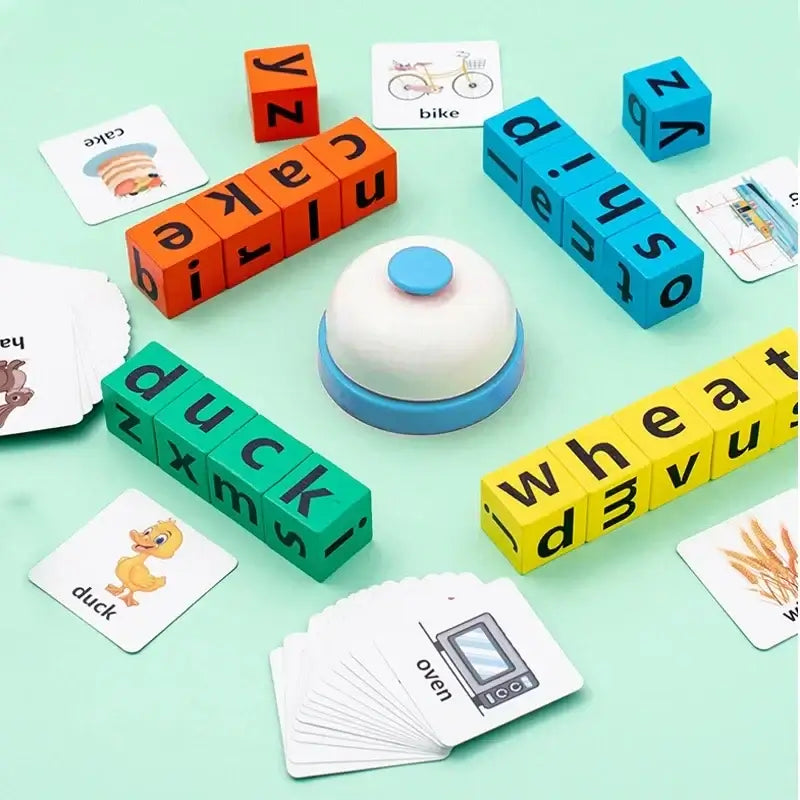
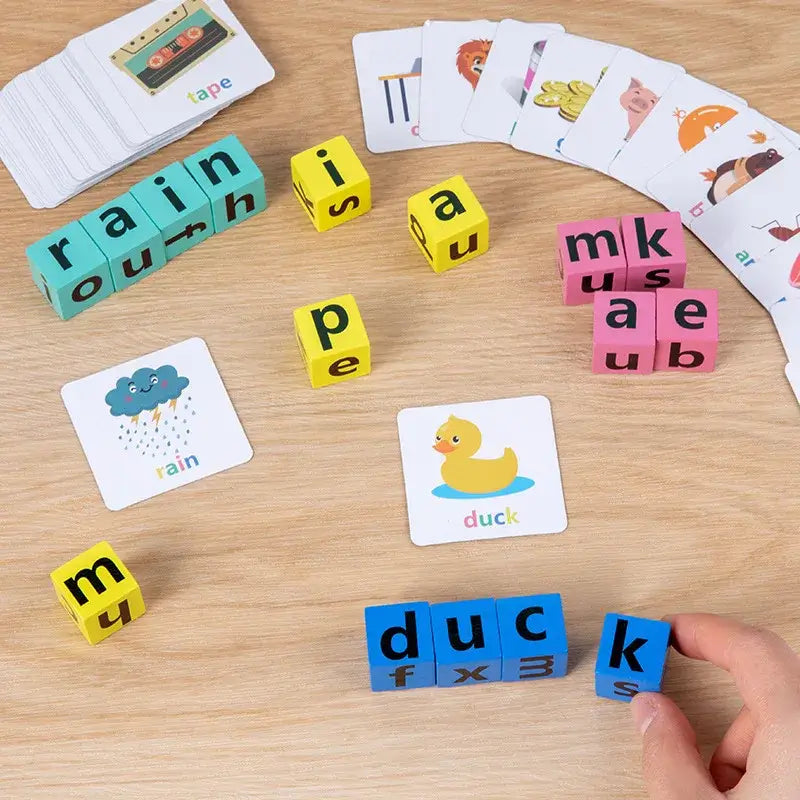
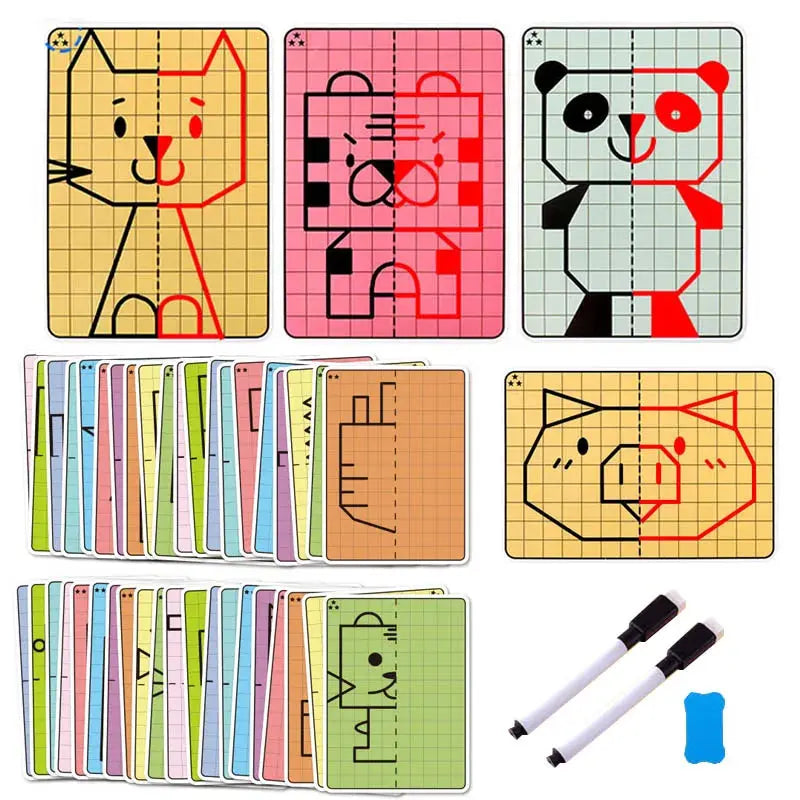
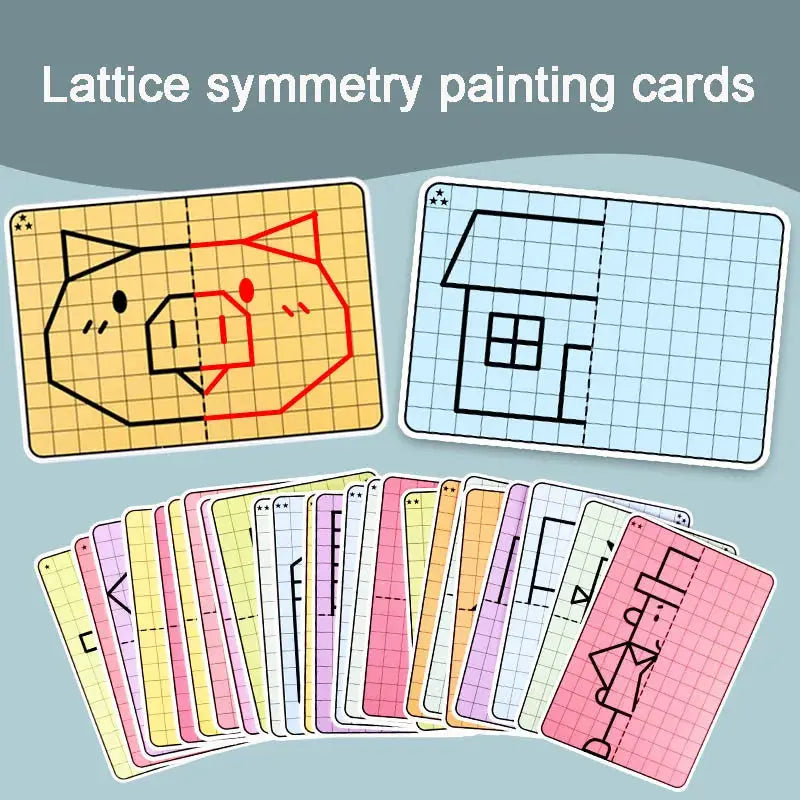
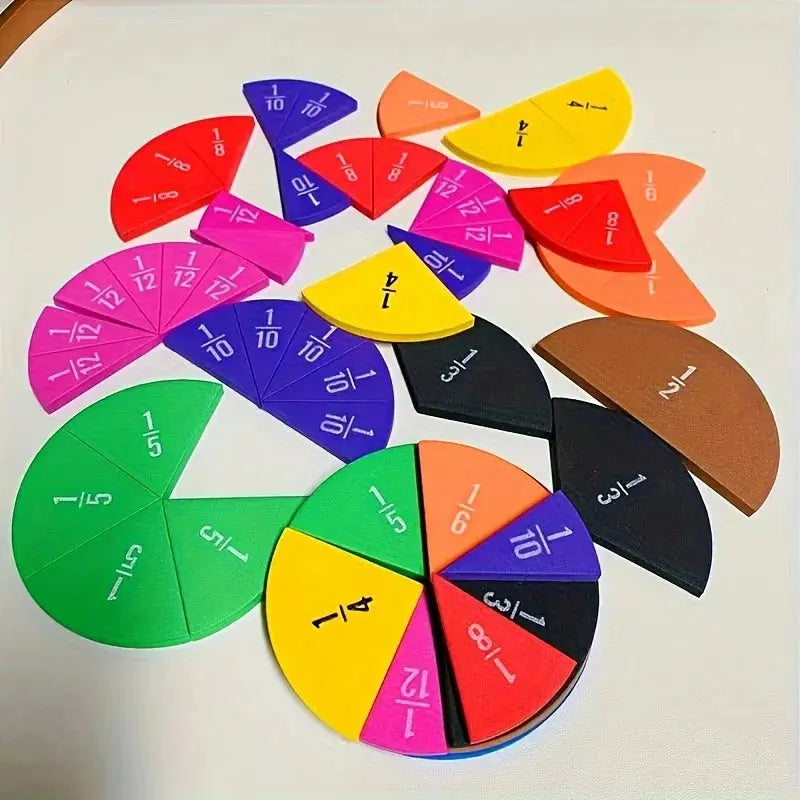
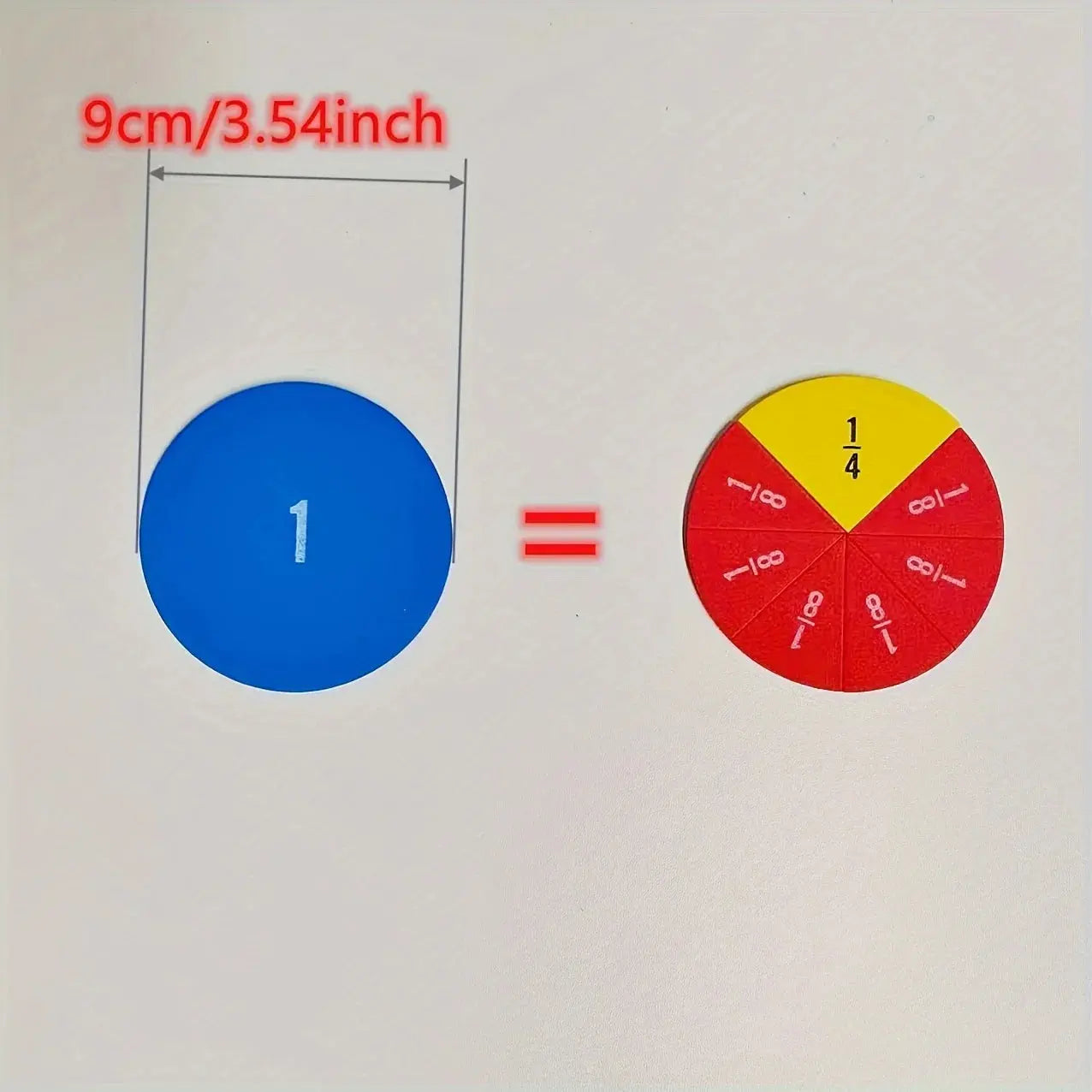
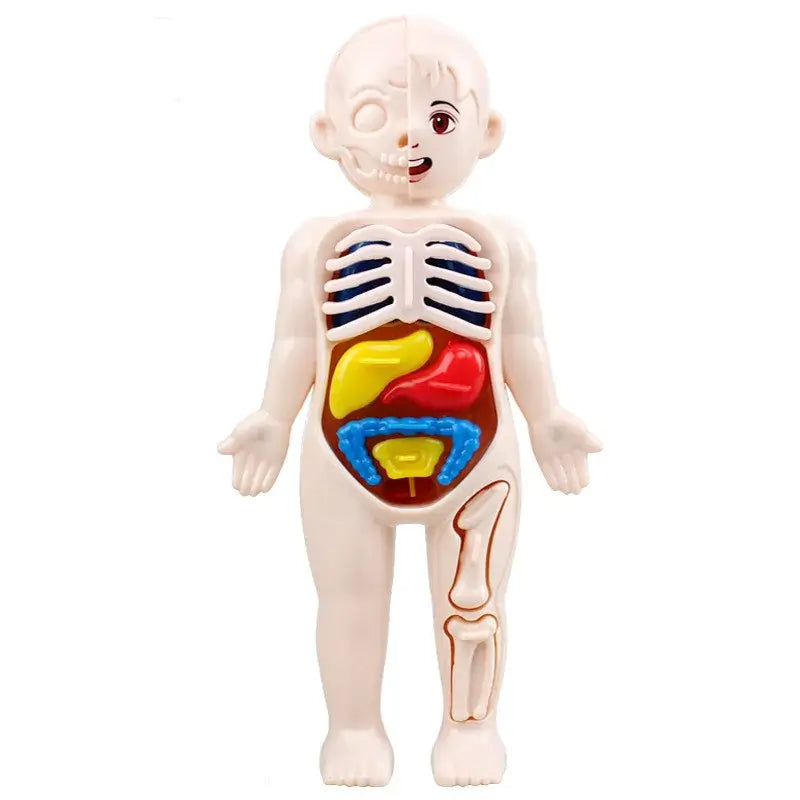
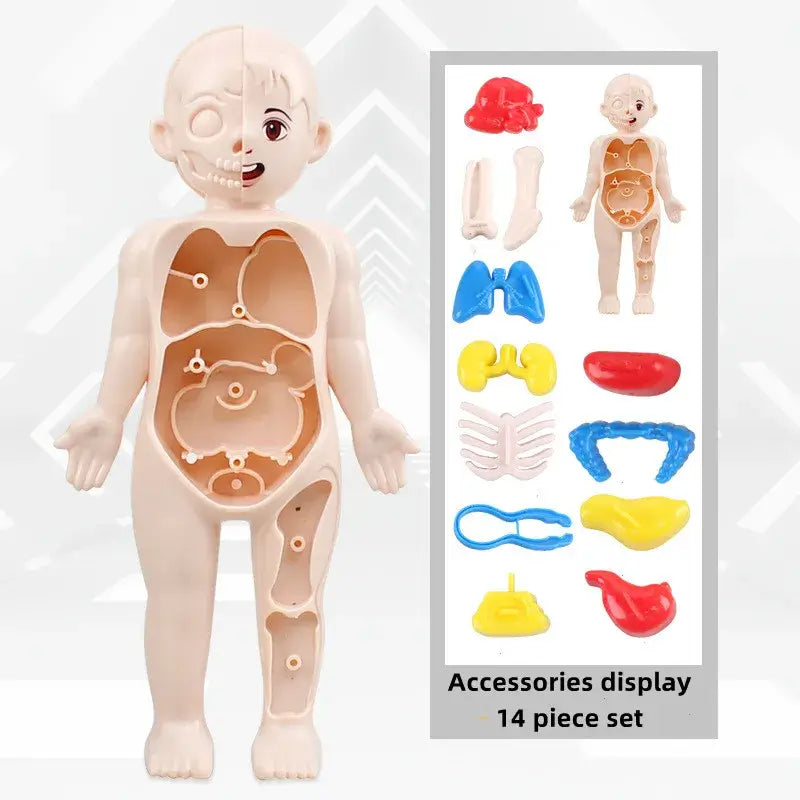
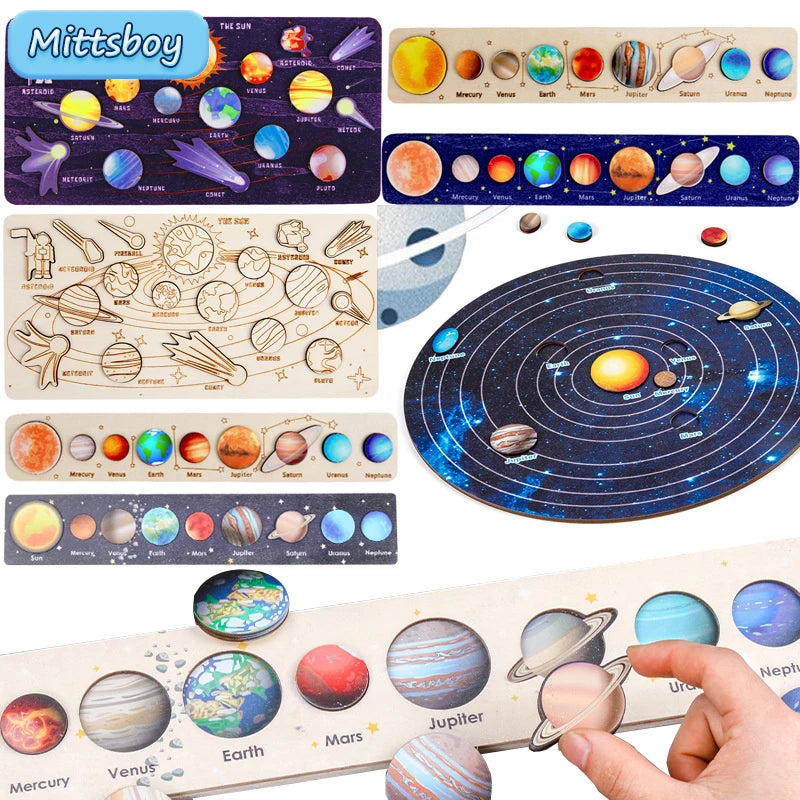
Number, spelling, fraction, symmetry, anatomy and solar-system activities connect puzzle solving with a topic. Choose the challenge that matches what the child is ready to explore now.
| Puzzle type | What children do | What to check |
|---|---|---|
| Inset or matching puzzle | Match one shape, picture or symbol to its place | Grip style, removable-piece size and whether every piece fits only one position |
| Jigsaw puzzle | Connect interlocking pieces to complete an image | Piece count, finished size, image complexity and storage |
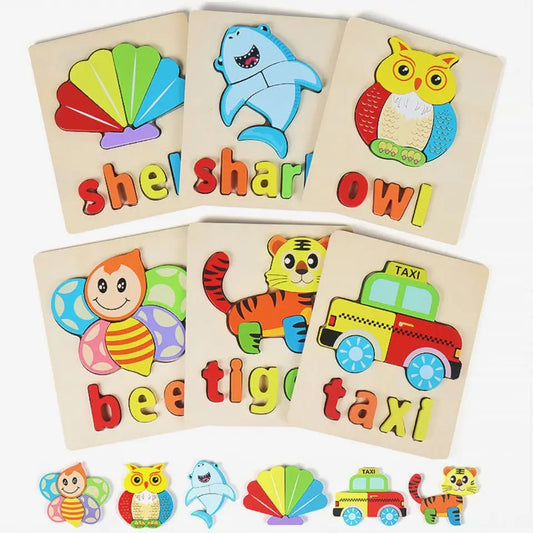
| 3D or stand-up puzzle | Assemble pieces into an upright animal, vehicle or other form | Assembly method, stability, small pieces and included designs |
| Magnetic puzzle | Arrange magnetic pieces on a board or inside a book | Piece inventory, storage and whether any layer is lifting or magnet is exposed |
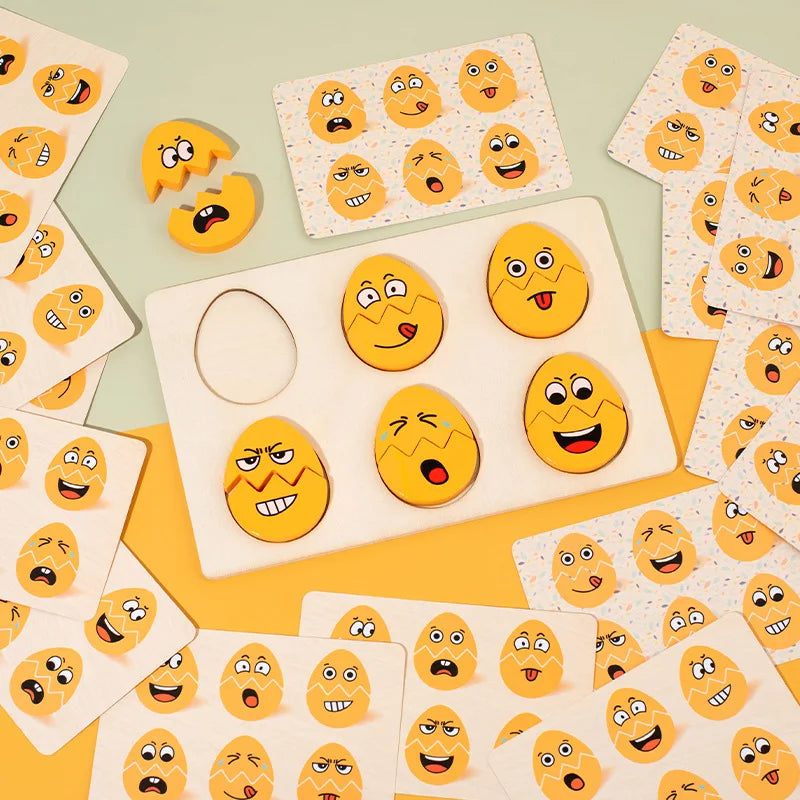
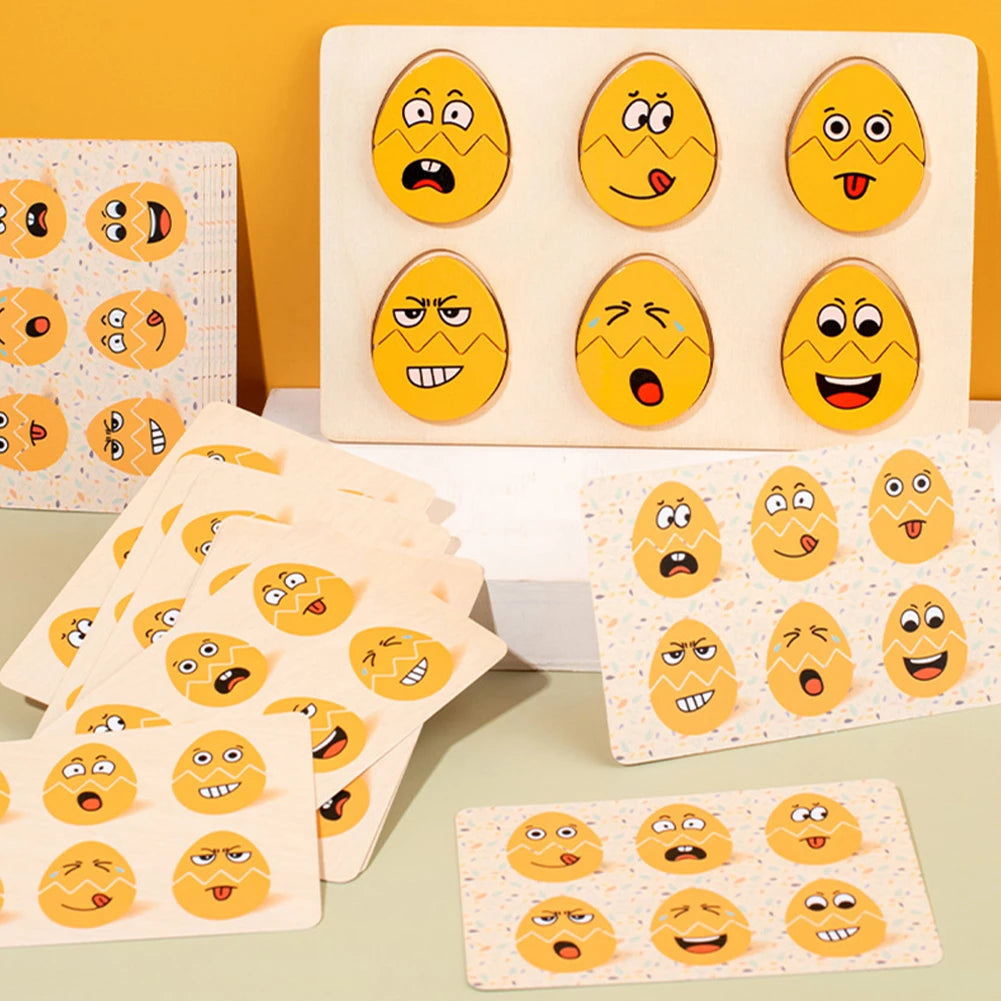
| Learning puzzle | Match letters, numbers, fractions, emotions or topic-based pictures | Whether the concept and instructions suit the child’s current understanding |
Age guidance is useful, but children of the same age can have very different puzzle experience. Check the age marking on the individual listing and delivered packaging, then consider how the child handles pieces, notices visual details and responds when a solution takes more than one attempt.
Look for a small number of large, easy-to-grasp pieces, a clear picture and an obvious matching action. Begin with one or two pieces removed rather than presenting the whole puzzle at once.
Choose a familiar theme and a challenge they can partly solve without help. Add complexity gradually through more pieces, less obvious shapes or a more detailed image.
Try a larger jigsaw, a 3D build or a puzzle that combines visual matching with numbers, words or another topic. Check that added complexity remains achievable rather than simply time-consuming.
If you do not know the child’s puzzle experience, use the manufacturer’s age guidance and favour a recognisable theme with clear product details. Keep the gift receipt and avoid assuming that age alone predicts the right piece count.
Piece-count tip: there is no single correct puzzle size for every four-, five- or six-year-old. Piece dimensions, cut, image detail and previous practice can change the difficulty considerably.
Puzzles can provide opportunities to practise problem-solving, concentration, visual comparison, memory and hand-eye coordination. Children may rotate pieces, compare shapes, plan where to begin and adjust an idea when a piece does not fit. These are play opportunities, not guaranteed developmental outcomes.
Puzzles can work for independent play or family bonding. Some children prefer quiet time to solve at their own pace; others enjoy an adult helping them notice an edge, colour or matching detail without completing the task for them. You can also browse more educational toys and Montessori and Montessori-inspired toys for related hands-on activities.
For more selection guidance, read the Toys4Us guide to choosing the right puzzle for your child.
Inspect every puzzle before first use and regularly during play. Stop using it if a piece cracks, splinters, peels, separates or exposes a sharp edge or magnet. Keep small and magnetic pieces away from children who mouth toys; seek urgent medical help if magnet swallowing or insertion is suspected.
The collection includes jigsaw puzzles, wooden and 3D puzzles, magnetic puzzle books, matching activities and educational puzzles based on themes such as animals, vehicles, numbers, spelling, anatomy and space. Availability can change, so use the product grid and filters for the current range.
Puzzle play can offer practice with visual matching, problem-solving, hand-eye coordination, concentration, memory and controlled hand movements. The experience depends on choosing an appropriate challenge and giving the child time to explore.
Begin with the product’s stated age guidance, then consider piece size, image complexity, previous puzzle experience and whether the child can manage removable parts safely. Increase the challenge gradually rather than relying on age or piece count alone.
There is no universal number. One child may enjoy a detailed small-piece jigsaw while another does better with fewer, larger pieces. Check the manufacturer’s age marking and choose a puzzle that is achievable with some effort based on the child’s experience.
Neither format is always better. Wooden puzzles can feel sturdy and tactile, while cardboard jigsaws can offer higher piece counts and detailed pictures. Compare construction, finish, piece size, intended age and how the puzzle will be stored.
Count all pieces before and after play, keep them away from children who mouth toys, and stop use immediately if a piece separates or a magnet becomes exposed. Suspected magnet swallowing or insertion requires urgent medical attention.
Yes. Shared puzzle play can involve searching for colours, building separate areas and discussing possible matches. Choose a format that gives each person a useful role and supervise younger children around pieces intended for older siblings.
Toys4Us accepts online orders from Australian shoppers. Check the site’s current shipping information and the individual product’s availability before checkout for the options that apply to your address.
Compare wooden, jigsaw, magnetic, 3D and educational puzzles by challenge, theme and product details, then choose an option that suits the child’s current stage.
Shop kids’ puzzles in Australia