










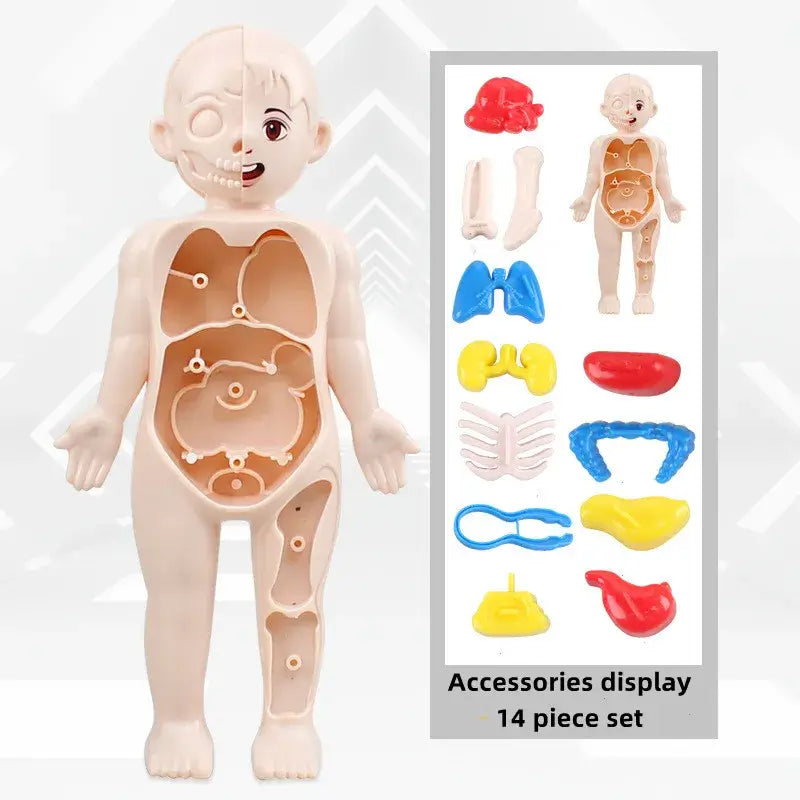
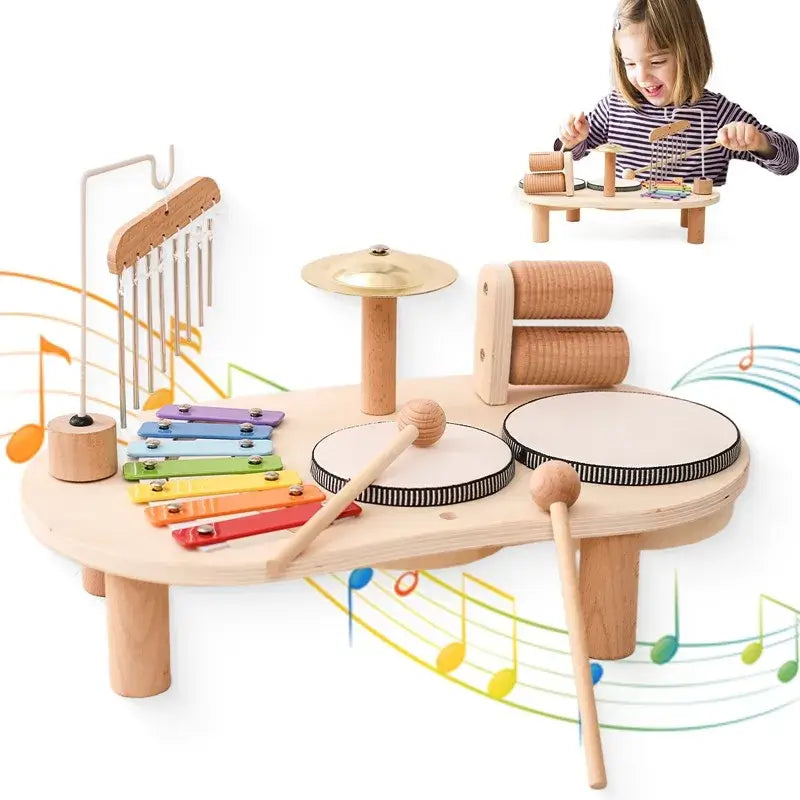
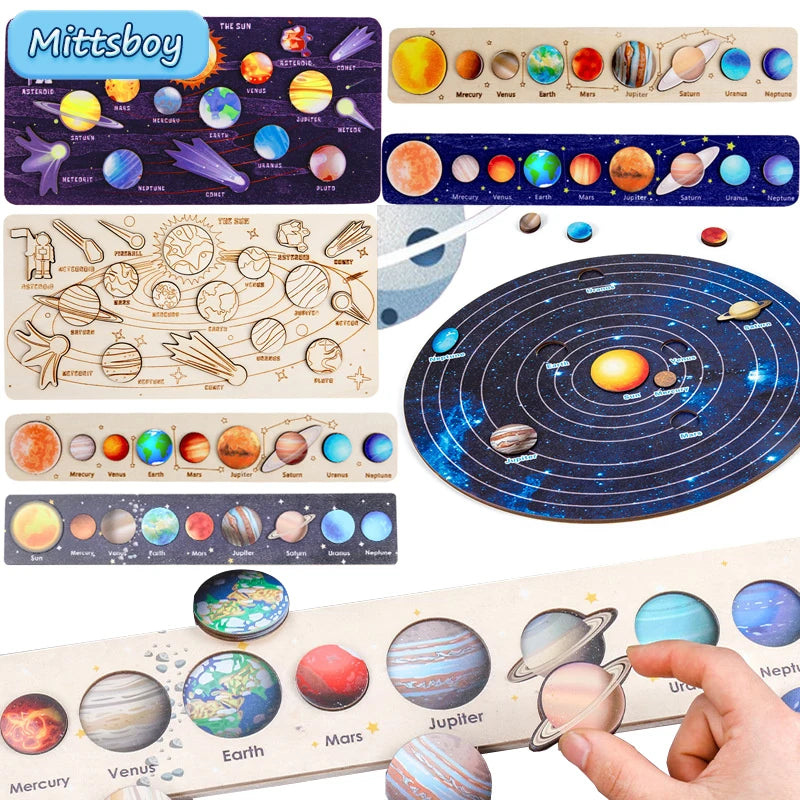
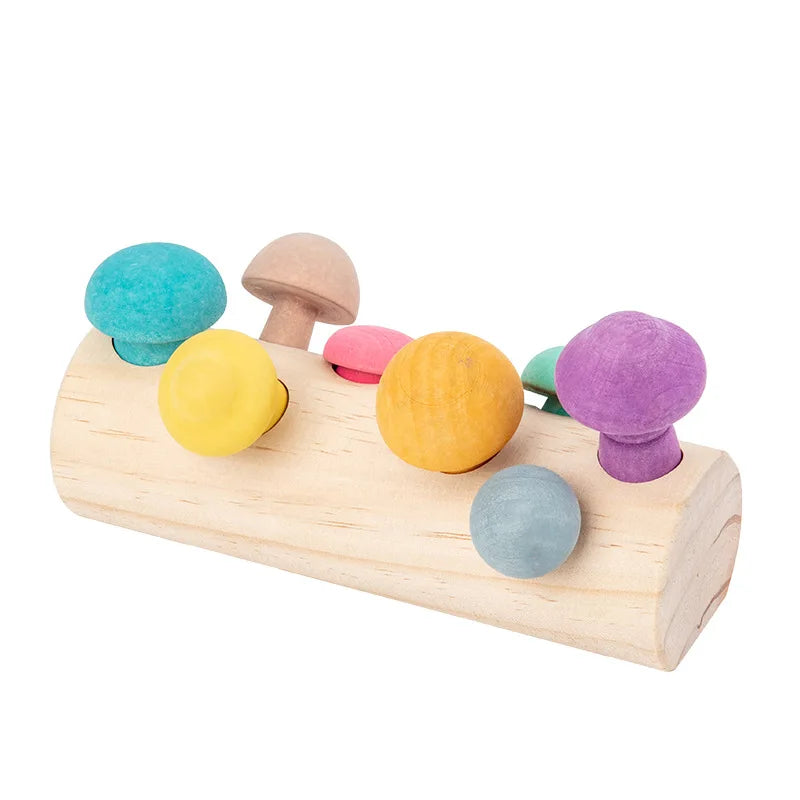
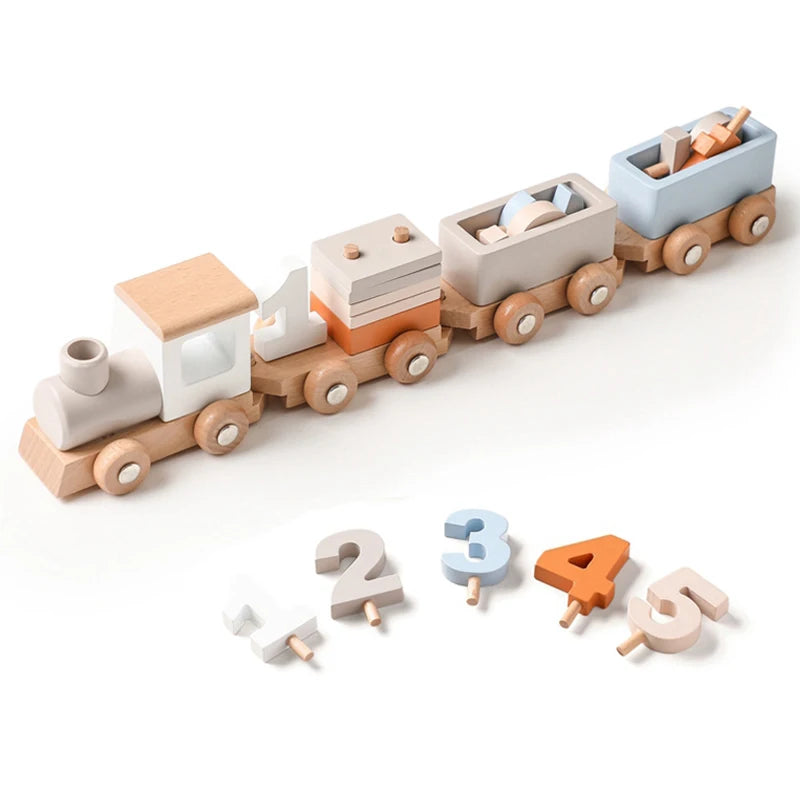

Kids' Puzzles
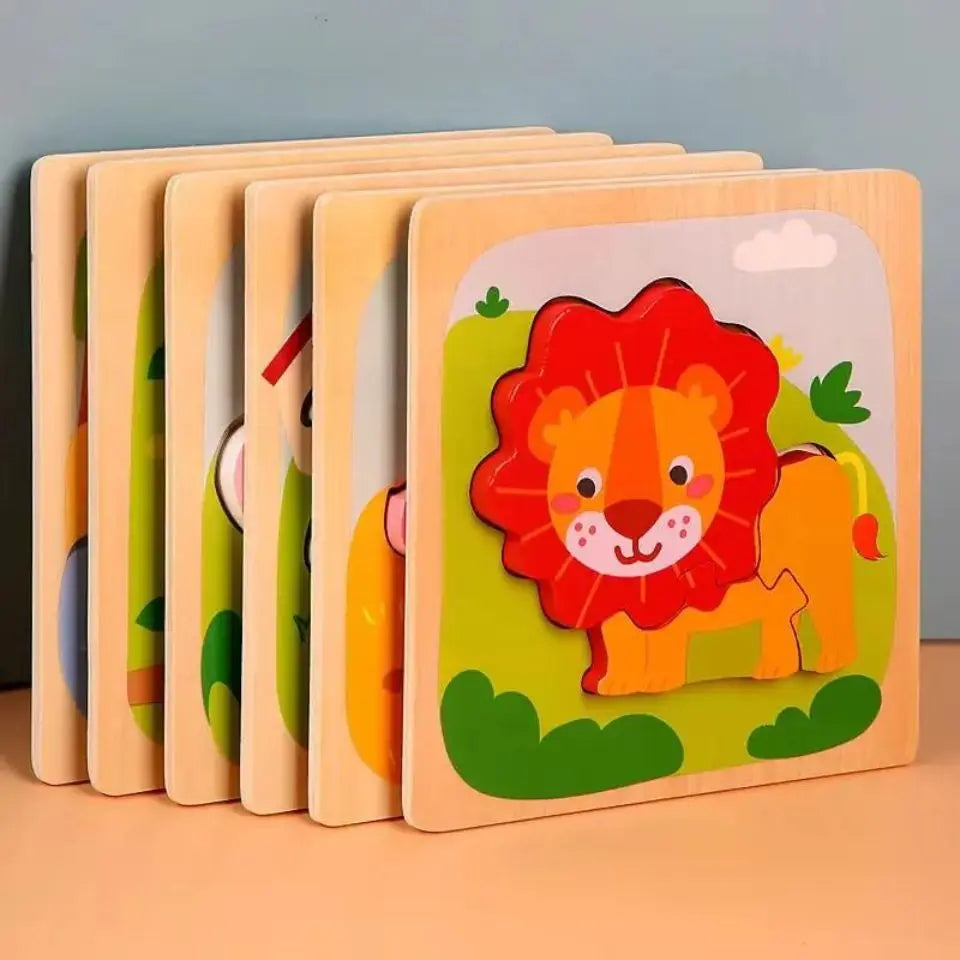
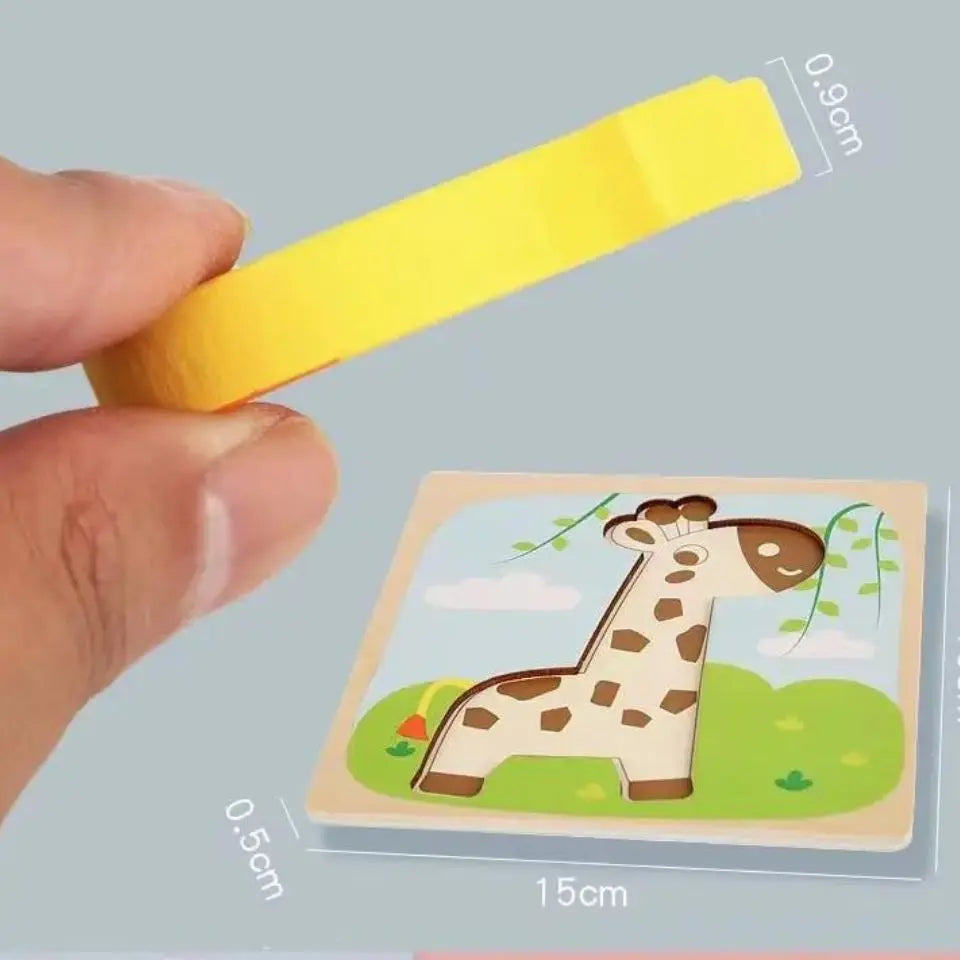
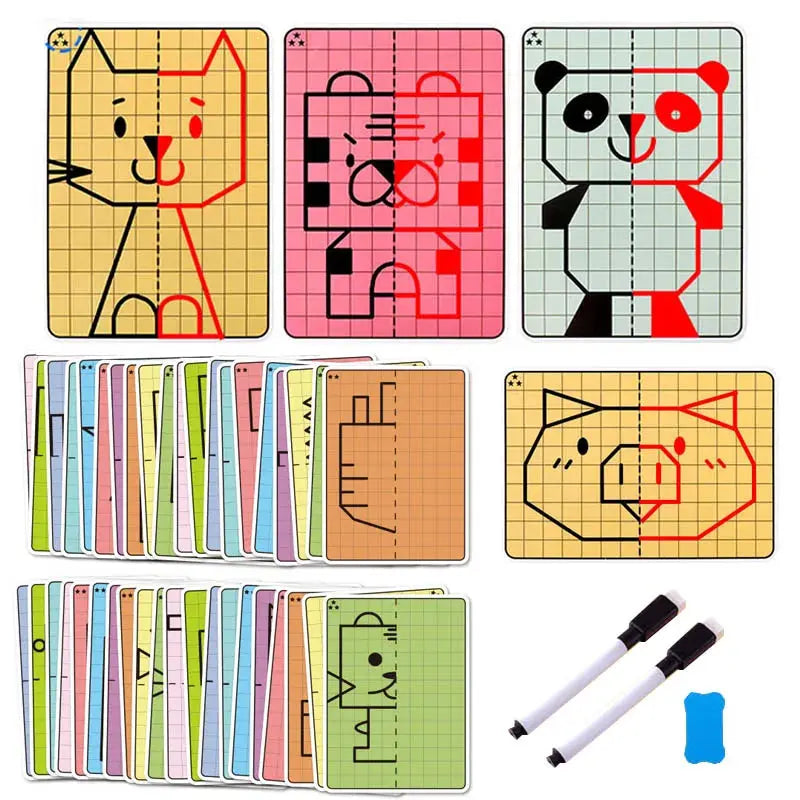
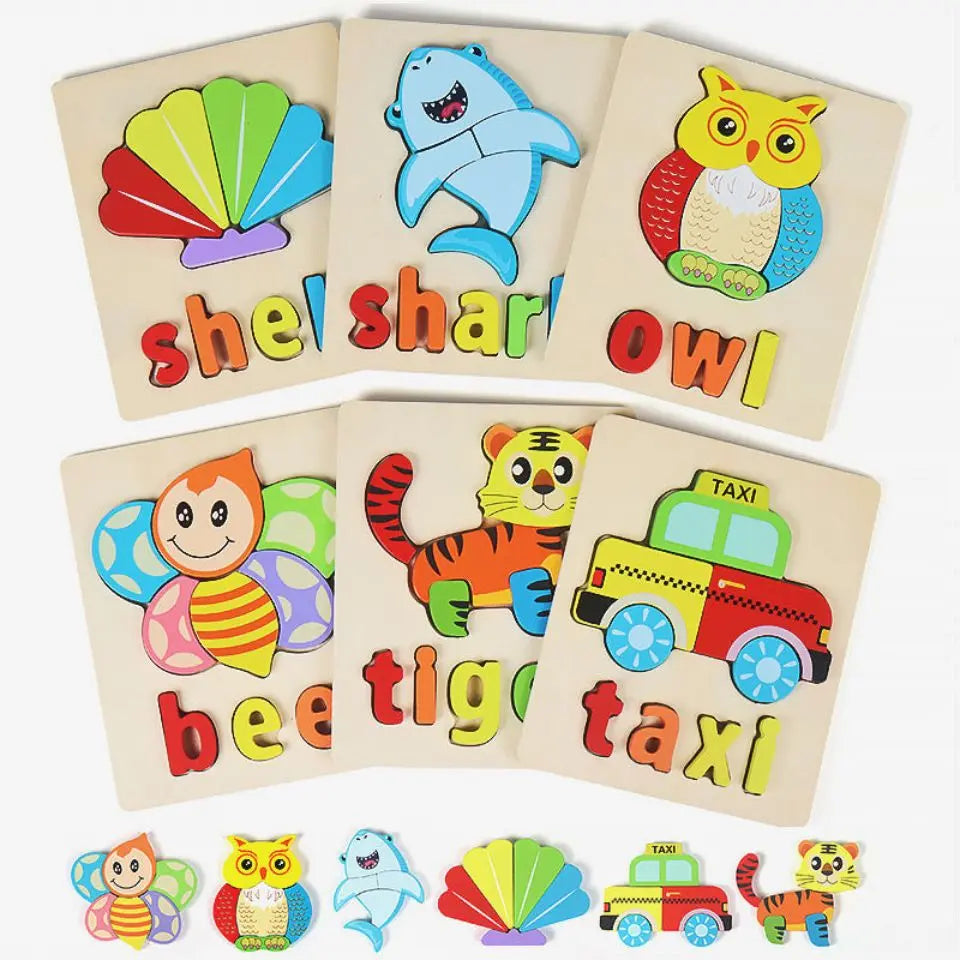
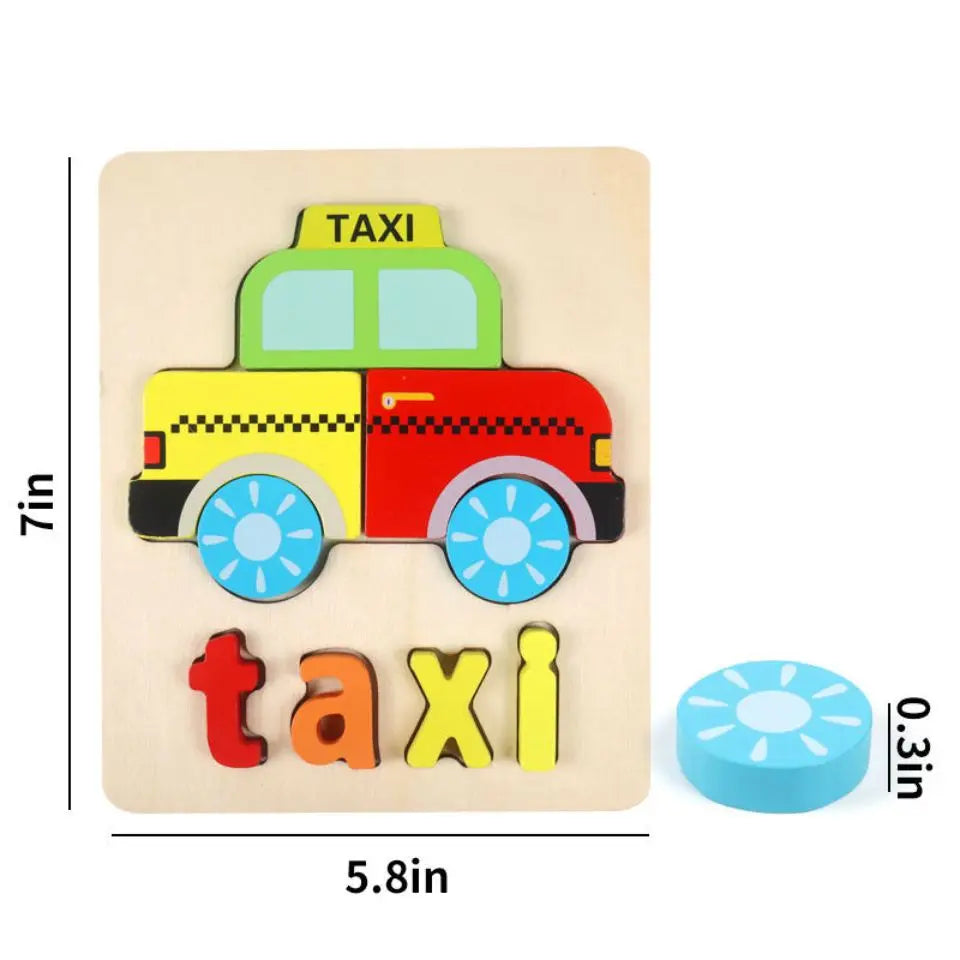
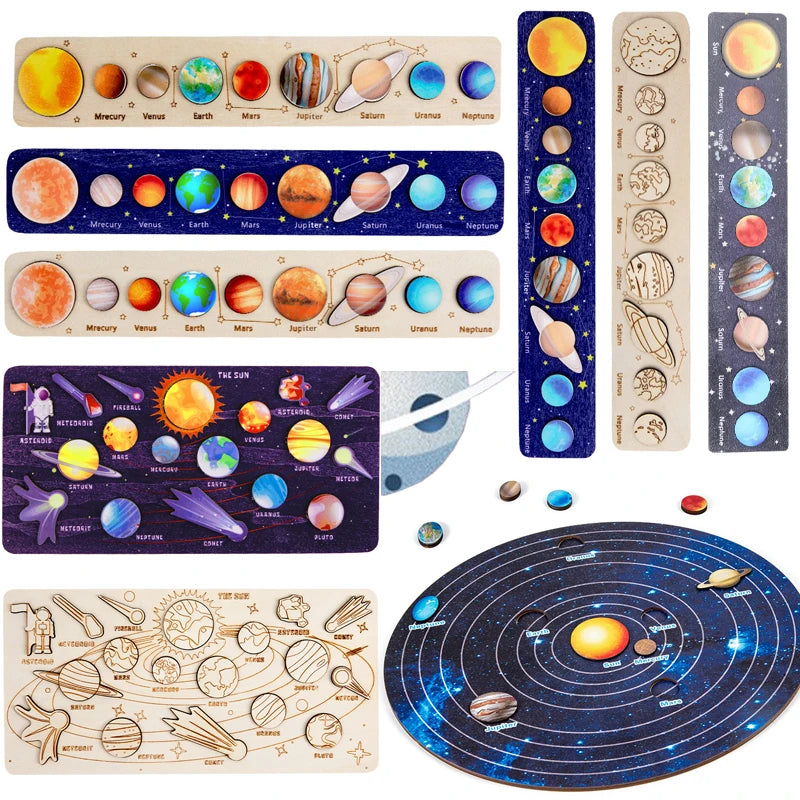
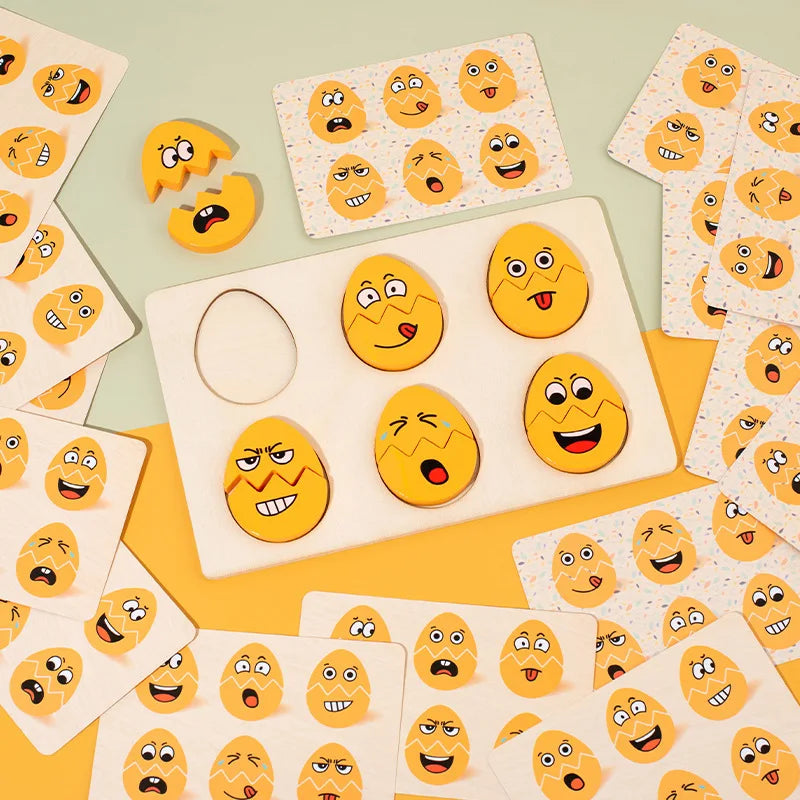
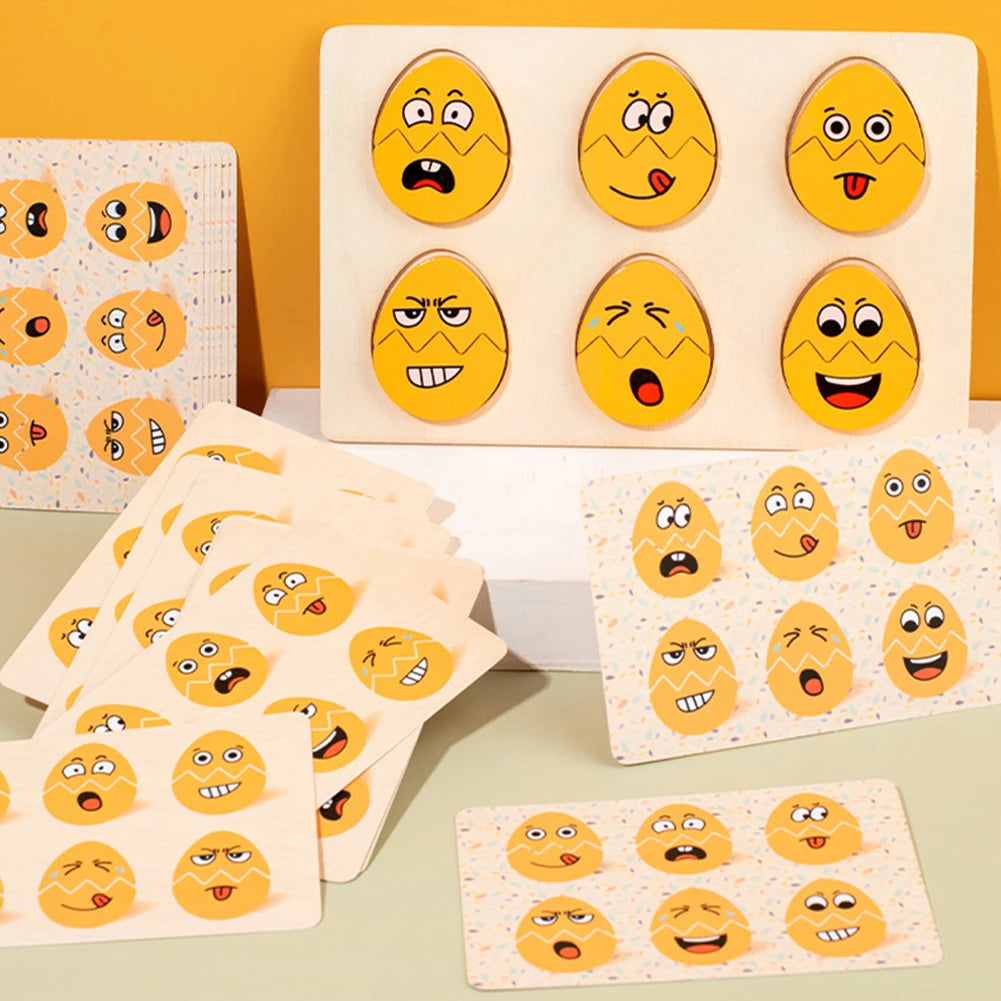
For children who love fitting, matching and finishing a challenge. Pieces, shapes and patterns build patience and spatial thinking.
Showing 1 -24 of 57 items
Shop educational toys online in Australia, from toddlers through to primary-school kids: puzzles, Montessori-inspired learning toys, STEM and robotics, wooden toys and craft kits. Each one gives a child something to sort, build, solve or create, so play turns into practice without feeling like homework.
Not sure where to start? Pick a play style below or jump to the age guide.
Buying from Toys4us
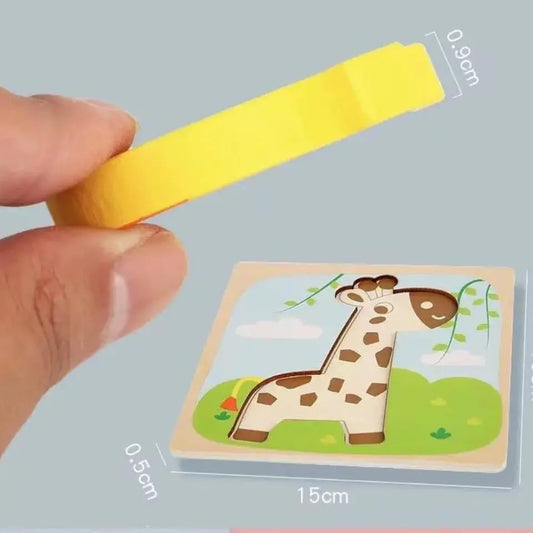
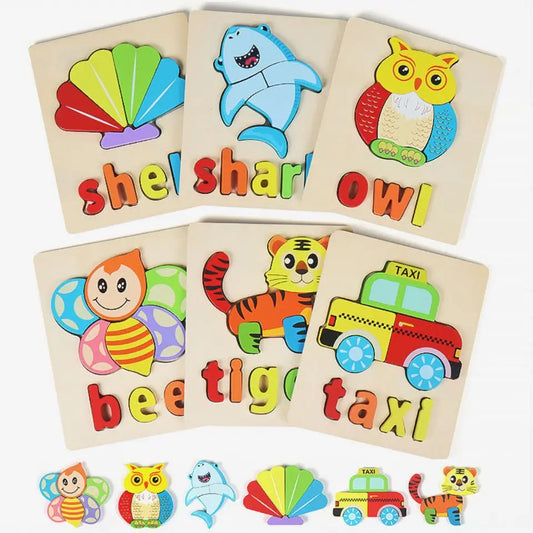
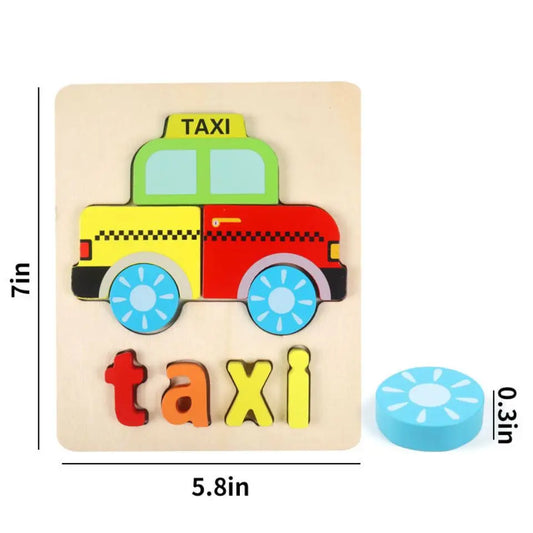
For children who love fitting, matching and finishing a challenge. Pieces, shapes and patterns build patience and spatial thinking.
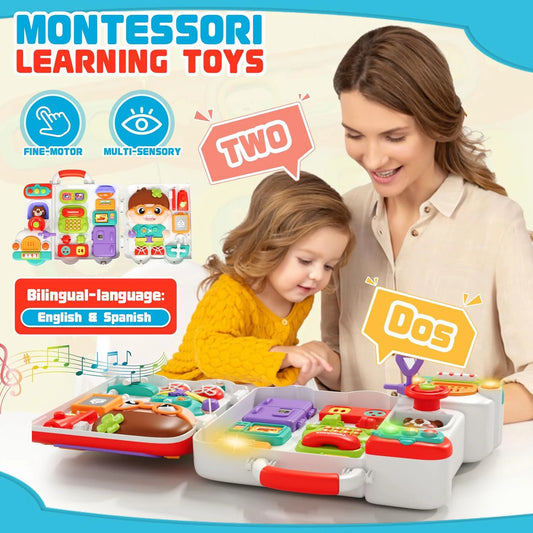
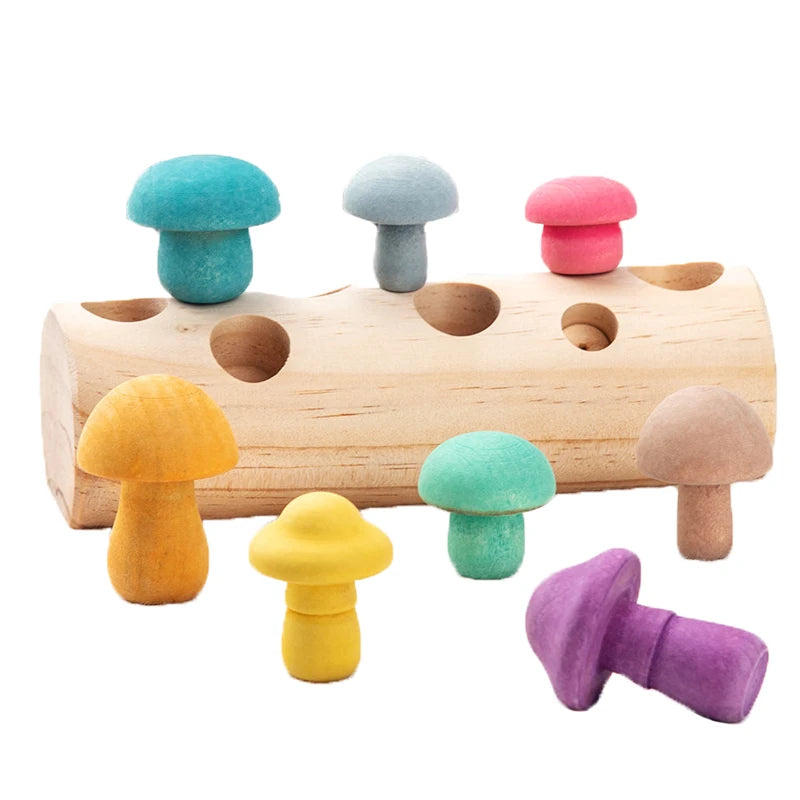
Hands-on toys built around one clear skill, from posting and sorting to practical-life activities and early independence.
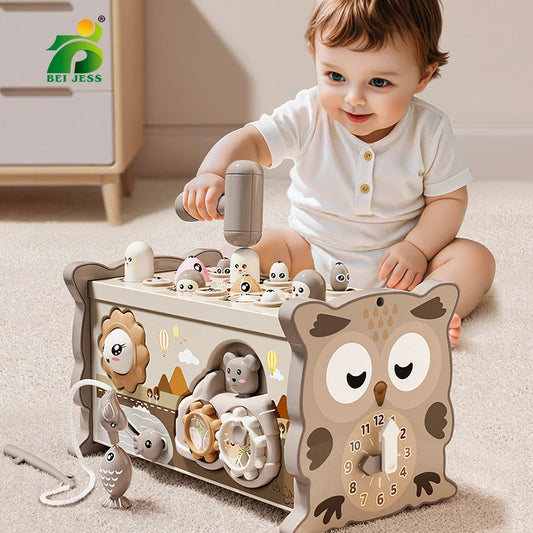
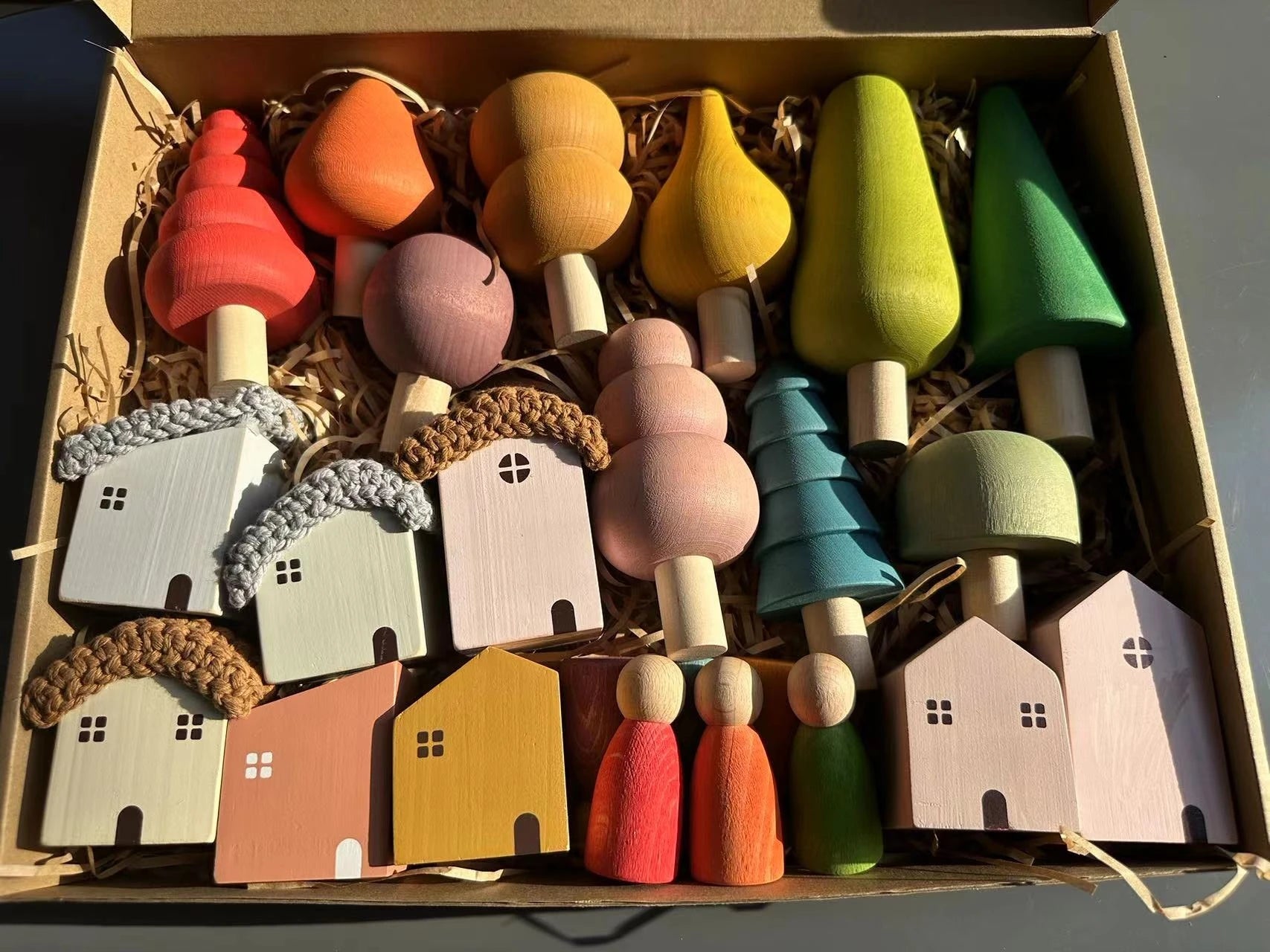
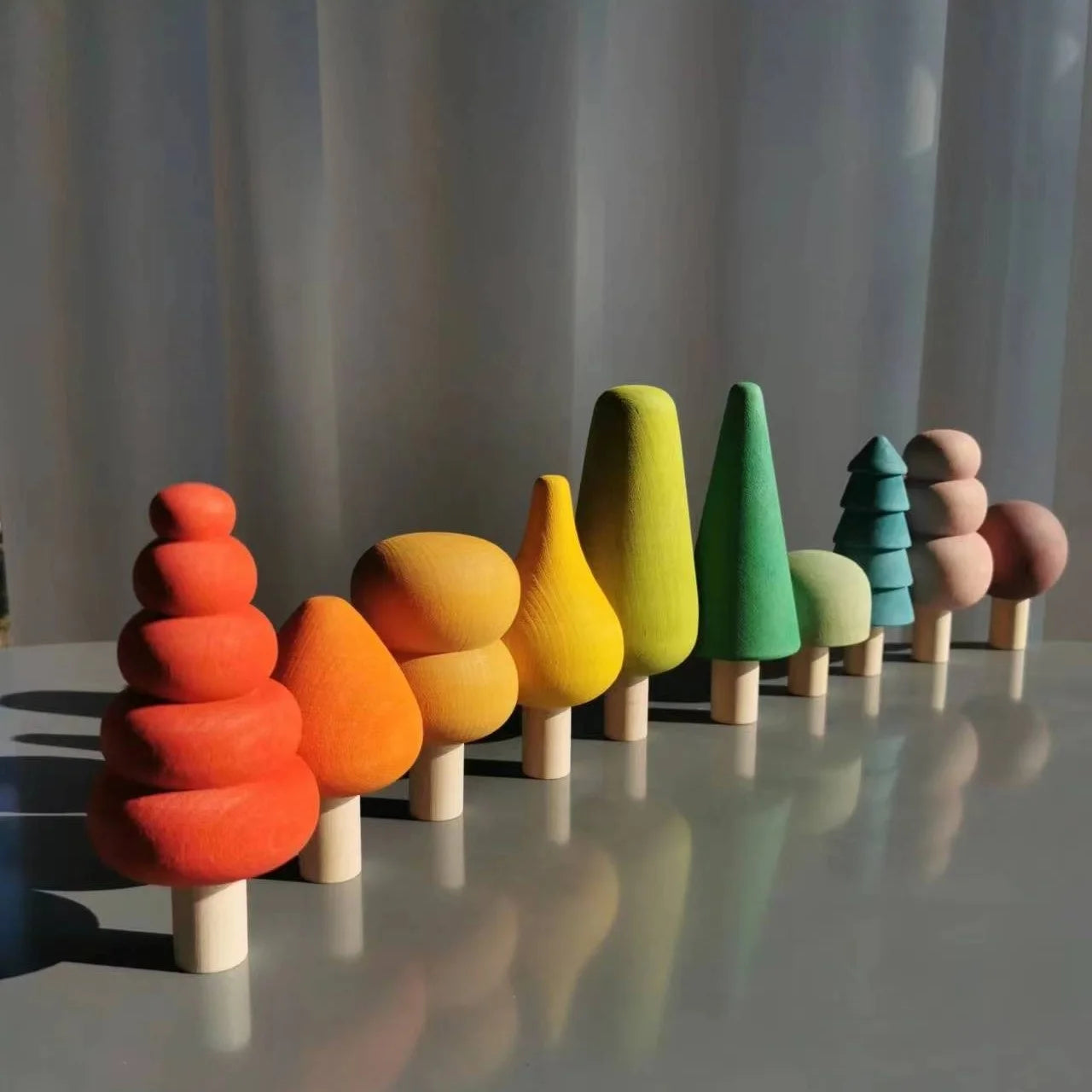
Wooden educational toys with sturdy, simple designs for stacking, building and open-ended play that stay interesting as children grow.
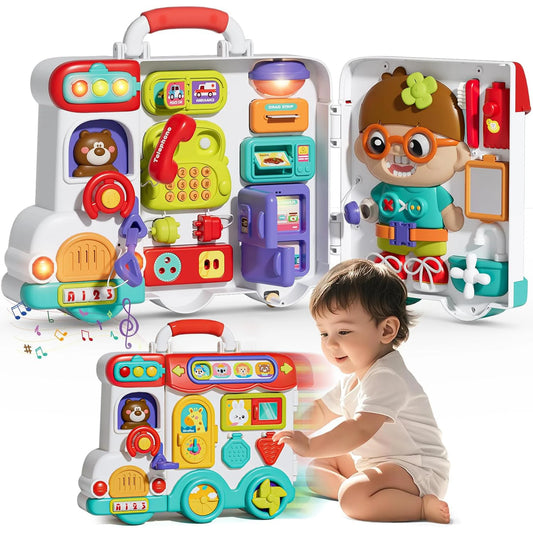
Latches, switches, zips and buttons that give small hands repeatable fine-motor practice at home or on the go.
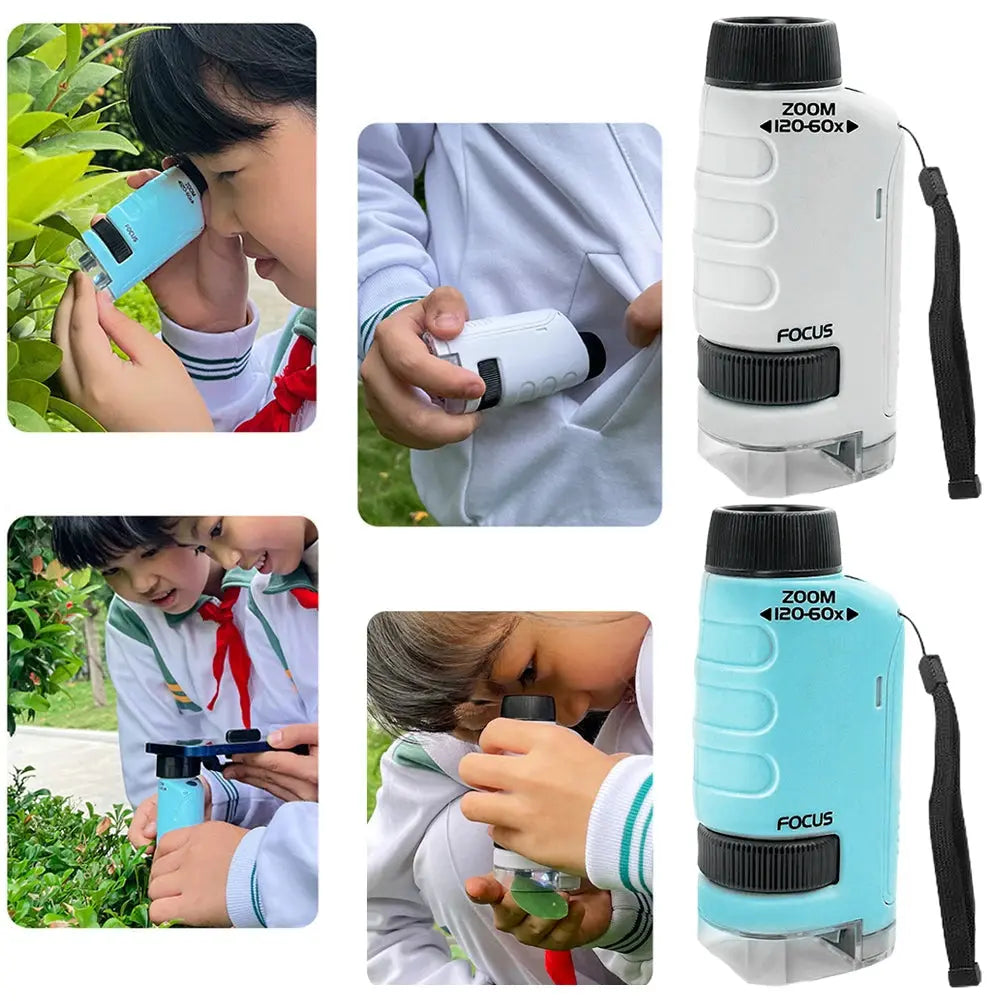
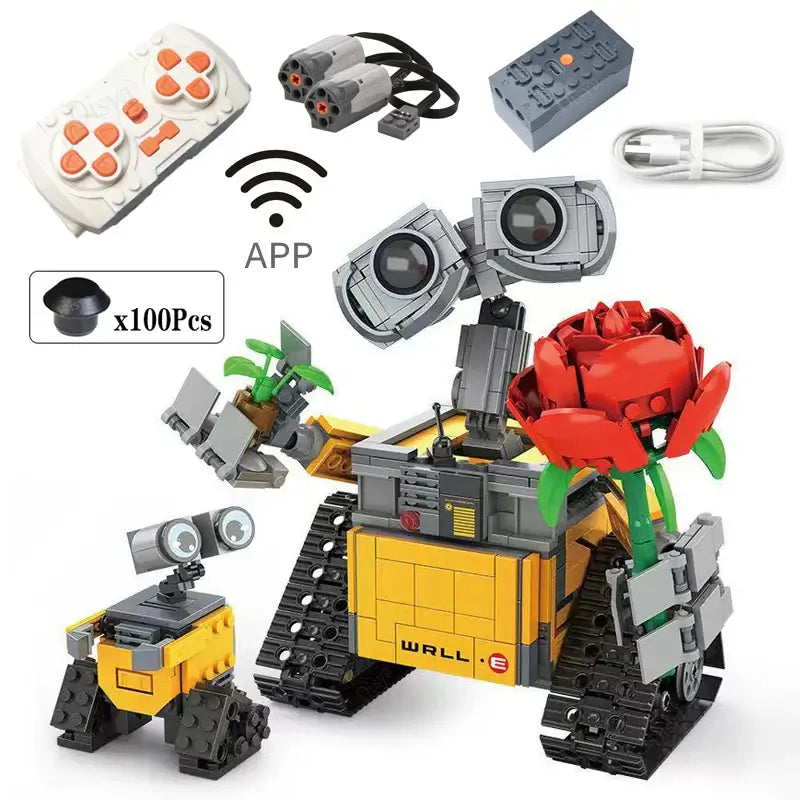
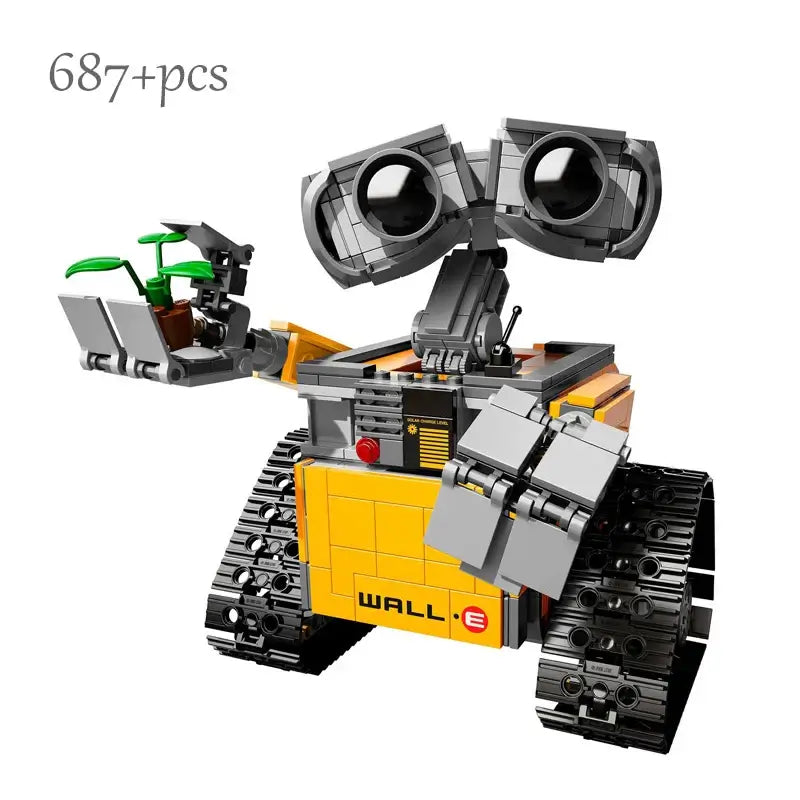
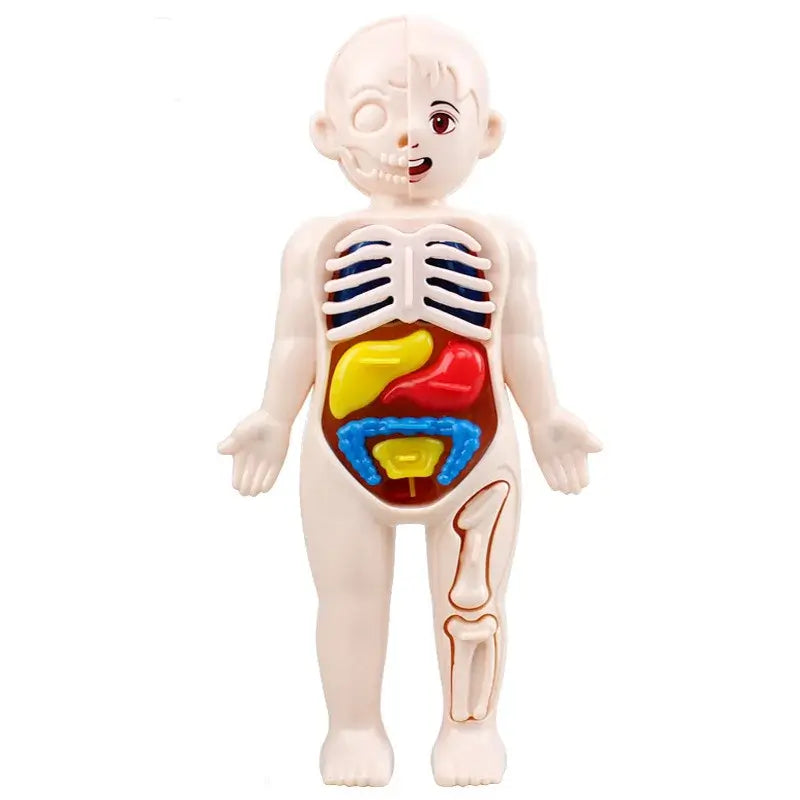
Robots and building sets that let older kids test ideas, follow instructions and ask "what happens if…?"
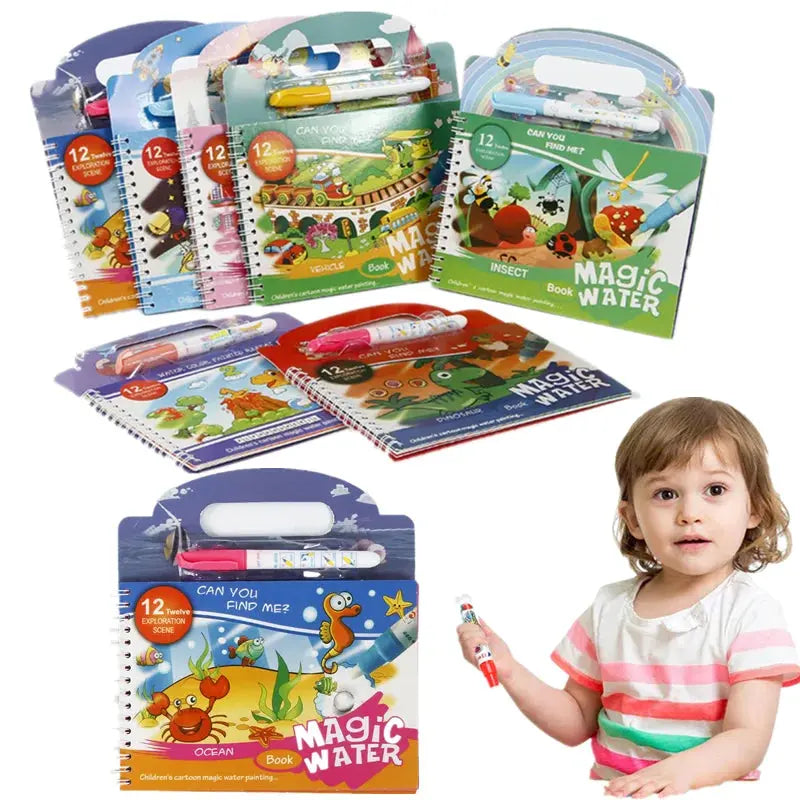
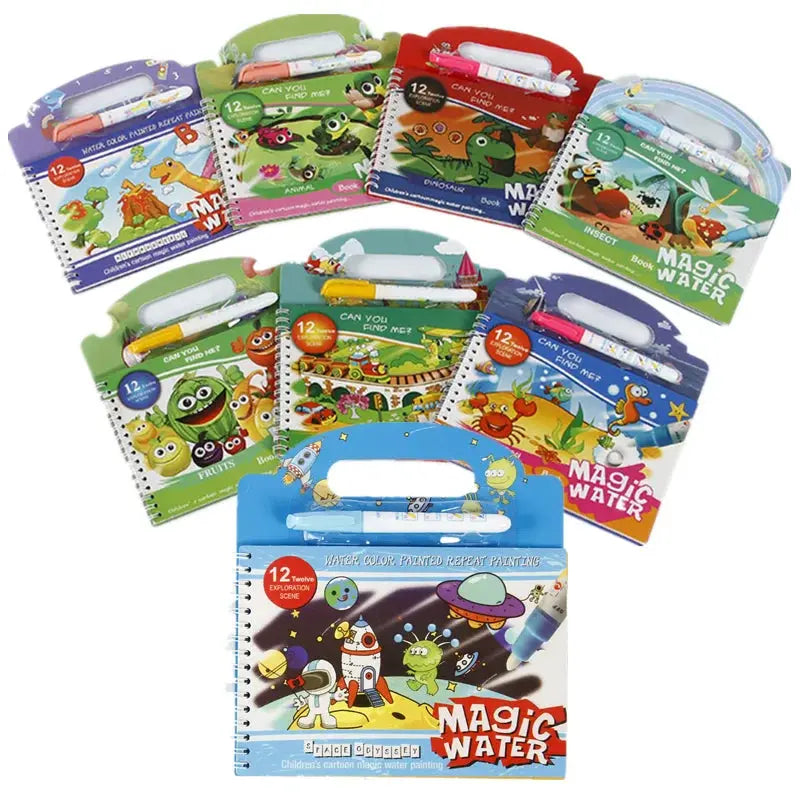
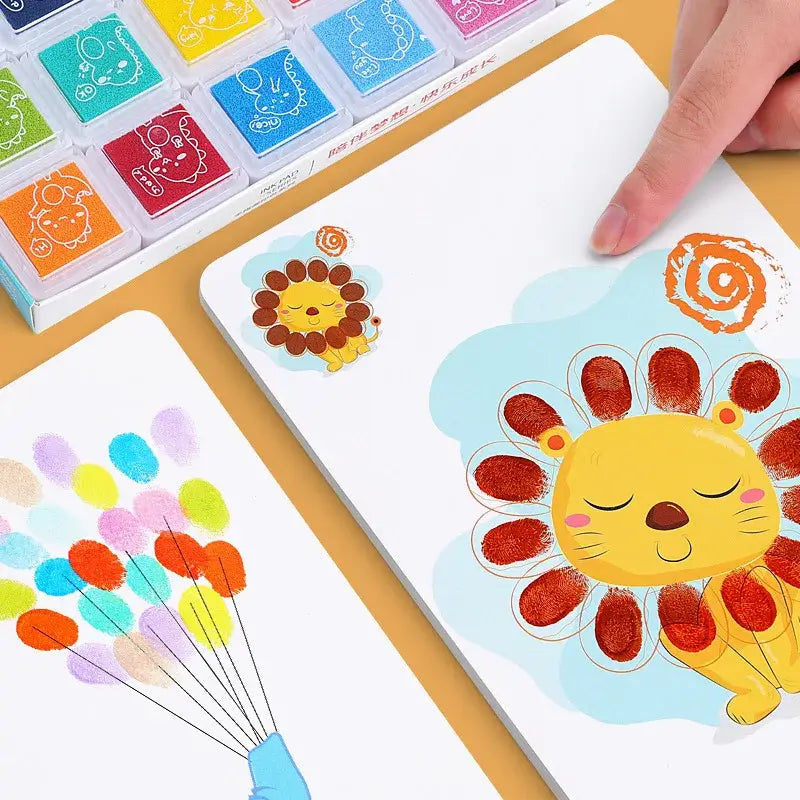
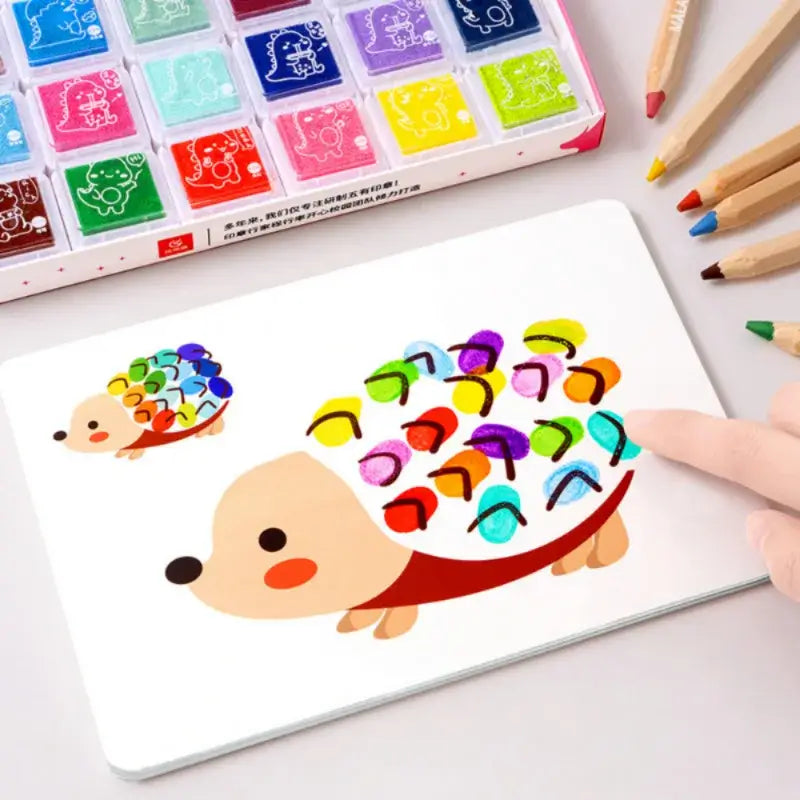
Water painting books, drawing and craft activities where the child makes the choices and no two results match.
Children learn by testing an idea and seeing what happens next. A block tower falls, a puzzle piece does not fit, a pattern needs one more colour. The most useful learning toys let a child notice, adjust and try again instead of completing every step for them.
A simple buying rule: start with the child, not the label. A toy that matches their interests will be picked up again and again, and repetition is where the practice happens.

| Learning goal | Toy types to look at | Check before buying |
|---|---|---|
| Fine motor skills | Busy boards, threading, posting, stacking and lacing toys | Size of the parts, how easy the grip is and whether the task can be repeated |
| Problem-solving and spatial thinking | Puzzles, magnetic and block construction sets | Piece count, piece size and whether the challenge suits their current confidence |
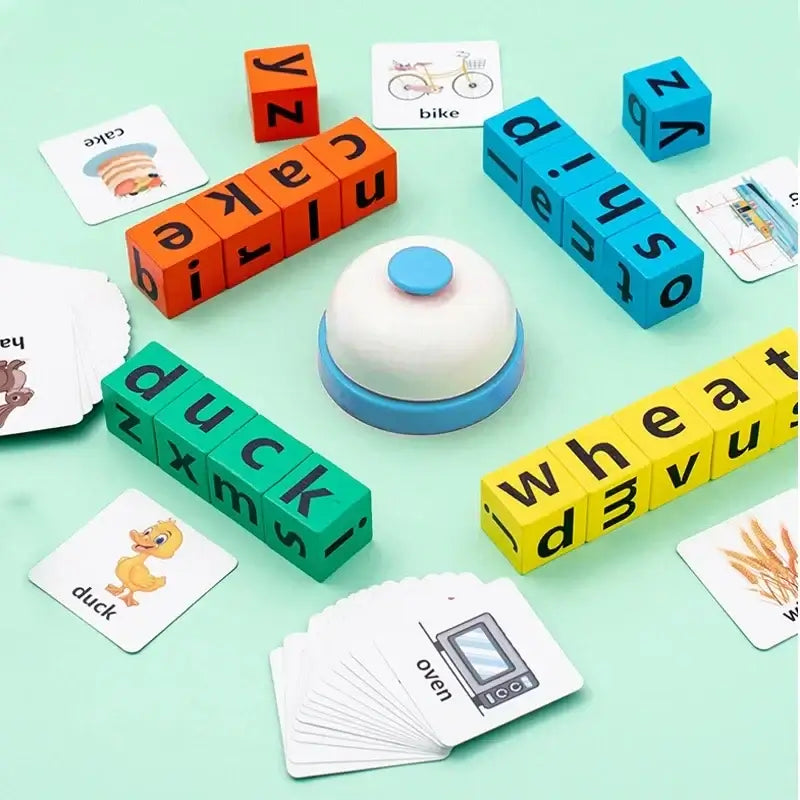
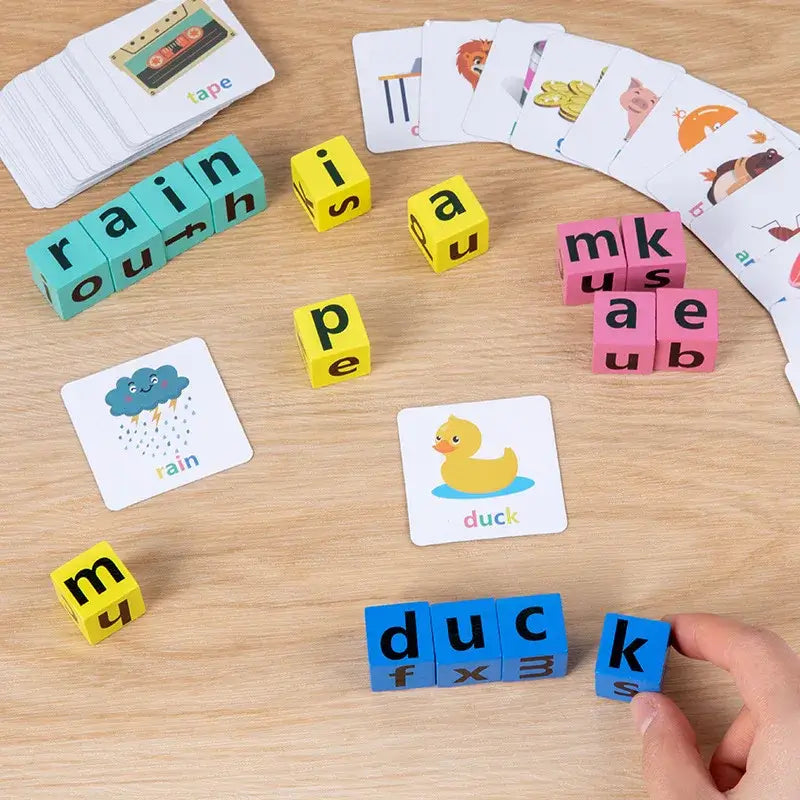
| Early literacy and numeracy | Letter, word, number and matching games, often found in Montessori toys | One clear skill per activity and room for the child to self-correct |
| STEM exploration | Robotic toys, microscopes, engineering and building sets | Adult setup needed, batteries, instructions and what is in the box |
| Creativity and open-ended play | Painting and craft, drawing sets and flexible building materials | Included supplies, mess level and whether refills will be needed |
| Communication and social play | Games, role-play sets and collaborative building | Whether it suits solo play as well as playing with others |
Use the age grading on each product as your starting point. These are typical ideas for each stage, and every child moves at their own pace.
| Age | Toy ideas | What to look for |
|---|---|---|
| 6–12 months | Simple stacking, cause-and-effect and sensory toys used with an adult. See our best toys for a 6-month-old | Large pieces, no small parts and an age grade that includes babies |
| 1–2 years | Chunky puzzles, shape sorters, posting toys and simple busy boards. Guides: educational toys for 1-year-olds and best toys for 2-year-olds | Sturdy construction and a short, repeatable activity |
| 3–4 years | Early number and letter games, wooden toys, first construction sets and art activities. Guide: best toys for 3-year-olds | A clear goal with more than one way to play |
| 5–7 years | Multi-step puzzles (see how to choose the right puzzle), word and maths games, beginner science tools. Guide: best toys for 5-year-olds | Activities that can be paused and returned to |
| 8 years and up | Robotics, detailed building sets, logic challenges and advanced craft | Clear instructions and room to experiment and improve |
Shopping on a budget? Our guide to the best educational toys under $50 shows what is worth buying at a lower price.
A well-matched theme is often more useful than a toy chosen only for the skill it targets.
Some adult guidance is fine, but the main action should make sense once the child has seen it demonstrated.
Puzzles, building and creative tasks are worth more when a child can change their approach instead of finishing once.
Think about setup, storage, loose parts, noise, batteries and cleanup, and whether it suits home, travel or shared play.
For everyday home play, toys that work in short sessions and pack away easily are usually the most practical. A puzzle, reusable activity, compact construction set or drawing task fits around the day without turning play into a lesson.
For homeschool or shared use, check that the activity is easy to demonstrate, can be repeated by more than one child and can be adjusted for different confidence levels. Not every toy in a general collection is built for heavy group use, so look at durability, piece count and intended age first.
Australia has a mandatory safety standard for toys designed for children up to and including 36 months. It covers choking, internal injury and poisoning hazards, including the size of parts that can come off a toy and secured battery compartments. Read more on the ACCC Product Safety website.
An educational toy gives a child an active role. They sort, build, match, count, create, investigate or solve a problem. It does not need special features, only a level of challenge that suits the child.
Start with the product's stated age grade and warnings, then think about your child's interests and how they handle challenge. If you are unsure, pick a simpler open-ended toy over a complicated one with many rules.
Many toddlers enjoy chunky puzzles, large-piece sorters, stacking toys, posting activities and simple busy boards. Always check the age guidance and small-parts warning on the individual product.
Age-appropriate puzzles, construction sets, early number or letter games, simple science activities and creative kits all work well. Look for a clear starting point and more than one way to play.
Educational toy is a broad label. Montessori-inspired toys tend to focus on one practical skill, hands-on exploration and growing independence, while other learning toys may use stories, technology or imaginative themes. Neither is automatically better; it depends on the child. Browse our Montessori toys to compare.
Material alone does not decide educational value. Wooden toys feel sturdy and suit simple, open-ended designs, while plastic can suit detailed parts, washable activities or lightweight travel toys. Compare play value, construction and age guidance for each product. Our wooden toys vs plastic guide goes into more detail.
Look for a toy that lets the child predict, build, observe, test or improve something. Check how much adult setup is needed, what is in the box and whether batteries are required. Our robotic toys and the best toy robots guide are a good place to start.
We deliver within Australia with Australia Post. Orders are typically dispatched within 2–4 business days, and standard delivery takes about 2–4 business days for most Australian addresses. Unused items in original packaging can be returned within 14 days of purchase. See our shipping policy and refund policy for full details.
Pick a play style, match it to your child's age and choose a toy they will want to come back to.
Shop Learning Toys