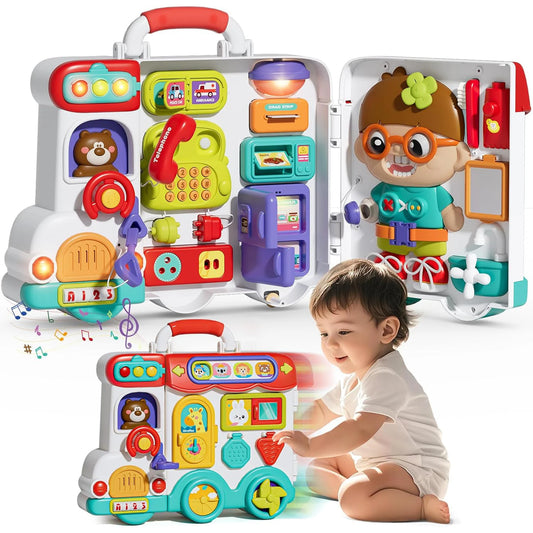
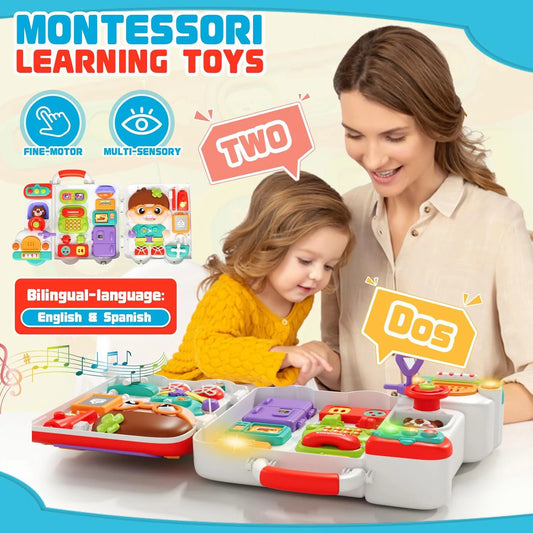
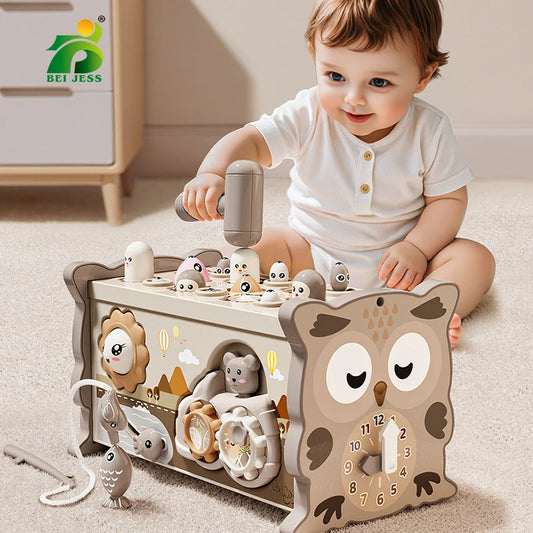

At age 2, the best toys are those that match your toddler’s growing independence and curiosity, supporting key skills like language development, coordination, problem-solving, and imagination. At this stage, children learn best through hands-on, open-ended play, so toys that encourage movement, exploration, and role-playing help them stay engaged while building important physical, cognitive, and social abilities.
The most practical approach is creating a balanced toy collection that supports multiple skills at once. Active toys help burn energy and improve coordination, sensory toys support focus and creativity, while pretend play toys strengthen language and emotional development. The Best toys for 2 year old children are usually durable, open-ended, safe, and flexible enough to grow with the child for more than a few months. Parents should also prioritize simple toys that encourage imagination because these often lead to longer play sessions and stronger developmental benefits over time.
| Toy Category | Main Developmental Benefit | Best Example |
|---|---|---|
| Active Play Toys | Balance, coordination, gross motor skills | Scooter, trampoline, Sit 'n Spin |
| STEM & Building Toys | Problem-solving, logic, hand-eye coordination | Magnetic blocks, puzzles |
| Sensory & Creative Toys | Fine motor skills, creativity, emotional regulation | Play dough, water table |
| Pretend Play Toys | Language development, imagination, social skills | DUPLO sets, animal hospital |
| Musical Toys | Rhythm, listening skills, emotional expression | Xylophone, drums, maracas |
| Open-Ended Toys | Creativity and independent thinking | Bilibo, blocks, playhouses |
Understanding Development at Age Two
Two-year-olds experience massive developmental changes in a very short period of time. Their personalities become more visible, emotions become stronger, and independence starts growing quickly. This stage is exciting but also demanding because toddlers constantly seek stimulation, movement, and interaction.
Language Development and Communication Growth
One of the biggest milestones at this age is speech development. Many toddlers suddenly begin learning new words every single day. They start combining words into short sentences and repeating phrases they hear from parents, television, or siblings.
The Best toys for 2 year old toddlers often support communication naturally by encouraging conversation and interaction. Pretend kitchens, animal toys, flash cards, dolls, and storytelling toys help toddlers practice vocabulary without pressure.
Toys become much more effective when adults participate actively. Asking questions, naming colors, describing actions, and encouraging repetition can turn ordinary play into valuable language practice.
Physical Movement and Coordination
At age two, toddlers rarely stay still for long. Their growing physical confidence leads them toward climbing furniture, kicking balls, running around rooms, and testing balance constantly.
Gross motor development becomes extremely important during this stage. Toys that involve movement help strengthen muscles, improve coordination, and release energy in healthy ways.
Fine motor development also improves significantly. Toddlers become better at stacking blocks, turning pages, holding markers, and manipulating small toddler-safe objects.
Pretend Play and Imagination
Pretend play becomes one of the defining characteristics of toddlerhood. Two-year-olds begin understanding symbolic thinking, meaning a block can become a car or a spoon can become an airplane.
This type of imaginative play is incredibly valuable because it supports:
- Emotional understanding
- Creativity
- Social development
- Problem-solving
- Language growth
The Best toys for 2 year old children usually leave room for imagination instead of controlling every part of the experience.
Safety Tips Before Buying the Best Toys for 2 Year Old Toddlers
Safety should always come before aesthetics or trends when choosing toddler toys. Two-year-olds still explore physically and often place objects near their mouths, which means careful toy selection matters greatly.
| Safety Focus Area | What to Avoid | What to Choose Instead | Why It Matters |
|---|---|---|---|
| Choking Hazards | Small parts, tiny puzzle pieces, detachable accessories | Large, solid toy pieces | Prevents accidental swallowing during play |
| Material Safety | Toxic plastics, lead-based paint, weak finishes | BPA-free, phthalate-free, lead-free materials | Ensures safe mouthing and long-term health safety |
| Durability | Fragile toys that break easily or have weak joints | Strong, well-built toys (wood or high-quality plastic) | Reduces risk of sharp edges and broken parts |
| Design Safety | Sharp corners, rough edges, poor stitching | Smooth edges, rounded designs, secure stitching | Prevents cuts, injuries, and fabric tearing risks |
| Overstimulation | Loud electronics, flashing lights, constant sound toys | Simple, hands-on, open-ended toys | Encourages creativity and independent thinking |
Avoid Small Parts and Choking Risks
Any toy part small enough to fit through a standard choking-test tube should be avoided completely. Even toddlers who no longer mouth toys may accidentally place objects near their mouths during play.
Building toys, puzzle pieces, pretend food items, and accessories should all be large enough for toddler safety standards. Parents should also inspect toys regularly because damaged parts can create new choking hazards over time.
Choose Durable and Non-Toxic Materials
The Best toys for 2 year old toddlers are built to survive rough daily use. Toddlers throw toys, drag them across floors, climb on them, and sometimes chew them. Weak construction can quickly become dangerous.
Parents should prioritize:
- BPA-free plastics
- Lead-free paints
- Phthalate-free materials
- Smooth rounded edges
- Durable stitching and connections
Wooden toys with safe finishes are also popular because they tend to be durable, simple, and less overstimulating.
Limiting Overstimulating Electronics
Many modern toddler toys rely heavily on flashing lights, repetitive music, and loud sound effects. While these toys may appear educational, they sometimes reduce creative thinking because the toy controls the interaction rather than the child.
Simple tactile toys often support better developmental outcomes because toddlers actively manipulate, imagine, and experiment instead of simply pressing buttons repeatedly.
Best Toys for 2 Year Old for Active Play
Active play is essential for two-year-olds because their bodies are developing rapidly. Movement-based toys help toddlers improve coordination, balance, confidence, and body awareness while also reducing frustration caused by excess energy.
Fat Brain Toys Bilibo
The Bilibo has become popular because of its completely open-ended design. There is no single “correct” way to use it. Toddlers may sit inside it, spin around, use it as a helmet, or incorporate it into pretend games.
This freedom encourages experimentation and creativity naturally. Instead of following instructions, toddlers invent their own ways to interact with the toy. That flexibility is exactly why many developmental specialists consider it one of the Best toys for 2 year old children.
Playskool Sit 'n Spin
The Sit 'n Spin remains popular because it combines movement, coordination, and fun in a very simple format. Toddlers use arm strength to rotate themselves while practicing balance and spatial awareness. Indoor movement toys like this are especially useful during colder seasons when outdoor play becomes limited.
Micro Kickboard Mini 3-in-1 Deluxe Scooter
This scooter grows with the child through multiple stages. Initially, toddlers can use it as a ride-on toy with a seat before transitioning toward beginner scooter mode later. The ability to adapt over time makes it more practical than short-term toddler toys that quickly become too easy or too small. Scooters also help toddlers practice steering, coordination, and balance while encouraging outdoor activity.
Indoor Trampolines for Toddlers
A small indoor trampoline can become one of the most effective energy-release tools for active toddlers. Jumping supports:
- Leg strength
- Core stability
- Rhythm
- Coordination
- Body control
Parents often combine trampoline time with counting games or simple instructions like “jump fast” or “jump slow” to encourage listening skills alongside movement.
Best Toys for 2 Year Old for STEM and Problem Solving
STEM learning at age two should feel playful and hands-on rather than academic. Toddlers learn through trial and error, repetition, and experimentation.

Melissa & Doug Blockables Farm
These building blocks are specifically designed for toddlers with easy side connectors and chunky shapes that small hands can manage comfortably. Children can create animals, towers, and imaginative structures while improving hand-eye coordination and fine motor skills. Unlike complicated construction sets, these blocks reduce frustration while still encouraging creativity.
Magnetic Building Blocks
Large magnetic cubes are excellent STEM toys because toddlers can successfully connect pieces without struggling with difficult mechanics. As children experiment with stacking and balance, they naturally begin exploring geometry, spatial awareness, magnetism, stability, and weight distribution. The satisfying magnetic “click” also adds sensory feedback that toddlers enjoy.
Self-Correcting Matching Puzzles
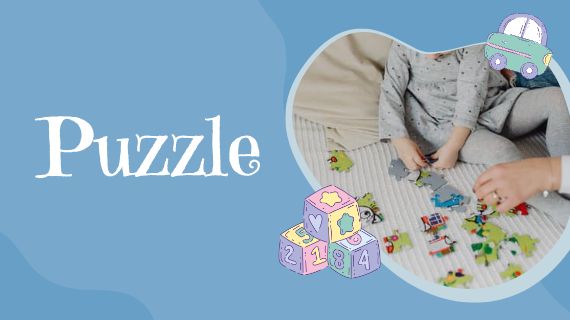
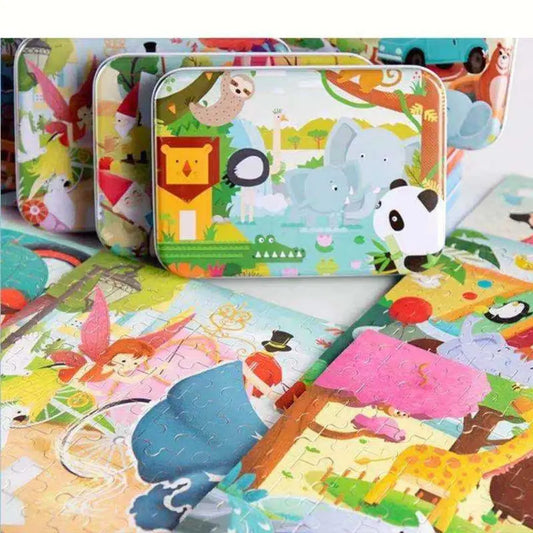
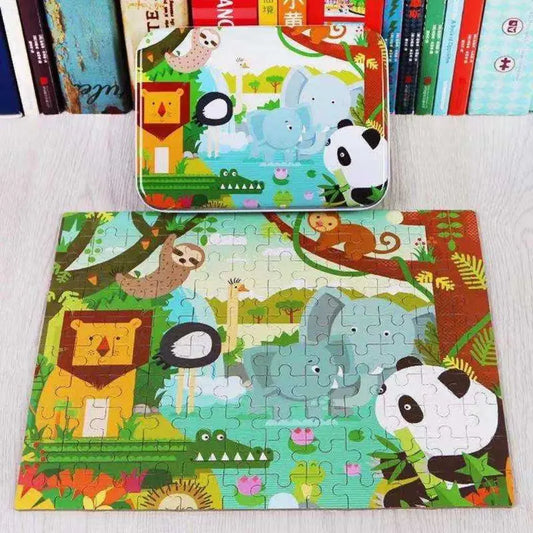
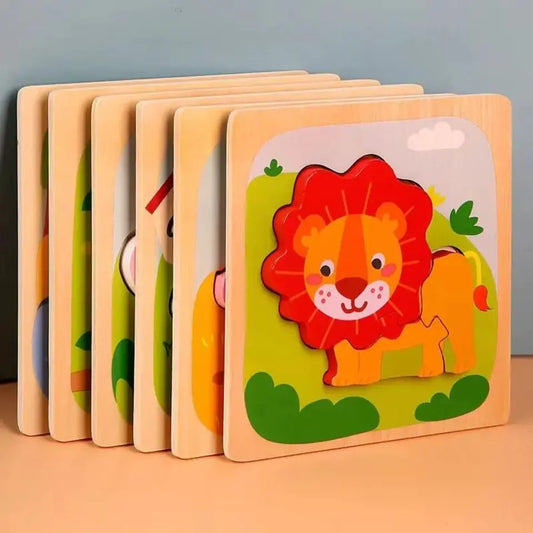
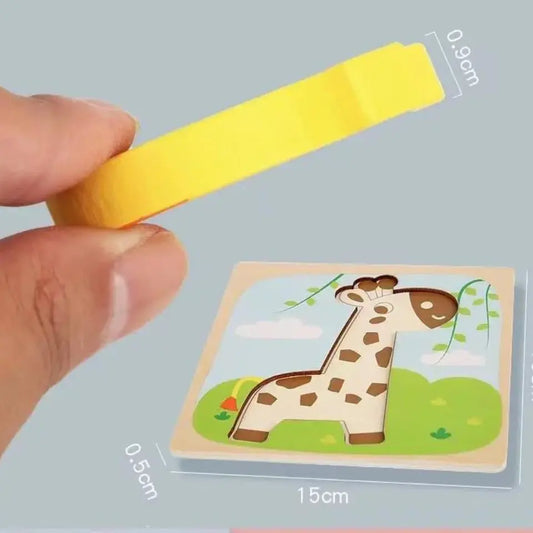
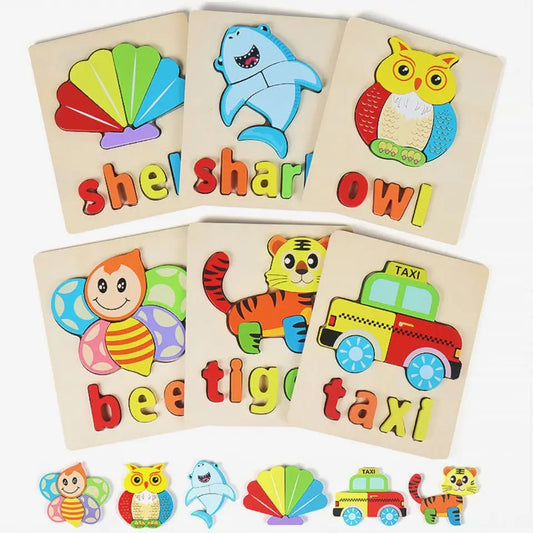
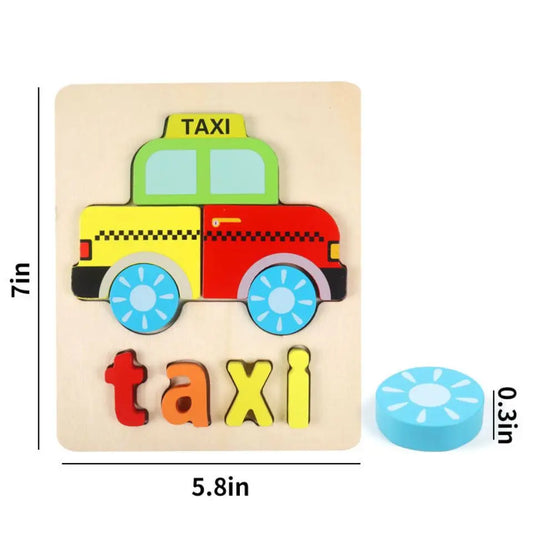
Self-correcting puzzles help toddlers develop confidence because the pieces only fit when matched properly. Instead of relying on adult correction, toddlers independently discover successful solutions. This type of toy strengthens persistence and logical thinking without creating unnecessary pressure.
Montessori Pounding Toys
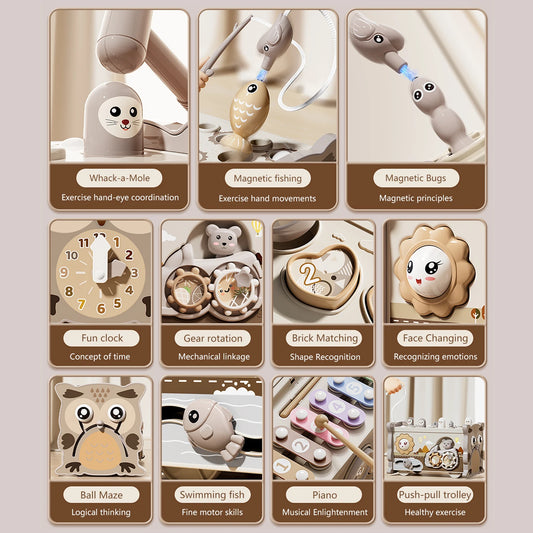
Pounding toys remain popular because they combine movement, coordination, sound, and cause-and-effect learning. A toy that combines pounding activities, bead mazes, and xylophones creates multiple forms of stimulation in one space-saving design. The Best toys for 2 year old toddlers often support several developmental areas simultaneously instead of focusing on only one skill.
Best Toys for 2 Year Old for Sensory and Creative Play
Sensory exploration is one of the primary ways toddlers understand their environment. Touching, squeezing, pouring, and manipulating objects all help strengthen brain development.

Play Dough and Sensory Materials
Play dough remains one of the most versatile toddler activities available. Toddlers squeeze, flatten, roll, pinch, and shape the material using finger muscles that later support writing skills. At the same time, play dough encourages creativity because children invent imaginary foods, animals, shapes, and textures. Sensory play also helps many toddlers regulate emotions and calm themselves naturally.
Washable Markers and Art Activities
Markers are often easier for toddlers than pencils because they produce bright colors without requiring strong pressure. Art activities help children practice grip strength, color recognition, hand control, creativity, and visual expression. Large drawing surfaces such as easels or paper rolls can make art play even more engaging.
Water Tables and Splash Play
Water tables introduce basic scientific concepts through experimentation. Toddlers naturally explore pouring, floating, sinking, and water movement while staying fully engaged. A toy like the Step2 Rain Showers Splash Pond adds interactive features that encourage cause-and-effect learning through movement and observation. Outdoor sensory toys often hold toddler attention far longer than electronic alternatives.
Gel Sensory Pads
Gel-filled sensory pads are one of the most calming options among the Best toys for 2 year old toddlers because they provide sensory play without creating a mess. Toddlers can press, drag, and move colorful gel shapes with their fingers while exploring different textures and patterns. The movement inside the pad reacts instantly to touch, which keeps children focused and entertained for surprisingly long periods.
These toys are especially useful during quiet play, travel, or before bedtime because they help overstimulated toddlers calm down naturally. They also support fine motor development by strengthening finger control and hand coordination. Many parents use sensory pads for simple learning activities too, such as identifying colors, tracing shapes, or following basic instructions during playtime.
Best Toys for 2 Year Old for Pretend Play and Language Development
LEGO DUPLO Sets
LEGO DUPLO sets are popular because they combine building and storytelling in a toddler-friendly way. The large bricks are easy for small hands to grab and connect, which helps toddlers build confidence while improving hand-eye coordination and fine motor skills. Children can stack towers, build simple scenes, or create imaginative structures without becoming frustrated.
Sets like the Bluey Ice Cream Trip also encourage pretend play and language development. Toddlers may invent conversations, serve pretend customers, or act out everyday situations using the characters and accessories. Because there is no strict way to play, DUPLO sets allow creativity to grow naturally while keeping toddlers engaged for longer periods.
Animal Hospital Toys
Animal hospital toys are extremely engaging for toddlers because they combine nurturing play with interactive movement. Opening doors, rescuing animals, and placing figures into beds or containers keeps children active while also improving fine motor coordination. Toddlers enjoy repeating these actions again and again because repetition feels satisfying and comforting at this age.
These toys also support emotional and language development. Children begin practicing empathy by pretending to care for animals, while parents can encourage communication by asking simple questions during play. Toddlers naturally repeat animal names, action words, and short phrases while interacting with the toy, making it one of the Best toys for 2 year old children interested in pretend play.
Talking Flash Cards
Talking flash cards help toddlers connect spoken words with pictures and pronunciation. At age two, children are rapidly learning new vocabulary, so hearing words repeated clearly while seeing matching images strengthens language recognition naturally. Many toddlers enjoy pressing the buttons repeatedly just to hear familiar words again.
These toys become even more effective when parents participate during playtime. Asking simple questions or encouraging toddlers to repeat words helps turn passive listening into active communication practice. Because the activity feels playful instead of educational, toddlers often stay interested much longer than they would during structured learning exercises.
Bubble Toys for Speech Development
Bubble toys may look simple, but they are excellent for encouraging interaction and communication. Toddlers naturally say words like “pop,” “more,” and “again” while chasing and catching bubbles. This makes bubble play a surprisingly useful activity for early speech development and social interaction. Bubbles also support movement and coordination because toddlers track floating bubbles visually while running, reaching, and popping them. No-spill bubble containers are especially practical because they reduce frustration and allow toddlers to play more independently without constant messes or interruptions.
Best Toys for 2 Year Old for Musical Development
Xylophones and Glockenspiels
Xylophones and glockenspiels help toddlers understand the connection between movement and sound. Each strike creates a different note, allowing children to explore rhythm and pitch naturally while practicing hand coordination with the mallet. These instruments also encourage concentration and creativity. Some toddlers simply enjoy making noise at first, while others gradually begin repeating patterns and experimenting with simple melodies.
Drums and Bongos
Drums and bongos are excellent for energetic toddlers because they encourage full-body movement and rhythmic play. Many children naturally enjoy hitting surfaces, so toddler drums provide a safe and creative outlet for that energy while supporting coordination and timing. Drumming can also help toddlers express emotions in a healthy way. Some children drum loudly when excited or frustrated, while others experiment with softer rhythms during calmer moments.
Maracas and Shakers
Maracas and shakers are easy for toddlers to use because even simple movements create sound immediately. This instant feedback keeps children entertained while encouraging rhythm exploration, movement, and coordination at the same time. Toddlers also begin noticing how different movements affect sound intensity. Faster shaking creates louder sounds, while slower movements create softer rhythms.
Wrist Bells and Ankle Bells
Wrist bells and ankle bells help toddlers connect sound directly to their body movements. Every jump, step, or dance movement creates jingling sounds, making physical activity feel even more exciting and interactive for young children. These musical accessories are especially useful for active toddlers who enjoy dancing and movement games. They encourage coordination, rhythm, and balance while keeping children physically engaged in a playful and energetic way.
Open-Ended Toys vs Structured Toys
Experts often recommend keeping roughly 70% of toddler toys open-ended and 30% more structured. Open-ended toys allow unlimited creative possibilities. Building blocks, dolls, pretend kitchens, and sensory materials all encourage independent thinking and imagination. Structured toys such as puzzles and matching games teach toddlers persistence, sequencing, and problem-solving. The healthiest toy collection includes both categories because each supports different developmental skills.

Conclusion
The Best toys for 2 year old toddlers are the toys that encourage active participation instead of passive entertainment. At this stage, children need opportunities to move, experiment, build, imagine, and communicate throughout the day. A well-chosen toy can support physical coordination, language growth, emotional expression, and problem-solving all at the same time. Parents often get better long-term value from simple open-ended toys because toddlers continue discovering new ways to use them as they grow.
For more guidance as your child grows, you can also explore: The Best Toys for 3 Year Old Children.
Instead of focusing only on popularity or technology, it is more useful to look at how a toy supports real developmental needs. Toys that encourage movement, creativity, pretend play, and sensory exploration usually stay engaging much longer than highly electronic toys with limited interaction. The ideal collection of Best toys for 2 year old children combines active play, building activities, musical exploration, and imaginative role-play to create a balanced environment where toddlers can learn naturally through everyday play experiences.