
When it comes to choosing between wooden toys vs plastic toys, most parents are not just comparing materials, they are deciding what truly supports their child’s development.
From safety and sensory growth to creativity and environmental impact, wooden toys are increasingly becoming the preferred choice among parents looking for the best toys for child development and early learning.
But are they really better, or just a trend? In this article, we break down the science, benefits, and practical differences so you can make an informed decision about are wooden toys better.
| Feature | Wooden Toys | Plastic Toys |
|---|---|---|
| Safety | Non-toxic, natural materials | May contain BPA, phthalates |
| Durability | Long-lasting, generational use | Breaks easily |
| Sensory Experience | Rich texture, weight, natural feel | Uniform, less sensory input |
| Environmental Impact | Biodegradable, sustainable | Long-term landfill waste |
| Creativity | Open-ended play | Often predefined functions |
| Price Value | Higher upfront, long-term value | Cheap but short lifespan |
Why Wooden Toys Support Brain Development
Recent research in early childhood development shows that natural materials such as wood help children engage more deeply with sensory exploration. This is one reason benefits of wooden toys for toddlers are widely discussed in child psychology.
Unlike plastic toys, which are often considered less effective as educational toys for early development, wooden toys encourage focus and problem-solving.
"This aligns with findings from Harvard Center on the Developing Child , which emphasizes the importance of simple, open-ended play in building strong brain architecture."
Studies in developmental psychology show that open-ended play improves:
Cognitive flexibility
Attention span
Problem-solving skills
This is also why Montessori toys benefits are strongly linked with wooden toys in early education systems.

Which Is Better: Wooden or Plastic Toys?
The debate around wooden toys vs plastic toys continues among parents and educators.
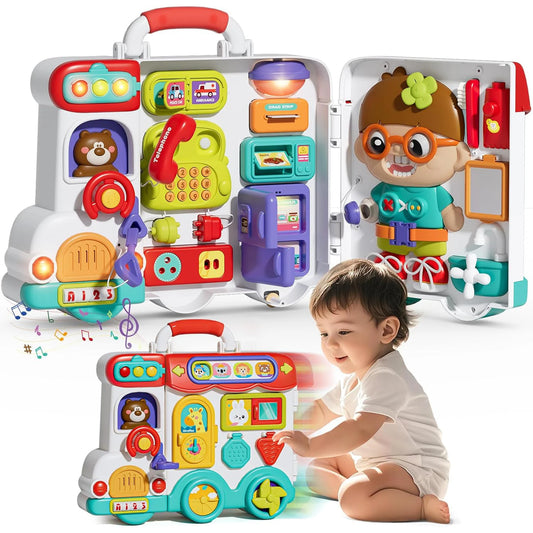
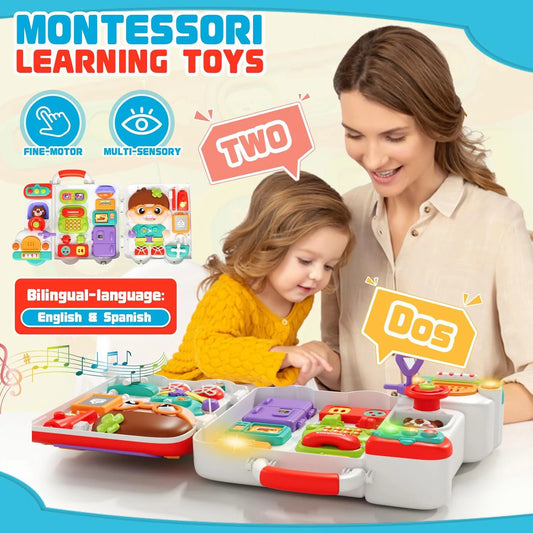
Plastic toys are often cheaper and more colorful, but when it comes to safe toys for babies, they may not always be the best choice due to potential chemical exposure.
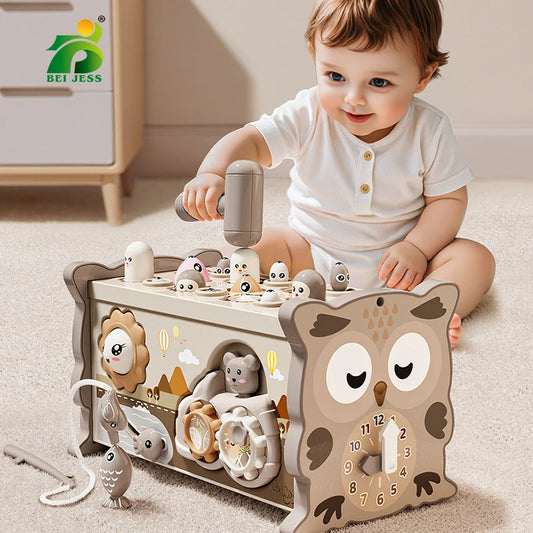
Wooden toys, on the other hand, are widely recommended as non toxic toys for kids, offering a safer and more natural play experience.
Read More: Best Toys for 5 Year Old Children
Standing in the toy aisle, you're faced with a choice. Bright, flashy plastic toys with bells and whistles on one side. Simple, natural wooden toys on the other. The wooden toys vs plastic toys debate isn't just about aesthetics - it's about what's best for your child's growth.
Here's the thing: wooden toys aren't just a trend. They're backed by developmental science and recommended by pediatricians. Let's look at why they're worth the investment.

Safety and Non-Toxic Materials
Your baby puts everything in their mouth. That's how they learn about the world. Plastic toys can contain BPA, phthalates, and PVC - chemicals that mess with hormones and brain development. A Seattle Children's Hospital pediatrician puts it plainly: for kids under 3 who mouth toys, choose wood and skip plastic. This recommendation is also supported by the American Academy of Pediatrics.
Quality wooden toys don't have these nasties. They're made from natural materials with food-grade oils and water-based paints. Check out our wooden toys collection - every piece is tested for safety standards. No sharp edges when they break (which is rare). No toxic chemicals leaching out during play.
Plastic toys can contain BPA, phthalates, and PVC, which are concerns when choosing safe toys for babies. Many parents searching for non toxic toys for kids prefer wooden alternatives because they are made from natural materials and safer finishes.

Sensory Development Benefits
Wooden toys give kids a richer sensory experience. Think about it. Each piece of wood has its own grain, texture, and weight. Compare that to plastic - it all feels the same, whether it's a car or a doll.
Read More: Best Toys for 4 Year Old Children
Kids learn through their senses. The natural warmth of wood, the subtle smell, the satisfying weight in their hands - all of this builds neural pathways. Research shows that natural textures are easier for young brains to process. It's why Montessori educators have used wooden toys Asutralia for over 100 years.
Wooden toys are often recommended as educational toys for early development because they engage multiple senses at once. This makes them one of the strongest examples of best toys for child development.
Durability and Long-Term Value
Yes, wooden toys cost more upfront. But here's the math: a $30 wooden puzzle lasts 10 years. A $10 plastic one breaks in six months. You'll buy that plastic toy three times before your first wooden toy shows wear.
I've seen wooden blocks passed down through three generations. They get better with age - a bit worn, full of memories, still perfectly functional. Plastic toys end up in landfills within months. Your kids play rough. Wooden toys can take it. They don't snap into sharp pieces or lose their wheels after a week.

Environmental Impact
Australians care about the planet. We're seeing the effects of plastic waste firsthand on our beaches. Every plastic toy you skip is one less thing in the ocean in 20 years.
Wood is renewable when sourced responsibly. It biodegrades. When your wooden toy's life is done (decades later), it returns to earth. Plastic sits in landfills for 450 years. Your kids' kids will still be dealing with today's plastic toys. That's not the legacy we want to leave.
Encourages Imagination and Creativity
Here's where wooden toys really shine. A wooden block isn't just a block. It's a phone, a car, a spaceship, a piece of cake. Your child decides.
Plastic toys often come with predetermined functions. Push this button, hear that sound. The toy does the work. Wooden toys make kids do the thinking. Educational toys Australia that are simple force creativity. Your 3-year-old building a tower isn't just stacking - they're learning physics, problem-solving, and spatial awareness. If you’re looking for more examples of high-quality learning tools, check out Best Educational Toys for Toddlers to see how different toys support early childhood development.
Studies back this up. Kids play longer with simple, open-ended toys. Their attention spans grow. They develop narratives and stories. This imaginative play is critical for cognitive development. Wooden toys are widely considered among the best toys for child development because they promote imagination and open-ended play.
Better for Fine Motor Skills
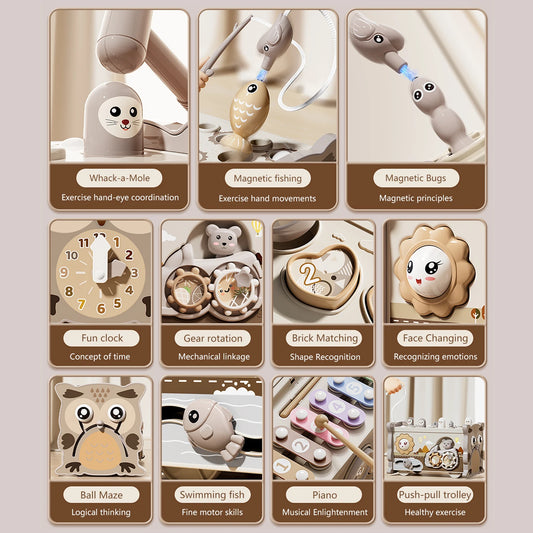
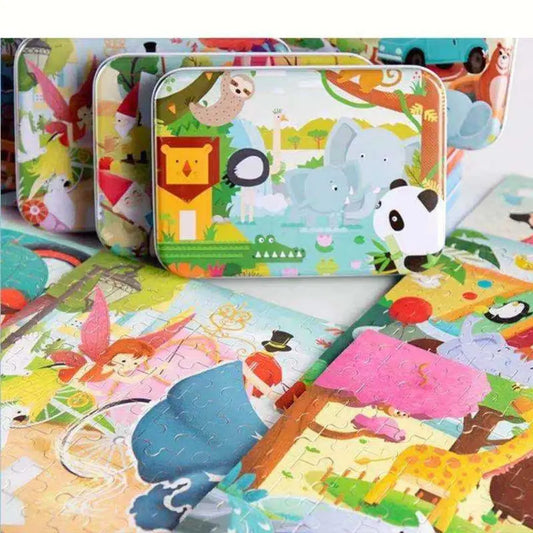
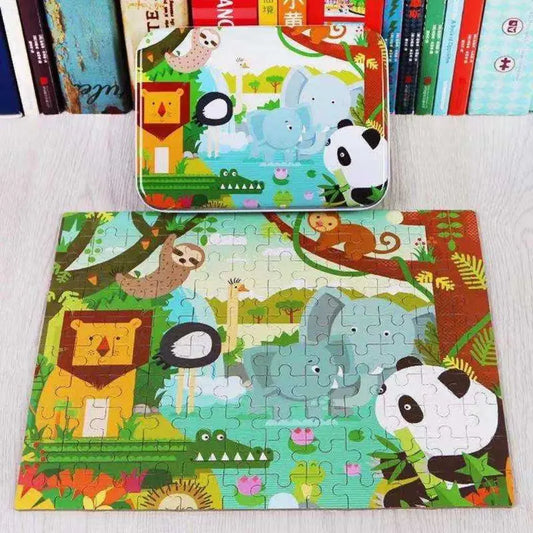
Watch a toddler work on a wooden puzzle. Their little fingers grip each piece, rotate it, test different spots. That's fine motor development in action. Choosing the right difficulty matters a lot here, which is why we’ve explained it in detail in What's the Right Puzzle for My Child.
Wooden toys require effort. The pieces have weight. They need precision to stack or fit together. This builds hand-eye coordination and dexterity - skills kids need for writing, tying shoes, and countless daily tasks.
Shape sorters, building blocks, threading beads - these classic wooden toys build the small muscle movements that take years to develop. Plastic toys with large, lightweight pieces don't offer the same resistance and feedback.
Reduces Screen Time and Overstimulation
Walk into any playroom and count the electronic toys. Beeping, flashing, singing. Kids get overwhelmed. The American Academy of Pediatrics warns these toys cause passive watching instead of active play. Too much sensory input makes kids irritable and unable to focus.
Wooden toys are quiet. They don't demand attention with noise and lights. This calms the nervous system. Kids concentrate better. They engage deeply instead of flitting between stimuli. In our screen-saturated world, wooden toys offer a much-needed break. They teach patience and sustained attention.

Making the Switch to Wooden Toys
You don't need to toss all your plastic toys tomorrow. Start small. Replace broken plastic items with wooden alternatives. Focus on open-ended toys that grow with your child - blocks, simple figures, building sets.
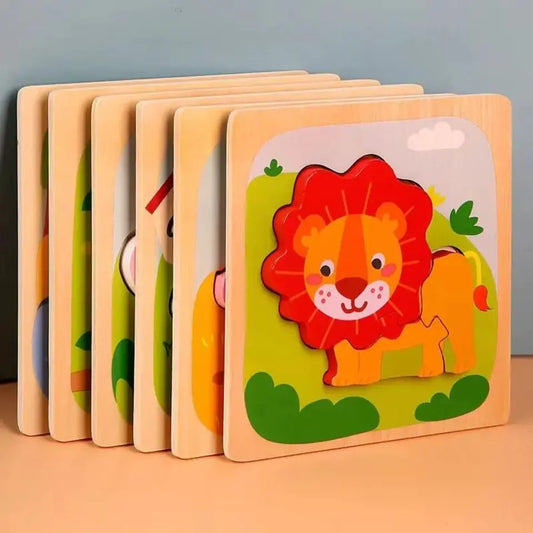
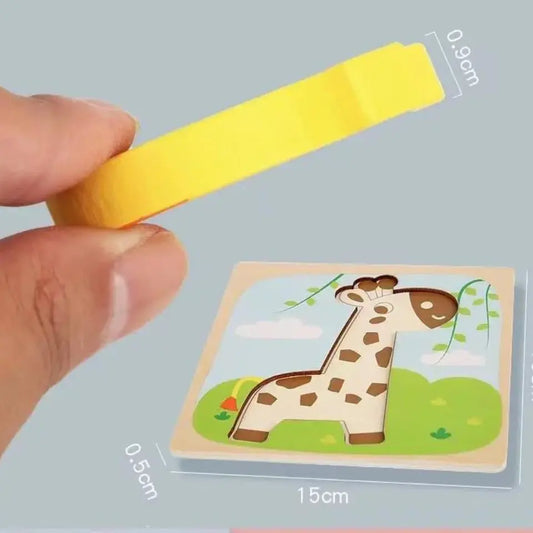
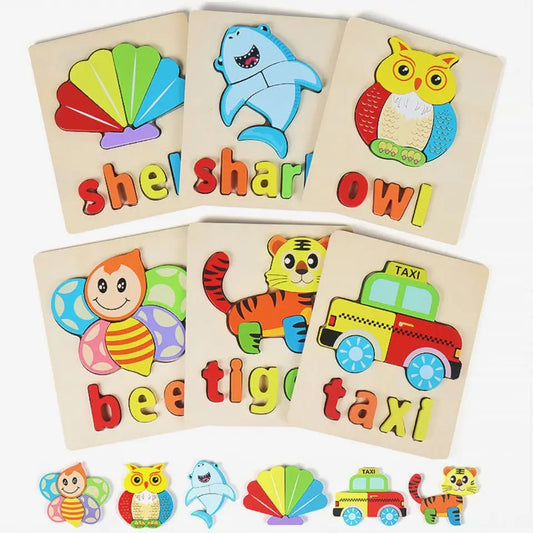
Check our 3D wooden puzzles for toddlers as a great starting point. They're engaging, educational, and built to last. As your collection grows, you'll notice the difference in how your kids play.
Wooden toys aren't perfect for everything. Bath toys and outdoor play might still need plastic. But for developmental play, learning, and everyday fun, wood wins.
Your kids deserve toys that help them grow. Toys that last. Toys that spark real creativity instead of passive entertainment. That's what wooden toys deliver. It's an investment in their development - and one that pays off for years to come.
Many parents begin switching after researching benefits of wooden toys for toddlers and realizing their long-term developmental value.
Common Mistakes Parents Make When Choosing Toys
Choosing toys based only on price
Overloading children with electronic toys
Ignoring safety certifications
Buying overly complex toys that limit imagination
Not considering long-term durability
FAQ
1. Are wooden toys better than plastic toys for toddlers?
Yes, many studies suggest are wooden toys better for safety, durability, and sensory development compared to plastic toys.
2. Do wooden toys help child development?
Yes, they are considered among the best toys for child development due to their role in creativity and problem-solving.
3. Are wooden toys worth the price?
Yes, especially when compared in the wooden toys vs plastic toys debate, they last longer and offer better long-term value.
4. What age are wooden toys best for?
They are widely used in educational toys for early development, from infancy through early childhood.

3 comments
Love the environmental angle here. Makes me rethink what I buy for my kids.
Really helpful article. I didn’t realize how many chemicals can be in plastic toys.
Great breakdown! I switched to wooden toys last year and noticed my daughter plays much more creatively now.