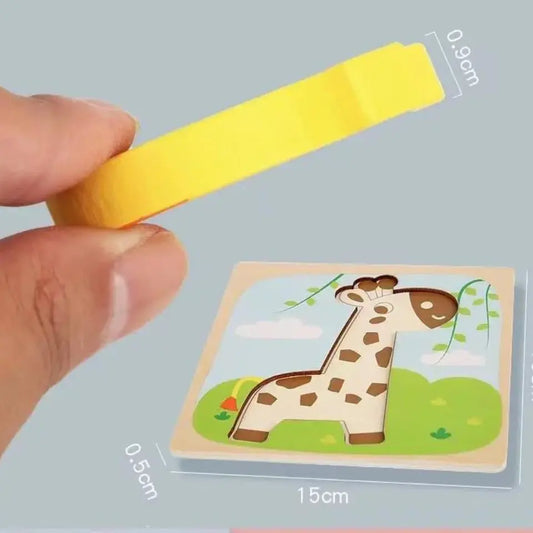
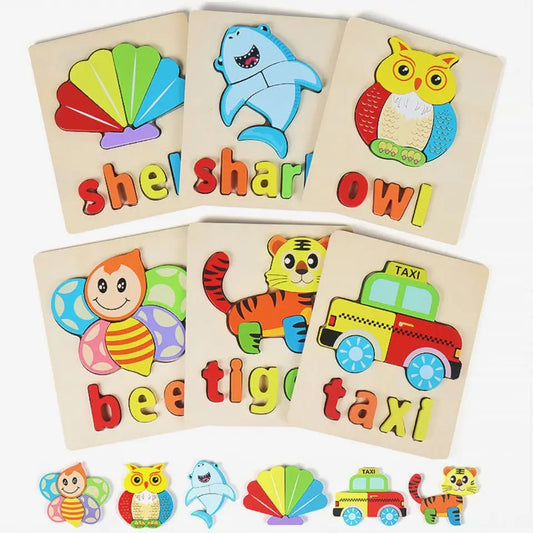
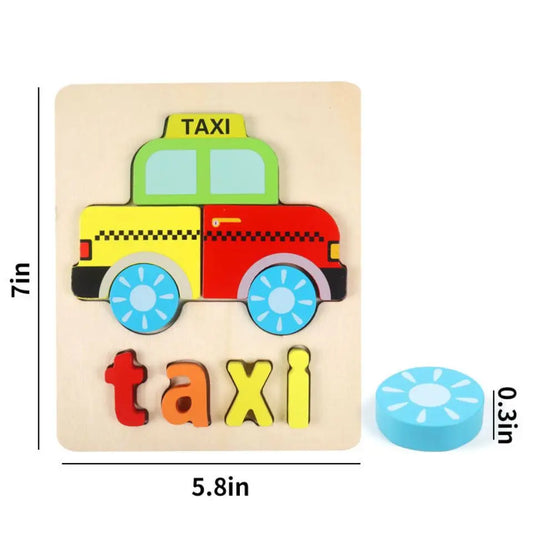

Parents comparing Montessori wooden toys vs interactive electronic toys for learning often want to know which option better supports creativity, focus, and long-term child development. While interactive electronic toys can provide entertainment and fast-paced stimulation, Montessori wooden toys encourage hands-on learning, problem-solving, imagination, and independent thinking. Many educators and parents prefer wooden Montessori toys because they help children develop cognitive and motor skills naturally through open-ended play and real-world interaction.
| Feature | Montessori Wooden Toys | Interactive Electronic Toys |
|---|---|---|
| Learning Style | Hands-on, open-ended, child-led learning | Screen-based, guided, and fast-paced interaction |
| Skill Development | Improves creativity, focus, motor skills, and problem-solving | Enhances quick response, sound recognition, and digital interaction |
| Sensory Experience | Natural textures and tactile play | Lights, sounds, music, and visual stimulation |
| Long-Term Benefits | Encourages independent thinking and imagination | Provides instant entertainment and short-term engagement |
That moment sparks a real question for parents. When it comes to learning, which works better in the wooden vs electronic toys debate? Both promise skills, confidence, and smart kids. Yet they teach in very different ways.
Some toys talk at kids. Others wait for kids to act. Research gives us useful clues, but daily life matters too. Let’s look at what actually helps children learn, grow, and stay curious.

How Wooden Toys Support Active Learning
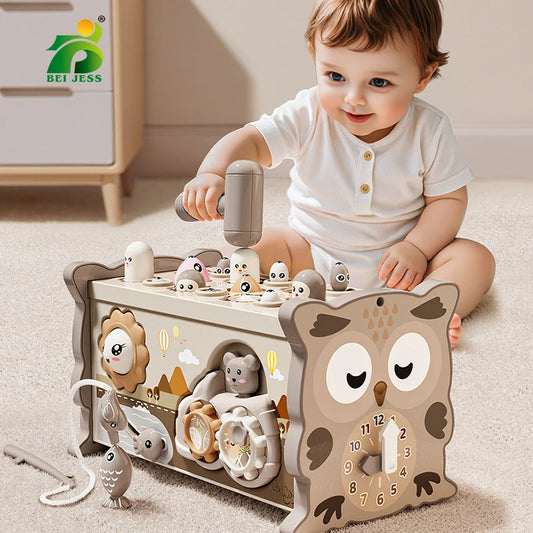
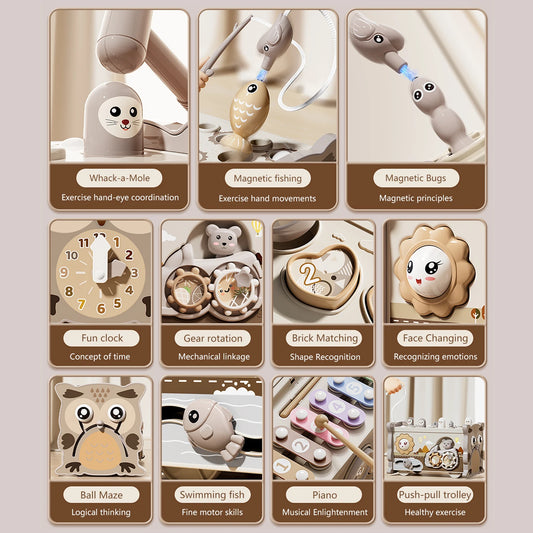
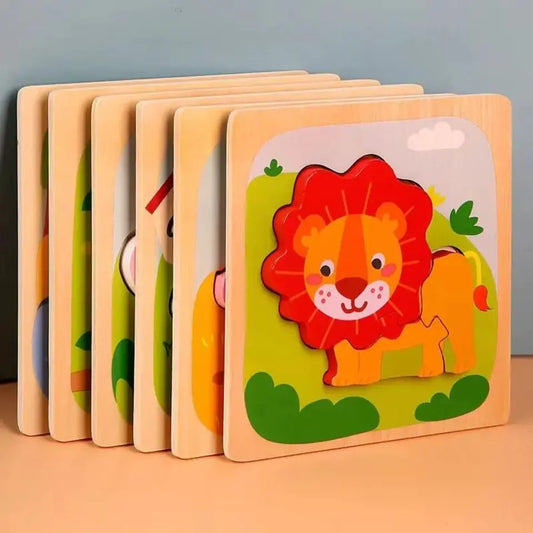
Wooden toys for learning are simple on purpose. Blocks, puzzles, and stacking toys don’t give instructions. Kids figure things out themselves.
This kind of hands-on play supports problem-solving and cognitive development. A child decides what to build, how to fix it, and when to try again. That’s active learning, not passive learning.
Open-ended toys like quality wooden toys also build independent play. No batteries. No scripts. Just imagination skills at work.
The Role of Electronic Toys in Modern Education
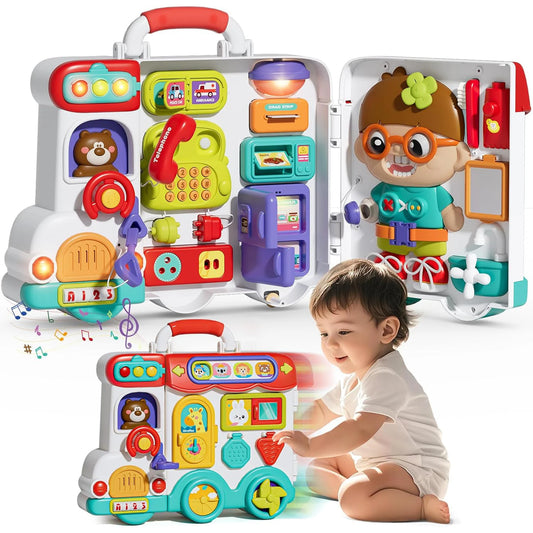
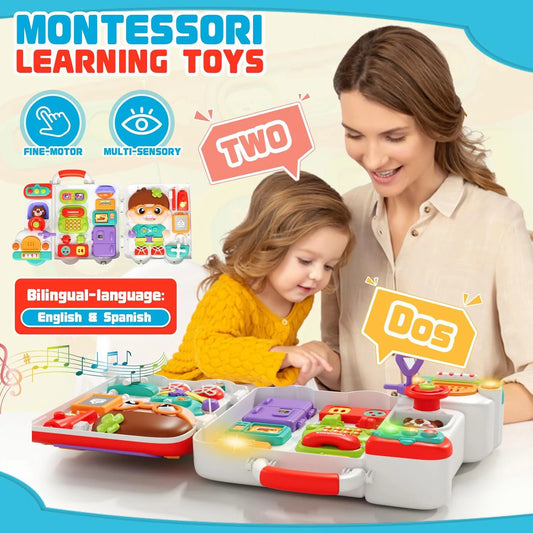
Electronic toys aren’t useless. Some teach letters, numbers, and songs well, especially for short, guided sessions.
Digital toys can help with early exposure to sounds and basic concepts. For example, spelling games that respond to correct answers can support recognition skills.
The problem starts when toys do all the thinking. Battery-operated toys often lead the play, leaving kids to press buttons instead of exploring ideas. Used wisely, though, electronic toys and child development can work together.

Impact on Attention Span and Focus
Attention span matters more than many parents realize. Studies from the American Academy of Pediatrics suggest that toys with lights and sounds can shorten focus time when overused.
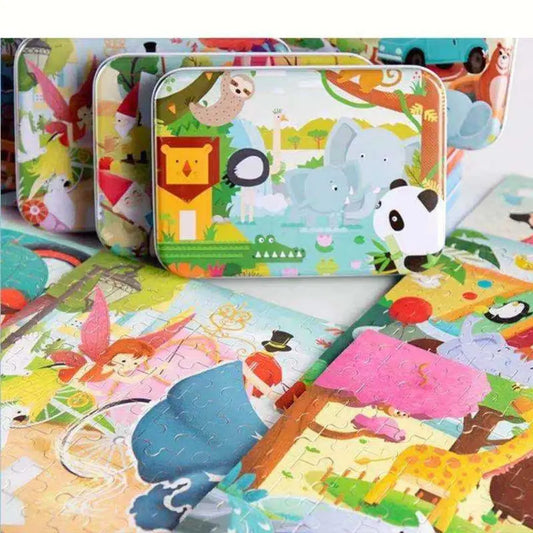
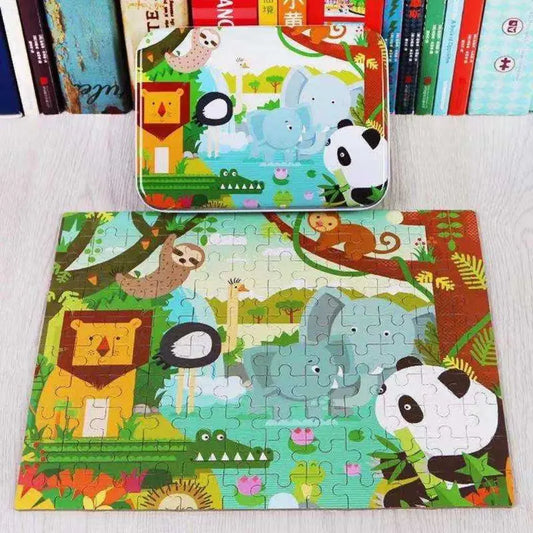
Wooden toys encourage kids to stay with a task longer. A puzzle doesn’t rush them. A set of wooden puzzles invites patience, trial, and effort.
Electronic toys grab attention fast, but often lose it just as quickly. That quick stimulation can make quiet play feel boring later.
Creativity and Imagination Development
Give a child a wooden train and blocks. One day it’s a railway. Next day, it’s a zoo. That’s creative thinking in action.
Screen-free toys leave space for stories, roles, and ideas. Nothing is pre-decided. Kids fill the gaps themselves.
Electronic toys often limit creativity. A toy that sings the same song every time doesn’t change with the child. Traditional play does. This is why many parents prefer Montessori toys that support open-ended learning.
Language Development: What Research Shows
Language growth depends on back-and-forth interaction. A well-known Purdue University study found that children spoke fewer words when playing with electronic talking toys compared to traditional toys.
Wooden toys encourage conversation. Parents talk more. Kids respond more. That builds vocabulary and confidence.
A product like the wooden word spelling game works well because it invites shared play. No voice replaces a real one.

Screen Time and Overstimulation Concerns
Electronic toys aren’t screens, but they act like them. Lights, sounds, and constant feedback can overwhelm young brains.
Overstimulation can affect sensory learning and emotional regulation. That’s why pediatric groups suggest limiting tech-based play for toddlers.
Tech-free play helps kids reset. Quiet focus. Calm problem-solving. Wooden toys naturally support that balance, especially during busy days or before bedtime.
Finding the Right Balance for Your Child
So, what’s the answer in the electronic toys vs traditional toys debate? Balance.
Here’s a simple guide:
-
Under 3 years: Focus on wooden and screen-free toys
-
Ages 3 to 5: Short, guided electronic play is fine
-
Always prioritize shared play over solo button-pressing
Mix learning toys for kids with real interaction. Rotate toys to avoid overload. Watch how your child plays, not just what the box promises. Collections like educational toys make it easier to choose thoughtfully.

Conclusion
When it comes to wooden vs electronic toys, learning isn’t about hype. Wooden toys build focus, creativity, and problem-solving through active learning. Electronic toys can support early skills when used with limits.
Kids don’t need perfection. They need time, space, and the right tools. Choose toys that invite thinking, talking, and trying again. A thoughtful mix works better than extremes, every time.