
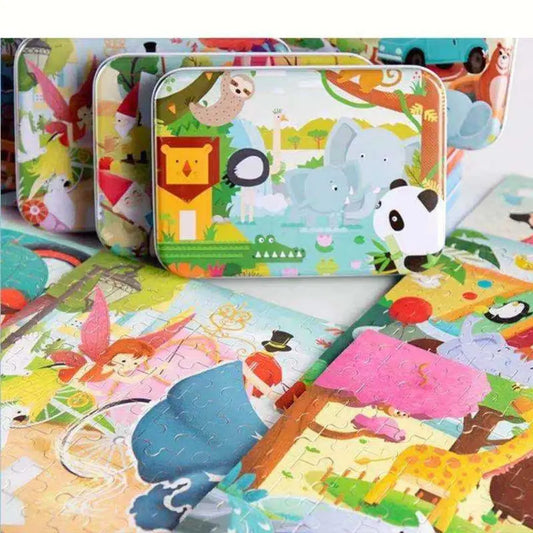
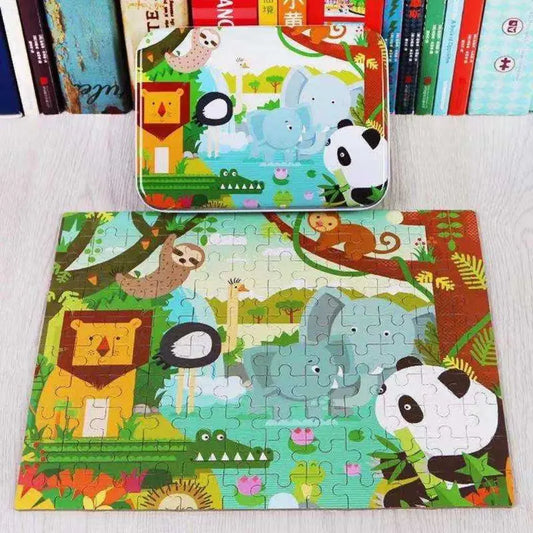
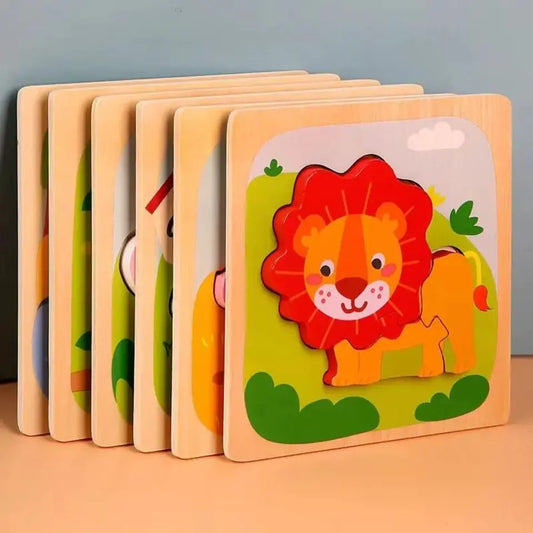
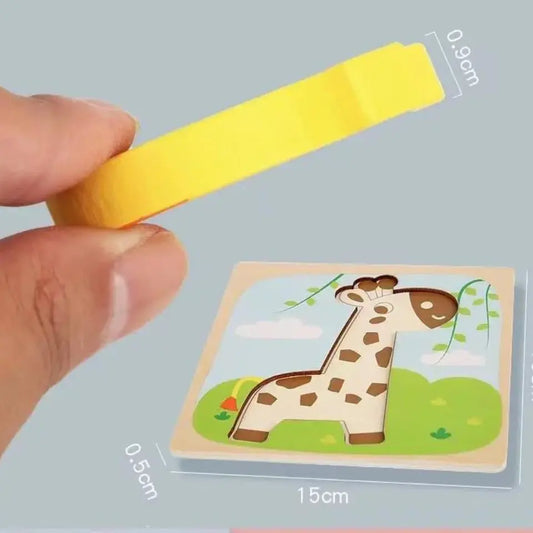

Choosing the right travel busy board for a 3 year old comes down to three things: whether the manufacturer formally includes age three, whether the activities suit your child’s current abilities, and whether the board is practical for the journey. Check the exact size, weight, attached components, cleaning method and battery details before buying rather than relying only on terms such as “Montessori”, “toddler” or “travel”.
| Busy board type | Best suited to | What to check |
|---|---|---|
| Felt busy book | Flights and compact travel | Loose pieces, stitching and cleaning |
| Wooden board | Tables and hotel use | Weight, hardware and dimensions |
| Busy board cube | Multi-sided activities | Bulk, storage and fixed parts |
| LED busy board | Switch and light activities | Batteries, noise and compartment security |
What Is the Best Travel Busy Board for a 3 Year Old?
The best option should clearly include three-year-olds in its recommended age range and contain several activities the child can already use independently. Securely attached components are generally easier to manage when travelling, while clear dimensions and weight help parents judge whether the board will fit in a cabin bag, on a tray table or in a day bag.
The product should also be reasonably easy to clean and free from unanswered safety questions. If it contains magnets, removable pieces or electronics, check how they are secured. For an electronic board, confirm the battery type and compartment design before travelling.

Quick Selection Checklist
- Manufacturer’s recommended age includes age three.
- Read all warnings and safety information.
- Check exact dimensions.
- Confirm the board’s weight.
- Prefer securely attached activities where practical.
- Check whether magnets are used.
- Confirm battery type and compartment security.
- Check cords, ribbons, straps and elastic.
- Consider noise for planes and public spaces.
- Read the cleaning instructions.
- Check how removable pieces are stored.
- Inspect the board for damage before and after travel.
What Can a Three-Year-Old Do With a Busy Board?
Three-year-olds may be able to use zips, buckles, simple latches, sliders, matching activities and basic dressing-style features. However, children of the same age can have very different interests and levels of dexterity, so age alone should not determine which board you buy.
Match Activities to the Individual Child
Look at the activities your child already enjoys. A child interested in backpacks and clothing may prefer buckles and zips, while another who enjoys opening doors or turning controls may be more interested in locks, switches and sliders.
Choose Activities the Child Can Use Now
A useful portable busy board for 3 year old travellers should include several activities that can be used with limited adult help. A small challenge is fine, but a board filled mainly with difficult mechanisms may become frustrating during a trip.
Avoid Paying for Unnecessary Complexity
A larger activity count does not automatically mean better value. A simple board with well-chosen activities can be more useful than one containing dozens of small or complicated features that the child rarely uses.
What Makes a Busy Board Suitable for Travel?
A travel-friendly busy board should be easy to pack, comfortable to carry and suitable for the space in which it will be used. Felt books usually fold flat, while wooden boards and cubes can take up more room. Exact dimensions are therefore more useful than general labels such as “compact”.

Weight is also important, particularly for flights and day trips. Australian parents comparing a travel busy board for 3 year old Australia should check the actual measurements and weight rather than judging portability from product photos alone.
Types of Travel Busy Boards for Three-Year-Olds
Felt Travel Busy Books
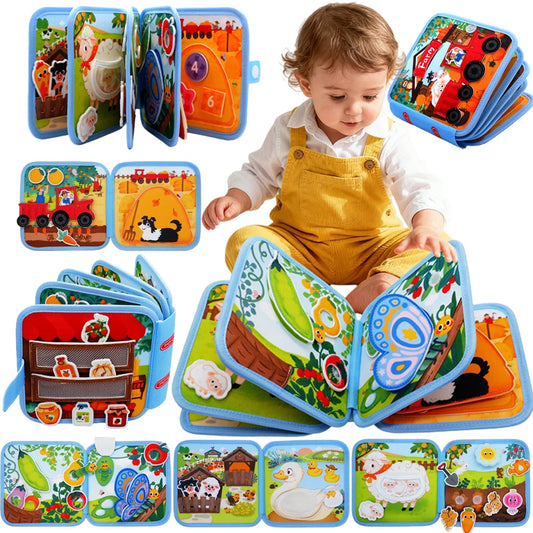
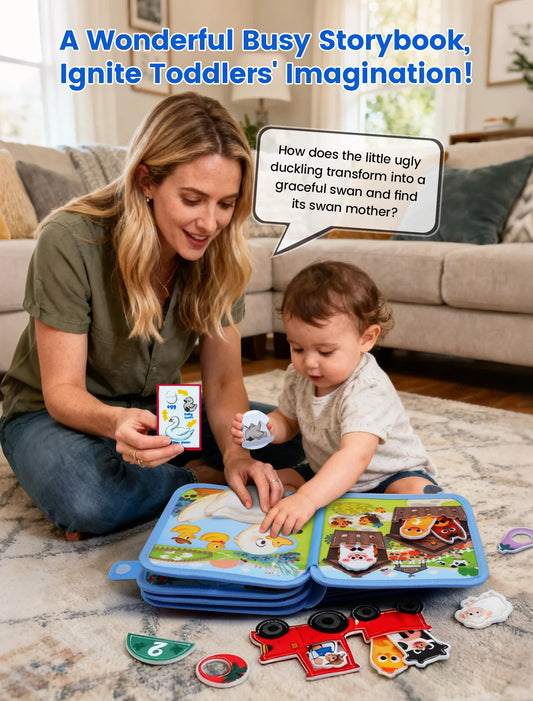
Felt busy books are often practical quiet travel toys for 3 year old children because they are generally soft, lightweight and easy to pack. Common activities include zips, buckles, matching shapes and fastening exercises.
Check whether shapes or decorations detach completely. Loose pieces can be inconvenient on flights, trains and in restaurants even when the board itself is compact.
Compact Wooden Busy Boards
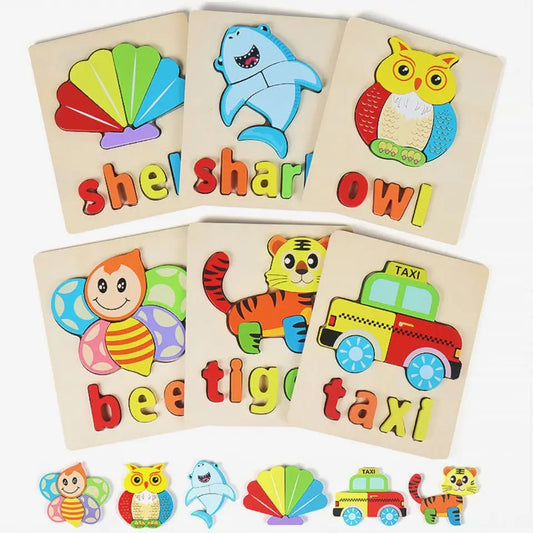
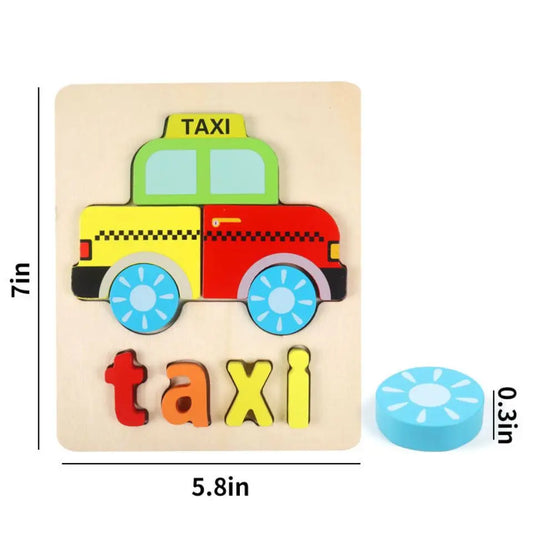
Wooden boards provide a firmer surface for latches, locks, switches and gears. Their main disadvantages for travel are usually added weight, rigid dimensions and harder components.
Check edges, screws and fittings regularly, especially after the board has been carried in luggage. Stop using it if components become loose or damaged.
Travel Busy Board Cubes
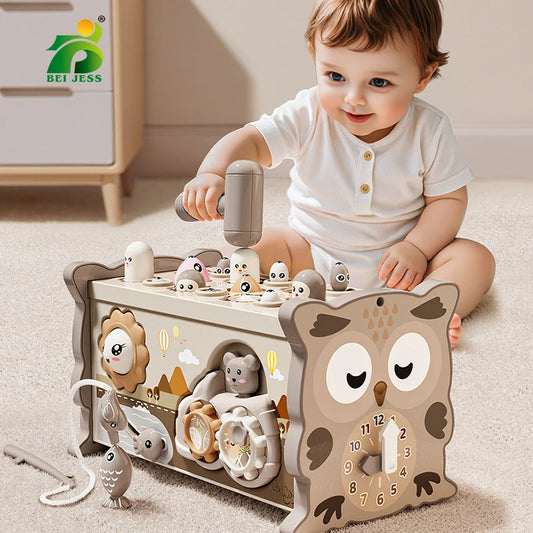
A travel busy board cube provides activities on several sides and can offer good variety in a relatively compact format. Cubes may work particularly well on hotel floors, tables or during longer stays.
Their shape can make them less convenient inside a packed cabin bag or on a narrow aircraft tray, so check the dimensions carefully before buying.
Montessori-Inspired Travel Boards
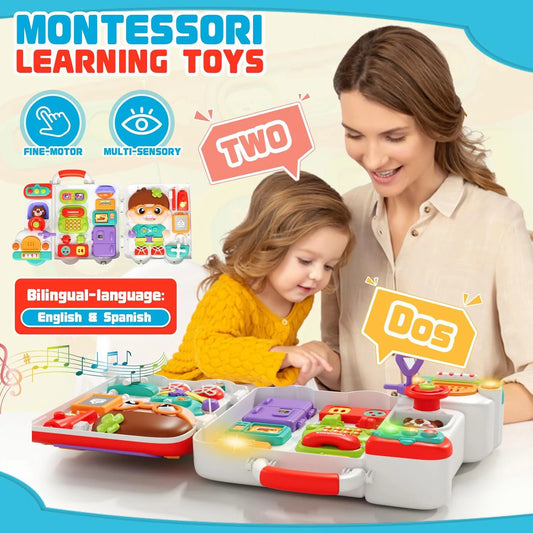
A Montessori travel busy board 3 year old product may include everyday actions such as fastening, buckling, opening and closing. These activities can be useful, but the Montessori label does not itself confirm suitability or safety.
Always check the actual age recommendation, construction and individual activities instead of choosing a board because of its marketing description.
Electronic and LED Busy Boards
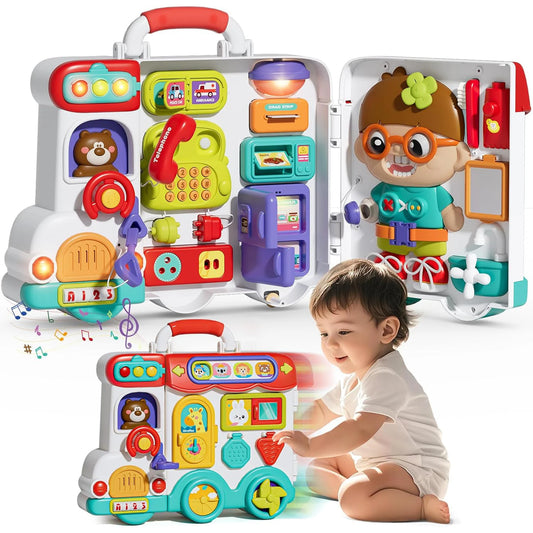
Electronic boards often include switches, buttons and lights that provide an immediate response when operated. They may suit children who are particularly interested in controls and cause-and-effect activities.
Before buying one for travel, identify the battery type, check that the battery compartment is secure and review airline requirements if you intend to fly with it.
Which Busy Board Activities Suit a Three-Year-Old?
Zips, Buckles and Buttons
These activities can suit children who are beginning to practise everyday dressing and fastening skills. Larger components are generally easier for young children to manipulate.
Check that buttons, buckles and other frequently pulled pieces remain firmly secured.
Latches, Doors and Locks
Simple doors, catches and locks provide an obvious action and result. Choose mechanisms that move smoothly enough for the child to use without constant adult help.
Avoid very stiff or unnecessarily complicated locks if the board is mainly intended for independent travel play.
Fixed Wheels, Gears and Sliders
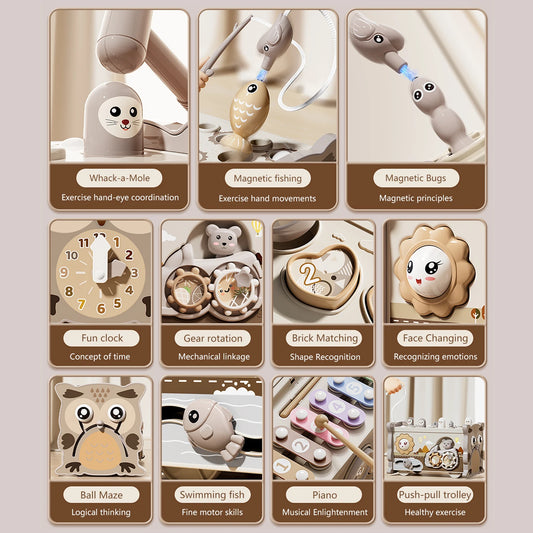
Fixed moving parts are particularly practical during travel because there are no loose pieces to retrieve. They can also provide simple repetitive activities that require little setup.
Look for smooth movement and secure attachment before giving the board to the child.
Colour, Shape and Matching Activities
Colour and shape matching can add variety to a board, especially for children who already enjoy sorting activities.
If pieces are removable, check their size and consider how easily they could become lost during the journey.
Numbers, Letters, Clocks and Calendars
Some boards add numbers, letters, clocks and calendars. These features are optional rather than essential for a three-year-old.
Choose them when they match your child’s existing interests instead of assuming that more academic-looking activities make a better busy board.
Activities That Introduce Loose Pieces
Removable animals, shapes, cards and matching pieces can make a board more interactive, but they are less convenient during travel.
Magnets also need extra attention. Parents should check that magnetic components are securely contained and cannot separate during normal use.
Choosing a Busy Board for Different Journeys
Plane Travel
For an airplane busy board for 3 year old children, look for a lightweight design that fits easily on a lap or tray table. Felt books and slim boards are generally easier to manage than large cubes or heavy wooden products.
Minimise loose parts and unnecessary noise. If the board contains batteries, check the battery specifications and the requirements of CASA and your operating airline before flying.
Car Travel
Any activity used in a car should not interfere with the child restraint, harness or correct seating position. Avoid attaching a board to restraint components or placing a bulky rigid object where it could become hazardous during sudden braking.
A product being marketed for car travel does not mean it is suitable for every child seat or vehicle setup.
Trains and Public Transport
Trains and other public transport often provide more space than an aircraft seat, making felt boards, small cubes and compact books possible options.
Choose something that can also be packed away quickly when changing trains or approaching your stop.
Restaurants and Waiting Rooms
For restaurants and waiting rooms, a compact board with fixed activities can be easier to manage than one containing numerous removable pieces.
Noise also matters in shared spaces, so simple mechanical activities may be more practical than electronic sounds.
Hotels and Holiday Accommodation
Once you reach your accommodation, size becomes less restrictive. Wooden boards and cubes may therefore be more practical in a hotel room than during the journey itself.
A busy board can also be rotated with books and other familiar toys rather than being expected to provide every activity for the holiday.
Safety Checks Before Buying a Travel Busy Board
Start by checking the manufacturer’s age recommendation and warnings. Product Safety Australia advises parents and carers to choose toys appropriate to the child’s age and inspect them regularly for wear, broken parts or components that may become loose.
Magnets and batteries require particular attention. If the board contains small magnets or button and coin batteries, check that they are securely enclosed and that the product complies with relevant Australian safety requirements. Damaged products should be removed from use until they can be properly assessed.
How to Compare Travel Busy Boards Before Buying
Compare boards using the same criteria each time: age recommendation, activities, size, weight, construction, loose parts, magnets, cords, cleaning instructions and battery information.
This approach is more useful than comparing marketing terms. Words such as “educational”, “Montessori”, “portable” and “quiet” can describe a product but do not replace specific measurements, warnings and manufacturer information.
- Age recommendation Confirm the manufacturer explicitly includes age three.
- Activities Check that several activities match the child’s current abilities.
- Size and weight Compare exact measurements with the available bag and play space.
- Construction Inspect stitching, edges, hardware and frequently pulled components.
- Loose parts Check whether removable pieces can be stored securely during travel.
- Magnets and cords Assess containment, attachment and possible entanglement risks.
- Cleaning Follow the manufacturer’s stated cleaning method.
- Battery information Confirm battery type, compartment security and travel requirements.
Current Toys4us Busy Boards: What Parents Must Check
The current Toys4us range includes several busy-board products whose listed age ranges include three-year-olds, including felt and cube-style options. Some listings provide useful measurements and age guidance, making them possible starting points when comparing products.
However, parents should still read the complete individual listing. Do not treat an accessories set as a complete board, avoid products with conflicting age information until the details are clarified, and do not assume an LED board is suitable for air travel unless its battery specifications have been confirmed.
How to Pack and Use a Busy Board While Travelling
Introduce the board at home before the trip. This allows parents to see which activities the child can use independently and identify any pieces that detach more easily than expected.

Keep removable accessories in a secure pouch and inspect the board after travelling. Check stitching, elastic, fittings, locks and other frequently handled components for damage.
- Introduce the board at home before travelling.
- Identify activities the child can use with limited help.
- Check which pieces detach and how they will be stored.
- Pack the board where it will not be crushed by heavier luggage.
- Keep removable accessories inside a secure pouch.
- Inspect the board again after the journey.
When Another Travel Toy May Be a Better Choice
Not every three-year-old will prefer a busy board. Some children may engage more naturally with picture books, drawing materials, reusable sticker activities or simple pretend-play toys.
If the suitable busy boards are too heavy, complicated or inconvenient for your trip, another compact activity may be a better choice. You can also compare options in The Best Toys for 3 Year Old Children, Best Toddler Toys Under $50 and Best Educational Toys Under $50.
Frequently Asked Questions
What Is the Best Travel Busy Board for a 3 Year Old?
The best option clearly includes age three, has activities suited to the individual child and is practical for the intended journey. Check the size, weight, construction and safety information before buying.
Is a Felt or Wooden Busy Board Better for Travel?
Felt boards are usually lighter and easier to pack, making them useful for flights and day trips. Wooden boards provide a firmer surface but can be heavier and less flexible to store.
Can a Three-Year-Old Use a Busy Board on a Plane?
Yes, a suitable busy board can generally be used as a travel activity, provided it fits comfortably in the available space and follows airline and cabin requirements.
Electronic versions require additional checks for batteries and airline rules.
Are Busy Boards Allowed in Carry-On Luggage?
Most ordinary non-electronic busy boards can be packed in carry-on luggage, but the individual components still need to meet security and airline requirements.
Battery-powered versions should be checked separately.
Can an LED Busy Board Be Taken on a Plane?
Potentially, but the battery type and specifications should be confirmed first. Check current CASA guidance and the rules of the airline operating your flight.
Do not assume an electronic toy is automatically suitable for cabin or checked luggage.
Can a Child Use a Busy Board in a Car Seat?
Only if it does not interfere with the child restraint, harness or seating position. Avoid placing heavy or rigid objects where they could become hazardous during sudden braking or a collision.
How Heavy Should a Travel Busy Board Be?
There is no universal ideal weight. It should be light enough to carry comfortably and suitable for the intended travel space.
Always check the actual listed weight rather than relying on terms such as “lightweight”.
How Many Activities Should a Three-Year-Old’s Board Have?
There is no required number. A smaller selection of activities that the child can actually use may be more practical than a board containing dozens of difficult features.
Are Montessori Busy Boards Better for Three-Year-Olds?
Not automatically. Montessori-inspired activities may suit some children, but the label does not prove that a particular product is safer or more appropriate.
Check the age range, activities and construction of the individual board.
How Do You Clean a Felt Travel Busy Board?
Follow the manufacturer’s cleaning instructions. Do not automatically machine wash a felt board because some products include glued decorations, internal reinforcement or hardware.
Will a Busy Board Keep a Three-Year-Old Quiet During a Flight?
There is no guarantee. A child’s interest can change depending on tiredness, hunger, mood and journey length.
A busy board is better treated as one activity among several rather than a guaranteed way to keep a child occupied throughout a flight.
Choose a Board That Fits the Child and the Journey
A suitable travel busy board for a 3 year old should meet three basic requirements: the age recommendation includes three, the activities suit the child’s current abilities, and the size and construction make sense for the planned journey.
Before ordering, verify the individual product’s warnings, dimensions, weight, detachable parts, magnets and battery information. A carefully chosen felt book, wooden board or cube can all work well—the right choice depends more on the individual child and travel situation than on the label printed on the product.