

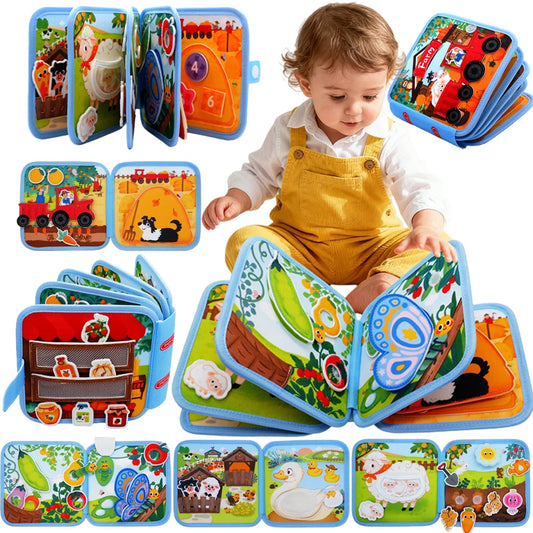
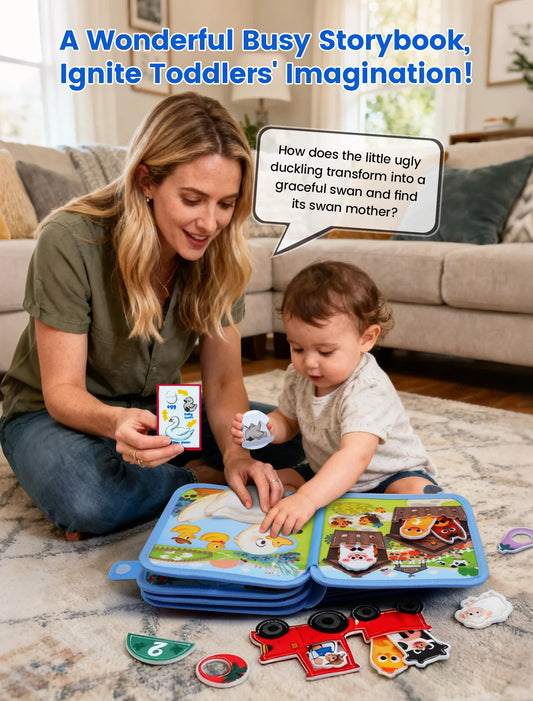
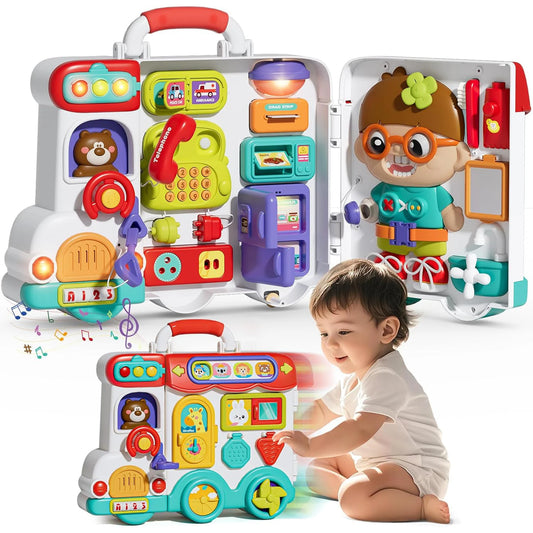
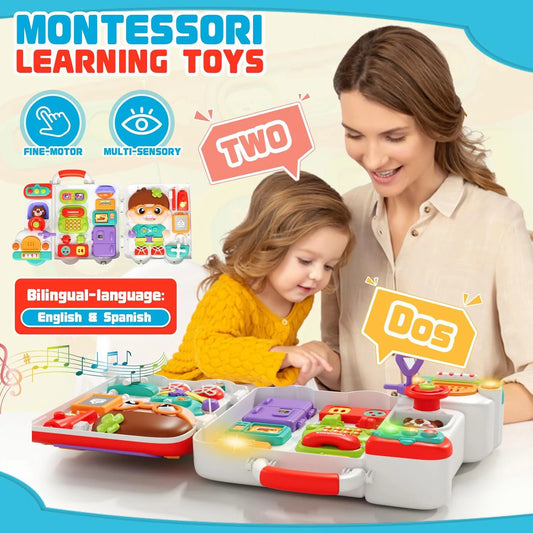

Sensory bath toys can turn ordinary water play into opportunities for pouring, scooping, floating, touching different textures and watching simple cause-and-effect. The best choice, however, is not simply the brightest or most interactive toy. Parents need to check whether a product is genuinely designed for bath or water use, whether it suits the child’s age, how easily it can be inspected and dried, and whether any small parts, batteries or hidden cavities create additional concerns. Most importantly, toys never reduce the need for constant adult supervision in the bath. Australian product-safety guidance is clear that water toys are not safety devices, and young children must remain actively supervised around water.
| What to check | Practical approach |
|---|---|
| Water-use instructions | Choose products explicitly designed for bath or water play |
| Age suitability | Follow the manufacturer’s exact age recommendation |
| Construction | Prefer designs that are easy to inspect, drain and dry |
| Small parts | Check removable pieces, decorations and damaged components |
| Batteries | Require a secure compartment and documented water-safe use |
| Cleaning | Follow the manufacturer’s stated cleaning method |
| After each bath | Drain, rinse if instructed, dry fully and inspect for damage |
| Supervision | Keep an adult close, attentive and responsible throughout the bath |
What Are Sensory Bath Toys?
Sensory bath toys are products designed for water play that may invite children to explore movement, texture, colour, sound, floating, sinking or simple cause-and-effect. A cup that pours a stream of water, for example, offers a different play experience from a floating figure or textured bath toy. These experiences can be enjoyable without describing them as therapy or promising developmental or behavioural outcomes.

Families interested in similar play outside the bathroom can also explore Encouraging Sensory Exploration and Motor Skills by Montessori Toys. Bath play has additional safety and hygiene requirements, however, so products suitable for ordinary sensory play should not automatically be treated as bath toys.
Sensory Play Without Therapeutic Claims
Some children may enjoy repeatedly pouring water, watching objects move or exploring different surfaces with their hands. Others may show little interest in these activities. Sensory bath toys can provide opportunities for exploration, but there is no need to claim that they improve sensory processing, regulate behaviour or guarantee a calmer bath.
Why Bath-Specific Design Matters
A product that can tolerate an occasional splash is not necessarily suitable for immersion. Before placing any toy in a bath, check that its manufacturer specifically permits the intended water use. This is particularly important for electronic products, books, wooden toys, battery-operated toys and products containing glued or layered components.
Best Types of Sensory Bath Toys
Different water play toys create different experiences. Instead of choosing by the number of features, look at what the child can actually do with the toy and how safely the product can be cleaned, inspected and used in water.
Pouring, Scooping and Filling Toys
Simple open cups and purpose-designed pouring bath toys let children fill, empty and transfer water repeatedly. Look for smooth construction, an appropriate age rating and openings that are easy to see and clean. Inspect rims, handles and joined components regularly, particularly if the toy has been dropped or chewed.

Floating and Sinking Toys
Large floating or sinking pieces may invite children to watch movement, push objects across the surface or retrieve them from the water. Choose pieces that remain easy to see and handle. Remember that a child leaning, reaching or putting their face towards the water to retrieve a toy still requires immediate adult attention.
Texture and Squeeze Toys
Soft, textured toys can add tactile variety, but squeeze toys with small holes deserve extra scrutiny. Water may enter an internal cavity and become difficult to remove completely. If the inside cannot be inspected, drained or dried as instructed, consider whether a simpler open or genuinely sealed design would be easier to maintain.
Colour-Changing and Bath-Art Products
Bath crayons, colour products and water-reactive art items can provide creative sensory water play ideas for older toddlers and preschoolers when specifically labelled for bath use. Follow instructions for age suitability, skin contact, rinsing and suitable bath surfaces. Stop using any item that becomes damaged or behaves differently from its instructions.
Light-Up Bath Toys
With light-up bath toys, water activation alone should never be treated as proof of safe construction. Check that the manufacturer explicitly specifies water or bath use and provides instructions for the battery system. For toys intended for children up to 36 months, Australian standards include requirements around secured battery compartments.
If a battery enclosure becomes cracked, loose or damaged, remove the toy from use. Product Safety Australia also advises checking toys for battery warnings and secure compartments, particularly where button batteries are involved.
Simple Household Water Play Without Loose Hazards
Parents do not need a complicated toy for every bath. Under direct adult control, simple water play can involve pouring between suitable smooth containers or watching water run from one bath-safe object to another. Avoid improvised items with sharp edges, breakable materials, small detachable pieces or shapes that could become unsafe during play.
Choose Sensory Bath Toys by Age
Age recommendations matter because babies, toddlers and preschoolers interact with objects differently. Sensory bath toys for babies should generally be simpler than toys intended for an older preschooler, while sensory bath toys for toddlers still need careful small-part and construction checks.
Babies Who Can Use Bath Toys With Support
For babies who are ready to notice or reach towards toys during bathing, keep the activity simple and secondary to safe bathing. A baby’s interest in toys or ability to sit with support does not make independent bath play safe. Babies should never be left alone in a bath, including when bath supports or seats are used.
Bath Toys for One-Year-Olds
Appropriate bath toys for 1 year old children may include large floating toys, open pouring cups or simple water wheels when the manufacturer specifically includes this age group. Avoid assuming that a toy is suitable simply because it looks simple; confirm the stated age and check every detachable component.
For broader dry-play ideas at this stage, see Best Toys for 1 Year Old Toddlers.
Bath Toys for Two-Year-Olds
Suitable bath toys for 2 year olds can introduce more repeated filling, pouring and simple cause-and-effect. Two-year-olds may also experiment more actively with taking toys apart, squeezing them or throwing them into the water, making inspection for damage and small components especially important.
For more age-specific options outside the bath, explore Best Toys for 2 Year Old Toddlers.
Bath Toys for Preschoolers
Preschoolers may enjoy bath-safe art products, colour activities, simple floating-and-sinking observations or more involved pouring systems. Choose products specifically designed for the intended use rather than adapting ordinary craft supplies or dry-play toys.
For other play options for this age group, see Best Toys for 3 Year Old Children.
How to Choose Easy-Clean Bath Toys
Cleaning deserves as much attention as play value. When comparing easy-clean bath toys, consider whether you can actually see the surfaces that become wet, remove retained water and allow the product to dry between uses.

Open Versus Sealed Construction
Open cups, baskets and similar toys may be straightforward to rinse and inspect because their wet surfaces remain visible. A genuinely sealed product can also reduce internal water entry, provided the seal remains intact. Complex products containing inaccessible cavities can be harder to evaluate after repeated use.
Trapped Water and Internal Drying
Be cautious with claims such as “mould-free”. Even mould-resistant bath toys still need to be used, drained and maintained according to their instructions. After bathing, empty retained water and allow toys to dry fully where possible. Pay particular attention to squeeze holes, seams and areas where water remains after the exterior appears dry.
Dishwasher, Boiling and Cleaning Claims
Do not assume that every plastic or silicone toy can be boiled, placed in a dishwasher or treated with the same cleaning product. Heat can deform some materials, while chemicals may damage finishes, seals or electronics. Follow the specific cleaning instructions supplied by the manufacturer rather than applying a universal bath-toy cleaning method.
When to Replace a Bath Toy
Stop using a toy when its instructions recommend replacement or when it becomes cracked, split, contaminated, difficult to clean, unable to drain or impossible to inspect adequately. Also replace toys when pieces become loose, battery compartments are damaged, paint or coatings deteriorate, or soft materials begin breaking into pieces.
Bath-Toy Safety Checks
The toy itself is only one part of bath safety. Australian guidance emphasises active adult supervision whenever young children are around water. Children can drown quickly in very shallow water, so supervision should not be interrupted because a child appears confident, is playing happily or is bathing with a sibling.
Constant, Close and Undistracted Adult Supervision
No sensory activity, bath seat or toy replaces an attentive adult. Stay with the child throughout the bath and remain focused on supervising. Raising Children Network advises that older children or siblings should not be relied on to supervise a younger child because they may not be able to respond appropriately in an emergency.
Exact Age and Small Parts
Read the age recommendation and warning information rather than judging suitability from appearance. Check removable figures, spinning components, suction pieces, decorations and anything that could detach after repeated wet use. Australian product-safety guidance also warns that damaged foam bath toys can create a choking risk if pieces are bitten off.
Batteries and Water-Activated Lights
For electronic bath toys, verify both water-use instructions and battery security. Do not use a battery-powered dry-play toy in the bath simply because the casing appears enclosed. Stop using water-activated products if you notice cracks, corrosion, loose fasteners, unexpected water entry or damage around the battery compartment.
Suction Cups, Cords and Attachments
Inspect suction cups and attachments to make sure they remain secure and intact. Cords, loops and flexible attachments should be assessed according to the product’s instructions and age grading. Avoid relying on a universal homemade measurement because safe design depends on the complete product and its intended use.
Water Temperature and Product Instructions
Set up the bath according to appropriate child-bathing guidance and test conditions before putting the child in the water. Toy instructions should also be checked for temperature restrictions or other limitations. A bath toy should never encourage parents to ignore normal bathing precautions simply to keep an activity going.
Match the Toy to the Child’s Preferred Water Play
Children do not need the same sensory experience. Watching what a child repeatedly chooses can be more useful than buying a toy with many activities. Parents looking for broader developmental play ideas can also read Best Educational Toys for Toddlers: Development Guide for Ages 1-3.
Repeating Pouring and Filling
A child who repeatedly empties cups and refills them may get more use from a few simple pouring pieces than from an elaborate bath activity centre. Choose stable, smooth pieces designed for water use and keep the amount of equipment manageable enough that every item can be inspected and dried after the bath.
Watching Movement and Cause-and-Effect
Some children may spend more time watching a wheel turn, seeing a toy float or observing water flow through an opening. Bath-safe cause-and-effect toys can support this kind of exploration without needing flashing lights, complicated mechanisms or claims about educational outcomes.
Colour and Creative Bath Play
For children interested in drawing and colour, products specifically made for bath art may be an option when their age grading and instructions are appropriate. Check where the product can be used, whether it requires rinsing afterwards and whether the manufacturer gives warnings about particular surfaces or skin contact.
Children Who Prefer Simpler Baths
More stimulation is not automatically better. Some children may prefer one familiar toy, a simple cup or no bath toy at all. There is no requirement to turn bathing into a sensory activity, and removing unnecessary toys may also make supervision, cleaning and bath organisation easier.
How to Evaluate Toys4us Products for Bath Use
For Toys4us, the safest approach is to classify a product as a bath toy only when its own product information explicitly supports the intended wet use. A general sensory, educational or water-related description is not enough.
Require Explicit Bath or Water-Use Instructions
Before recommending a Toys4us product for bathing, the listing should clearly confirm that the product is intended for bath or comparable water use. Information about age, construction, cleaning and relevant batteries or components should also be sufficient to evaluate the product properly.
Do Not Repurpose Water-Painting Books
The current Reusable Water Painting Book uses a pen filled with water to reveal colours on its pages. That use of water does not establish that the book itself is designed for immersion, bath surfaces or wet bathroom play. It should therefore remain a dry-play art product unless the manufacturer explicitly states otherwise.
Do Not Create a Product List Without Verified Inventory
As of this review, a dedicated verified Toys4us bath-toy assortment could not be established from the current store information reviewed. The responsible approach is therefore to keep this page informational rather than filling it with unrelated dry-play toys. A future collection should be added only after bath-use suitability, age information, construction and cleaning guidance have been checked.
Frequently Asked Questions
What Makes a Bath Toy Sensory?
A bath toy can be described as sensory when it gives children opportunities to notice or interact with features such as water movement, texture, colour, sound, pressure, floating or cause-and-effect. The term does not mean the toy provides therapy or guarantees any particular developmental or behavioural result.
What Bath Toys Are Easy to Keep Clean?
Products with visible, accessible surfaces and simple drainage may be easier to inspect than toys with inaccessible internal cavities. A well-designed sealed toy may also be practical if the seal stays intact. In every case, follow the manufacturer’s cleaning instructions and inspect the toy after use.
Are Toys With Holes Safe to Keep Using?
A hole is not automatically a problem, particularly when it is part of an open, washable design. The concern is whether water becomes trapped in an internal space that cannot be adequately inspected or dried. If retained water, contamination or damage cannot be addressed according to the instructions, stop using the toy.
Are Light-Up Bath Toys Safe?
They can be appropriate when the product is specifically designed and documented for water use, correctly age-rated and equipped with a secure battery enclosure. Water activation by itself does not establish safety. Inspect the casing and battery area regularly and discontinue use if the enclosure or seal becomes damaged.
What Bath Toys Suit a One-Year-Old?
For many one-year-olds, large and simple toys such as age-approved floating pieces or open pouring cups may provide plenty of activity. Check the exact manufacturer age guidance, avoid accessible small parts and continue close adult supervision throughout the bath. For dry-play ideas, see Best Toys for 1 Year Old Toddlers.
Can Sensory Bath Toys Calm a Child?
It is better not to promise this. Some children may enjoy particular water activities or familiar toys, while others may prefer less stimulation. A bath toy should be chosen for safe, age-appropriate play rather than as a treatment or guaranteed method for changing behaviour or establishing a routine.
How Often Should Bath Toys Be Cleaned and Checked?
There is no single schedule that suits every product. Follow the manufacturer’s cleaning and maintenance instructions, drain and dry toys after use where directed, and inspect them regularly for trapped water, damage, loose parts or contamination. Toys that become difficult to clean or properly inspect should be removed from use.
Final Thoughts on Choosing Sensory Bath Toys
The best sensory bath toys Australia families can choose are not necessarily the products with the most lights, textures or moving parts. Prioritise explicit water-use instructions, suitable age grading, straightforward construction, practical cleaning and careful inspection. Above all, maintain constant adult supervision whenever a young child is in the bath because toys do not make water play independently safe.
Until Toys4us has a verified bath-specific range, parents looking for products from the store can instead explore Educational Toys Australia for suitable dry-play options. These products should remain outside the bath unless their individual instructions clearly state that they are designed for the intended water use.