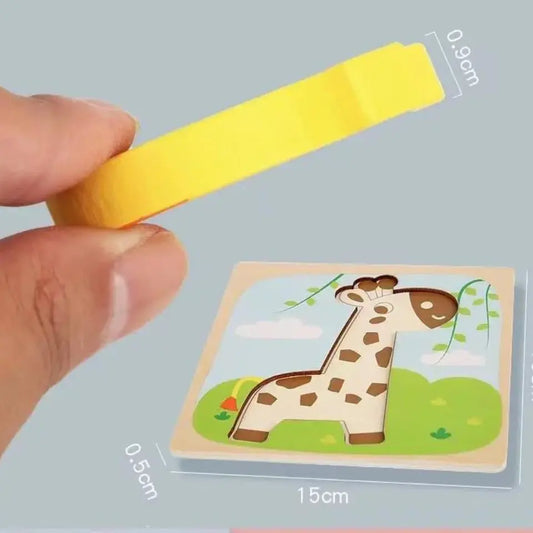
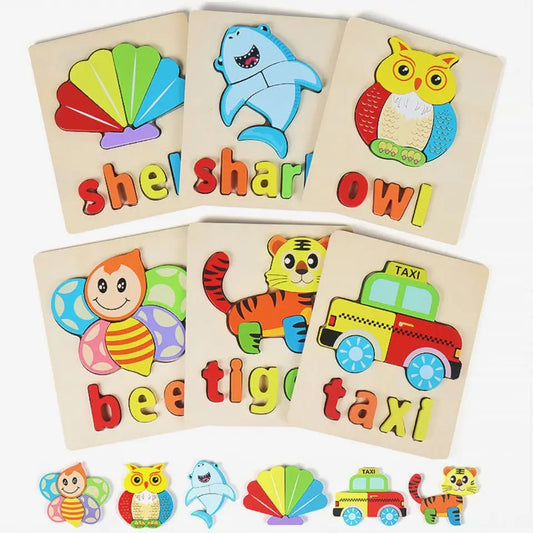
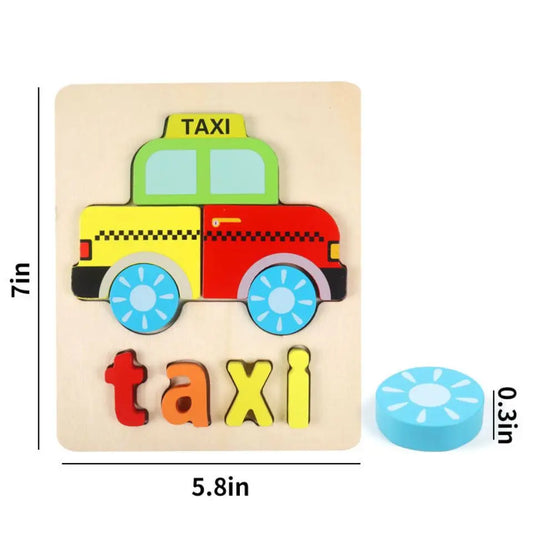

Wooden Toys Australia are durable, sustainable, and safer for long-term play, but only if you care for them properly.
If you've ever wondered how to clean wooden toys safely, prevent mold, disinfect teething toys, or restore dry wood, this guide covers everything parents need to know.
From quick daily cleaning routines to natural conditioning oils and storage tips, you'll learn how to keep wooden toys hygienic, beautiful, and long-lasting without damaging the wood.
| Situation | Recommended Cleaning Method | Avoid |
|---|---|---|
| Daily Dust | Dry microfiber cloth | Wet wipes |
| Sticky Residue | Damp cloth + mild soap | Soaking in water |
| Teething Toys | Vinegar-water solution | Bleach cleaners |
| Mold Spots | Vinegar + sunlight drying | Storing while damp |
| Dry Wood | Beeswax or mineral oil | Synthetic polish |
| Building Blocks | Quick dip & immediate dry | Dishwasher cleaning |
Why Wood Is Naturally More Hygienic Than Plastic
Studies have shown that wooden surfaces naturally reduce bacterial survival because wood absorbs moisture and traps bacteria away from the surface.
Unlike plastic, where bacteria can continue multiplying, wood creates a less favorable environment for germs over time.
This is one reason many Montessori educators and early childhood experts prefer wooden toys for toddlers and babies.
You spent good money on those wooden toys. Now they're sticky, dusty, or sitting in a puddle because your toddler decided they needed a bath.
Don't panic. Wooden toy care and maintenance is simpler than you think. With a few basic habits, your wooden toys can last through multiple kids and still look great. Let's talk about keeping them clean, safe, and ready for years of play.

Why Wooden Toys Need Different Care
Wood isn't plastic. You can't throw it in the dishwasher or leave it soaking in the sink.
For child safety guidance on cleaning and hygiene, pediatric experts recommend avoiding harsh disinfectants and focusing on mild soap and water methods rather than chemical cleaners American Academy of Pediatrics. Wood absorbs water, swells, cracks, and loses its shape when overexposed to moisture.
But here's the good news: wood is naturally antimicrobial. Research shows that bacteria left on wooden surfaces dies off overnight, while the same bacteria multiplies on plastic. This means you don't need to clean wooden toys nearly as often as you think.
The porous nature of wood pulls moisture away from the surface, creating an environment where germs can't survive. Your wooden blocks are basically self-cleaning. Pretty cool, right?
How Often Should You Actually Clean Wooden Toys?
Not as often as plastic toys. Seriously.
Clean wooden toys when:
-
Your child's been sick
-
There's visible dirt or sticky residue
-
They've been mouthed heavily (teething toys need daily cleaning)
-
Multiple kids have played with them
For regular play? Monthly cleaning is plenty. If you've got a Montessori toy collection that's used daily, a quick wipe every few weeks keeps things fresh without overdoing it.
Australian parents dealing with Queensland humidity might need to clean slightly more often to prevent moisture buildup. Dry climates like Perth? You're golden - just watch for dust.
The Right Way to Clean Wooden Toys

Keep it simple. You need three things: water, mild soap or vinegar, and a clean cloth.
Health authorities such as NSW Health also emphasize cleaning children’s items with safe, non-toxic methods and ensuring surfaces are fully dried to prevent microbial growth NSW Health.
Basic cleaning method: Mix warm water with either mild dish soap (1:4 ratio) or white vinegar (1:10 ratio). Dampen your cloth - not dripping wet, just damp. Wipe down the toy's surface, paying attention to grooves where gunk hides.
Follow with a dry cloth to remove residue and moisture. Let toys air dry completely before storing. If it's a sunny day, put them outside for 20 minutes - UV rays kill extra germs and speed drying.
For wooden puzzles with small pieces, wipe each piece individually. Yes, it takes time. No, you can't shortcut by soaking them. Trust me on this.
Quick-dip method for building blocks: Got a whole set of blocks to clean? Fill your sink with the soap or vinegar solution. Dip blocks in, swirl around for 10 seconds max, drain immediately, rinse with clean water, and dry thoroughly. This is a dip, not a soak. Don't walk away and forget them.
Montessori & Child Development Perspective
Many Montessori-based education systems prefer natural materials like wood because they are durable, sensory-friendly, and safer for long-term child development environments.
Montessori Australia Foundation supports the use of educational toys that encourage hands-on learning and safe, natural materials in early childhood settings Montessori Australia Foundation.
quote (from NSW Health)
“We are here for you. We treat everyone with kindness, respect and compassion.” NSW Health
What Never to Do
Let's be clear about the don'ts, because these can ruin your toys permanently:
Never soak wooden toys in water. The wood will absorb moisture, swell, warp, and potentially crack. Painted toys will lose their color. Glued joints will come apart. Just don't.
Never put them in the dishwasher. The heat and prolonged water exposure will destroy them. I know it's tempting. Resist.
Skip harsh chemicals. Bleach, disinfectant wipes, and furniture cleaners leave toxic residue. Your toddler will put these toys in their mouth. Stick with natural cleaners.
Don't use a hairdryer or heater to speed drying. Rapid temperature changes cause wood to split. Air drying is your only option.
Troubleshooting Common Mistakes
Your toy did get soaked. Now what? Dry it immediately with towels. Place it in a well-ventilated spot (not direct sunlight, which can cause uneven drying and cracking). Let it air dry completely for 24-48 hours. Check for warping or loose parts. If the toy's warped significantly, it's probably done. If it's just slightly misshapen, you might get lucky.
There's mold on a wooden toy. Mix equal parts vinegar and water. Wipe down the affected area thoroughly. Let it dry completely in fresh air and sunlight. The mold staining might remain even after the mold's dead, but the toy's safe to use if properly dried. Prevent future mold by ensuring toys are bone-dry before storage.
The paint is fading. Some fading is normal with use and sunlight exposure. If you want to slow it down, store toys away from direct sunlight when not in use. Don't try to repaint unless you're using child-safe, non-toxic paint.
The wood feels dry and rough. Time to condition it. More on this below.
Conditioning and Restoration

Wood dries out over time, especially in Australia's harsh sun. Conditioning wooden toys keeps them smooth, protected, and beautiful.
Use food-safe oils - mineral oil, coconut oil, or beeswax polish work perfectly. Put a small amount on a soft cloth and rub it into the wood in circular motions. Let it sit for 10 minutes, then buff off any excess.
Do this every few months for heavily used toys, or yearly for pieces that don't see daily action. Your educational toys will maintain that gorgeous wood glow instead of looking dried and lifeless.
Beeswax has the bonus of creating a protective layer that prevents minor scratches and repels moisture slightly. It smells good too, which kids love.
Storage That Extends Toy Life

Where you keep wooden toys matters as much as how you clean them.
Store in cool, dry places. Avoid damp areas like bathrooms or garages. Moisture is wood's enemy. In humid climates, consider storage bins with ventilation holes rather than sealed containers.
Keep away from direct sunlight. Prolonged exposure fades colors and dries out wood. A toy box in a corner works better than a shelf in front of a sunny window.
Don't overcrowd. Give toys breathing room. Stacking too many pieces causes scratches and dings. Use fabric bins or wooden shelving that allows air circulation.
Rotate toys seasonally. Before storing toys for a while, clean them thoroughly and let them dry completely. A light coat of oil before long-term storage prevents excessive drying.
Involving Kids in Toy Care
Here's a parenting win: toddlers love cleaning because they see you doing it. Use that.
Give your 2-3 year old a damp cloth and let them "help" wipe their toys. They'll feel proud, and you're teaching responsibility. It doesn't have to be perfect - you can do a proper clean later.
Older kids can learn the whole process. Show them how to check for damage, wipe toys down properly, and organize them for storage. These are practical life skills that matter.
Make it part of the routine. "Before bed, we clean up and wipe down the toys we used today." Simple, consistent, and builds good habits.
Quick Maintenance Checklist
Weekly: Quick visual check for damage, loose parts, or excessive dirt
Monthly: Light cleaning with damp cloth, check for splinters or rough spots
Quarterly: Deep clean with vinegar solution, inspect all toys thoroughly, condition if needed
Yearly: Complete toy audit, remove broken items, deep condition all pieces, reorganize storage
The Real Benefit

Proper care extends wooden toy life by years. That $40 set of blocks you bought? With basic maintenance, it'll last until your kids have kids of their own.
Compare that to plastic toys that crack, fade, and end up in the bin within months. The small effort you put into wooden toy maintenance pays off in durability, safety, and yes - saving money long-term.
Your wooden toy collection is an investment in quality play. Taking care of them isn't complicated. A little attention goes a long way.
Clean when needed, not obsessively. Dry thoroughly, always. Condition occasionally. Store smartly. That's it. Your toys will stay beautiful, safe, and ready for the next generation of builders, learners, and imaginative players in your family.
Common Mistakes Parents Make With Wooden Toys
Many parents accidentally damage wooden toys by cleaning them like plastic toys.
The most common mistakes include:
- Soaking toys in water
- Using disinfectant sprays with harsh chemicals
- Drying toys near heaters
- Storing toys while still damp
- Leaving toys in direct sunlight for long periods
Avoiding these mistakes can dramatically extend the lifespan of your wooden toys.
When Should You Throw Away Wooden Toys?
Replace wooden toys if you notice:
- Deep cracks
- Loose choking hazards
- Persistent mold
- Sharp splinters
- Peeling toxic paint
FAQ
1. Can you wash wooden toys with water?
Yes, but only with a lightly damp cloth. Wooden toys should never be soaked because excess moisture can cause swelling, cracking, and warping.
2. Is vinegar safe for cleaning wooden toys?
Yes. A diluted vinegar solution is one of the safest natural disinfectants for wooden toys when used correctly.
3. How do you disinfect wooden toys after illness?
Wipe toys with a vinegar-water solution, dry thoroughly, and leave them in sunlight for additional natural sanitization.
4. How often should wooden toys be cleaned?
Most wooden toys only need monthly cleaning unless they are heavily mouthed, visibly dirty, or used during illness.
5. What oil is safe for wooden toys?
Food-grade mineral oil, beeswax polish, and coconut oil are commonly used to protect and condition wooden toys safely.

3 comments
The beeswax conditioning section was amazing. Our old wooden puzzle set looks almost brand new again.
We live in Brisbane and humidity has always been a problem for our wooden toys. The storage tips here were incredibly useful.
I honestly didn’t realize soaking wooden toys could damage them this badly. The vinegar cleaning tip worked perfectly for our Montessori blocks. Super helpful guide!