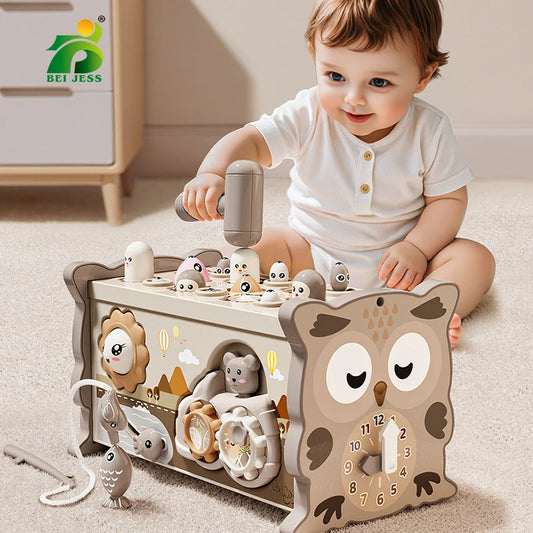

If you are deciding where to buy wooden toys for babies, start with an Australian retailer that provides a clearly identified baby or infant range and enough product information to check suitability before ordering. Look for manufacturer age guidance, dimensions, materials, coatings, components, warnings, delivery information and a clear returns process rather than relying on labels such as “natural”, “Montessori”, “eco-friendly” or “non-toxic”. For babies and young toddlers, the specific product details matter more than the fact that a toy is made from wood.
| What to check before buying | What a useful listing should tell you | Why it matters for babies |
|---|---|---|
| Manufacturer age | A specific age such as 12 months+ or 18 months+ | Helps separate baby toys from products intended for older children |
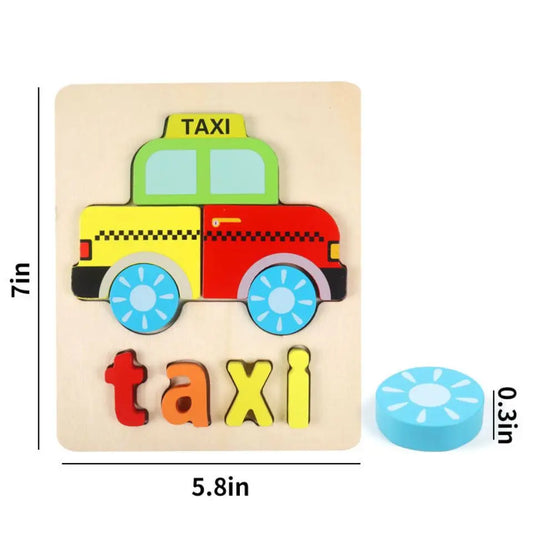
| Size | Overall dimensions and, where relevant, individual piece sizes | Small or detachable components require particular attention for children under three |
| Materials | Type of wood and any other materials used | “Wooden” does not necessarily mean every component is wood |
| Paints and coatings | Specific finish or coating information rather than a vague safety claim | Babies commonly mouth and handle toys closely |
| Construction | Information about removable pieces, cords, fasteners, magnets or batteries | Components can change the risk profile of an otherwise simple wooden toy |
| Weight | Product or piece weight where relevant | Heavy pieces may be impractical for a young baby |
| Delivery | Stock status, dispatch time and estimated delivery | Important when buying a baby-shower or birthday gift |
| Returns | Change-of-mind and faulty-product procedures | Makes it easier to resolve an unsuitable purchase |
| Supplier information | Manufacturer, importer or retailer contact details | Gives shoppers somewhere to ask for missing information |

Where Can You Buy Wooden Toys for Babies in Australia?
Australian parents can buy wooden baby toys online through specialist toy retailers, baby stores, Montessori-focused shops and larger marketplaces, but the best place to shop is one that makes age suitability easy to verify. A general Wooden Toys collection can be a useful starting point, provided shoppers still check each individual product rather than assuming everything in the collection is appropriate for babies.
For babies under three, age information is particularly important. Australia's mandatory standard for toys intended for children up to and including 36 months includes requirements relating to design, construction and small parts that may be released during play or reasonable wear. This is one reason a clear manufacturer age should be treated as essential product information rather than a marketing detail.
Related Products
Start With a Verified Baby Range
A verified baby range should contain products whose manufacturer age guidance actually includes babies or the relevant young-toddler age. Filtering a broad toy catalogue by appearance is not enough: a simple wooden puzzle or colourful stacking toy can look appropriate for an infant while the manufacturer recommends it only for children aged three or older.
When comparing baby wooden toys Australia retailers sell, start with the age field and then investigate construction. A smaller collection with complete information can be more useful than a large collection mixing infant products with preschool toys, complex puzzles and decorative objects.
What a Trustworthy Product Page Should Show
A strong product page should state the manufacturer-recommended age, dimensions, product weight where relevant, materials, included pieces, finish or coating information, and whether the toy includes magnets, batteries, cords or other non-wooden components. Any required warnings and supervision instructions should be easy to find rather than hidden in generic collection copy.
It should also show stock status, delivery expectations, care instructions, returns information and identifiable supplier or manufacturer details. If important information is absent, ask the retailer before buying instead of interpreting descriptions such as “baby”, “Montessori”, “natural” or “child-safe” as substitutes for specifications.
Types of Wooden Toys Shoppers May Compare
The right category depends on the baby's confirmed age and current abilities. Parents interested in development-focused products may also find Montessori Toys for Infants: Enhancing Learning from an Early Age useful for understanding how simple toys can be matched to early grasping, reaching, object exploration and problem-solving.

Wooden Rattles and Grasping Toys
Wooden rattles and grasping toys are among the simplest options shoppers may encounter. For a baby, however, simplicity does not remove the need to check the manufacturer's age recommendation, overall size, weight, finish and construction.
Check whether rings, beads or other parts can become detached and whether the retailer identifies the coating used on surfaces likely to be mouthed. A smooth appearance in product photographs cannot confirm durability or suitability.
Stacking and Nesting Toys
Stacking and nesting toys may offer longer-term play because babies can initially explore individual pieces before developing more deliberate stacking skills. Large rings, cups or blocks may therefore appeal to shoppers looking for a toy that can remain interesting as abilities change.
Do not assume that every stacking product is an infant toy. Some sets contain small decorative elements or are formally recommended only for older toddlers, so compare the age grade and individual component sizes before ordering.
Shape Sorters and Posting Toys
Shape sorters and posting toys introduce matching, object permanence and cause-and-effect play, but the included pieces deserve as much attention as the main wooden box. Check how many pieces are supplied, their dimensions and whether any knobs, pegs or decorative components are attached.
These toys are often marketed using Montessori terminology. For more context about that design style, Why Are Montessori Toys Wooden? explains why wood is common in Montessori-inspired products without treating wooden construction as automatic evidence of suitability.
Pull-Along and Push Toys
Pull-along and push toys are generally more relevant once a child has reached the developmental stage and manufacturer age specified for the product. Push toys also need to be assessed as physical products rather than simply as developmental aids because stability, weight and construction vary considerably.
With pull-along designs, review cords or strings carefully and follow the manufacturer's instructions. Avoid choosing solely because a product is advertised for “early walking” or “toddler development”.
Simple Wooden Puzzles
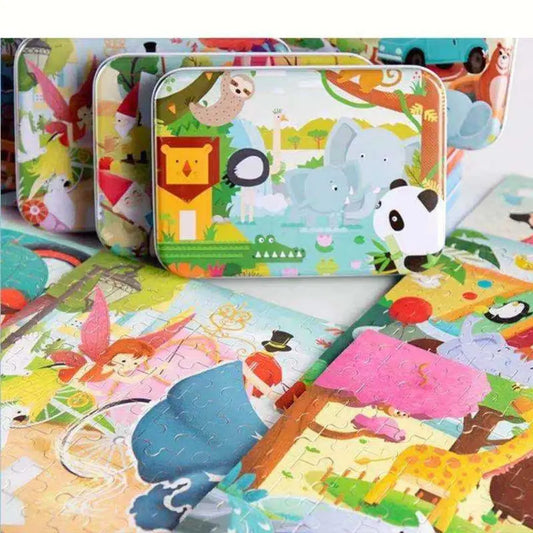
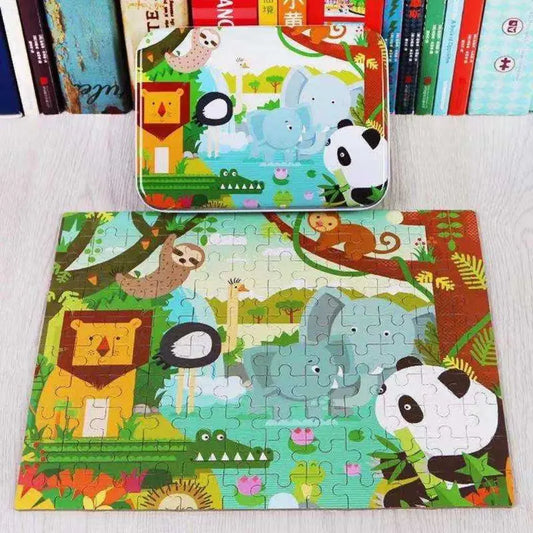
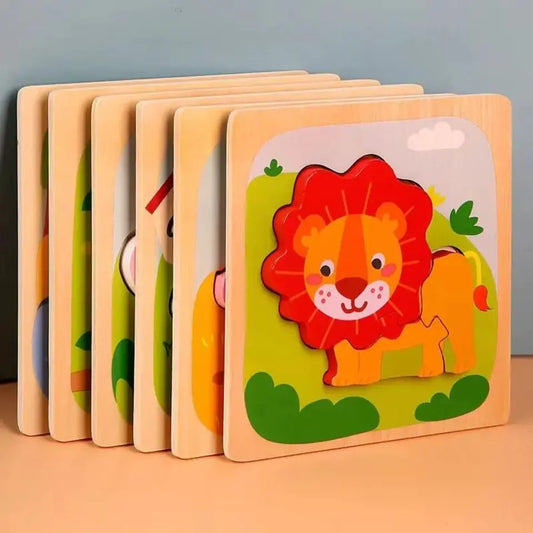
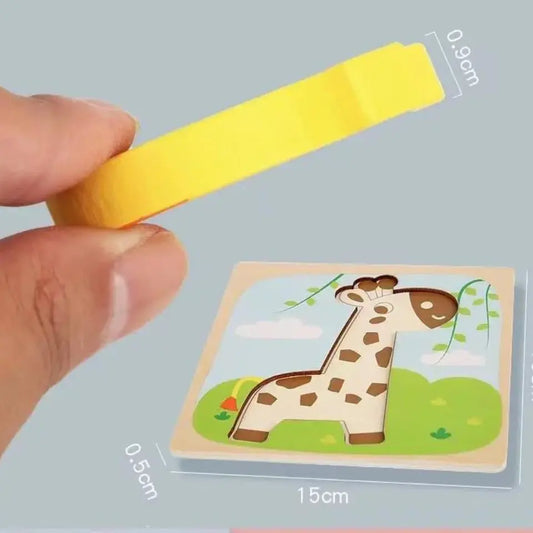
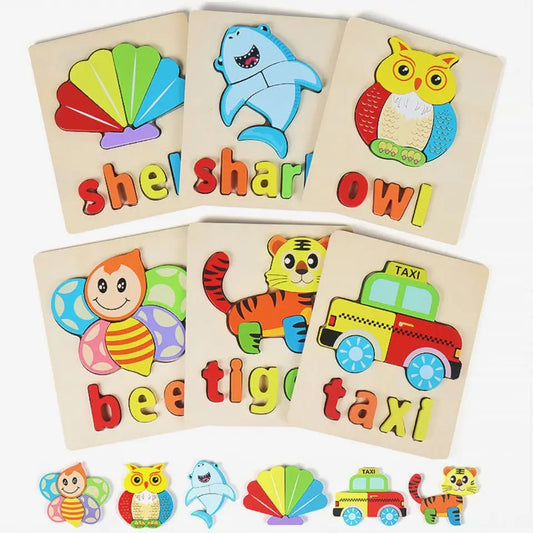
Simple knob puzzles and large-piece inset puzzles are common in wooden-toy collections, but “simple” is not an age classification. Look at the recommended age, size of each removable piece, knob attachment and the number of pieces before considering one for a young child.
More complicated wooden puzzles may clearly belong to preschool or school-age ranges even when they appear alongside toddler products. A retailer with effective age filtering makes this distinction much easier for shoppers.
Wooden Musical Toys
Xylophones, shakers and other wooden musical toys can combine sound with hand-eye coordination, but they may also include metal bars, beaters, strings, fasteners or other components. Check the complete material and component list rather than treating them as entirely wooden.
If a musical toy includes a detachable striker or several small pieces, the manufacturer age becomes particularly important. Parents should also follow any supervision guidance included with the product.
How to Check a Wooden Baby Toy Before Buying
The most useful buying process is to verify the product from the age recommendation outward: age, components, dimensions, finish, construction and then practical factors such as cleaning and storage. Are Montessori toys safe for babies? is also worth considering separately because design philosophy and product safety are not the same question.
Formal Manufacturer Age and Warnings
Use the manufacturer's stated age instead of estimating suitability from photographs, toy type or developmental claims. If a listing says “kids”, “children” or “early learning” without providing an age, that information is too broad to confirm that the toy was intended for a baby.
Read warnings as well as the positive description. Australian product-safety guidance recommends checking age-appropriate labelling and keeping toys intended for older children away from babies and toddlers.
Piece Size and Detachable Components
Look beyond the main body of the toy. Pegs, wheels, beads, puzzle knobs, decorative pieces and connectors may be much smaller than the overall product and can determine whether the design is appropriate for a young child.
The Australian mandatory standard for toys intended for children up to and including 36 months is specifically intended to reduce risks from small parts releasing or coming off during play and reasonable wear. That makes complete component information especially useful when comparing baby products online.
Finish, Coatings and Product Claims
Terms such as “natural wood”, “eco-friendly”, “non-toxic” and “water-based paint” may be useful descriptions, but shoppers should still look for precise product information. A retailer should ideally identify the material and finish rather than expecting customers to rely on a broad claim applied across an entire collection.
Wood also does not automatically outperform plastic in every situation. Are Wooden Toys Better for Development? and Wooden Toys vs Plastic Toys can help compare play value, durability, cleaning and practicality without assuming that one material is universally superior.
Edges, Splits, Fasteners and Magnets
Look closely at product photographs and construction details for exposed fasteners, damaged-looking edges or areas where pieces join. After purchase, wooden toys should also be inspected regularly because wear, cracking or loose components can change the condition of the toy.
Magnets deserve additional attention. Australia has mandatory requirements covering toys containing magnets, and Product Safety Australia warns that small strong magnets can cause serious injuries if swallowed. If a baby toy includes magnetic components, the product page should make that clear and provide relevant warnings.
Weight and Throwing Risk
Wooden toys can vary significantly in density and weight. A large block, vehicle or musical toy may be manageable for an older toddler but unnecessarily heavy for a younger baby who is still learning controlled movement.
Where product weight is not provided, ask the retailer if it would affect your decision. Also consider the weight of individual removable pieces, not simply the packaged shipping weight.
How to Compare Australian Online Toy Shops
A reliable Australian wooden toy shop should help customers rule unsuitable products out, not merely persuade them to add products to a cart. Compare stores by the quality and consistency of their information before comparing the number of products available.

Product Detail and Documentation
Look for consistent specification fields across product pages: age, dimensions, weight, materials, components, finish, warnings and care. A detailed listing makes comparison easier and gives the retailer a stronger basis for claims about suitability.
If a store makes broad statements about compliance, coatings or materials, shoppers can reasonably ask what information supports those claims for the particular product they want to purchase. Specific documentation is more meaningful than repeating the same reassurance across unrelated products.
Stock, Delivery and Returns
For wooden baby gifts, stock and shipping can be as important as toy style. Check whether the item is actually available, how long dispatch is expected to take and whether the delivery estimate fits the date of the baby shower or birthday.
Toys4us currently states that it ships within Australia, usually processes orders within two to four business days, and calculates shipping fees according to the order and destination. Its returns policy currently provides a 14-day window subject to stated conditions, with different provisions for defective items.
Recall and Customer-Support Information
Before buying, check that the retailer provides a practical contact method for product questions or post-purchase problems. This is especially useful when age information, materials or components need clarification.
Australian consumers can also check Product Safety Australia for recalls and safety information. A retailer should have a process for responding to safety issues rather than relying only on general marketing assurances.
Marketplace Versus Specialist Retailer Listings
Marketplaces can offer wide selection and competitive prices, while specialist retailers may make category browsing and product comparison easier. Neither sales channel should automatically be treated as safer: evaluate the actual seller, product information, manufacturer age, warnings and returns process.
For marketplace purchases, pay particular attention to who is supplying the item and whether the listing provides the same information you would expect from an Australian specialist retailer. Extremely brief or copied specifications make meaningful comparison difficult.
How to Evaluate Toys4us Wooden Toys
Toys4us currently has 28 products in its Wooden Toys collection, but the range mixes different ages and product types. It should therefore be treated as a general collection rather than a complete baby wooden-toy range.
Shoppers wanting to buy wooden baby toys online should check each listing individually before deciding whether it suits their child.
Why the Wooden Toys Collection Is Not a Baby Collection
The collection includes products for older children as well as items with broader or unclear age positioning. Some products are clearly intended for ages three and above.
That makes the current Wooden Toys collection useful for general browsing, but not strong enough to be presented as a dedicated baby range without further product filtering.
Wooden Carrot Harvest Shape Sorter Toy
The Wooden Carrot Harvest Shape Sorter Toy is one of the more relevant products for younger children because its listing states an age range of 1–3 years.
However, shoppers would benefit from more complete details such as exact dimensions, weight, coating information and clearer component specifications.
Products With Conflicting or Missing Age Information
When some products have specific age guidance and others rely on general terms such as “learning” or “Montessori”, comparing them becomes harder.
The strongest improvement would be to apply consistent manufacturer age fields across the full collection and separate infant, 12-month+, toddler and 3+ products.
Collection Work Required Before a Strong Baby CTA
Before promoting the collection strongly for babies, each relevant product should be audited for age, dimensions, piece sizes, materials, coatings, weight, magnets and warnings.
Once these details are verified, Toys4us could build a dedicated baby wooden-toy collection containing only products with clear, consistent information.
Frequently Asked Questions
Are Wooden Toys Safe for Babies?
Some wooden toys can be suitable for babies when the manufacturer's age guidance includes the child's age and the construction is appropriate.
Check removable parts, finish, weight, warnings and overall condition rather than assuming wood is automatically safer.
Are Wooden Toys Better Than Plastic Toys?
Neither material is always better. Wooden toys may offer durability and simple designs, while plastic toys can be lighter and easier to clean.
Compare the individual product, intended use and age suitability rather than choosing only by material. See Are Wooden Toys Better for Development? for more detail.
What Wooden Toys Suit a One-Year-Old?
Depending on the manufacturer's age recommendation, options may include stacking toys, simple shape sorters, grasping toys and large-piece puzzles.
Always check the individual listing because similar-looking products can have very different age ranges and component sizes.
Does Montessori Mean the Toy Is Baby-Safe?
No. Montessori describes an educational approach or design style and does not replace formal age guidance or safety information.
Parents interested in this category can also explore Montessori Toys Australia and Are Montessori toys safe for babies?
Should I Buy Wooden Baby Toys From a Marketplace?
You can, provided the listing clearly shows the manufacturer age, dimensions, materials, warnings and seller information.
Whether you use a marketplace or specialist retailer, choose the seller that gives you enough information to assess the particular toy properly.