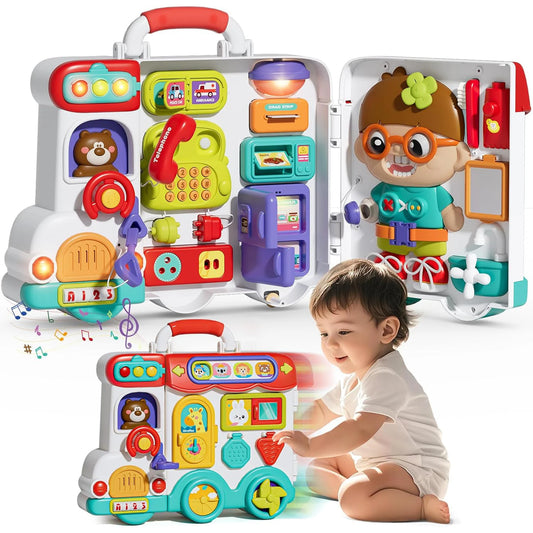
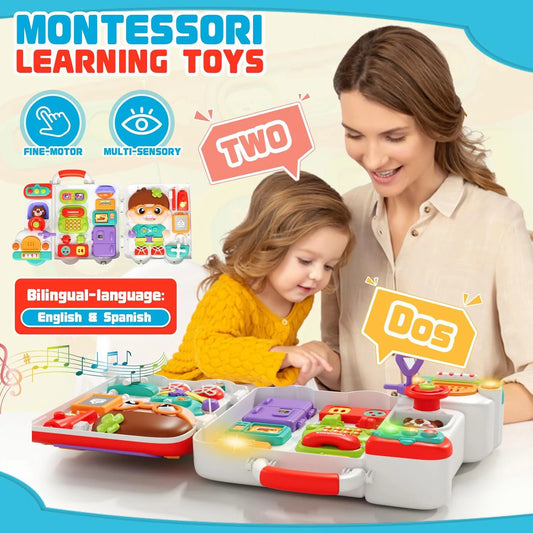

Standing in the toy aisle, you’re stuck. Bright plastic toys flash and beep. Wooden ones sit quietly on the shelf. You start wondering which choice actually helps your child grow. That’s where the debate around wooden toys vs plastic toys really matters.
Parents want toys that are safe, fun, and worth the money. They also want something that helps kids learn without turning playtime into noise overload. In this guide, we’ll break down why wooden toys are better for learning, focus, and long-term development, with real examples you can use at home.

Safety and Non-Toxic Materials
Safety comes first. Plastic toys often contain chemicals like BPA, PVC, or phthalates, especially in cheaper options. Even when labelled safe, wear and tear can lead to cracks and sharp edges.
Wooden toys are usually made from natural materials and finished with water-based paints. That makes them safer for teething babies and toddlers who put everything in their mouths. Many parents choose wooden toys Australia brands for this exact reason.
If you’re trying to reduce chemical exposure at home, wooden toys are one of the easiest swaps you can make.
Sensory Development Benefits
Wood feels different. It has weight, texture, and temperature. These small details matter more than most parents realise.
When kids stack blocks or fit shapes into a sorter, they’re learning through touch. That supports sensory development in a calm, focused way. Plastic toys often rely on lights and sounds instead, which do the work for the child.
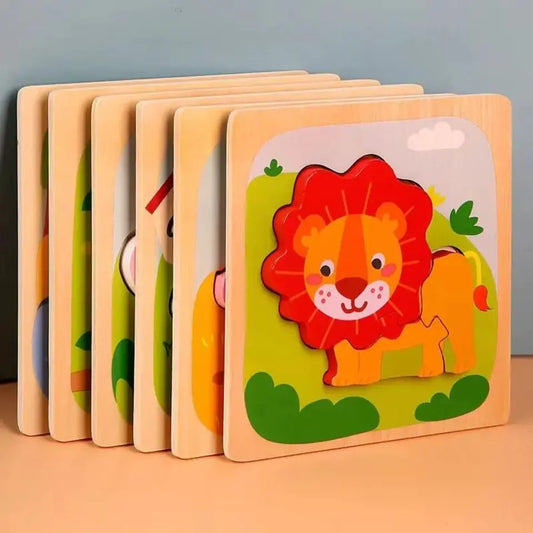
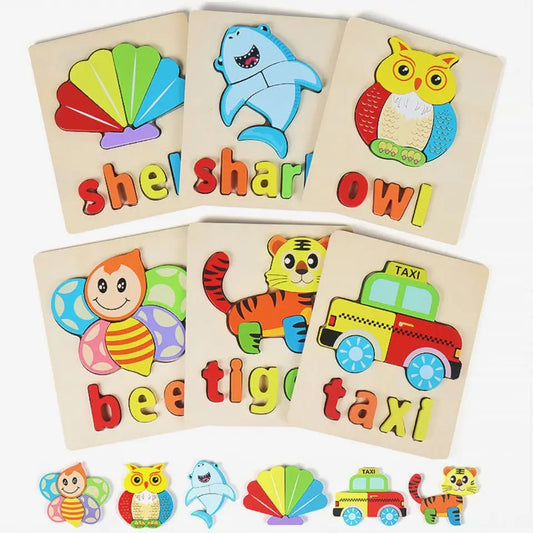
Simple toys like wooden puzzles or stacking blocks encourage hands-on learning without overstimulation.
Durability and Long-Term Value
Plastic toys break. Buttons stop working. Batteries leak. Then the toy ends up in the bin.
Wooden toys last. They’re solid, hard to snap, and don’t rely on electronics. Many become heirloom toys, passed down from one child to another.
Yes, wooden toys cost more upfront. But when one toy lasts years instead of weeks, the value becomes clear. Parents often buy fewer toys overall and still see better play outcomes.
Environmental Impact
Plastic toys are usually made from petroleum-based materials. Most can’t be recycled properly and sit in landfills for decades.
Wooden toys are a more eco-friendly option for kids. They’re often made from sustainably sourced wood and biodegradable materials. That makes them a strong choice for families who care about sustainable toys and waste reduction.
Choosing wooden toys over plastic is a small step, but it adds up over time.
Encourages Imagination and Creativity
A plastic toy with one button does one thing. Press it, hear a sound. That’s it.
Wooden toys invite open-ended play. A set of blocks can be a house today and a bridge tomorrow. A wooden puzzle becomes a storytelling tool, not just a task to finish.
This kind of play supports imagination development and problem-solving. It’s why educational wooden toys and Montessori wooden toys are so popular with early learning educators.
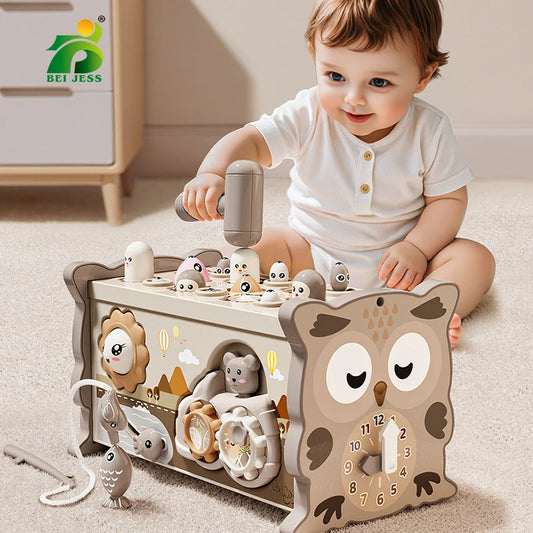
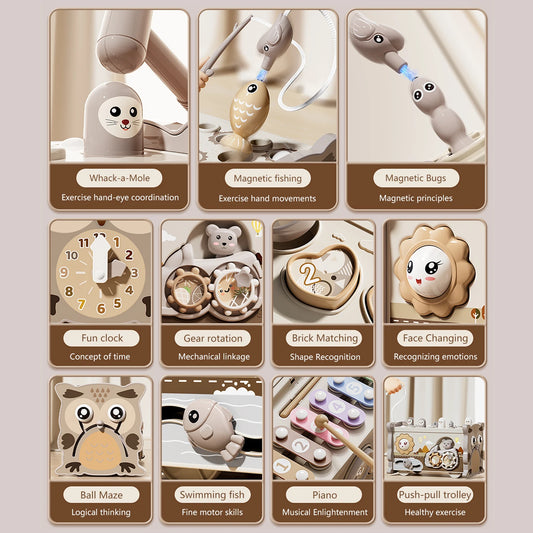
You’ll see this clearly with toys like these Montessori wooden toys that grow with your child instead of limiting them.
Better for Fine Motor Skills
Fine motor skills develop through repeated hand movements. Grasping, turning, stacking, and sorting all play a role.
Wooden toys are heavier and require more control than plastic ones. That extra effort helps strengthen hand muscles and coordination. Toys like shape sorters and wooden puzzles are especially helpful here.
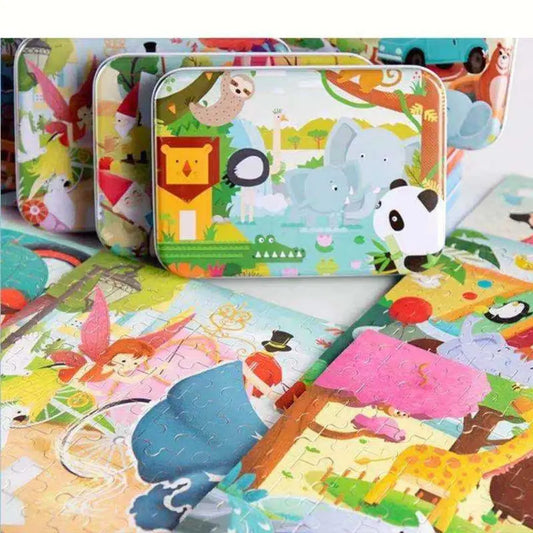
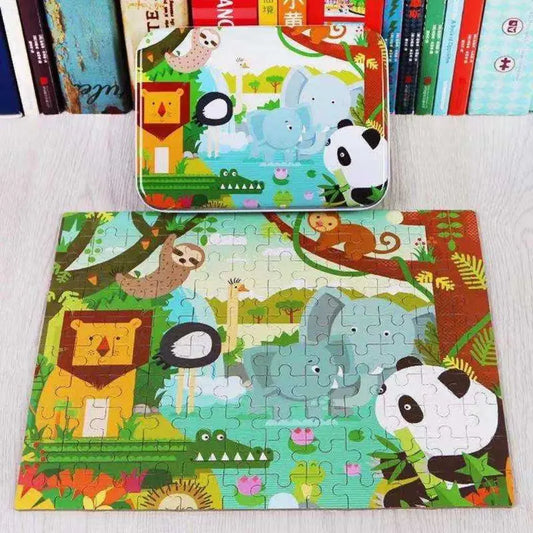
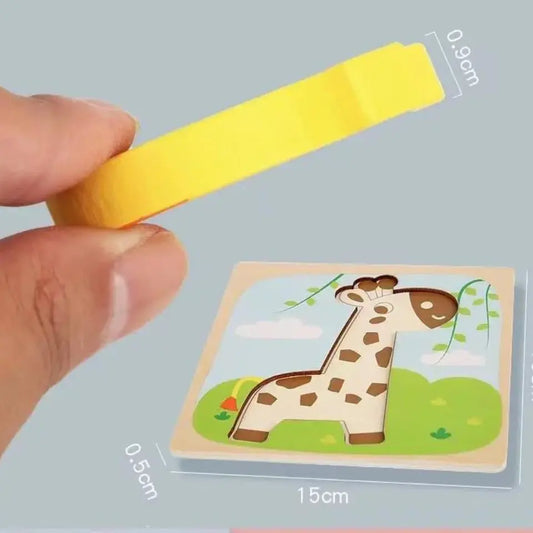
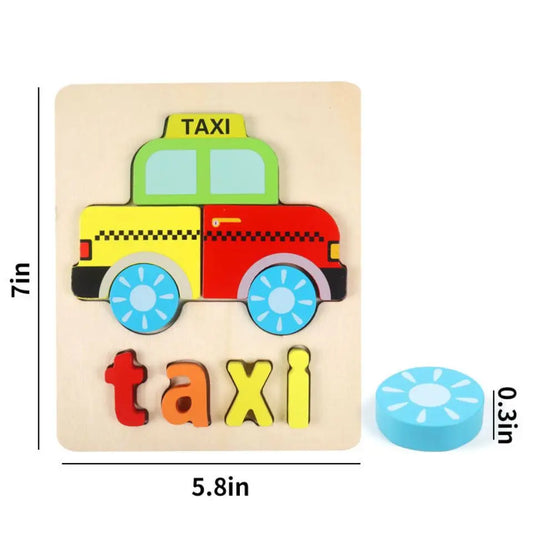
For example, simple wooden puzzles help kids practice patience, grip strength, and spatial awareness without pressure.

Reduces Screen Time and Overstimulation
Many plastic toys mimic screens. Flashing lights, music, and voice prompts pull kids into passive play.
Wooden toys do the opposite. They slow things down. Kids focus longer and play more deeply because they’re in charge of the experience.
Parents often notice calmer behaviour and better attention spans after switching to wooden toys. It’s an easy way to balance screen-heavy environments without banning tech completely.
Practical Tips for Parents Choosing Wooden Toys
Here’s how to get started without overthinking it:
-
Start with 2 or 3 quality pieces instead of buying in bulk
-
Look for non-toxic paint labels and smooth finishes
-
Choose toys that match your child’s age and skill level
-
Pick open-ended designs that allow more than one way to play
A great place to begin is this wooden toys collection, which covers early learning through preschool ages.
You can also mix in educational toys that support counting, matching, and problem-solving.
For toddlers, hands-on options like the Montessori wooden mushroom color matching blocks are ideal for colour recognition and coordination.

Conclusion
When you compare wooden toys vs plastic toys, the benefits of wooden toys stand out clearly. They’re safer, last longer, support real learning, and encourage creativity without noise or distraction.
They may cost a bit more at first, but the child development benefits make them worth it. If you want toys that grow with your child and support early learning, start browsing quality wooden options today and build a play space that actually helps kids thrive.