


"I'm bored." Your kid says it five minutes after you've turned off the tablet. Sound familiar?
Here's the truth: kids aren't really bored. They've just forgotten how to play without screens telling them what to do next. Screen-free play ideas for kids aren't about being anti-technology. They're about giving your child's brain the chance to create, problem-solve, and imagine without digital prompts.
Let's look at simple, practical ways to bring back real play. No guilt trips. No complicated setups. Just ideas that actually work.
Why Screen-Free Play Matters
Your child's brain develops differently when they're building with blocks versus watching someone else build on YouTube. Research shows that hands-on play strengthens neural pathways in ways passive screen time can't match.
Kids who engage in regular screen-free play develop better problem-solving skills, longer attention spans, and stronger social connections. They learn to entertain themselves. They build resilience when things don't work the first time. These aren't small things - they're life skills.
The Australian health guidelines recommend no more than one hour of screen time daily for kids aged 2-5. For school-age kids, it's about balance. Screen-free play helps them develop the creativity and independence they'll need well into adulthood.

Building and Construction Play
Hand your kid a set of blocks and watch what happens. They stack. It falls. They try again with a different approach. That's engineering, physics, and persistence all rolled into one activity.
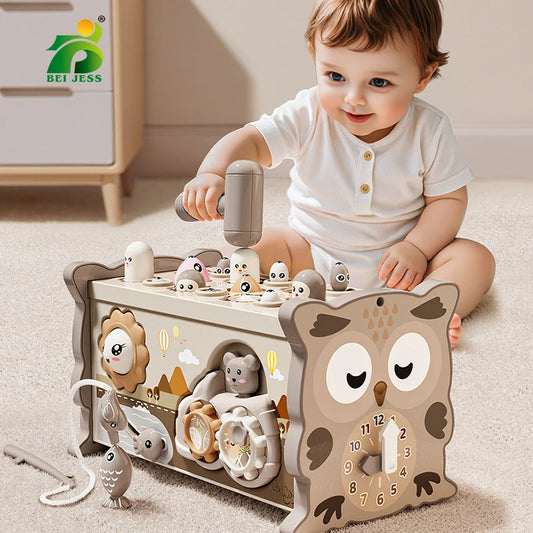
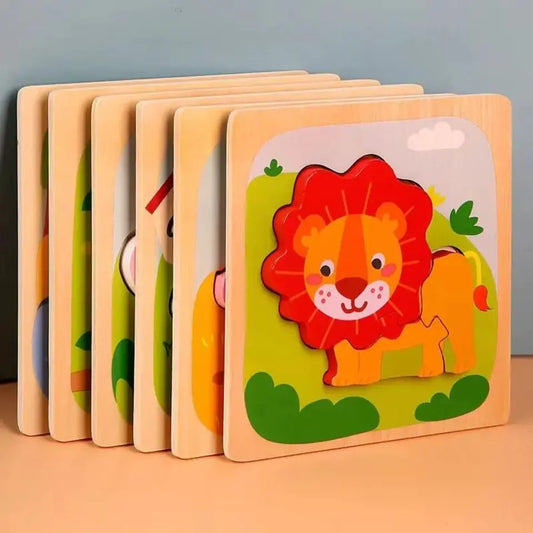
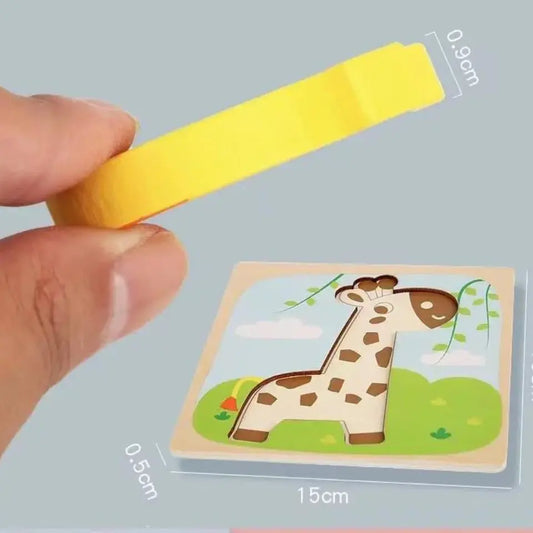
Wooden toys are perfect for this. They're tactile, durable, and don't require batteries or instructions. Your 3-year-old building a tower isn't just playing - they're learning spatial awareness and cause-and-effect.
Construction play also teaches kids to handle frustration. When that carefully built structure collapses, they're developing emotional regulation. They learn that failure isn't the end, it's part of the process.
Try this: give your child random household items - cardboard boxes, toilet paper rolls, tape - and challenge them to build something specific. A bridge for toy cars. A house for their stuffed animals. A spaceship. The constraints spark creativity.
Creative Arts and Crafts
Art supplies don't need to be fancy. Paper, crayons, scissors, and glue open up endless possibilities. Your child drawing and cutting isn't just making a mess - they're developing fine motor skills and hand-eye coordination.
Our painting and craft collection includes age-appropriate supplies that let kids create without frustration. Chunky crayons for little hands. Washable paints for your sanity. Safety scissors that actually cut paper.
The best part about art? There's no right answer. Your child decides what to make and how to make it. This builds decision-making skills and confidence. They're the boss of their creation.
Set up a simple art station in a corner of your home. When boredom hits, kids can grab supplies and create. No screen needed. No parent direction required.

Puzzle Solving and Problem-Solving Games
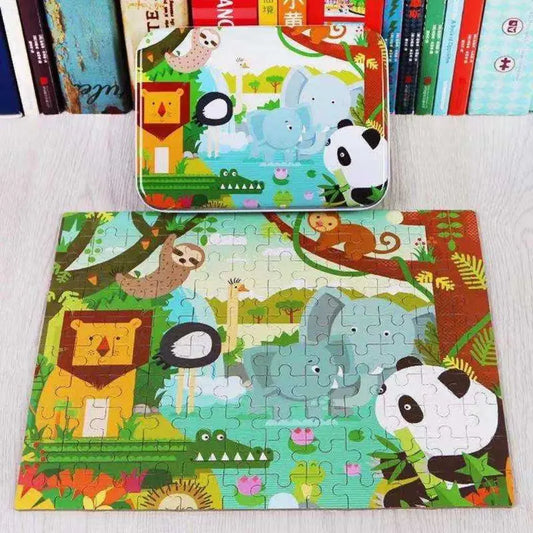
Puzzles are screen-free gold. They're quiet, engaging, and incredibly beneficial for cognitive development. Working on a puzzle teaches kids to recognize patterns, test hypotheses, and persist through challenges.
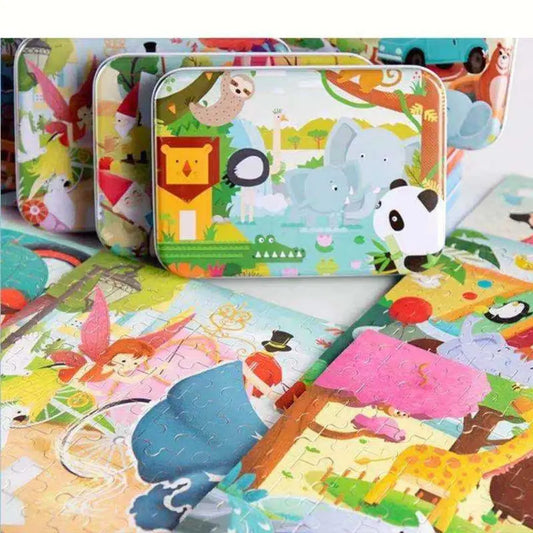
Start simple with younger kids. Our puzzle collection ranges from basic shape sorters to complex jigsaw puzzles. Match the difficulty to your child's current skill level, then gradually increase the challenge.
Here's what makes puzzles brilliant: kids can't cheat their way through. They have to figure it out. Each piece they successfully place builds confidence and problem-solving ability.
Board games work similarly. They teach turn-taking, following rules, and handling wins and losses. Plus, they're actual family time - everyone's engaged, not half-watching while scrolling phones.

Pretend Play and Imagination
A cardboard box becomes a spaceship. A blanket fort transforms into a castle. Pretend play is where imagination really develops, and it costs almost nothing to encourage.
Kids working through scenarios in pretend play are actually processing their experiences and emotions. When your 4-year-old "cooks dinner" or "goes to the doctor," they're making sense of their world.
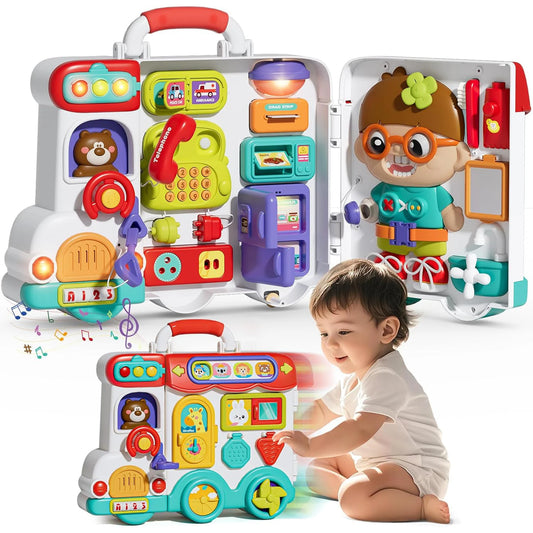
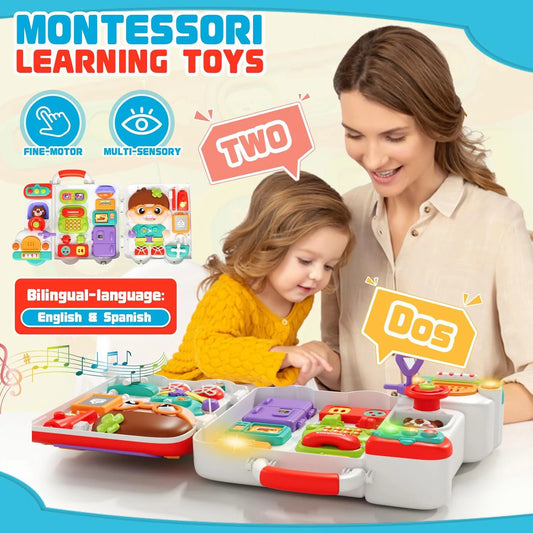
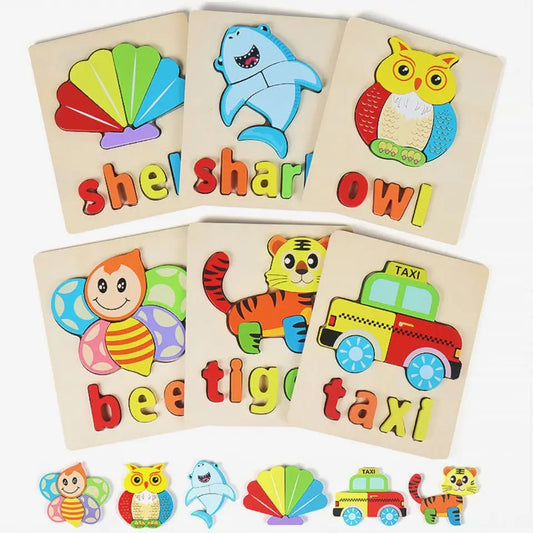
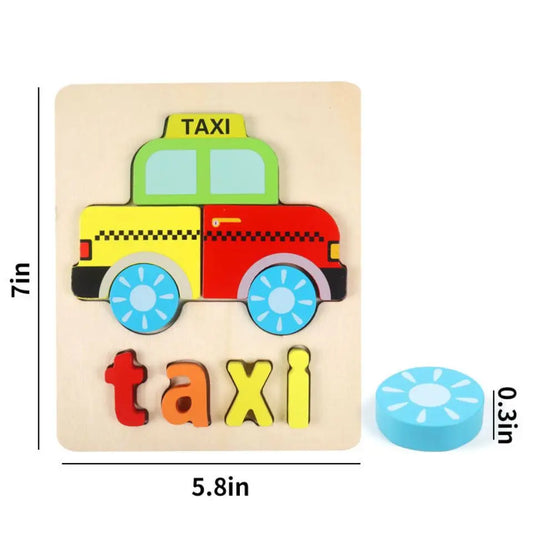
Montessori toys support this beautifully. Simple, open-ended toys let kids decide the narrative. A wooden car isn't just a car - it's a taxi, a race car, an ambulance, whatever your child needs it to be.
Don't interrupt pretend play to correct or teach. Let them lead. Even if it doesn't make logical sense to you, it makes perfect sense in their developing mind.
Outdoor and Physical Play
Get them outside. Seriously. Outdoor play burns energy, reduces stress, and provides sensory experiences screens can't deliver.
You don't need a backyard playground. A local park works. A nature walk works. Chalk on the driveway works. The goal is movement and fresh air.
Physical play develops gross motor skills - running, jumping, climbing, balancing. These aren't just about fitness. They build body awareness and confidence in physical abilities.
Try this: nature scavenger hunts. Give your kid a list (or pictures for non-readers) of things to find - a smooth rock, a feather, something red. They'll be engaged for ages and won't even realize they're learning observation skills.

Sensory and Hands-On Exploration
Sensory play engages multiple senses at once, creating rich learning experiences. Play dough, water play, sand, textured objects - these activities calm kids while building fine motor skills.
The beauty of sensory play is how focused kids become. They're not asking for screens when they're squishing play dough or pouring water between containers. They're in the zone.
Try making a simple sensory bin: fill a container with rice, dried beans, or pasta. Hide small toys inside. Give your child scoops and containers. Watch them play for 30+ minutes without needing your attention.
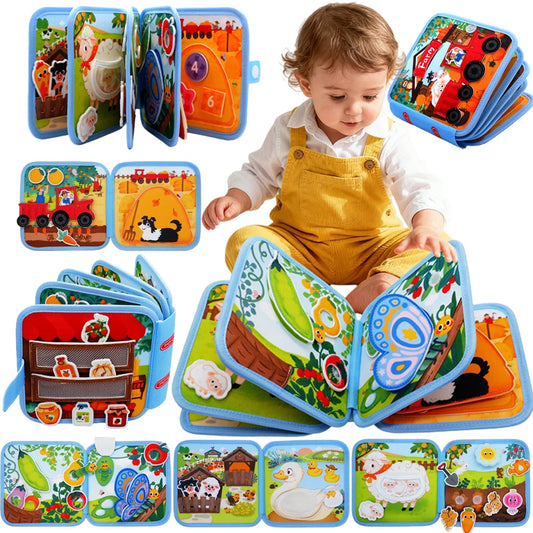
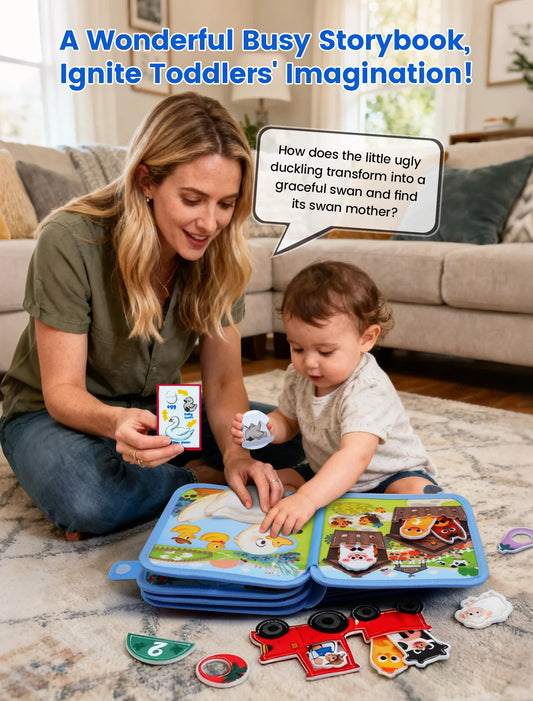
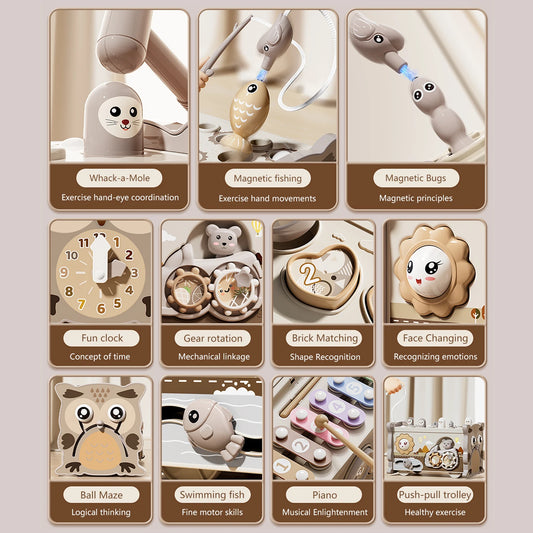
Educational toys designed for sensory exploration make this easier. Threading beads, shape sorters, stacking toys - they're specifically designed to engage little hands and minds.
Making the Transition Stick
Here's the hard truth: the first few days of reducing screen time are rough. Kids will complain. They'll say they're bored. They'll test your resolve.
Stay consistent. Set specific screen-free times - maybe before dinner, or weekend mornings. Make them non-negotiable. Kids adapt faster than you think.
Create screen-free zones. Bedrooms should be device-free. Meal times are for conversation, not tablets. Car rides can be talk time instead of video time.
Gradually build your collection of screen-free play options. You don't need everything at once. Start with a few quality toys that match your child's interests and build from there.
The Real Goal
Screen-free play isn't about being the perfect parent or completely eliminating technology. It's about giving kids the tools to entertain themselves, solve problems, and create without needing external stimulation.
When your child can spend 30 minutes building with blocks or working on a puzzle without asking for a screen, you've won. They've learned that they're capable of making their own fun. That's huge.
Start small. Pick one screen-free activity from this list and try it this week. See what works for your family. Build on what clicks.
Your kids are more creative and capable than they think. Sometimes they just need the space and tools to remember that. That's what screen-free play gives them - the chance to discover what they can do when left to their own imagination.