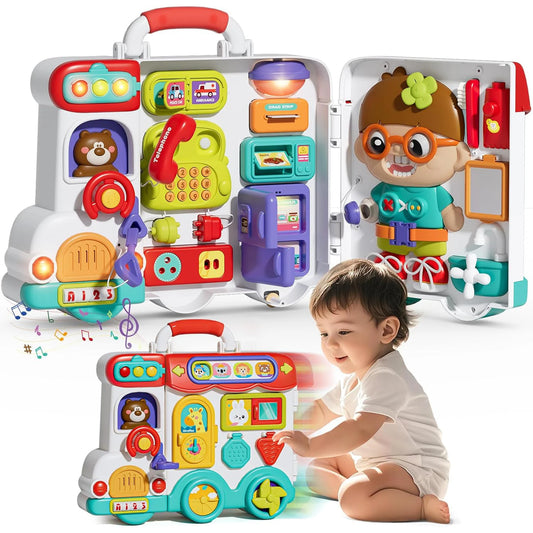
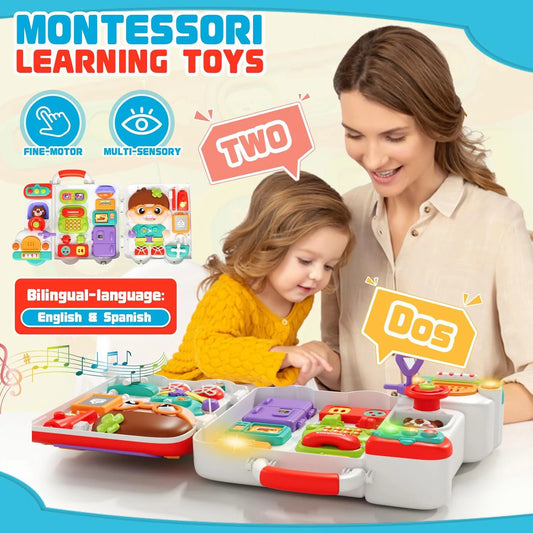
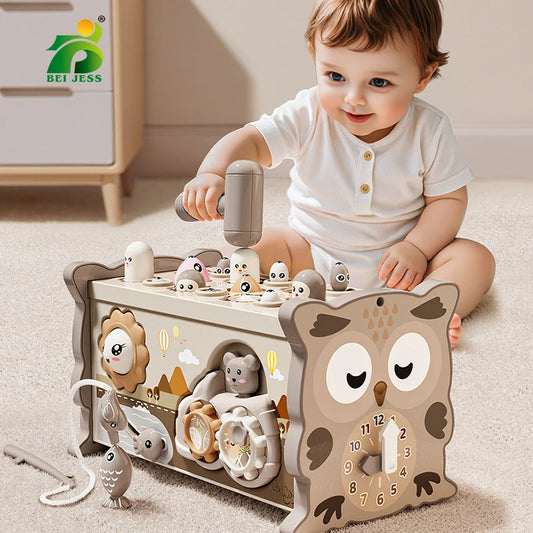
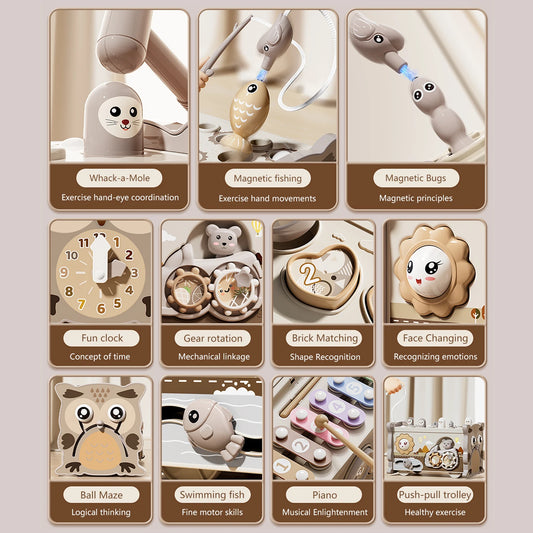
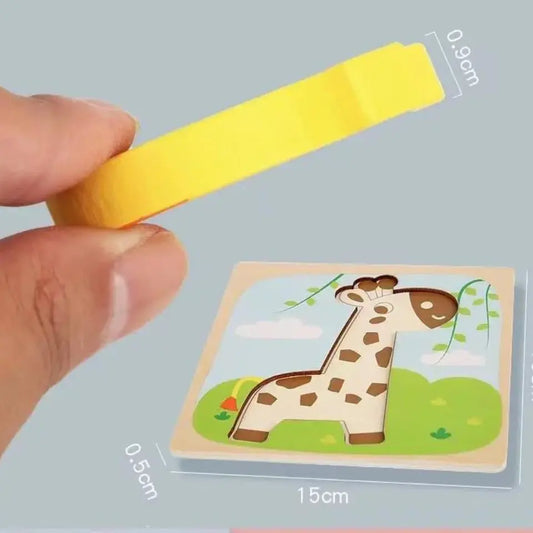
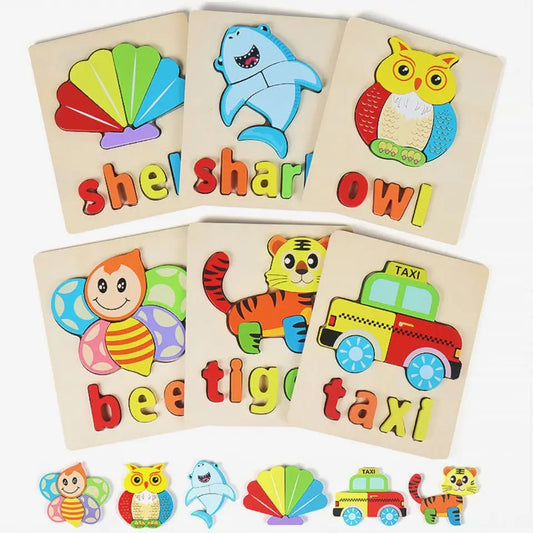
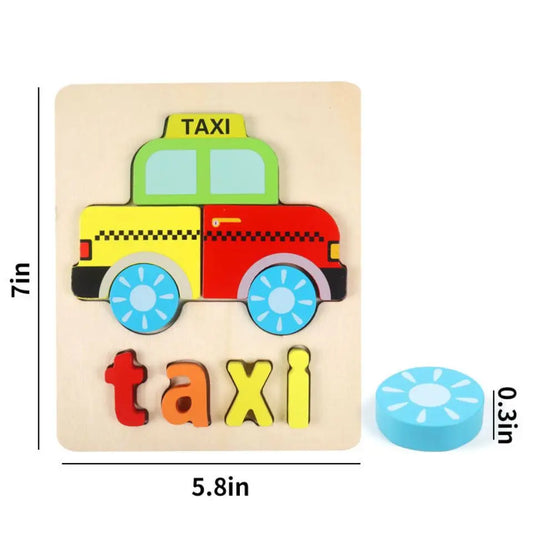

Useful educational toys at age five can include puzzles, construction sets, early maths and language activities, art materials, science observation toys and pretend-play sets. The best choice depends less on whether the packaging says “educational” and more on what the child actually gets to do: solve, build, compare, draw, experiment, sort, observe or invent a story.
For shoppers searching for educational toys for 5 years old girl, it is worth starting with the individual child rather than a gendered toy category. Look at what already holds her attention, then choose an activity that adds one manageable challenge without making play feel like homework. For broader age-five ideas, compare these choices with Best Toys for 5 Year Old Children.
| Toy type | What she actually does | Typical setup | Repeat-play potential | Check before buying |
|---|---|---|---|---|
| Puzzles | Matches, rotates, sorts and tests solutions | Low | High if difficulty suits | Piece size, age grading |
| Maths and word play | Counts, spells, sequences or matches | Low–medium | Usually high | Instructions and challenge level |
| Building/STEM | Builds, tests and changes designs | Medium | High with open-ended sets | Small parts, magnets, batteries |
| Art and drawing | Draws, decorates or completes projects | Low–medium | Varies with consumables | Materials, mess and supervision |
| Science observation | Examines objects and compares details | Medium | High if linked to real-world exploration | Batteries, samples, warnings |
| Pretend play | Creates roles, routines and stories | Low | Often high | Parts, durability and storage |
What Educational Toys Suit a 5-Year-Old Girl?
A suitable learning toy should give a five-year-old something understandable to do while leaving enough challenge to keep the activity interesting. One child may enjoy working through letter cards, another may spend longer building structures, and another may prefer drawing or examining leaves and small objects. The useful comparison is therefore not “Which girls’ educational toy is best?” but “Which activity is she likely to return to?”
Start With Her Interests, Not Gendered Packaging
Start with interests you can already see. A child who likes drawing may get more use from reusable tracing, pattern or design activities than from a construction kit chosen because it is marketed as educational. A child who collects rocks, leaves or shells may find an observation toy more engaging. Packaging colours or “for girls” labels do not tell you whether the activity matches her interests, patience or current abilities.
Also consider setup. Some creative learning toys age 5 can be opened and used independently, while others require an adult to explain the first activity, organise pieces or prepare materials. Before buying, verify the manufacturer's age grading, included components, warnings and any supervision instructions rather than relying only on the retailer category.
Match the Challenge to Her Current Abilities
The most useful challenge is usually one that she cannot complete instantly but can understand well enough to keep trying. With puzzles, that might mean moving from very familiar large-piece designs to more detailed scenes or logic challenges. With spelling, it could mean matching letters to pictured words before expecting independent spelling.
If a toy repeatedly causes frustration even with a small amount of help, a simpler version may provide better play value. If she finishes every activity immediately, look for a version with more combinations, extra stages or open-ended outcomes. This is where a broader guide such as Best Toys for 5-Year-Old Girls: Choose by Her Interests can help you compare educational play with other age-five options.
Educational Toy Types to Compare
Instead of judging toys by marketing terms such as “smart”, “Montessori” or “learning toy”, compare what the child will actually make, arrange, solve or investigate. This also makes it easier to judge how long setup takes, whether consumables need replacing and whether the toy can produce different results on different days.
Puzzles and Logic Play
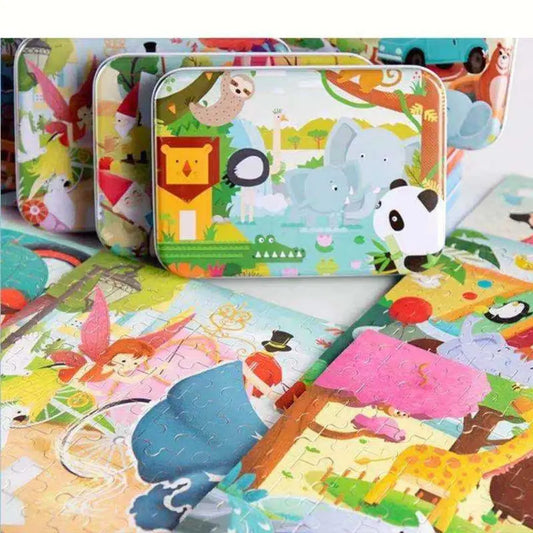
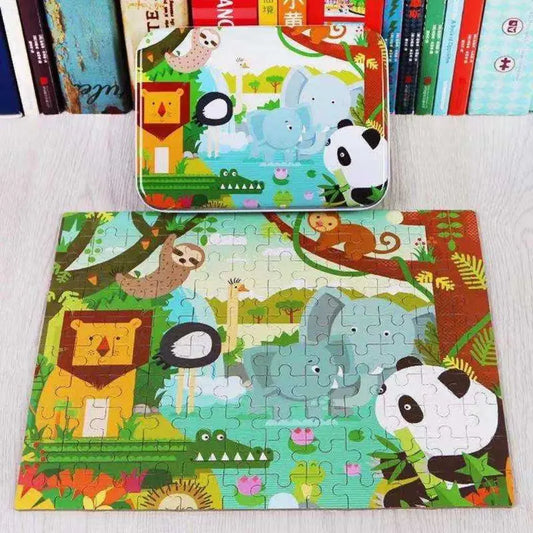
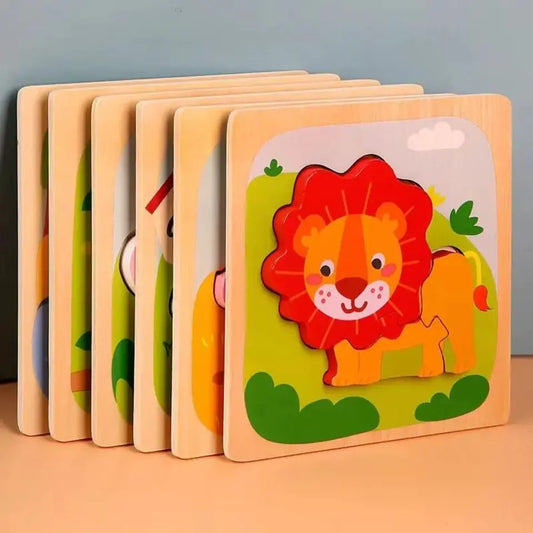
Puzzles for 5 year old girls can range from picture puzzles to matching games, tangrams, mazes and simple sequencing challenges. They suit children who enjoy noticing patterns and working towards a clear result. Look for a level where the child can make some progress independently but still needs to test several possibilities.

Reusable puzzles generally offer better repeat play when they can be solved in different ways or when difficulty can increase gradually. Check the manufacturer's age label and the size of individual pieces, particularly if younger siblings also use the same play area. Browse Puzzle options when this style of play already holds her attention.
Early Maths, Language and Sequencing
Early number and language toys can involve counting, ordering, letter matching, word building, picture sequencing or tracing. They can work well for children who already enjoy letters, numbers or organised tabletop activities, but they should still feel like play rather than a worksheet the child is required to finish.
Short activities are often easier to revisit than a single long task. Reusable cards, erasable surfaces or pieces that can form different combinations can also extend use. Check whether instructions are clear enough for the child and whether the activity suits her current familiarity with numbers or letters.
Building, STEM and Cause-and-Effect
STEM toys for 5 year old girls may include construction sets, simple mechanisms, beginner experiments or toys that let the child change something and observe the result. The strongest options at this age usually make the cause and effect visible: build a structure, change one part and see what happens.

Complexity matters more than the STEM label. A kit designed around long written instructions or many tiny components may be better saved for later. Sets containing magnets or batteries require additional checks, including secure components and appropriate supervision. Australian Product Safety advises shoppers to follow age grading and treat accessible batteries and magnets as significant hazards.
For a wider comparison across categories, see Educational Toys Australia.
Art, Drawing and Creative Problem-Solving
Drawing, collage, reusable workbooks, sticker projects and construction-based art allow children to make a visible finished result. These activities can suit a child who likes choosing colours, decorating objects, copying patterns or inventing her own version instead of following a single correct answer.
Compare how much adult preparation is required and what happens after the first session. Some kits are essentially one finished project, while reusable drawing tools or open-ended art materials can be used repeatedly. Check adhesives, paints, skin-contact instructions, included tools and clean-up requirements before use. For more hands-on ideas, explore Painting and Craft.
Pretend Play and Everyday-Life Skills
Pretend-play toys may not always be marketed as educational, but they can give a five-year-old a clear activity involving roles, sequences and everyday routines. A shop set, kitchen setup, clinic kit or puppet activity can become a way to organise objects, tell stories or practise familiar routines through play.
Look for enough flexibility to create different scenarios rather than a toy that performs most of the action itself. Storage also matters: sets with many accessories may need containers or designated play space, and small components should be considered if younger children share the home.
How to Judge Educational Value
Educational value is easier to judge by watching what the toy asks the child to do than by reading claims on the box. Look at the decisions she makes, whether the activity changes from one session to another and how much of the play is controlled by the child rather than by lights, sounds or automatic responses.

What the Child Actually Does
Ask a simple question: “What will she be doing with this after I open the box?” Good answers are specific—matching letters, assembling pieces, drawing a pattern, counting objects, observing a leaf or creating a pretend café. “Learning while having fun” tells you very little about the actual activity.
A toy can still be useful when an adult demonstrates the first round. The key is whether the child eventually has something meaningful to operate, arrange, choose or create herself.
Repeat Play and Different Outcomes
A toy does not need endless possibilities, but repeat use is more likely when there are several challenges, combinations or outcomes. Construction pieces can become different models, art materials can produce new pictures, and word cards can be rearranged as familiarity grows.
By contrast, a kit with one fixed project may still be worthwhile when the child enjoys completing and displaying the result. In that case, treat it as a project-based activity rather than assuming it will provide months of repeated play.
Adult, Sibling and Independent Play
Consider how the toy fits into real family routines. Some children enjoy an activity more when an adult starts the first few rounds. Others prefer working alone once they understand the rules. Games may become more useful when a sibling can participate.
Check instructions rather than assuming “age five” means fully independent. Adult help may still be needed for reading, setting up small components, inserting batteries, handling craft materials or demonstrating a new concept.
How to Evaluate Current Toys4us Options
The current Toys4us products below are best treated as a review queue rather than automatic recommendations. Their pages show that several fall within an age range that includes five, but publication-day checks should still confirm the exact variant, stock, packaging, warnings, instructions and included components.
Clear Age-Five Candidates
The Wooden Word Spelling Game currently lists an age range of 3–8 years in its product details, with wooden alphabet cubes and double-sided word cards. The page also describes variants with and without a bell, so shoppers should confirm the exact selected set before ordering.
The Montessori Math & Drawing Workbook currently states an age recommendation of 3–7 years and describes a paper-based drawing activity. That puts age five within the stated range, but the page does not provide enough detailed warning information to treat the listing alone as the final safety check.
The DIY Paper Cups Sticker Kit currently states ages 3–6 and says the package contains a set of paper cups and stickers, with no scissors required. The page also refers to overseas certifications, but these statements should not be treated as proof of Australian compliance; packaging instructions and applicable local requirements still need checking.
Products With Broad or Missing Age Information
The Lab Handheld Microscope currently lists a target age of 3+ and describes a built-in LED and handheld magnification for examining objects, plants, insects and textures. However, the visible page information does not clearly establish the battery arrangement, magnification specification, included samples or complete warning instructions.
That means it may be an interesting science-observation candidate for a five-year-old, but it should not be presented as a verified recommendation until those details are confirmed on the exact product or packaging.
Products to Save Until Age Six or Later
None of the four current candidates has a published lower age limit above five. However, age range alone is not enough to promote a product. If the exact variant supplied carries a higher manufacturer age, additional warning or more complex instructions than the online listing shows, follow that information instead of the retailer category.
Safety and Product Checks Before Buying
Before choosing educational toys for 5 year old girl Australia shoppers should check formal age grading, small components, magnets, battery access, cords, sharp edges, craft materials and supervision instructions. Australian Product Safety advises buyers to check age labels, choose sturdy toys and follow assembly and use instructions.
Small Parts, Magnets and Batteries
Small parts deserve extra attention when younger siblings are present. Toys with button or coin batteries should have secure compartments that require a screw or tool to open, and spare or used batteries need to be kept out of children's reach.
Magnets require particular care. Australian Product Safety warns that swallowed magnets can cause serious internal injuries and advises following age labels, checking that magnets remain securely attached and supervising children when toys contain magnets.
Instructions, Materials and Supervision
Check whether the product requires scissors, adhesives, paints, electrical components, cords or other materials that change how closely an adult needs to supervise. Do not infer “non-toxic”, safe skin contact or Australian compliance simply because a listing describes a product as eco-friendly, Montessori-style or certified overseas.
Keep original instructions and periodically inspect reusable toys for damaged, brittle or loose pieces. Australian Product Safety also recommends following product age, assembly and use guidance and removing toys that are falling apart.
Frequently Asked Questions
What Is the Best Educational Toy for a 5-Year-Old Girl?
There is no single best option for every five-year-old. Choose according to her current interests, the manufacturer's age grading, how difficult the activity is, what comes in the box and how much adult help it requires. A puzzle may suit one child, while another may spend much longer drawing, building or experimenting.
Are STEM Toys Suitable for Five-Year-Old Girls?
Yes, when the individual STEM toy is age-appropriate and the activity matches her interests. At five, simple building, observation and cause-and-effect activities can be easier to use than kits with long instructions or very small components. Check magnets, batteries, included materials and supervision requirements before deciding.
Are Puzzles Educational at Age Five?
Puzzles can be a useful learning-oriented activity at five because they ask the child to compare pieces, test possibilities and work towards a visible solution. The important factor is difficulty. Choose a puzzle she can partly manage independently rather than relying only on piece count or an “educational” label.
How Do I Choose the Right Difficulty?
Start slightly above what she can already complete without effort. She should understand the goal and make some progress, but still need to think, test or ask for occasional help. If the activity creates immediate frustration, step down. If it is completed almost instantly every time, choose a more flexible or challenging version.
Choose by Interest and Next Manageable Challenge
The most useful learning toys for five-year-old girls are not necessarily the ones making the biggest educational claims. Start with what the child chooses to do voluntarily, then look for the next manageable challenge: a slightly harder puzzle, more flexible building set, new drawing format, simple word activity or observation tool that gives her something active to do.
Before buying, compare project duration, patience required, instructions, mess, storage, consumables and adult involvement. Recheck the exact product's manufacturer age grading and warnings because those should take priority over a general retailer category. If you want to compare these educational options with other play styles, continue with Best Toys for 5-Year-Old Girls: Choose by Her Interests.